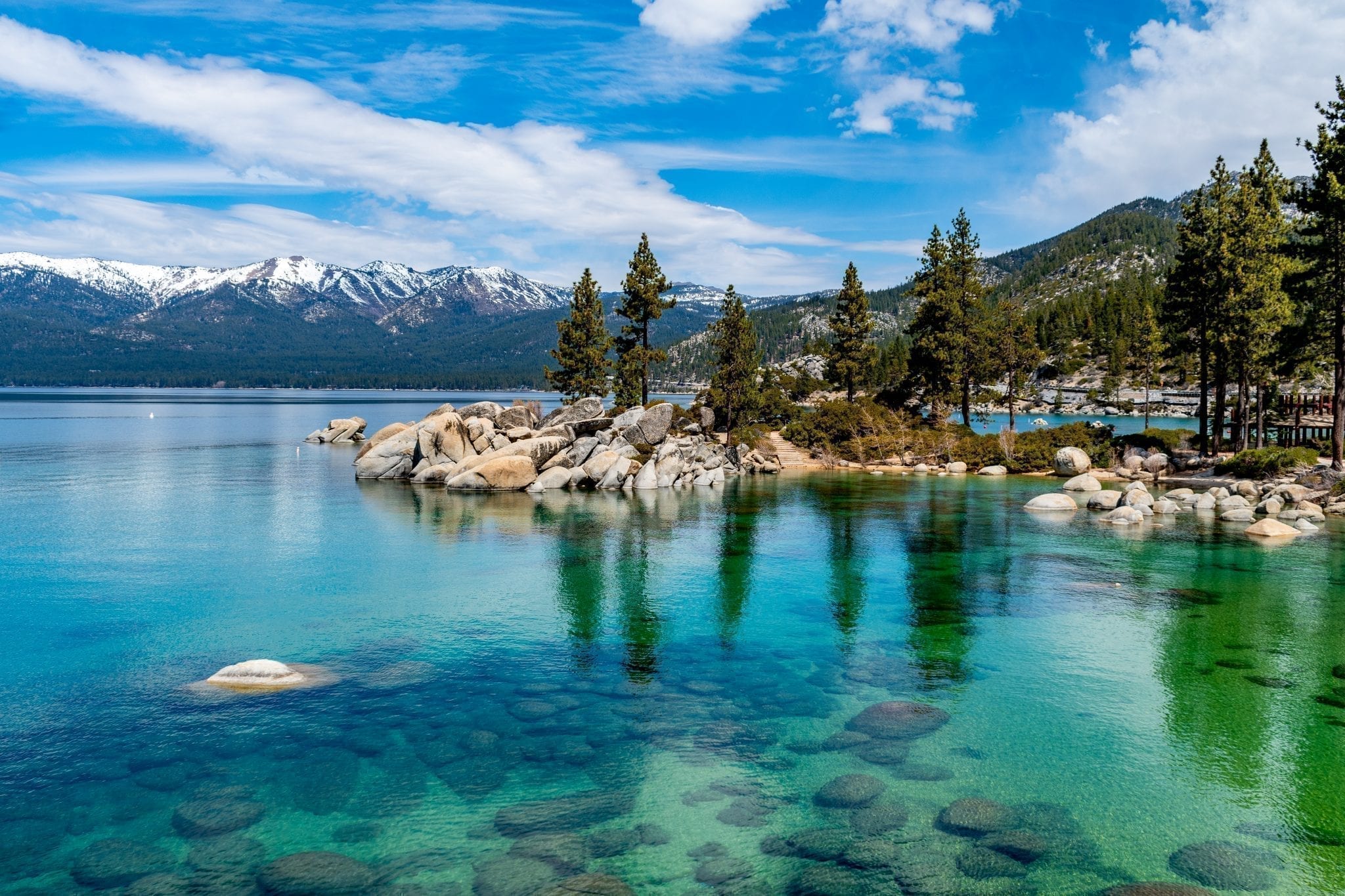
Planning a getaway within the United States involves navigating a vast landscape of diverse geography, cultural hubs, and natural wonders, with destinations ranging from the tropical shores of Hawaii to the alpine peaks of the Rocky Mountains. Selecting the right vacation spot requires balancing personal travel styles, seasonal weather patterns, budgetary constraints, and logistical considerations such as transportation and accommodation availability.
1. Maui, Hawaii: The Ultimate Tropical Escape
Maui stands out as one of the premier island destinations in the United States, offering a blend of dramatic natural landscapes, outdoor recreation, and resort amenities. For travelers seeking a balance of relaxation and adventure, the island provides access to world-class beaches, lush rainforests, and towering volcanic craters.
Key Attractions and Activities
- Haleakalā National Park: Spanning over 30,000 acres, this park centers around Haleakalā, a massive dormant shield volcano. Visitors frequently make the pre-dawn drive to the 10,023-foot summit to witness sunrise above the clouds, followed by hiking or cycling down the slopes.
- The Road to Hana: A legendary 64-mile stretch of highway featuring over 600 curves and 59 bridges. The route winds past cascading waterfalls, bamboo forests, and black-sand beaches like Waiʻānapanapa.
- Marine Life and Snorkeling: Molokini Crater, a partially submerged volcanic caldera located off the coast of Makena, offers crystal-clear waters with visibility exceeding 100 feet, making it a premier spot for scuba diving and snorkeling among green sea turtles and tropical fish.
Logistics and Best Time to Visit
The shoulder seasons—April through May and September through November—typically offer the best combination of manageable crowds and favorable weather. Air travel centers primarily through Kahului Airport (OGG). Renting a vehicle is essential for navigating the island's diverse regions, as public transit is limited.
2. New York City, New York: Urban Energy and Cultural Abundance
As the most populous city in the United States, New York City serves as a global epicenter for arts, finance, fashion, and gastronomy. It offers an intensely walkable urban experience divided across five distinct boroughs, though the majority of tourist infrastructure concentrates in Manhattan, Brooklyn, and parts of Queens.
Core Experiences
- World-Class Museums and Galleries: The cultural landscape includes the Metropolitan Museum of Art (The Met), the Museum of Modern Art (MoMA), and the Solomon R. Guggenheim Museum, housing centuries of global artistic achievement.
- Green Spaces in an Urban Grid: Central Park provides 843 acres of designed landscapes, walking paths, and recreational lakes directly in the middle of Manhattan, contrasting sharply with the surrounding skyscrapers.
- Performing Arts and Entertainment: Broadway remains the global standard for commercial theater, while institutions like Lincoln Center host the New York Philharmonic, the Metropolitan Opera, and the New York City Ballet.
Practical Planning Considerations
Navigating New York is most efficiently accomplished via the Metropolitan Transportation Authority (MTA) subway system, which operates 24 hours a day. Accommodation costs are among the highest in the nation; booking several months in advance or exploring boutique hotels in Brooklyn or Long Island City can yield cost savings.
3. Yellowstone National Park, Wyoming, Montana, and Idaho: Geothermal Wonders
Established in 1872 as the world's first national park, Yellowstone protects over 2.2 million acres of wilderness. It sits atop a volcanic hotspot, giving rise to dramatic geothermal features alongside an intact temperate megafauna ecosystem.
Defining Features
- Geothermal Basins: The park contains roughly half of the world's active geysers, including Old Faithful, which erupts at predictable intervals. The Grand Prismatic Spring showcases vibrant rings of microbial mats in brilliant shades of orange, yellow, and deep blue.
- Wildlife Viewing: Yellowstone remains one of the few places in North America where wild bison roam freely. Visitors frequently encounter grizzly bears, gray wolves, elk, and pronghorn, particularly in the Lamar Valley during dawn and dusk.
- The Grand Canyon of the Yellowstone: A rugged 20-mile canyon carved by the Yellowstone River, featuring two major waterfalls—the Upper Falls and the breathtaking 308-foot Lower Falls.
Access and Seasonal Guidelines
The park experiences heavy visitation during peak summer months (June through August). Many park roads close to regular vehicle traffic from early November through late April due to heavy snowfall, transitioning to snowcoach and snowmobile access. Flying into Bozeman Yellowstone International Airport (BZN) or Jackson Hole Airport (JAC) provides the closest regional access points.
4. Glacier National Park, Montana: The Crown of the Continent
Situated along the Canadian border in northwestern Montana, Glacier National Park preserves over one million acres of glacier-carved peaks, pristine alpine lakes, and dense coniferous forests. It is an ideal destination for serious hikers, photographers, and wilderness enthusiasts.
Highlights and Infrastructure
- Going-to-the-Sun Road: A stunning 50-mile engineering marvel that bisects the park, crossing the Continental Divide at Logan Pass. The road offers panoramic views of steep cliffs, glacial valleys, and cascading waterfalls.
- Extensive Trail Systems: Over 700 miles of maintained trails provide access to remote backcountry areas, including the Highline Trail, which hugs the Garden Wall and offers frequent sightings of mountain goats and bighorn sheep.
- Pristine Alpine Lakes: Lake McDonald and Many Glacier Valley feature mirror-like waters reflecting the surrounding jagged peaks, with boat tours and kayak rentals available during the summer season.
Travel Tips
Due to high demand and limited parking along the Going-to-the-Sun Road, the National Park Service implements a vehicle reservation system during peak summer months. Travelers must secure these permits in advance alongside their park entry passes.
5. Savannah, Georgia: Southern History and Architectural Elegance
For travelers seeking a slower-paced cultural and historical vacation, Savannah offers cobblestone squares, Spanish moss-draped live oaks, and some of the best-preserved 18th- and 19th-century architecture in the American South.
Key Highlights
- The Historic District: Laid out in a distinctive grid pattern around 22 public squares, the district invites exploration on foot. Notable squares like Chippewa Square—famous for its cinematic connection to Forrest Gump—are surrounded by historic homes, museums, and antique shops.
- Bonaventure Cemetery: A historic 160-acre cemetery located on a bluff overlooking the Wilmington River, known for its hauntingly beautiful Victorian sculpture garden and serene atmosphere.
- Culinary Scene: Savannah's food culture blends traditional Lowcountry cuisine—featuring shrimp and grits, deviled crab, and fried green tomatoes—with modern fine dining and bustling riverfront bistros.
Best Time to Visit
Spring (March to May) is widely regarded as the premier time to visit, coinciding with the blooming of azaleas across the city's parks and squares. Autumn also brings comfortable temperatures and vibrant foliage.
6. Zion National Park, Utah: Red Rock Canyons and Vertical Adventures
Zion National Park in southwestern Utah is defined by towering cream, pink, and red sandstone cliffs carved by the North Fork of the Virgin River. It offers some of the most dramatic canyon scenery and unique hiking experiences in the American Southwest.
Iconic Trails and Formations
- Angels Landing: A strenuous 5.4-mile round-trip hike featuring steep switchbacks and a narrow, chain-secured ridge line that rewards climbers with expansive views of Zion Canyon 1,488 feet below.
- The Narrows: A unique hiking experience where visitors wade, walk, and sometimes swim directly through the Virgin River within a narrow slot canyon framed by vertical walls thousands of feet high.
- Zion Canyon Scenic Drive: Accessible via the park's mandatory shuttle system during peak seasons, this corridor provides access to major trailheads, weeping walls, and towering monoliths like the Great White Throne.
Practical Considerations
To manage congestion, private vehicles are restricted on the Zion Canyon Scenic Drive for much of the year, requiring visitors to use the free park shuttle. Checking flash flood warnings is critical before entering slot canyons like The Narrows.
7. Nashville, Tennessee: Music City Culture and Creativity
Nashville serves as the undisputed heart of American country music while rapidly evolving into a diverse cultural, culinary, and economic powerhouse in the Southeast.
Cultural Epicenters
- The Ryman Auditorium: Known as the "Mother Church of Country Music," this former tabernacle served as the home of the Grand Ole Opry for decades and continues to host legendary live concerts.
- Lower Broadway ("Honky Tonk Highway"): A vibrant entertainment district featuring multi-story bars where live bands play country, rock, and blues daily from morning until late night, with no cover charges at most venues.
- Country Music Hall of Fame and Museum: An expansive institution documenting the history, artifacts, and evolution of country music through rotating exhibitions and archival recordings.
Beyond Music
Nashville offers more than music history; neighborhoods like East Nashville and Germantown feature innovative chef-driven restaurants, craft cocktail bars, and local boutiques. The Parthenon in Centennial Park—a full-scale replica of the original temple in Athens, Greece—serves as an unexpected visual landmark.
Vacation Destination Comparison
| Destination | Primary Vibe | Best Season | Ideal For | Estimated Daily Budget |
|---|---|---|---|---|
| Maui, HI | Tropical / Resort | Apr–May, Sep–Nov | Beaches, snorkeling, relaxation | High ($300–$600+) |
| New York City, NY | Urban / Cultural | Apr–Jun, Sep–Nov | Museums, dining, theater | High ($250–$500+) |
| Yellowstone, WY | Wilderness / Geothermal | Jun–Aug | Wildlife, geysers, hiking | Moderate ($150–$300) |
| Glacier, MT | Alpine / Rugged | Jul–Aug | Backcountry hiking, scenic drives | Moderate ($150–$300) |
| Savannah, GA | Historic / Leisure | Mar–May, Sep–Nov | Architecture, history, dining | Moderate ($150–$250) |
| Zion, UT | Desert / Adventure | Mar–May, Sep–Nov | Canyon hiking, rock climbing | Moderate ($150–$300) |
| Nashville, TN | Musical / Vibrant | Apr–Jun, Sep–Nov | Live music, nightlife, food | Moderate ($200–$400) |
Frequently Asked Questions
What is the most budget-friendly vacation spot in the USA?
Savannah, Georgia, and regional national park trips generally offer lower daily expenses compared to major metropolitan centers like New York City or resort destinations like Maui. Opting for accommodations outside major tourist corridors and utilizing public transit or carpooling further reduces costs.
When is the best time of year to take a road trip through US National Parks?
Late spring (May and June) and early autumn (September and October) offer the ideal balance of manageable weather, open park roads, and lower visitor density compared to the peak summer months of July and August.
Do I need a rental car for all US vacation destinations?
No. Cities like New York and Nashville are easily navigable using public transportation, taxis, and rideshare apps. However, destinations like Maui, Yellowstone, Glacier, and Zion strongly necessitate a rental vehicle due to vast distances and limited public transit options.
How far in advance should I book popular national park vacations?
For popular parks like Yellowstone, Glacier, and Zion, accommodations inside or immediately adjacent to the parks often book out 6 to 12 months in advance. Special vehicle entry permits and backcountry camping permits require monitoring specific National Park Service release windows.
What documents do I need for domestic travel within the USA?
US citizens traveling domestically require a government-issued photo ID, such as a driver's license or passport. Travelers should ensure their identification complies with federal REAL ID standards, which are enforced for domestic air travel.
Final Recommendation
To choose the best vacation spot in the USA, evaluate your primary travel motivation: if you seek dramatic mountain landscapes and outdoor endurance, prioritize Glacier or Zion; for a mix of urban excitement and high culture, select New York City; and for tropical relaxation combined with exploration, Maui remains unmatched. Finalize your accommodation and transport bookings several months in advance to secure optimal rates and availability.