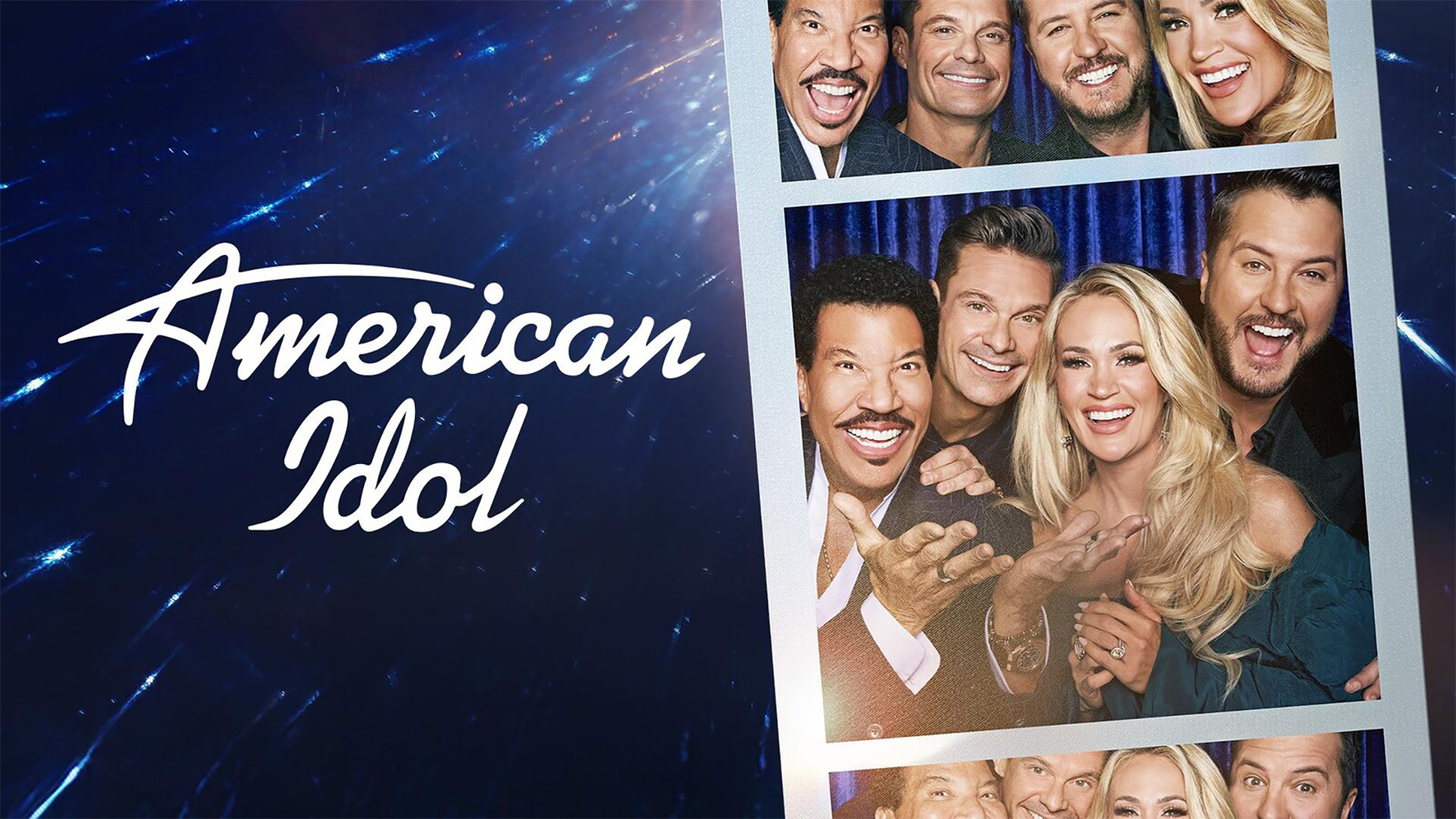
To audition for American Idol during the 2025 season framework, singers had access to nationwide virtual audition hubs via "Idol Across America" along with select physical cities hosting executive producer callbacks and celebrity judges' rounds. Key audition destinations included major entertainment hubs like Nashville, Los Angeles, New York, Atlanta, Dallas, Chicago, and Seattle.
The Evolution of American Idol Auditions: How City Auditions Work
For decades, American Idol relied on massive open-stadium cattle calls in major metropolitan areas across the United States. Thousands of hopeful vocalists would line up before dawn outside arenas in cities like Los Angeles, Atlanta, and Chicago, hoping for a 30-second window in front of preliminary producers.
In recent years—including the landmark 2025 broadcast season (Season 23)—the audition architecture transitioned into a highly effective hybrid model. While the show still features iconic regional cities during the televised celebrity judges' audition rounds, the preliminary screening process relies heavily on Idol Across America. This nationwide digital audition tour allows contenders from all 50 states and Washington, D.C., to perform live via custom online video conference rooms before executive producers.
Understanding the difference between virtual city open calls and filmed judges' audition locations is essential for any singer preparing for upcoming audition cycles:
- Idol Across America (Virtual City/Regional Open Calls): Early-stage auditions organized by geographic regions and major metro stops. Contestants register online for specific city or regional dates to audition live face-to-face with a casting producer via Zoom.
- Producer Callback Rounds: Second-tier virtual or regional meetings where top singers from the initial open calls perform additional songs, submit background interviews, and undergo legal clearance.
- Celebrity Judges' Auditions (In-Person Filming Locations): The signature televised rounds where successful applicants travel to designated host cities to sing in front of the celebrity judge panel—featuring Lionel Richie, Luke Bryan, and Carrie Underwood—to earn a Golden Ticket to Hollywood.
7 Key Audition Cities and Regional Hubs
While "Idol Across America" connects singers digitally, American Idol categorizes its search around seven major metropolitan and regional music hubs. These cities represent both virtual open-call targets and primary filming locations for executive producers and celebrity judges.
- Step 1: Online Video Submission / Idol Across America
- Step 2: Virtual Producer Callback
- Step 3: In-Person Celebrity Judges' Auditions (7 Hubs)
- Golden Ticket -> Hollywood Week
1. Nashville, Tennessee (Music City Hub)
As the country and roots music capital of the world, Nashville remains a cornerstone destination for American Idol. Beyond serving as a dedicated digital audition stop on the Idol Across America tour, Nashville regularly hosts in-person judges' auditions at historic venues such as the Country Music Hall of Fame and local studio soundstages.
Vocalists targeting the Nashville audition path often showcase country, Americana, singer-songwriter, and gospel styles. Because competition in Nashville is dense with trained industry talent, casting producers look for authentic storytelling, distinct vocal timbre, and strong instrument accompaniment (guitar or piano).
2. Los Angeles, California (West Coast Flagship)
Los Angeles serves as the production epicenter for American Idol. In addition to hosting dedicated Southern California virtual open calls, L.A. frequently hosts both preliminary executive producer sessions and televised celebrity judge auditions. Filming locations in the L.A. area range from iconic Hollywood theaters to coastal landmark resorts in nearby Santa Barbara or Ojai.
Contestants auditioning through the Los Angeles portal face a diverse talent pool spanning pop, R&B, rock, and alternative genres. Executive producers in L.A. emphasize complete artist packages, evaluating visual presentation, stage presence, and commercial radio appeal alongside raw vocal talent.
3. New York City / Saratoga Springs, New York (Northeast Hub)
Serving the entire tri-state and broader New England region, the New York hub represents one of the most competitive audition corridors in the country. During the 2025 season cycle, Northeast auditions featured both targeted metropolitan virtual days and physical filming stops in scenic New York destinations like Saratoga Springs.
The New York audition pipeline draws a powerful blend of Broadway-trained vocalists, soulful R&B singers, indie pop artists, and powerhouse rock belts. Performers selecting this hub must demonstrate exceptional vocal control and emotional depth to stand out among top-tier East Coast vocal talent.
4. Atlanta, Georgia & Leesburg (Southeastern / Hometown Hubs)
The American South has produced numerous American Idol champions, making Atlanta a vital regional anchor. Atlanta serves as the primary casting node for Georgia, Alabama, Florida, and the Carolinas. Additionally, production frequently visits judges' hometowns across the region—such as Luke Bryan’s hometown roots in Georgia—to tape regional judge auditions.
Vocalists auditioning through the Southeast hub typically bring strengths in soul, gospel, contemporary country, and Southern rock. Casting producers pay close attention to personal background stories and deep-rooted musical heritage when evaluating applicants from this circuit.
5. Dallas & Austin, Texas (South Central Hub)
Texas consistently delivers high-volume participation for American Idol. The South Central virtual audition block focuses heavily on the Dallas-Fort Worth metroplex and Austin, known as the "Live Music Capital of the World." In-person judges' rounds in Texas have historically utilized boutique hotels, historic theaters, and civic centers across Dallas and Austin.
Auditioning in the Texas circuit exposes singers to a broad cross-section of musical influences, including red-dirt country, blues, Latin pop, and indie rock. Successful contestants from this region often feature bold, confident vocal deliveries and distinctive performance personalities.
6. Chicago, Illinois (Midwest Hub)
Chicago serves as the primary audition center for the entire Midwestern region, capturing talent from Illinois, Wisconsin, Indiana, Michigan, and Minnesota. The city's rich musical legacy in blues, gospel, jazz, and theater makes it a critical stop for talent recruiters.
Producers evaluating Midwestern talent look for strong vocal technique, genre versatility, and genuine relatability. Auditioning through the Chicago virtual call or Midwest producer sessions gives singers from smaller surrounding communities a direct channel to national television exposure.
7. Seattle, Washington (Pacific Northwest Hub)
Representing the Pacific Northwest, Seattle acts as the virtual audition anchor for Washington, Oregon, Idaho, and Northern California. While in-person judges' auditions occasionally rotate through Northwest coastal destinations, the regional open call allows local singers to audition without traveling long distances.
The Seattle hub attracts a high concentration of indie, alternative, folk, and acoustic artists. Contestants choosing this regional lane often excel by performing original songs or delivering unique, reworked arrangements of well-known mainstream hits.
Comparing Audition Channels and Host Locations
The following table breaks down the key characteristics, target genres, and structural formats across the primary regional audition hubs for American Idol.
| Audition Hub / Region | Primary Formats Offered | Key Target Genres | Recommended Preparation Focus |
|---|---|---|---|
| Nashville, TN | Virtual Open Call & In-Person Judges Round | Country, Americana, Folk, Gospel | Authentic storytelling, acoustic arrangement |
| Los Angeles, CA | Virtual Open Call, Executive Sessions & Judges Round | Pop, R&B, Commercial Rock, Dance | Complete artist package, star quality, presence |
| New York, NY / East | Virtual Open Call & In-Person Regional Filming | Musical Theater, R&B, Pop, Soul | Precise vocal control, dynamic range |
| Atlanta, GA / South | Virtual Open Call & Hometown Judges Filming | Soul, Gospel, Country, Southern Rock | Vocal power, rich emotional connection |
| Dallas / Austin, TX | Virtual Open Call & Regional Filming | Country, Blues, Latin Pop, Rock | High energy, confident stage presence |
| Chicago, IL / Midwest | Virtual Open Call & Executive Review | Blues, Gospel, Pop, Indie | Strong fundamentals, genre versatility |
| Seattle, WA / NW | Virtual Open Call & West Coast Screening | Indie, Folk, Alternative, Singer-Songwriter | Original arrangements, unique vocal tone |
Eligibility Criteria and Official Requirements
Before registering for an American Idol audition, candidates must ensure they meet all official eligibility parameters established by the show's production companies (FremantleMedia and 19 Entertainment) and network broadcast partners.
| Critical Eligibility Checklist |
|---|
| [x] Age Requirement: 15 to 28 years old at time of audition |
| [x] Legal Residency: U.S. citizen, permanent resident, or authorized |
| [x] Contracts: No active recording, management, or talent deals |
| [x] Public Office: Cannot be a candidate for public office |
| [x] Background Check: Must pass standard background clearance |
Age Limits
- Minimum Age: Contestants must be at least 15 years old. For the 2025 season, applicants had to reach their 15th birthday by the specified cutoff date in mid-2024.
- Maximum Age: Contestants cannot be older than 28 years old on the designated eligibility cutoff date.
- Minor Documentation: Applicants under 18 years of age must have a parent or legal guardian register on their behalf, attend all virtual or in-person audition sessions, and sign all necessary liability and appearance releases.
Legal Status and Residency
All participants must be legal U.S. residents with valid authorization to work in the United States. Contestants must present verified government-issued identification (such as a passport, driver's license, or birth certificate) during the preliminary producer verification stage.
Contractual Restrictions
Contestants cannot currently be bound by any exclusive recording contract, talent management agreement, publishing deal, or merchandising agreement that would conflict with the show's official recording and management agreements. Applicants who previously signed commercial recording deals must provide legal proof of contractual release prior to attending executive producer callbacks.
Step-by-Step Guide: How to Audition for American Idol
Navigating the modern American Idol audition process requires careful planning, technical preparation, and song selection. Follow these practical steps to optimize your chances during virtual or in-person open calls.
- Step 1: Pre-Register at Auditions.AmericanIdol.com
- Step 2: Prepare 2-3 Dynamic, Unedited Songs
- Step 3: Set Up Lighting, Audio, and Stable Internet
- Step 4: Attend Live Virtual Room Audition with Producer
- Step 5: Complete Follow-up Forms & Video Submissions
Step 1: Online Registration
Visit the official American Idol audition portal (auditions.americanidol.com) to create an applicant profile. Select your preferred virtual city/state date or choose the standard online video submission option. Ensure all personal contact details, minor release forms (if applicable), and social media handles are accurately entered.
Step 2: Song Selection and Arrangement
Prepare three distinct song choices:
- Primary Song: A 60-second excerpt starting immediately with your strongest vocal section (chorus or high-impact verse).
- Backup Song 1: A song in a contrasting tempo or genre to showcase versatility (e.g., an upbeat pop song if your primary choice is a slow ballad).
- Backup Song 2: An iconic, broadly recognizable classic that highlights vocal range and tone.
Performers may sing a cappella, play their own acoustic instrument (guitar or keyboard), or sing along to an instrumental backing track on an external speaker. Ensure backing tracks do not feature prominent lead backing vocals.
Step 3: Technical Environment Setup (For Virtual Auditions)
Virtual "Idol Across America" sessions take place over Zoom. To ensure a professional audition presentation:
- Lighting: Position a key light or bright natural window directly in front of you. Avoid strong backlighting from behind.
- Audio Quality: Perform in a quiet, carpeted room to minimize echo. Avoid using vocal effects, autotune, or heavy reverb pedals.
- Camera Angle: Mount your phone or laptop camera at eye level. Frame yourself from the waist up so producers can observe your physical performance and body language.
- Connection Speed: Connect to high-speed Wi-Fi or use a wired ethernet connection to prevent video buffering or dropped audio calls.
Step 4: The Producer Audition Day
On your scheduled virtual city date, log into the digital waiting room early. When your room queue opens, you will meet directly with a line producer.
- State your name, age, hometown, and chosen song title clearly.
- Deliver your 60-second song selection immediately with high energy.
- Keep your backup songs ready in case the producer asks to hear a second style.
- Be prepared to answer brief personal questions about your life, background, and musical inspirations.
Common Audition Pitfalls to Avoid
Many talented singers fail to advance beyond preliminary producer screenings due to preventable errors. Keep these essential tips in mind:
- Over-Singing or Excessive Vocal Runs: Prioritize pitch control, dynamic range, and authentic tone over endless vocal gymnastics. Producers look for commercial clarity and emotional resonance.
- Poor Lighting or Distracting Backgrounds: Cluttered rooms, dark lighting, or noisy environments detract from your performance and signal a lack of preparation.
- Imitating the Original Artist: Avoid copying the exact vocal quirks, inflection, or phrasing of famous recording artists. Show producers how you interpret the song.
- Neglecting the Intro: Do not spend 20 seconds playing a long instrumental intro on guitar or piano. You typically have under 90 seconds to make an impression—start singing almost immediately.
What Happens After the Initial Audition?
Advancing past the initial open call triggers a multi-stage evaluation process before a contestant ever performs on television:
- Executive Producer Callbacks: If the line producer approves your performance, you will be invited to a second, high-level virtual audition with executive producers and music directors.
- Background and Legal Clearances: Contenders under serious consideration complete comprehensive paperwork, undergo background checks, and verify legal eligibility.
- Judges' Audition Invitation: Approved singers receive travel arrangements to perform live in front of the celebrity judge panel at one of the season's designated filming cities.
- The Golden Ticket: Earning a majority vote ("yes" from at least two out of three judges) awards the singer a Golden Ticket, securing their place at Hollywood Week in Los Angeles.
Frequently Asked Questions
Do I have to live in the specific city listed for a virtual audition date?
No. You do not need to reside in the city assigned to an "Idol Across America" audition slot. The city and state titles organize production schedules and regional spotlights. If you live in Ohio but miss the Midwest audition date, you are allowed to register for an East Coast or West Coast virtual open call.
Is there any fee required to audition for American Idol?
No. Auditioning for American Idol is entirely free. The show's producers and casting agents never charge application fees, registration costs, or audition processing fees. Be cautious of third-party scams requesting payment for guaranteed audition slots.
Can I audition if I perform in a band or musical group?
American Idol is strictly a solo singing competition. While you can accompany yourself on an instrument during your audition, you cannot perform as a group, duet, or band.
What happens if I miss the live virtual city audition dates?
If you miss the live "Idol Across America" virtual open call schedule, you can submit an asynchronous video audition directly through the official audition website throughout the open casting window. Casting producers review submitted video files alongside live virtual call participants.
Can I audition again if I was turned down in a previous season?
Yes. Contestants who did not advance in past seasons are encouraged to re-apply in subsequent years, provided they still meet all age and legal eligibility requirements. Many successful contestants auditioned multiple times before securing a Golden Ticket.
Practical Next Steps for Contenders
If you plan to enter upcoming audition cycles for American Idol:
- Audit Your Repertoire: Select 5 songs across different tempos that best represent your natural vocal range and artistic identity.
- Record Mock Auditions: Practice singing in front of a camera using a smartphone or computer. Review the footage to evaluate your pitch, eye contact, and facial expressions.
- Register Early: Create an account at auditions.americanidol.com as soon as casting announcements open to reserve your preferred virtual time slot.