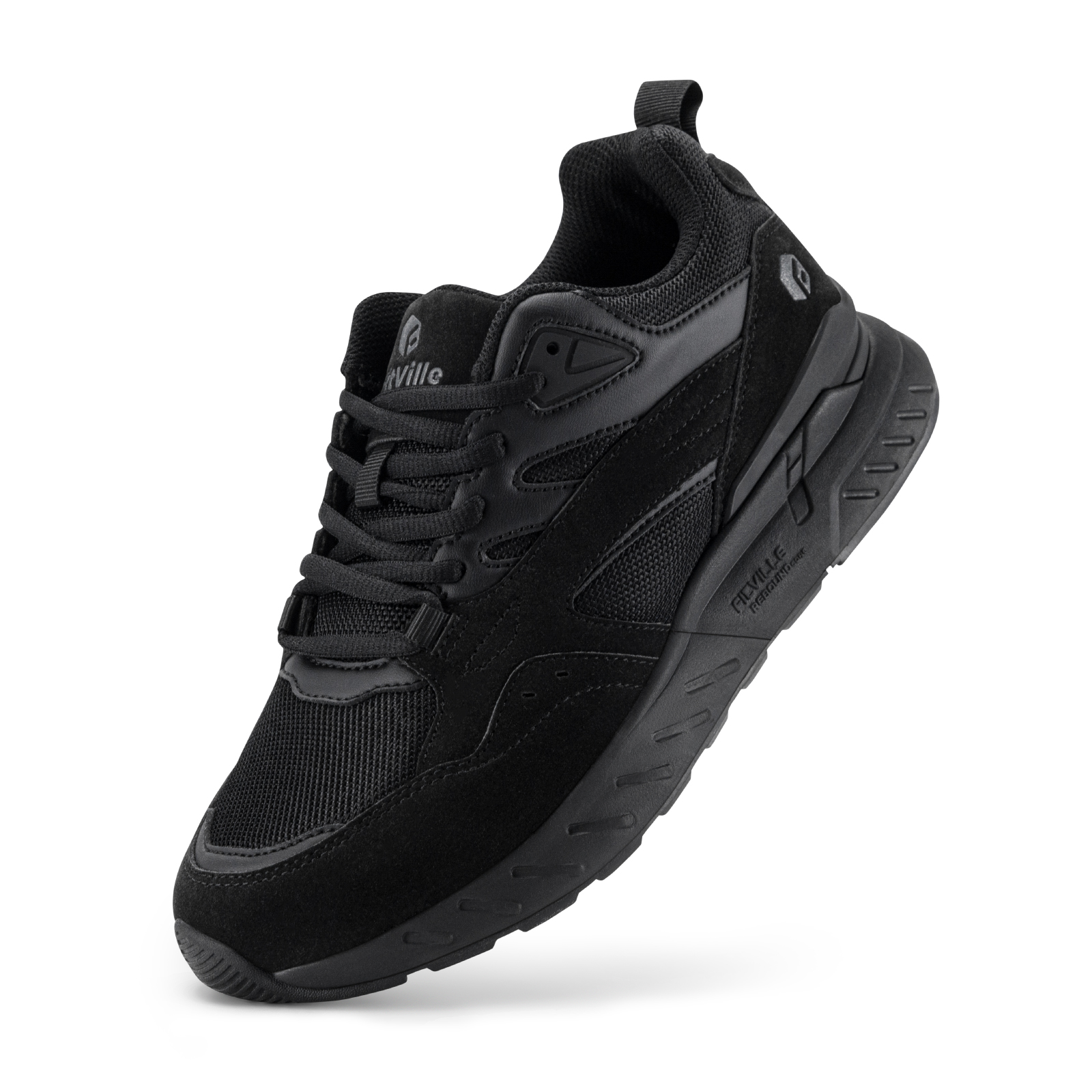
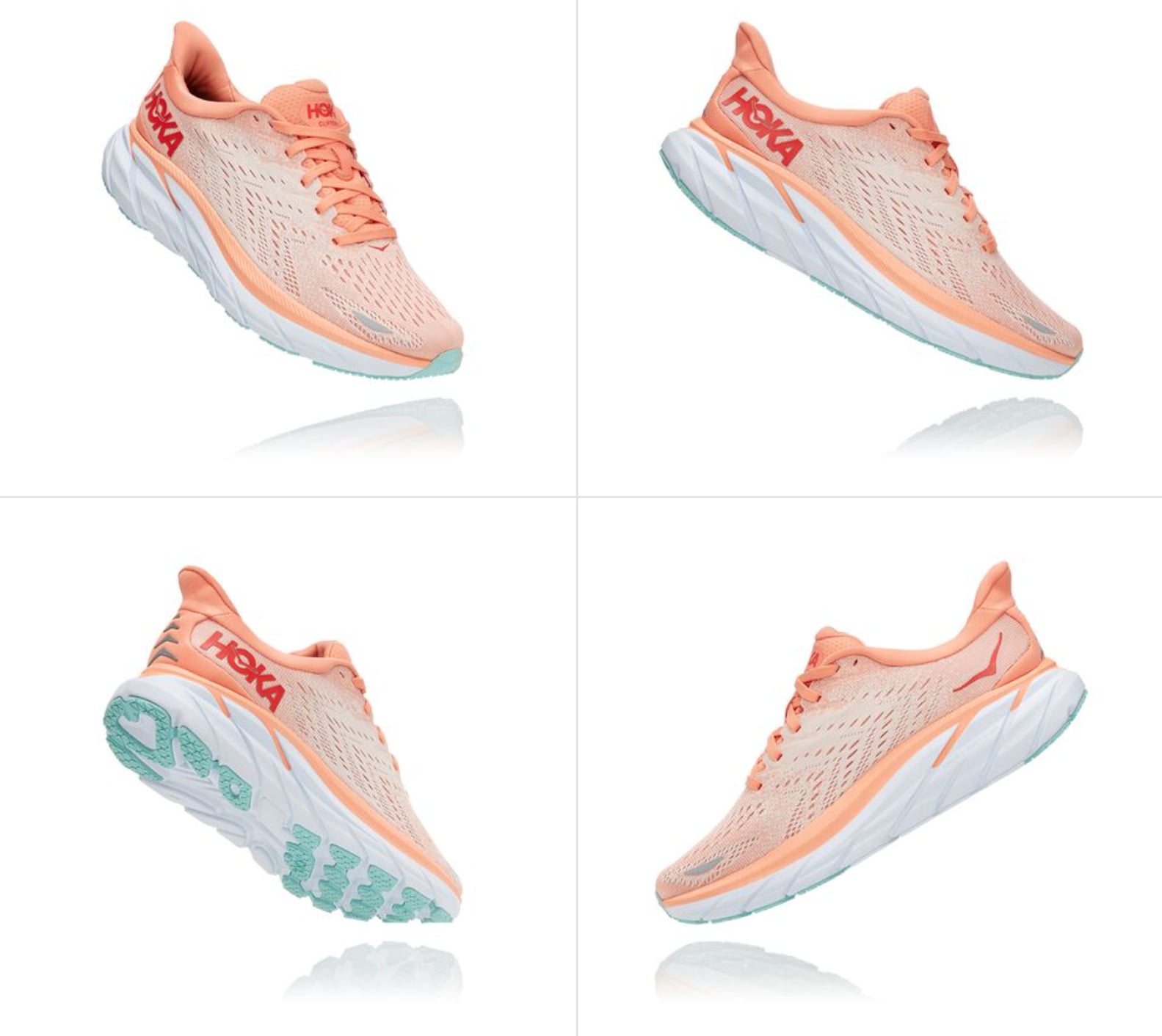
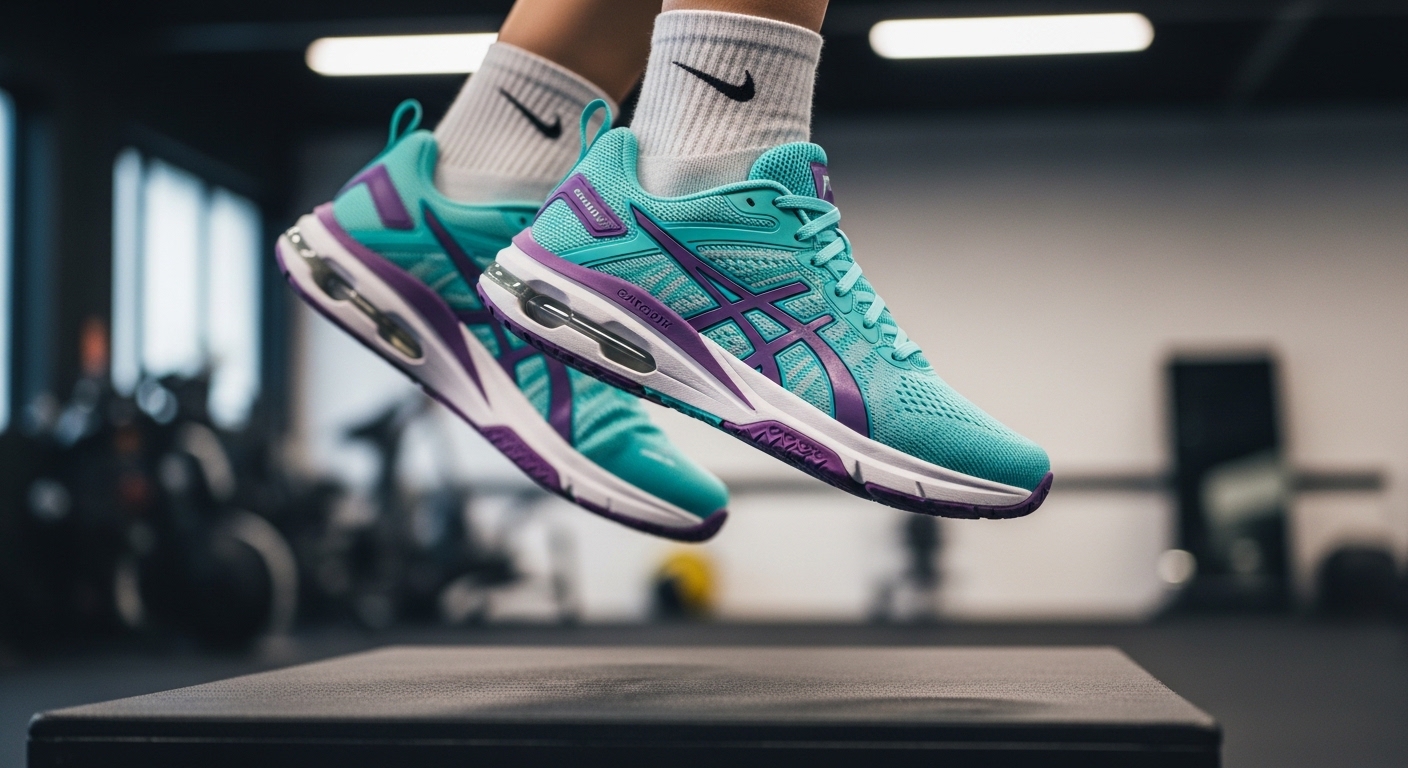
Choosing the right workout sneaker in 2026 requires balancing specialized stability for lifting with the reactive cushioning needed for high-intensity interval training (HIIT). The best workout sneakers for women today—the Nike Metcon 9, Reebok Nano X4, NOBULL Outwork, Adidas Dropset 3, and Puma Fuse 3.0—each cater to specific training modalities, ranging from heavy powerlifting to versatile cross-training.
Selecting the ideal pair involves more than just picking a colorway; it requires understanding your foot mechanics and the specific demands of your programming. A shoe designed for heavy squats will perform poorly on a treadmill, while a plush running shoe can create dangerous instability during lateral lunges. This guide breaks down the technical specifications, performance metrics, and ideal use cases for the top five women's training shoes currently dominating the market.
Understanding Training Footwear vs. Running Shoes
Before comparing specific models, it is essential to distinguish between a "trainer" and a "runner." Running shoes are engineered for linear movement (heel-to-toe). They feature high stack heights, significant cushioning to absorb repetitive impact, and a higher heel-to-toe drop.
In contrast, workout sneakers—often called cross-trainers—are built for multi-directional movement. They provide lateral support to prevent the foot from rolling during side-to-side exercises, a flatter sole for better "ground feel" during lifts, and more durable upper materials to withstand movements like rope climbs or burpees. In 2026, the industry has shifted toward "hybrid" designs that attempt to bridge this gap, but the primary focus of the five shoes listed below remains stability and durability within the gym environment.
1. Nike Metcon 9: The Heavy Lifting Specialist
The Nike Metcon series has long been the gold standard for functional fitness, and the Metcon 9 continues this legacy with a specific focus on structural integrity under load.
Key Design Features
The most notable feature of the Metcon 9 is the enlarged Hyperlift plate in the heel. This plastic insert is designed to be rigid, which helps force weight down and into the floor during squats, cleans, and snatches. Unlike foam-based shoes, the Hyperlift plate does not compress, providing a platform similar to a dedicated weightlifting shoe but with enough flexibility in the forefoot for other movements.
The shoe also features an extended rubber wrap that snakes up the medial and lateral sides. This is not purely aesthetic; it is designed for rope climbs, providing grip and protecting the midsole from friction-induced melting.
Performance Profile
- Stability: Exceptional. The wide, flat heel creates a massive surface area, making it nearly impossible to feel "tippy" during overhead presses.
- Cushioning: Firm. While the dual-density foam provides some comfort, this is not a shoe for long-distance running. It is best suited for sprints under 400 meters.
- Durability: High. The reinforced mesh upper (haptic print) resists abrasions from barbell contact and floor work.
2. Reebok Nano X4: The All-Rounder
If the Metcon 9 is a specialist, the Reebok Nano X4 is the generalist. Historically, the Nano has competed directly with the Metcon, but the X4 iteration leans further into versatility, making it arguably the best "one-shoe-for-everything" option on the list.
The L.A.R. (Lift and Run) Chassis
Reebok’s proprietary Lift and Run (L.A.R) Chassis system is the centerpiece of the X4. It utilizes a dome-shaped heel piece that compresses under heavy loads to provide stability but remains responsive during cardiovascular efforts. This allows the user to transition from a heavy set of deadlifts to a 1-mile run without the clunky, "slapping" sensation common in stiffer trainers.
Breathability and Fit
The Nano X4 features a redesigned Flexweave upper that is lighter and more breathable than its predecessor, the X3. The "bootie" construction provides a snug fit around the ankle, reducing heel slippage during explosive plyometric movements like box jumps.
Performance Profile
- Stability: Moderate-to-High. While slightly more compressed than the Metcon, it remains very stable for 90% of gym-goers.
- Cushioning: Balanced. The Floatride Energy foam in the forefoot provides enough bounce for HIIT and short runs.
- Durability: High. The outsole rubber is incredibly tacky, providing excellent grip on wooden lifting platforms and rubber gym mats alike.
3. NOBULL Outwork: Minimalist Durability
The NOBULL Outwork (formerly known simply as the NOBULL Trainer) has maintained a cult-like following due to its "no-nonsense" design. While other brands add plastic plates and complex foam geometries, NOBULL relies on a flat, consistent platform and nearly indestructible materials.
SuperFabric® Technology
The defining characteristic of the Outwork is the SuperFabric® upper. This material is infused with tiny armored plates, making it resistant to scratches, tears, and environmental wear. It is perhaps the most durable upper in the fitness industry, often lasting through years of daily abuse.
Ground Feel and Geometry
The Outwork features a 4mm heel-to-toe drop, which is lower than the Nike or Reebok models. This puts the foot in a more "neutral" position, which many athletes prefer for balance-heavy movements like lunges or single-leg deadlifts. The lack of significant cushioning ensures maximum ground feel, allowing the wearer to feel exactly where their weight is distributed through the foot.
Performance Profile
- Stability: Solid and consistent. There are no moving parts or plates to fail.
- Cushioning: Minimal. This shoe is firm. If you have joint issues or prefer a soft ride, the Outwork may feel too "harsh" for high-impact plyometrics.
- Durability: Industry-leading. The seamless upper and high-carbon outsole are built for longevity.
4. Adidas Dropset 3: The Strength Training Dark Horse
Adidas has significantly invested in its strength category, and the Dropset 3 is the result of biomechanical research into how women move during resistance training.
Dual-Density Midsole
The Dropset 3 employs a dual-density midsole strategy. The heel consists of a firmer EVA (Ethylene Vinyl Acetate) foam to support heavy loads, while the forefoot uses a softer density foam to allow for natural toe splay and comfort during lunges. This "split" personality makes it an excellent choice for "Bodypump" style classes or traditional bodybuilding splits.
Integrated Airflow
One unique feature of the Dropset 3 is the integrated airflow window in the sole. Many workout shoes become "swampy" during high-intensity sessions; the Dropset 3 attempts to mitigate this by allowing heat to escape through the bottom of the shoe, paired with a highly ventilated mesh upper.
Performance Profile
- Stability: High in the heel, flexible in the toes.
- Cushioning: Moderate. It feels more "natural" underfoot than the rigid Nike Metcon.
- Durability: Moderate. While well-constructed, the mesh is not quite as "bulletproof" as the NOBULL SuperFabric.
5. Puma Fuse 3.0: High Performance at a Better Value
The Puma Fuse 3.0 has emerged as a top-tier contender that often carries a lower price tag than its Nike or Reebok counterparts without sacrificing technical features.
PUMAGRIP and Geometric Last
The PUMAGRIP rubber compound used on the outsole is widely considered one of the best in the industry for traction. Whether on a wet gym floor or a dusty turf, the Fuse 3.0 provides exceptional bite. The shoe is built on a "wider last," meaning the toe box is naturally roomier. This is a critical feature for women who find Nike or Adidas models too narrow, as it allows the toes to spread and provide a natural base of support.
Internal Shock Absorption
Unlike the external plates used by competitors, the Fuse 3.0 uses an internal midsole design that sits lower to the ground. This lowers the wearer's center of gravity, which is inherently stabilizing for movements like kettlebell swings and thrusters.
Performance Profile
- Stability: Very High. The low-profile design minimizes "power leak" during heavy lifts.
- Cushioning: Low-to-Moderate. Designed for energy return rather than plushness.
- Durability: High. Reinforced "wrap-ups" on the sides protect against abrasion.
Technical Comparison Table
The following table compares the primary technical specifications of the five models based on 2026 market standards.
| Feature | Nike Metcon 9 | Reebok Nano X4 | NOBULL Outwork | Adidas Dropset 3 | Puma Fuse 3.0 |
|---|---|---|---|---|---|
| Heel-to-Toe Drop | 4mm | 7mm | 4mm | 6mm | 4mm |
| Primary Use | Heavy Lifting/CrossFit | Versatile Training/HIIT | Durability/Lifting | Strength/Bodybuilding | Versatility/Traction |
| Weight (Approx.) | 12.5 oz | 11.8 oz | 10.5 oz | 11.2 oz | 11.5 oz |
| Cushioning Type | Dual-Density Firm | Floatride Energy | Minimal EVA | Dual-Density | Internal FuseFoam |
| Best For | Power/Stability | Running/Lifting Mix | Minimalist Feel | Comfort/Stability | Wide Feet/Value |
| Typical Price | $150 - $160 | $140 - $150 | $130 - $145 | $130 - $140 | $110 - $125 |
Common Mistakes When Buying Workout Sneakers
Choosing the "best" shoe often comes down to avoiding common pitfalls that lead to injury or premature wear.
Using Running Shoes for Lifting
This is the most frequent error. Running shoes are designed to compress to save your joints. However, if you are holding 100+ lbs of weight, that compression becomes instability. This can lead to ankle rolls or improper knee tracking. Always look for a shoe with a "flat" or "stable" description if you plan on lifting weights.
Ignoring the Toe Box
During a heavy lift or a lateral jump, your toes naturally splay (spread out) to create balance. If your workout sneakers are too narrow in the "toe box," your foot cannot stabilize itself, forcing your ankles and knees to compensate. If you have wider feet, the Puma Fuse 3.0 or Reebok Nano X4 are generally more accommodating than Nike models.
Overlooking the "Drop"
The "drop" refers to the height difference between the heel and the toe. A higher drop (7mm+) can be helpful for those with poor ankle mobility, as it effectively "pre-shifts" your weight forward, making it easier to reach depth in a squat. A lower drop (4mm) is preferred by "purists" who want a more barefoot-like, neutral stance.
Frequently Asked Questions
How often should I replace my workout sneakers?
In a typical training environment (3–5 days per week), workout sneakers should be replaced every 8 to 12 months. Unlike running shoes, which are measured in miles (usually 300–500), trainers are measured by the degradation of their lateral support and midsole density. If you notice the "sidewalls" of the shoe bulging or feel your foot sliding inside the shoe during lateral movements, the structural integrity is likely compromised.
Can I run in these shoes?
While you can run in them, these shoes are not designed for distance. The Nike Metcon and NOBULL Outwork are particularly stiff and may cause discomfort on runs longer than 1 mile. The Reebok Nano X4 is the most "run-friendly" of the group, suitable for 1–3 mile jogs or treadmill intervals.
Do I need different shoes for HIIT and Powerlifting?
If you are a recreational trainee, a versatile shoe like the Reebok Nano X4 or Puma Fuse 3.0 will handle both. However, if you are specifically focused on competitive powerlifting, you may eventually want a dedicated weightlifting shoe (with a wooden or hard plastic heel). For most women doing a mix of weights and cardio, the cross-trainers listed here provide the best middle ground.
Should I wear socks with high compression or cushioning?
For these five models, a "mid-weight" athletic sock is usually best. Because trainers are built to be snug for stability, overly thick socks can make the shoes feel too tight and restrict blood flow. Look for moisture-wicking synthetic blends to prevent blisters during high-repetition movements like burpees.
Final Recommendation: Which One is Right for You?
The "best" workout sneaker is the one that aligns with your specific training style:
- For the CrossFit enthusiast or heavy lifter: The Nike Metcon 9 remains the undisputed leader in stability. Its rigid heel and rope-climb protection are unmatched for functional fitness.
- For the class-goer and "everything" athlete: The Reebok Nano X4 is the superior choice. Its ability to transition from the treadmill to the squat rack makes it the most practical daily driver.
- For the minimalist who wants a shoe to last years: The NOBULL Outwork is the winner. The SuperFabric upper is virtually indestructible and the flat sole provides excellent feedback from the floor.
- For those focused on comfort and strength: The Adidas Dropset 3 offers a more "traditional" sneaker feel with advanced dual-density support.
- For the budget-conscious athlete with wider feet: The Puma Fuse 3.0 provides 95% of the performance of the top brands at a significantly more accessible price point.
Before purchasing, ensure you measure your foot late in the afternoon, as feet tend to swell throughout the day and during exercise. A thumb's width of space between your longest toe and the end of the shoe is the standard for a perfect fit.