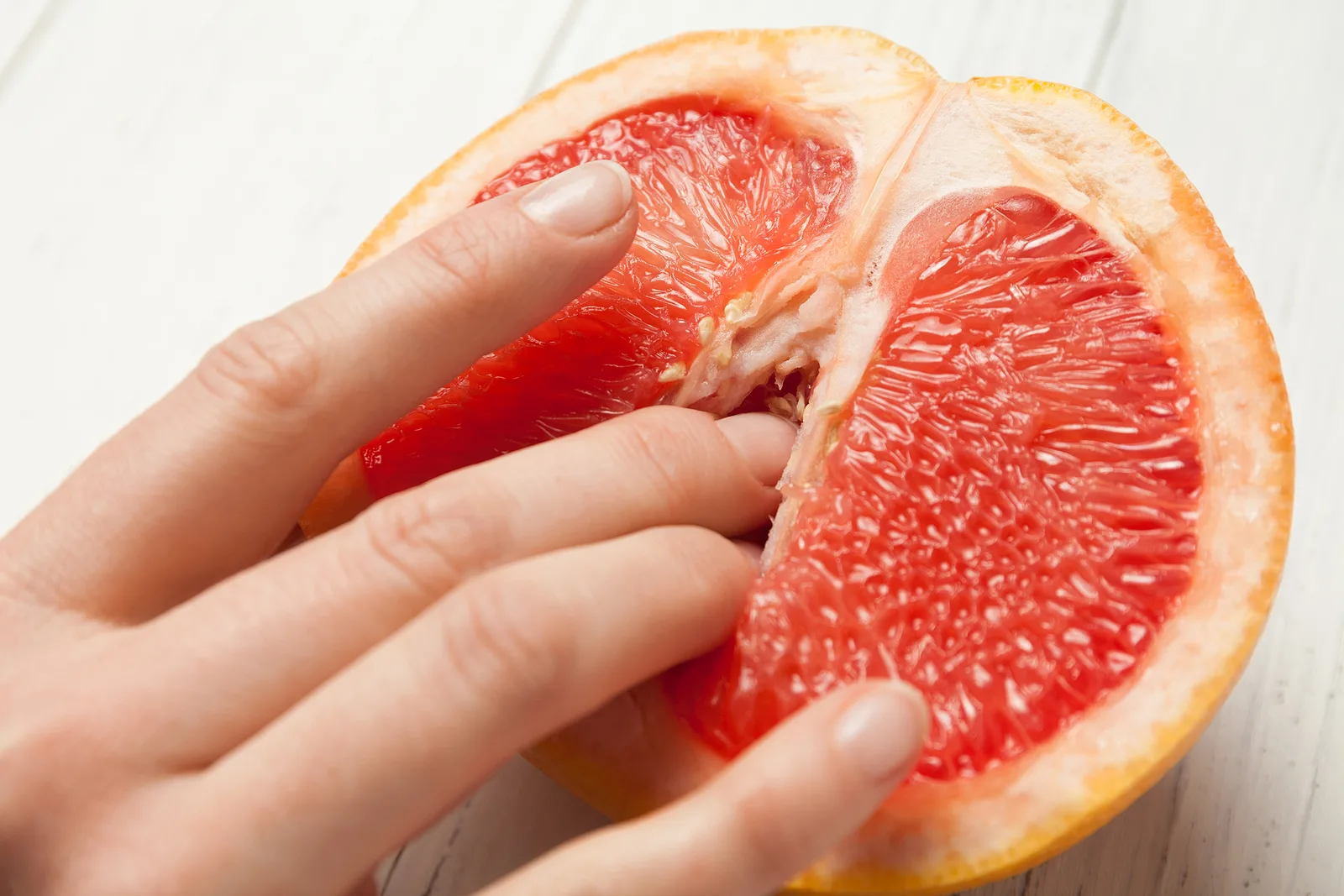
Understanding anatomical responses and applying specialized techniques can significantly enhance sexual wellness, helping individuals explore pleasure, relieve stress, and better communicate personal preferences.
The exploration of female masturbation involves navigating a diverse landscape of anatomy, personal preferences, and mechanical or manual methods designed to stimulate erogenous zones. While cultural taboos have historically limited open discussions regarding female sexual autonomy, contemporary sexology emphasizes that self-exploration is a normal, healthy component of overall well-being. Examining specific approaches allows individuals to identify what resonates with their unique nervous system and physiological architecture.
Evaluating masturbation methods requires an understanding of both internal and external anatomy, particularly the clitoris, which extends far beyond the visible external glans. This review breaks down five distinct techniques, detailing how they work, the physical sensations they produce, and practical considerations for trying them safely and comfortably.
Anatomy and Foundations of Female Sexual Response
Before evaluating specific techniques, it is essential to understand the primary structures involved in female sexual pleasure. The clitoris is not merely the small button visible externally; it is an extensive network of erectile tissue that wraps around the vaginal canal. According to anatomical studies, the internal crura and bulbs swell with blood during arousal, meaning that external stimulation often triggers internal physiological responses.
Additionally, the vaginal walls, the perineum, and the G-spot (an area of heightened sensitivity on the anterior vaginal wall) contribute uniquely to arousal. Recognizing that every body responds differently is vital. A technique that feels intensely pleasurable for one person may cause discomfort or sensory overload for another. Establishing a comfortable environment, utilizing adequate lubrication when necessary, and maintaining a patient mindset are foundational prerequisites for effective self-exploration.
1. Direct External Clitoral Stimulation
Direct external clitoral stimulation focuses on the glans of the clitoris using fingers, hands, or specialized tools. This is often the most straightforward and universally recognized method for achieving orgasm, as the clitoris contains thousands of sensory nerve endings.
Technique and Mechanics
The user applies light to moderate rhythmic pressure or circular motions directly to the external clitoral hood or exposed glans. Because this area is exceptionally sensitive, starting with a gentle touch and adjusting pressure based on real-time feedback is crucial. Many individuals prefer using a water-based lubricant to reduce friction and prevent chafing during extended sessions.
Pros and Cons
- Pros: Highly reliable for triggering orgasmic responses quickly; easy to learn and execute manually; highly adaptable for use with vibrators.
- Cons: Can become overly sensitive or painful if direct friction is too intense or prolonged; may not provide the deep, dull ache associated with internal arousal.
2. Indirect and Layered Stimulation
Indirect stimulation involves applying pressure near or around the clitoral area rather than directly on the most sensitive spot, often incorporating overlapping movements to build arousal gradually.
Technique and Mechanics
Instead of focusing solely on the clitoral glans, this method involves stroking the labia, pressing the pubic bone gently, or using a "rocking" motion with the flat of the fingers or the palm. This technique allows the nervous system to process sensation without becoming overwhelmed. Layering might also involve combining manual stroking of the outer labia while introducing slow internal penetration.
Pros and Cons
- Pros: Ideal for individuals who experience hypersensitivity with direct touch; builds a slow, rolling wave of arousal that can result in more intense orgasms.
- Cons: Requires more patience and time to achieve peak arousal; less effective for those who require intense, targeted friction.
3. Targeted Internal Vaginal Massage
Targeted internal stimulation focuses on the walls of the vaginal canal, particularly the anterior wall where the urethral sponge and internal structures of the clitoris reside.
Technique and Mechanics
Using clean fingers or a curved internal vibrator, the user inserts the digit or device palm-up and curves it upward in a "come hither" motion. Exploring the anterior wall reveals a textured area that feels distinct from the surrounding tissue. Gentle, rhythmic pressure applied here can stimulate the localized nerve endings and blood vessels.
Pros and Cons
- Pros: Produces a deeper, more internal sensation; often leads to blended orgasms when combined with external stimulation.
- Cons: Requires careful attention to hygiene and nail length; may be uncomfortable if natural lubrication is insufficient.
4. Rhythmic Perineal and Dual-Action Pressures
Perineal stimulation targets the area between the vaginal opening and the anus, known as the perineum, which is densely packed with nerve endings connected to the pelvic floor.
Technique and Mechanics
This technique involves applying steady pressure or gentle tapping to the perineum while simultaneously stimulating the clitoris or engaging in internal penetration. The dual-action approach engages multiple erogenous zones at once, activating the pelvic floor muscles and increasing overall blood flow to the pelvic region.
Pros and Cons
- Pros: Engages often-overlooked nerve pathways; enhances pelvic floor awareness and muscle control.
- Cons: Requires awkward positioning for manual execution; can be difficult to coordinate without practice.
5. Air-Compression and Non-Contact Technology
Non-contact air-compression technology represents a modern evolution in masturbation techniques, utilizing sonic waves or pulsating air pressure to stimulate the clitoris without direct friction.
Technique and Mechanics
Specialized devices enclose the clitoral glans in a soft nozzle and use pressure waves to stimulate both the external structure and the internal network of the clitoris. Because there is no mechanical rubbing against the skin, users can experience prolonged sessions without physical irritation.
Pros and Cons
- Pros: Eliminates friction-based numbness or pain; offers wide intensity ranges from gentle pulses to powerful waves.
- Cons: Requires purchasing specialized hardware; devices can be costly and require cleaning and maintenance.
Comparison of Masturbation Techniques
| Technique Name | Primary Focus Area | Intensity Level | Best Suited For | Key Consideration |
|---|---|---|---|---|
| Direct External | Clitoral Glans | High | Quick arousal and reliable orgasms | Use lubrication to avoid friction burn |
| Indirect / Layered | Labia & Surrounding Tissue | Moderate | Avoiding hypersensitivity | Requires patience and time |
| Internal Vaginal | Anterior Wall / G-Spot | Moderate to Deep | Internal sensation seekers | Ensure proper hygiene and nails |
| Perineal / Dual-Action | Perineum & Pelvic Floor | Variable | Multi-zone stimulation | Requires coordination |
| Air-Compression | Clitoral Network | Variable to High | Friction-sensitive individuals | Requires specialized device |
Common Mistakes and Troubleshooting
Exploring these techniques can sometimes lead to minor challenges, especially for beginners. Avoiding common pitfalls ensures a comfortable and rewarding experience.
- Neglecting Lubrication: Relying solely on natural arousal can lead to friction and discomfort during extended sessions. Always keep a quality, body-safe lubricant accessible.
- Applying Excessive Pressure: The clitoris and surrounding tissues are delicate. Pushing too hard or moving too fast can numb the area or cause bruising. Always start slow and increase intensity gradually.
- Ignoring Tension: Pelvic floor tightness can inhibit orgasmic response. Incorporating deep breathing exercises helps relax the body and enhance sensory reception.
Frequently Asked Questions
How do I know which technique is right for my body?
Experimentation is key, as every individual's nervous system responds differently. Start with gentle external or indirect methods to map out what feels comfortable before exploring internal or device-assisted options.
Is it normal to need different techniques at different times?
Yes. Factors such as hormonal fluctuations, stress levels, fatigue, and emotional state can significantly alter how your body responds to touch from day to day.
Can I combine multiple techniques during a single session?
Combining techniques—such as pairing indirect clitoral touch with internal vaginal stimulation—often enhances overall arousal and can lead to stronger or blended orgasmic experiences.
What should I do if a technique causes physical discomfort?
Stop immediately. Discomfort or pain indicates that the pressure is too high, lubrication is insufficient, or the specific method does not align with your current anatomical sensitivity.
How can I maintain hygiene when exploring internal techniques?
Always wash your hands thoroughly with mild soap and warm water before touching sensitive areas or inserting fingers. If using toys, clean them according to the manufacturer's instructions using appropriate cleansers.
Practical Next Actions
Begin your self-exploration journey by setting aside dedicated, uninterrupted time in a comfortable, private environment where you feel relaxed. Start by exploring indirect external touch or using a small amount of water-based lubricant to test different pressures and motions. Pay close attention to how your body responds without placing pressure on achieving a specific outcome. Keep a journal if helpful, noting which techniques, rhythms, or tools provide the most comfort and pleasure, allowing you to refine your personal routine over time.