Navigating the internet service provider landscape in New York City requires balancing raw fiber speed, network reliability, neighborhood infrastructure limitations, and long-term costs. The top four internet service providers in NYC for speed and reliability are Verizon Fios, Spectrum, Astound Broadband (formerly RCN), and T-Mobile Home Internet, each offering distinct connectivity solutions tailored to the unique urban architecture of the five boroughs.
Choosing the right Internet Service Provider (ISP) in New York City is a high-stakes decision driven by the city's unique architectural density, aging legacy wiring, and heavy digital demand. Whether you are running a remote trading desk from a Financial District high-rise, streaming 4K video in a Brooklyn brownstone, or managing a multi-family household in Queens, raw bandwidth alone does not guarantee a seamless online experience. Speed metrics must be paired with consistent network reliability, symmetrical upload-to-download ratios, and minimal packet loss.
Understanding the ISP landscape requires looking beyond generic marketing claims to examine the actual infrastructure deployed across Manhattan, Brooklyn, Queens, the Bronx, and Staten Island. While some providers rely on modern, glass-fiber architectures that deliver identical upload and download speeds, others utilize hybrid fiber-coaxial cables or fixed wireless signals. This guide breaks down the four best ISPs in New York City for speed and reliability, evaluating their underlying technology, real-world performance, availability constraints, and overall value to help you make an informed infrastructure decision for your home or office.
Understanding NYC’s Unique Internet Infrastructure
Internet delivery in New York City is heavily shaped by geography, building age, and historical franchise agreements. Unlike suburban markets where utility poles run cleanly down every street, NYC features a complex subterranean web of conduits, manholes, and older electrical layouts.
Furthermore, apartment buildings (multi-dwelling units or MDUs) often operate under exclusive marketing or wiring agreements between building management companies and specific ISPs. This means that even if a provider services your zip code, your specific building may not have the physical wiring required to support their connection type.
When evaluating ISPs for speed and reliability, you must understand the distinction between three primary connection types operating in the city:
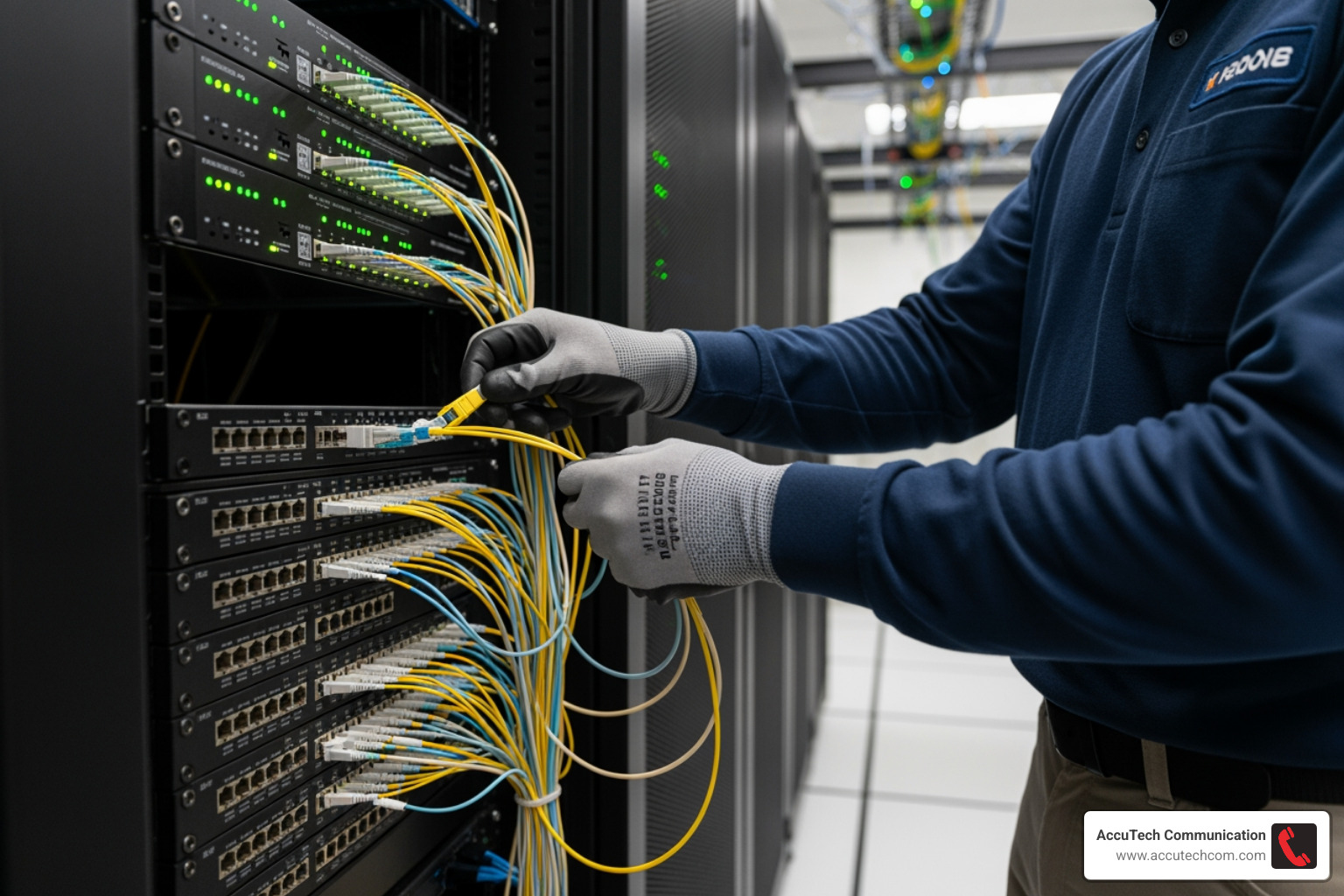
- Fiber-to-the-Home (FTTH): The gold standard of connectivity. Fiber uses pulses of light passing through glass strands to transmit data. It offers symmetrical speeds (e.g., 500 Mbps down and 500 Mbps up), virtually zero latency, and immunity to electrical interference.
- Cable (Hybrid Fiber-Coaxial): Uses a mix of fiber-optic cables for the long haul and traditional coaxial cables for the final delivery into your apartment. While download speeds are typically very fast, upload speeds are usually significantly lower (asymmetrical), and network congestion can occur during peak evening hours when neighbors share the local node.
- 5G Fixed Wireless: An emerging alternative that uses cellular towers to beam high-speed internet directly to a gateway device inside your home. While installation is effortless, performance can fluctuate based on your line of sight to the cell tower and local cellular traffic.
1. Verizon Fios: The Undisputed Leader in Speed and Fiber Reliability
For residents fortunate enough to live in a building wired for its network, Verizon Fios is universally recognized as the top choice for speed and reliability in New York City. Unlike legacy cable providers, Fios is a 100% fiber-optic network that delivers light-based data transmission directly to a terminal inside your home or apartment.
Performance and Symmetrical Speeds
The primary technical advantage of Verizon Fios is its symmetrical bandwidth. If you subscribe to a 300 Mbps, 500 Mbps, or 1Gig plan, your upload speeds match your download speeds exactly. This is critical for remote workers who frequently upload massive video files, participate in high-definition video conferences, or back up data to cloud servers.
Reliability and Latency
Because fiber optic cables are not susceptible to electrical interference, water damage in underground vaults, or the signal degradation that affects copper wires over long distances, Fios boasts exceptional uptime. Latency (ping) is typically kept to single digits, making it the premier choice for online competitive gaming, real-time financial trading, and VoIP phone systems.
Availability and Considerations
- Pros: Symmetrical gigabit speeds, zero data caps, excellent reliability, and no required annual contracts.
- Cons: Availability is not universal across all NYC neighborhoods or older apartment buildings due to historical deployment roadblocks.
- Best For: Power users, remote professionals, households with multiple concurrent 4K streamers, and anyone prioritizing maximum upload capability and uptime.
2. Spectrum: Widespread Cable Coverage and High Download Speeds
As the legacy cable provider covering the vast majority of Manhattan and large swaths of the outer boroughs, Spectrum (operated by Charter Communications) is the default internet provider for millions of New Yorkers. While it uses a hybrid fiber-coaxial network rather than pure end-to-end fiber, Spectrum remains a powerhouse for sheer download capacity.
Download Performance vs. Upload Limits
Spectrum offers robust download tiers ranging from 300 Mbps up to 1 Gbps (and multi-gigabit options in select upgraded neighborhoods). These download speeds easily handle heavy streaming, large game downloads, and household browsing. However, like most cable providers, Spectrum's network is asymmetrical. Upload speeds typically lag far behind, maxing out between 10 Mbps and 35 Mbps on standard plans, though high-split network upgrades are gradually rolling out to improve upload parity.
Network Stability and Infrastructure
Spectrum’s network relies heavily on the coaxial cables running through the walls of older NYC buildings. While generally stable, cable networks are prone to neighborhood-level congestion. During peak evening hours—typically between 7:00 PM and 11:00 PM when local residents are streaming and gaming simultaneously—some users experience minor latency spikes or temporary bandwidth throttling.
Availability and Considerations
- Pros: Ubiquitous availability across most of NYC, fast download speeds, and frequent promotional bundle pricing.
- Cons: Asymmetrical upload speeds, potential peak-hour congestion, and regular price increases once promotional periods expire.
- Best For: Households where downloading content, streaming, and general web browsing take precedence over heavy file uploading or remote server hosting.
3. Astound Broadband (RCN): The Value-Driven Fiber and Cable Alternative
Where available, Astound Broadband (which absorbed RCN) has built a stellar reputation among New Yorkers as a high-performance alternative to the major telecom duopolies. Astound delivers both high-speed cable internet and, in newer developments, direct fiber-optic connections.
Competitive Pricing and Transparent Billing
One of the primary friction points with NYC internet service is the tendency for bills to creep upward after the first twelve months. Astound is widely praised for offering predictable pricing models without long-term contracts, making it a favorite for renters who move frequently or budget-conscious households that refuse to pay hidden gateway rental fees.
Performance and Customer Satisfaction
Astound’s network architecture provides consistent speeds that rival or exceed Spectrum in overlapping service areas. Because their customer base is more localized, their technical support infrastructure often avoids the notorious wait times associated with nationwide providers. Packet loss is kept minimal, and their fiber tiers offer the same low latency and high reliability as Verizon Fios.
Availability and Considerations
- Pros: Excellent customer service ratings, no mandatory contracts, competitive pricing, and reliable connection speeds.
- Cons: Highly localized footprint, restricted mostly to parts of Manhattan, Queens, and select Brooklyn neighborhoods.
- Best For: Residents living within its specific coverage zones who want a reliable, competitively priced alternative to Spectrum or Verizon.
4. T-Mobile Home Internet: The Flexible Wireless Contender
For users struggling with poor wired infrastructure or those seeking an alternative to traditional line-based contracts, T-Mobile Home Internet utilizes the carrier's robust 5G cellular network to deliver home broadband. While fixed wireless operates differently than fiber or cable, it has proven to be a surprisingly capable option for many NYC households.
5G Technology and Ease of Setup
T-Mobile Home Internet requires no technician visit, no drilling through apartment walls, and no complex wiring. You simply plug the compact gateway router into an electrical outlet near a window with a strong signal, and the device connects directly to local 5G cell towers. Download speeds typically range from 70 Mbps to over 240 Mbps depending on your proximity to a macro tower and local network congestion.
Real-World Reliability in an Urban Jungle
Dense urban environments like New York City present unique challenges for wireless signals, including interference from massive concrete high-rises and thick brick walls. However, T-Mobile's dense deployment of mid-band (Ultra Capacity) 5G towers across the city helps mitigate these barriers. While it cannot match the absolute zero-latency perfection of a dedicated fiber line, it provides stable, reliable connectivity for everyday web browsing, remote work, and streaming.
Availability and Considerations
- Pros: Extremely simple plug-and-play setup, no data caps, no equipment rental fees, and flat-rate transparent pricing.
- Cons: Speeds can fluctuate based on cellular traffic and weather conditions; availability is capacity-controlled by neighborhood.
- Best For: Budget-conscious renters, students, residents in buildings lacking wired options, and users who value contract-free flexibility.
Comprehensive ISP Comparison Matrix
To help you compare the primary technical specifications, connection types, and ideal use cases for each provider, refer to the matrix below:
| Provider Name | Primary Connection Type | Max Download Speed | Max Upload Speed | Contract Required? | Best Suited For |
|---|---|---|---|---|---|
| Verizon Fios | 100% Fiber-Optic | Up to 940+ Mbps | Up to 880+ Mbps | No | Power users, remote workers, zero latency needs |
| Spectrum | Cable (HFC) | Up to 1,000 Mbps | Up to 35 Mbps | No | Heavy downloading, streaming, general households |
| Astound Broadband | Fiber & Cable (HFC) | Up to 1,000+ Mbps | Variable (Symmetrical on Fiber) | No | Value seekers within localized coverage zones |
| T-Mobile Home Internet | 5G Fixed Wireless | Up to 240+ Mbps | Up to 30+ Mbps | No | Flexible setup, contract-free urban renters |
Key Factors to Evaluate Before Choosing Your NYC ISP
Selecting an internet provider in New York City involves evaluating several variables that go beyond headline speed numbers:
- Building Wiring Compliance: Never assume an ISP can service your apartment just because they service your block. Contact the provider or check your landlord’s telecom registry to confirm whether your specific unit has an active ONT (Optical Network Terminal) for fiber or standard coaxial wall drops.
- Data Caps and Throttling: Fortunately, none of the top four providers listed here enforce strict monthly data caps on their standard residential plans, allowing for heavy streaming and large file transfers without penalty.
- Equipment Costs: Factor in whether the provider charges mandatory monthly gateway or router rental fees. Verizon Fios and T-Mobile generally include or discount equipment, whereas cable providers often charge separate modem and Wi-Fi router fees unless you purchase your own compatible hardware.
- Customer Support Accessibility: Dealing with telecom customer service can be frustrating. Look for providers that offer localized support, transparent outage maps, and responsive digital communication channels.
Frequently Asked Questions
Which ISP has the fastest internet in New York City?
Verizon Fios offers the fastest and most consistent performance in NYC due to its 100% fiber-optic network. It delivers symmetrical gigabit speeds, meaning your upload speeds are just as fast as your download speeds, which is a performance level traditional cable networks cannot match.
Is fiber internet available in every NYC apartment building?
No. While fiber availability has expanded significantly across the five boroughs, many older pre-war apartment buildings and walk-ups lack the internal vertical conduits required to run fiber-optic lines to individual units. In these buildings, residents are often limited to cable providers like Spectrum or wireless options like T-Mobile.
Do I need to rent a router from my internet service provider?
It depends on the provider. T-Mobile includes their gateway device at no extra monthly cost. Verizon Fios includes a router on their highest plans or charges a small monthly fee, though you can also use your own compatible third-party mesh router system. Cable providers frequently charge equipment rental fees unless you supply your own approved modem and router.
How do I check which internet providers service my exact NYC address?
You can check availability by visiting the official websites of Verizon, Spectrum, Astound, and T-Mobile and entering your specific street address and apartment number. Alternatively, independent broadband aggregation tools and the FCC National Broadband Map can provide a neutral overview of providers wired to your building.
Conclusion and Next Action
Securing the best internet service in New York City comes down to matching your digital lifestyle with the physical infrastructure available at your specific address. If fiber-optic wiring is installed in your building, Verizon Fios provides the superior combination of speed, symmetry, and reliability. If you live in an area dominated by legacy cable infrastructure, Spectrum offers reliable, high-speed downloading for everyday use, while Astound Broadband and T-Mobile Home Internet serve as excellent alternative solutions depending on your neighborhood and budget.
Your immediate next step is to verify provider availability directly with your building management or through the providers' online address lookup tools to determine whether fiber or cable lines are currently active in your apartment.