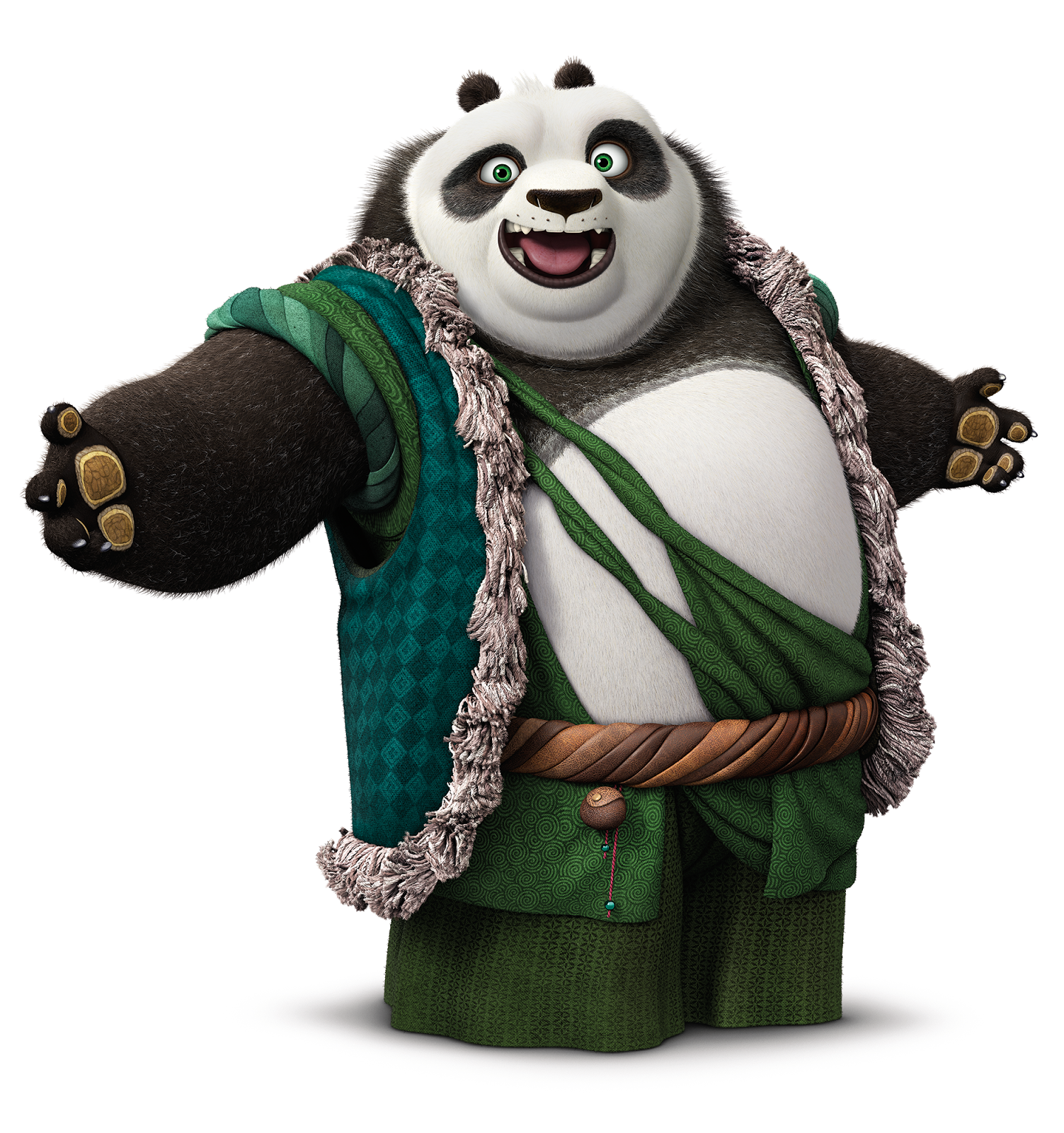
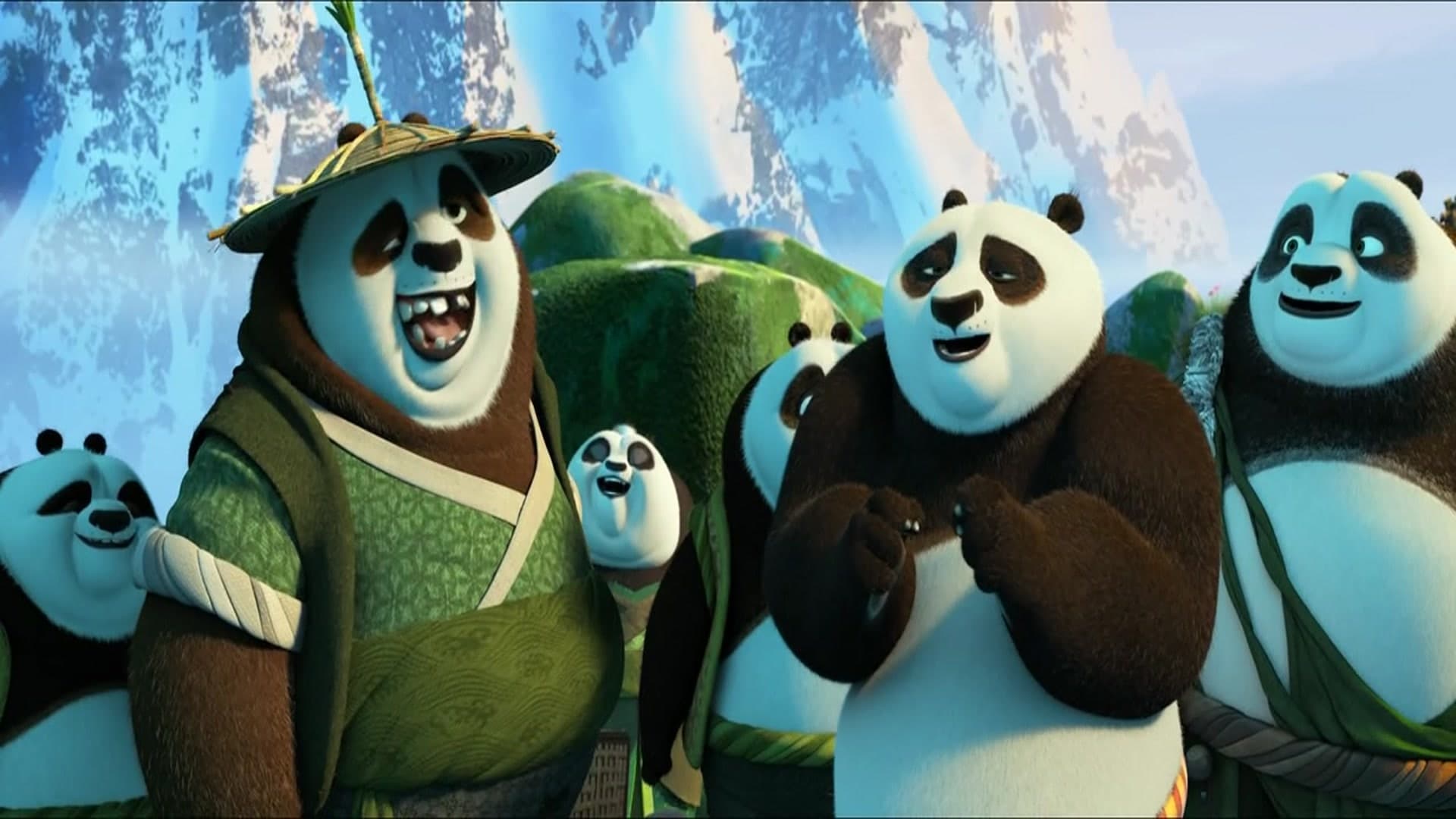
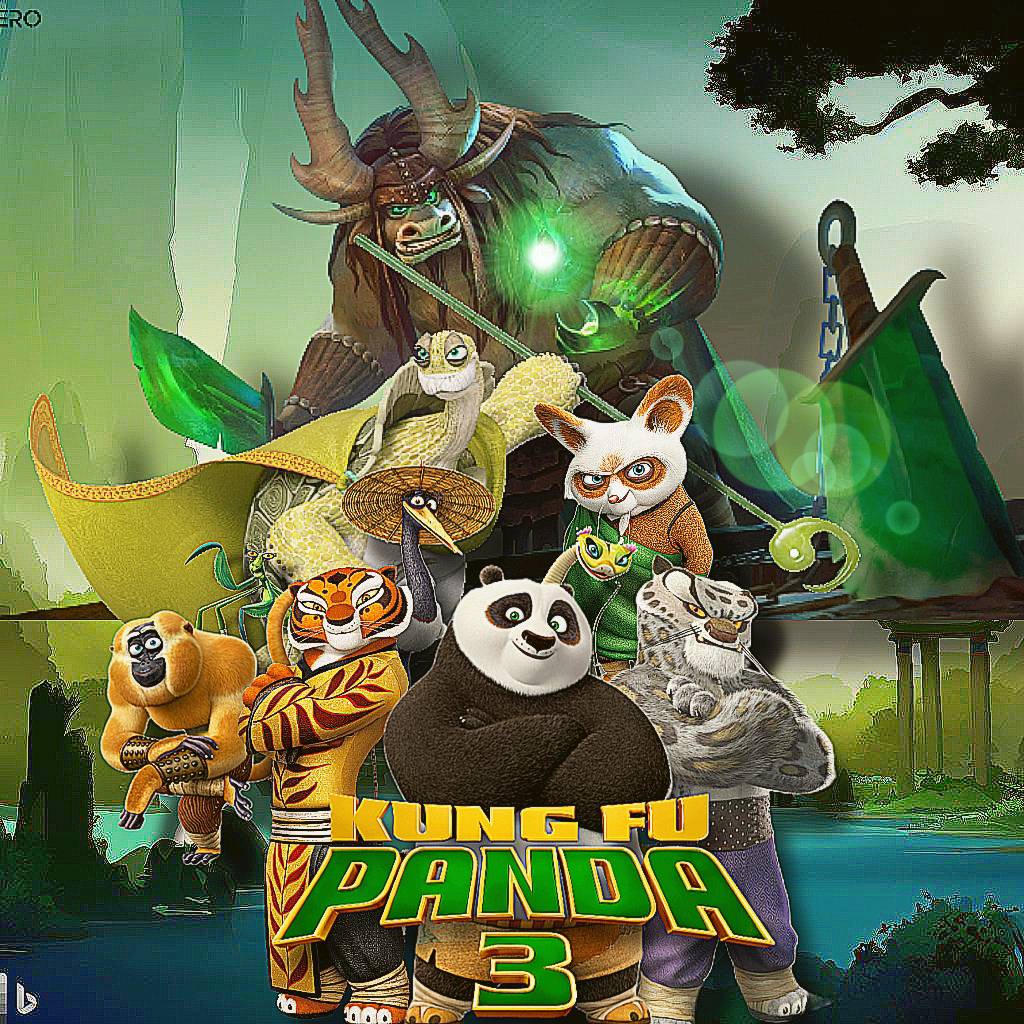
In Kung Fu Panda 3, the character of Po’s biological father, Li Shan, is introduced to the franchise, fundamentally reshaping Po's identity, family structure, and emotional journey. Voiced by Bryan Cranston, Li Shan provides a direct link to Po’s panda heritage, contrasting with his adoptive goose father, Mr. Ping, and setting up a central exploration of dual fatherhood and belonging.
The Introduction of Li Shan in the Kung Fu Panda Franchise
The arrival of Li Shan in Kung Fu Panda 3 (released in 2016 by DreamWorks Animation) resolves a lingering mystery from the previous films regarding how an infant panda survived the destruction of his village and came to be raised by Mr. Ping. Li Shan’s journey begins far away in a hidden panda village nestled deep in the mountains, where survivors of the ancient panda massacre have lived in relative seclusion. Upon sensing that his son is still alive—sparked by a spiritual resonance and the return of the ancient villain Kai—Li Shan ventures out to find him.
For Po, meeting his biological father is a moment of profound shock and validation. For years, Po believed he was the last of his kind, carrying a subtle weight of isolation despite the love of his adoptive father and friends. Li Shan’s entry into the narrative shifts the emotional baseline of the film. He is jovial, food-loving, and physically imposing much like Po, which immediately establishes a biological kinship that goes beyond mere plot convenience. However, this reunion is not without its complications, particularly for Mr. Ping, who must navigate the insecurities of sharing fatherly duties with Po’s biological parent.
Dual Fatherhood: Li Shan Versus Mr. Ping
A defining thematic pillar of Kung Fu Panda 3 is the exploration of what makes a true parent. Rather than setting up a bitter rivalry between Li Shan and Mr. Ping, the film explores the unique strengths and emotional responsibilities each father holds in Po’s life.
Mr. Ping’s Foundational Role
Mr. Ping, the noodle-making goose voiced by James Hong, raised Po from infancy. His love is unconditional, rooted in daily care, culinary nurturing, and emotional investment. Mr. Ping’s initial reaction to Li Shan is defensive; he fears that finding a biological father means losing his place as Po's dad. This dynamic highlights the anxieties adoptive parents face when biological ties enter the picture. However, Mr. Ping's character arc resolves in a spirit of generosity, realizing that having two fathers means Po is doubly loved.
Li Shan’s Heritage Connection
Li Shan represents a connection to history, culture, and innate identity. He teaches Po about panda traditions, how pandas move, relax, and channel their inner energy (Chi). While Li Shan initially believes that surviving means hiding from threats like Kai, he ultimately learns from Po’s courage and leadership.
The coexistence of both fathers is encapsulated when Mr. Ping and Li Shan forge a partnership, combining their perspectives to support Po during his ultimate confrontation with Kai. This blended family model provides a progressive and emotionally resonant message for audiences navigating complex family structures.
Character Comparison: Paternal Influences on Po
To understand how Li Shan shapes Po’s trajectory in the third installment, it is helpful to examine the contrasting traits and contributions of both father figures.
| Father Figure | Species | Primary Contribution to Po | Core Dynamic |
|---|---|---|---|
| Mr. Ping | Goose | Unconditional emotional support, upbringing, and the culinary foundation of Po's life. | Nurturing, protective, and anxious about displacement. |
| Li Shan | Panda | Biological heritage, cultural introduction, and access to ancestral knowledge. | Relentlessly optimistic, proud, and initially sheltered. |
Narrative Impact and Character Development for Po
The presence of Li Shan acts as a catalyst for Po’s transition from a student of kung fu to a teacher. When Po is tasked with teaching the clumsy, unrefined pandas in the hidden village how to defend themselves, he initially struggles. He tries to impose master-level training regimens onto pandas who simply want to roll around and eat dumplings.
Li Shan provides the crucial insight that helps Po succeed: instead of forcing pandas to be like fierce martial artists, Po must help them embrace who they are naturally—using their daily routines, ribbon dancing, and dumpling-making skills as the basis for their unique kung fu styles. This realization directly mirrors Po’s own journey of self-acceptance, a theme started in the first film and brought to maturity here through his relationship with his biological father. Furthermore, understanding his lineage allows Po to master the manipulation of Chi, an ancient art that requires deep connection to one's roots and community.
Frequently Asked Questions
Who voices Po’s biological father, Li Shan, in Kung Fu Panda 3?
Li Shan is voiced by acclaimed American actor Bryan Cranston. Cranston brings a warm, comedic, and emotionally grounded presence to the character, balancing Li Shan’s fun-loving panda nature with the dramatic weight of a long-lost father reconnecting with his son.
Does Mr. Ping accept Li Shan by the end of the film?
Yes. Although Mr. Ping is initially jealous and insecure about Li Shan's arrival, they bond over their shared love for Po. By the end of Kung Fu Panda 3, they embrace a co-parenting dynamic, working together in the noodle shop and supporting Po as a unified family.
How does Li Shan find Po after all those years?
Li Shan discovers Po is alive through a spiritual connection and rumors of the Dragon Warrior spreading across China. When he senses that his son has survived, he leaves the secret panda village to track him down, eventually reuniting with him at Mr. Ping's noodle shop.
What role does Li Shan play in Po learning Chi?
Li Shan introduces Po to the secret panda village, where Po learns about his ancestors and heritage. While Li Shan initially tries to protect Po by hiding from Kai, the community and Li Shan's support provide the emotional foundation Po needs to unlock and master the ancient art of Chi.
Final Recommendations for Viewers and Analysts
When examining the father-son dynamics in Kung Fu Panda 3, viewers should look beyond the surface-level comedy to appreciate how the film handles modern family concepts such as adoption, blended families, and cultural identity. For animation enthusiasts and writers, the character arc of Li Shan serves as a strong study in how to introduce a legacy character late in a trilogy without undermining existing relationships. Ensuring that established figures like Mr. Ping retain their emotional validity while expanding the family circle creates a richer, more satisfying narrative resolution.