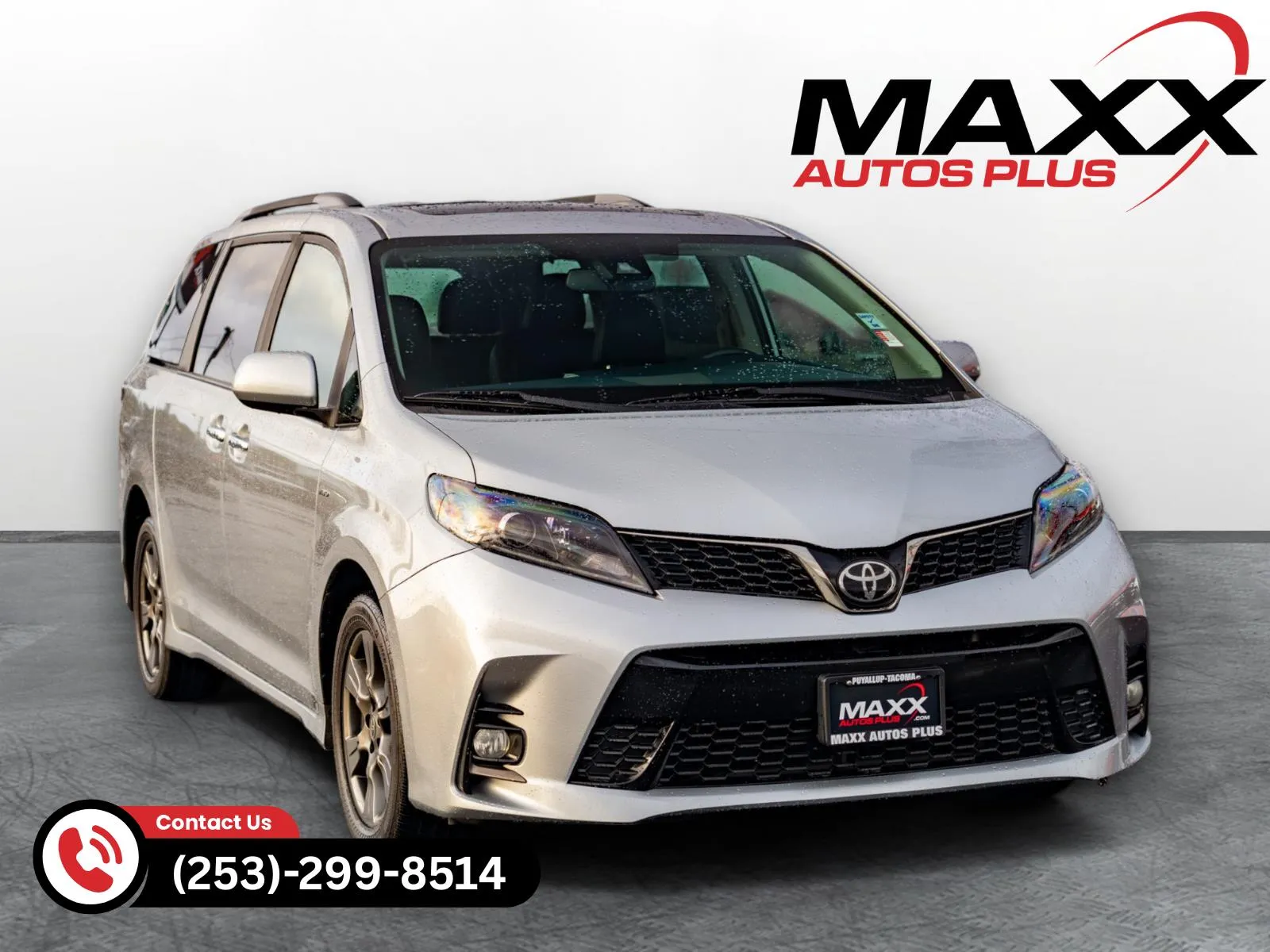
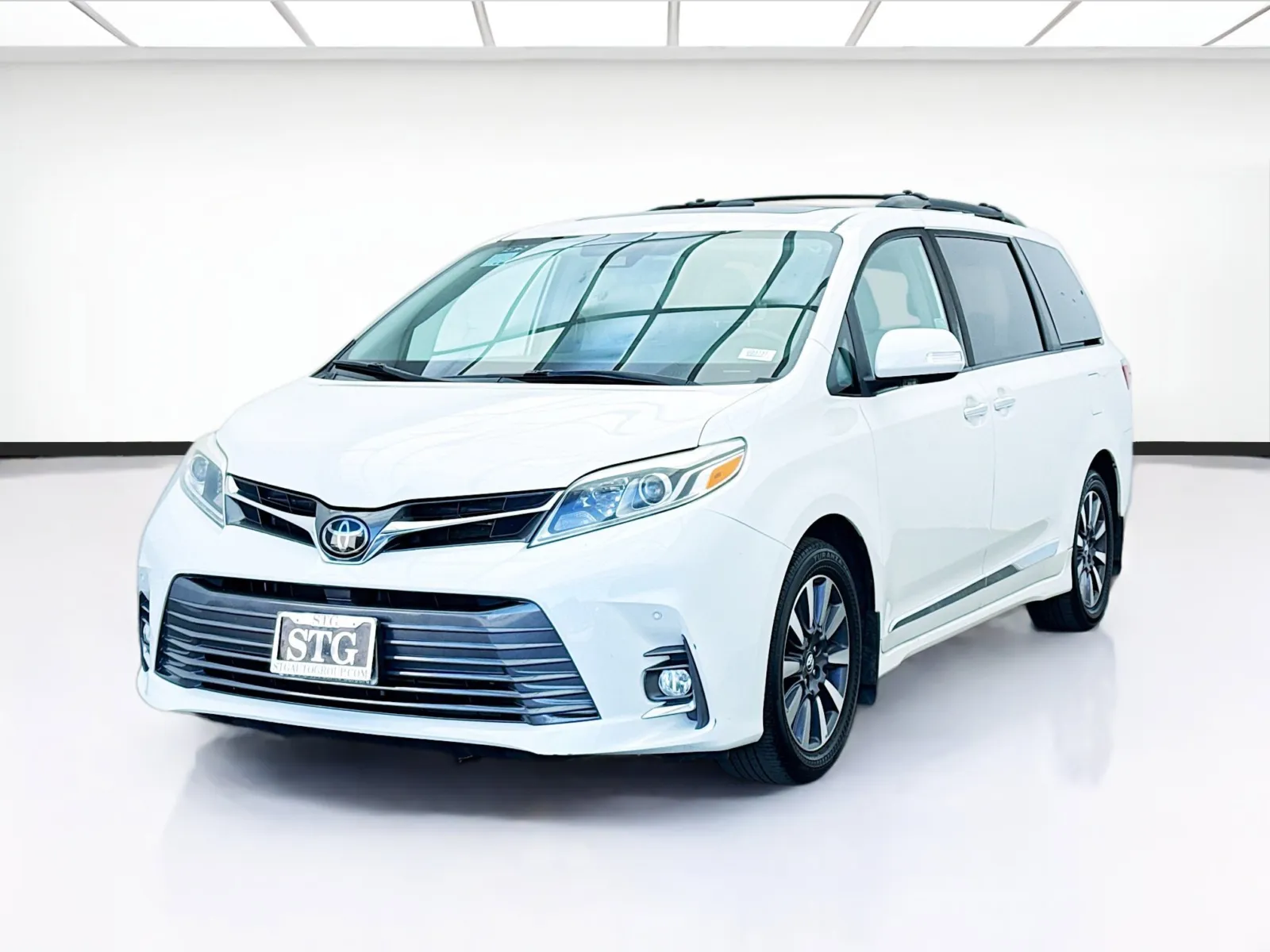
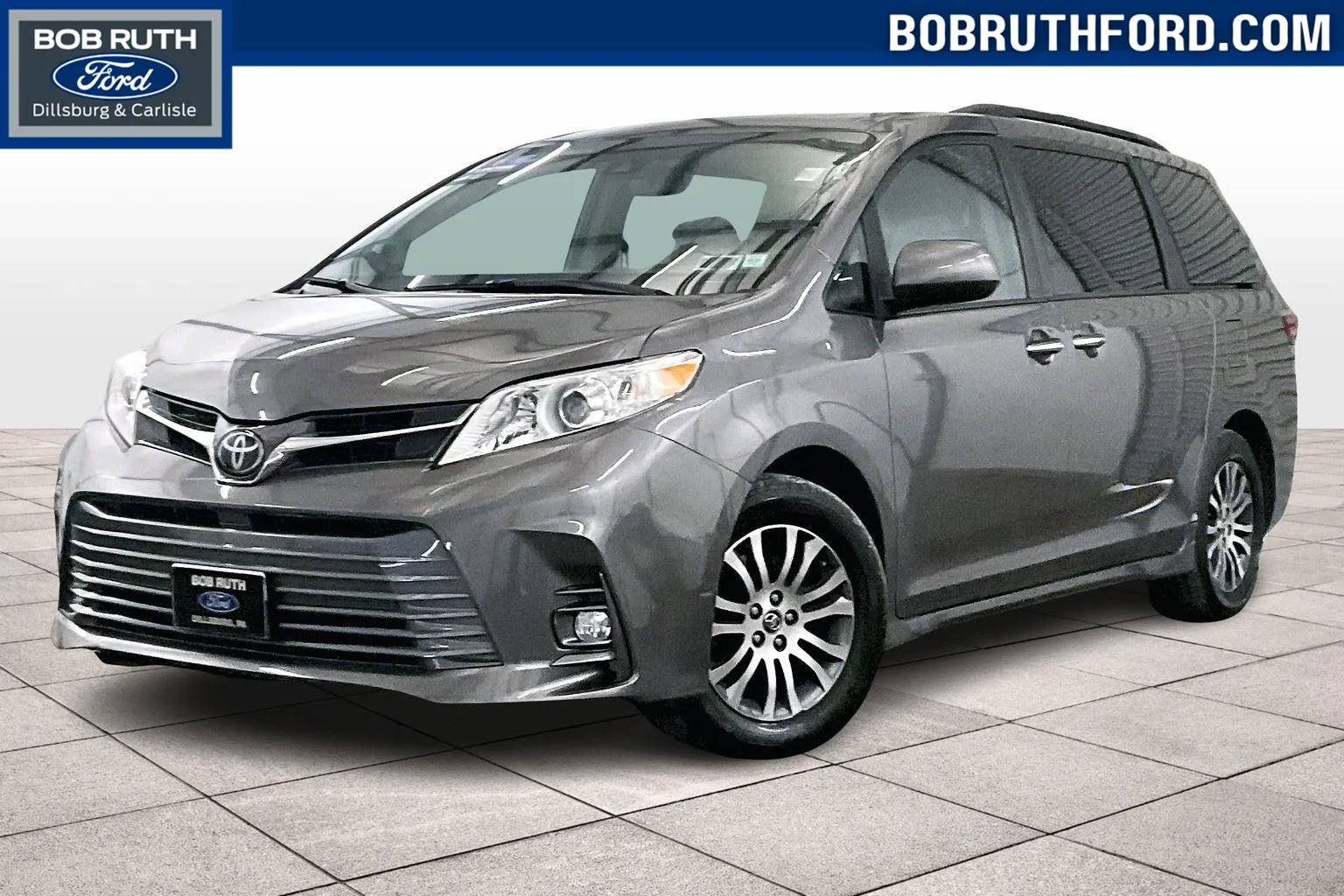
The 2020 Toyota Sienna achieves an EPA-estimated fuel economy rating of 19 mpg in the city, 27 mpg on the highway, and 22 mpg combined for front-wheel drive models, while all-wheel drive variants deliver 18 mpg city, 24 mpg highway, and 20 mpg combined.
Navigating the minivan market requires a careful balance of passenger capacity, utility, safety, and operational costs. For buyers evaluating pre-owned options or assessing their current vehicle, understanding the 2020 Toyota Sienna MPG rating provides crucial insight into fuel expenditures and real-world efficiency. As the final model year of the third-generation Sienna platform before the transition to a hybrid-exclusive powertrain in 2021, the 2020 iteration represents the culmination of a traditional internal combustion setup paired with a robust V6 engine.
Overview of the 2020 Toyota Sienna Powertrain
To understand the fuel economy figures of the 2020 Toyota Sienna, it is necessary to examine the mechanical configuration driving the vehicle. Under the hood, every 2020 Sienna features a 3.5-liter V6 engine mated to an 8-speed automatic transmission. This powertrain delivers 296 horsepower and 263 lb-ft of torque, providing ample acceleration for highway merging and heavy passenger loads.
Unlike newer generations that rely on hybrid systems to boost city efficiency, the 2020 model depends strictly on traditional gasoline combustion, variable valve timing (VVT-iW), and aerodynamic optimization to manage fuel consumption. While this configuration trails modern hybrid minivans in urban stop-and-go efficiency, it offers distinct performance characteristics that appeal to drivers who prefer traditional powertrain responses and high towing capacities—up to 3,500 pounds when properly equipped.
EPA Fuel Economy Ratings by Drivetrain Configuration
Fuel efficiency figures for the 2020 Toyota Sienna vary significantly depending on whether the vehicle is equipped with front-wheel drive (FWD) or all-wheel drive (AWD). Toyota offered an AWD system on the Sienna as a unique selling proposition in the minivan segment, making it a popular choice for drivers in snowy or wet climates. However, the physical addition of the transfer case, prop shaft, and rear differential introduces mechanical drag and additional weight, directly impacting fuel economy.
| Drivetrain Configuration | City MPG | Highway MPG | Combined MPG | Estimated Annual Fuel Cost (EPA) |
|---|---|---|---|---|
| Front-Wheel Drive (FWD) | 19 | 27 | 22 | Moderate |
| All-Wheel Drive (AWD) | 18 | 24 | 20 | Higher |
Buyers evaluating these numbers must weigh the safety and all-weather capability of the AWD system against the continuous penalty of roughly 2 miles per gallon on the highway and 1 to 2 miles per gallon in city driving.
Real-World Driving Dynamics and Fuel Economy Factors
Official EPA estimates provide a standardized baseline, but real-world fuel economy for the 2020 Toyota Sienna fluctuates based on several operational conditions. Minivans are subjected to diverse driving environments, ranging from dense urban school runs to sustained highway road trips.
City and Urban Driving Performance
In stop-and-go city traffic, the 3.5-liter V6 must pull a curb weight ranging from approximately 4,350 to 4,740 pounds depending on trim level and seating configuration. Consequently, drivers frequently observe fuel economy hovering near the 17 to 19 mpg mark during heavy congestion. Frequent idling, climate control usage, and short trips where the engine does not reach optimal operating temperature further suppress urban efficiency.
Highway Cruising and Aerodynamics
On long highway stretches, the 8-speed transmission allows the engine to settle into a low cruising RPM, helping the vehicle achieve or exceed its EPA-estimated 27 mpg (for FWD models). Aerodynamic design elements, such as the sloping hoodline and underbody panels, help reduce drag at sustained speeds. However, maintaining high speeds above 75 mph or encountering strong head winds will noticeably diminish highway efficiency.
Impact of Cargo, Passenger Load, and Accessories
One of the primary reasons consumers purchase a minivan is its capacity to haul up to eight passengers and substantial amounts of cargo. Physics dictates that adding weight increases the energy required to accelerate and maintain momentum.
- Passenger Load: Filling all seating positions adds several hundred pounds of mass, which impacts city fuel economy more severely than highway cruising.
- Roof Racks and Cargo Carriers: Many families utilize roof rails, crossbars, or rooftop cargo boxes for vacation travel. These attachments disrupt factory aerodynamics and increase wind resistance, often causing a highway fuel economy penalty of 1 to 3 mpg.
- Towing: Utilizing the Sienna's 3,500-pound towing capacity with a small trailer or pop-up camper will substantially reduce both city and highway fuel efficiency due to increased rolling resistance and aerodynamic drag.
Comparison With Competitive Minivans of the Era
Evaluating the 2020 Toyota Sienna MPG rating requires placing it in context against contemporary competitors available during the 2020 model year. The minivan segment featured several notable alternatives, each utilizing different engineering approaches to fuel economy.
- Chrysler Pacifica (2020): Powered by a 3.6-liter V6 engine, the standard gas-powered Pacifica achieved an EPA-estimated 19 mpg city, 28 mpg highway, and 22 mpg combined, closely mirroring the FWD Sienna. Chrysler also offered a Pacifica Plug-in Hybrid (PHEV), which completely altered efficiency metrics with an electric-only driving range.
- Honda Odyssey (2020): Equipped with a 3.5-liter V6 and a 10-speed automatic transmission on higher trims, the Odyssey achieved 19 mpg city, 28 mpg highway, and 22 mpg combined, offering a slight edge on the highway over the FWD Sienna.
- Kia Sedona (2020): Powered by a 3.3-liter V6 engine paired with an 8-speed automatic transmission, the Sedona delivered 18 mpg city, 24 mpg highway, and 21 mpg combined, trailing both the Sienna and Odyssey in highway efficiency.
None of the traditional V6 competitors offered an all-wheel-drive option during the 2020 model year, leaving the Sienna as the sole choice for buyers requiring both a minivan layout and four-wheel traction, accepting the corresponding fuel economy trade-off.
Practical Strategies to Maximize Fuel Efficiency
While the mechanical efficiency of the 2020 Toyota Sienna is fixed by its powertrain design, drivers can adopt specific operational and maintenance habits to ensure the vehicle performs at its peak potential.
- Maintain Proper Tire Pressure: Under-inflated tires increase rolling resistance, forcing the engine to work harder. Check tire pressures monthly against the manufacturer placard located inside the driver's door jamb.
- Remove Unnecessary Weight and Accessories: Remove heavy cargo, roof crossbars, or bike racks when they are not in use to minimize aerodynamic drag and excess mass.
- Adhere to Maintenance Schedules: Replace air filters regularly, use the recommended motor oil viscosity (typically 0W-20), and ensure spark plugs and fuel injectors are inspected according to Toyota service intervals.
- Optimize Driving Style: Utilize smooth acceleration and anticipate traffic stops to reduce heavy braking and aggressive throttle applications, which heavily penalize heavy V6 engines in urban environments.
Frequently Asked Questions
Does the 2020 Toyota Sienna require premium fuel?
No, the 3.5-liter V6 engine in the 2020 Toyota Sienna is engineered to run on regular unleaded gasoline with an octane rating of 87 or higher. Using premium fuel provides no performance or fuel economy advantages for this specific powertrain.
Why is the AWD model's fuel economy lower than the FWD model?
The all-wheel-drive system adds mechanical components—including a power takeoff unit, a driveshaft, and a rear differential—along with additional vehicle weight. These components create parasitic drivetrain loss, requiring more energy from the engine to drive all four wheels.
Can the 2020 Toyota Sienna run on E85 flex-fuel?
No, the 2020 Toyota Sienna is not a flex-fuel vehicle. It is designed to run on standard gasoline blends containing up to 10% ethanol (E10). Using fuel with higher ethanol concentrations can damage internal engine components and fuel system seals.
How does the 2020 model's fuel economy compare to the 2021 redesigned hybrid Sienna?
The 2021 redesign introduced a standard 2.4-liter four-cylinder hybrid powertrain that drastically improved fuel economy to an EPA-estimated 36 mpg combined for FWD models and 35/36 mpg combined for AWD models. The 2020 model consumes significantly more fuel in urban environments due to its reliance on a traditional V6 engine.
What is the driving range of a 2020 Toyota Sienna on a single tank?
The 2020 Sienna features a 20-gallon fuel tank. Based on the EPA combined estimate of 22 mpg for FWD models, a fully fueled vehicle has a theoretical cruising range of approximately 440 miles, though real-world highway driving can yield over 500 miles under ideal conditions.
Conclusion and Next Actions
The 2020 Toyota Sienna offers a dependable, powerful V6 driving experience backed by respectable highway fuel economy for a non-hybrid utility vehicle. While its urban fuel economy and AWD variants lag behind newer hybrid competitors, its robust towing capacity, passenger space, and unique all-weather capability maintain its strong value proposition. Prospective buyers or current owners should verify vehicle maintenance records, check tire health, and assess their specific daily driving patterns to determine if the Sienna's fuel consumption profile aligns with their operational needs.