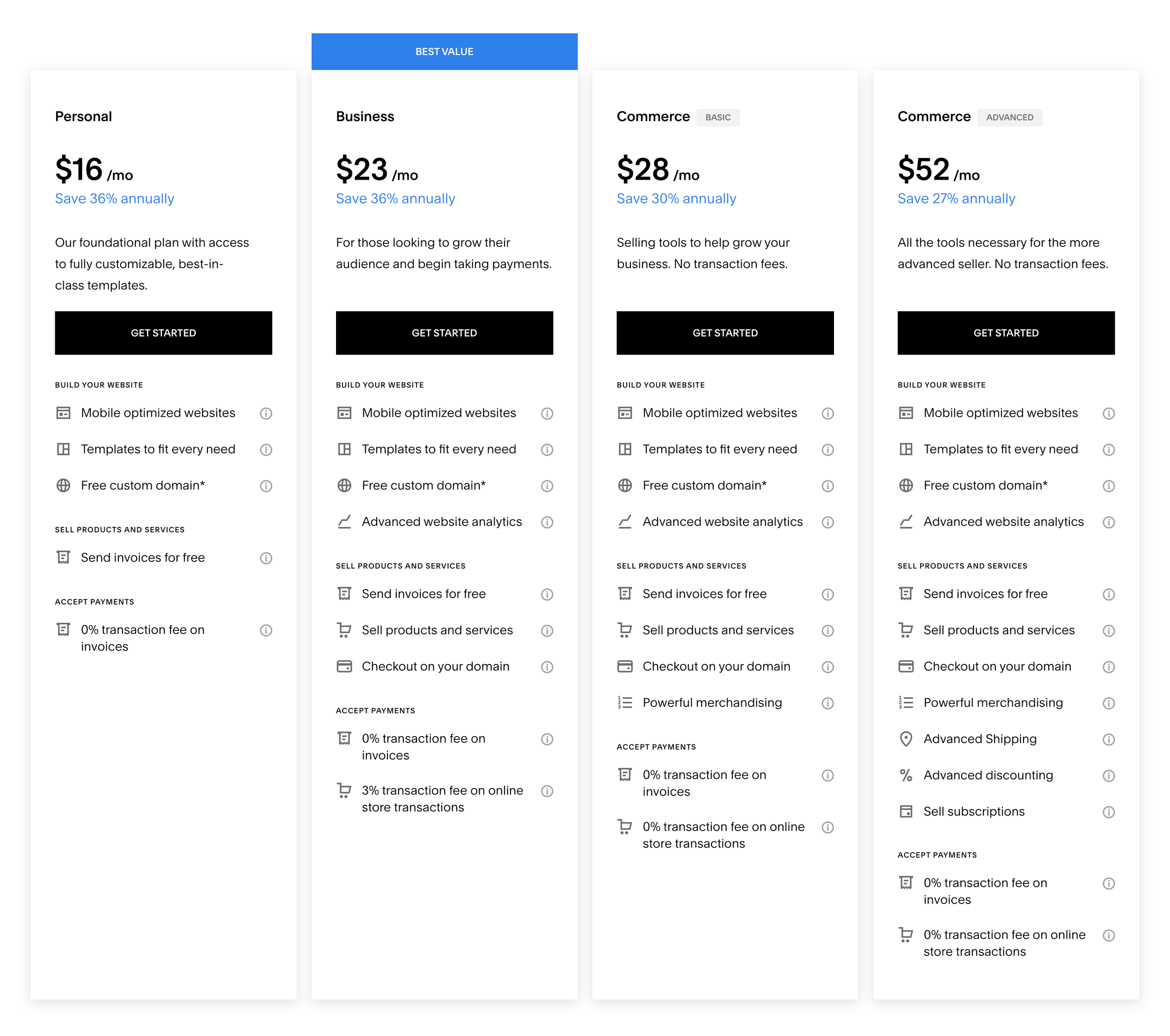
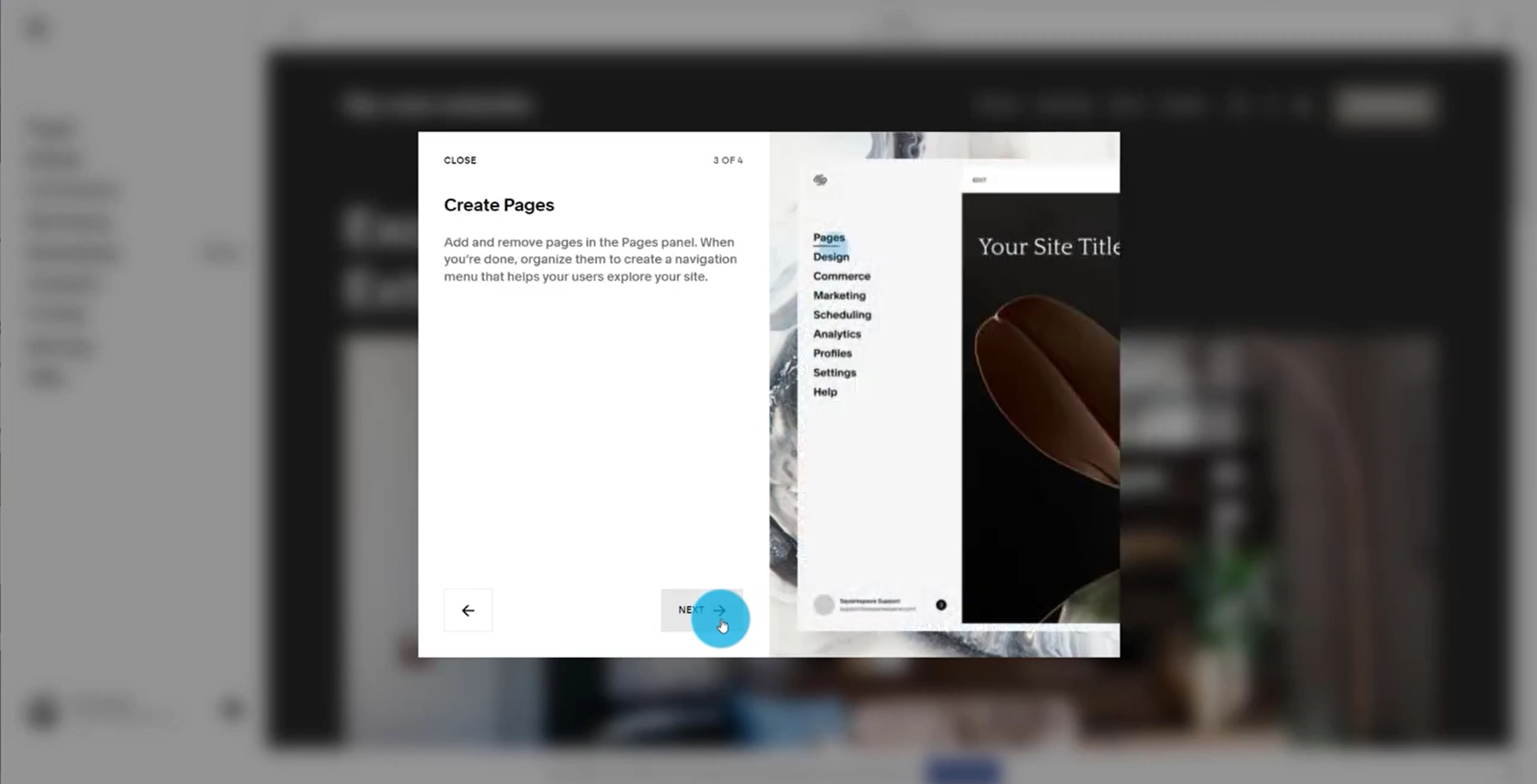
The "2020 guide to the squarespace tutorial 2019 archive" represents a curated collection of legacy web design documentation, platform walkthroughs, and instructional resources designed to help users transition between major software versions of the Squarespace content management system. Understanding this archive requires examining how historical software iterations, template architectures, and migration pathways influenced user workflows during the transition from Squarespace version 7.0 to version 7.1.
Introduction to Squarespace Version Legacies and Archival Content
Content management ecosystems evolve rapidly, and website builders are no exception. When users search for historical instructional content such as the 2020 guide to the Squarespace tutorial 2019 archive, they are typically seeking out-of-print documentation, legacy template comparisons, or troubleshooting steps tied to older platform architectures. During 2019 and 2020, Squarespace underwent a massive paradigm shift with the mainstream introduction of version 7.1, which fundamentally altered how pages were built, styled, and structured compared to its predecessor, version 7.0.
Archival documentation from this period serves as a vital bridge for site owners who maintain older client projects, need to replicate legacy design patterns, or wish to understand why certain features behave differently across versions. While modern platform updates have superseded much of this material, studying these archives provides context on how responsive design, template family constraints, and block-based editing matured over time.
The Architectural Split: Squarespace 7.0 Versus Early 7.1 Frameworks
To fully comprehend the utility of tutorials published between 2019 and 2020, one must understand the distinct architectural philosophies of the underlying software versions. The 2019 archive primarily focused on the mature ecosystem of Squarespace 7.0, while the 2020 guides introduced the standardized grid and fluid layout mechanics of version 7.1.
Template Families in Squarespace 7.0
In the era documented by the 2019 tutorials, websites were heavily constrained by their chosen template family—such as Brine, Bedford, or Avenue. Each family possessed unique structural quirks, navigational layouts, and summary block behaviors:
- Brine Family: Widely considered the most flexible and popular family in version 7.0, supporting index pages with banner overlays and complex header configurations.
- Bedford Family: Known for fixed sidebar navigation and a clean, traditional corporate blog layout.
- Avenue Family: Utilized gallery-centric layouts suited for portfolio-heavy websites.
The Unified Architecture of Version 7.1
By 2020, tutorial content shifted toward Squarespace 7.1. In this version, templates were eliminated as distinct architectural structures. Instead, every site shared the exact same underlying template, with design variations achieved through global styling panels, section themes, and modular page sections. Guides from this period frequently addressed user confusion regarding why older 7.0 tricks—such as injecting custom CSS to alter individual page headers—no longer applied uniformly in the newer environment.
Comparative Analysis of Documentation Eras
The transition from 2019 publishing standards to 2020 instructional design marked a significant evolution in web design tutorials. The table below outlines the core differences between the instructional focus of these two consecutive years within the Squarespace ecosystem.
| Metric / Focus Area | 2019 Squarespace Tutorials | 2020 Squarespace Tutorials |
|---|---|---|
| Primary Platform Version | Squarespace 7.0 (Template-dependent) | Squarespace 7.1 (Unified framework) |
| Layout Mechanics | Classic editor, stacked blocks, index pages | Section-based layouts, pre-built page sections |
| Styling Control | Template-specific tweak menus, heavy CSS dependency | Global Design panel, site styles, color themes |
| Primary Instructional Goal | Customizing specific template limitations | Embracing flexible page building and universal styling |
| Archival Value Today | Maintaining legacy 7.0 client sites | Understanding early fluid engine precursors |
Key Instructional Themes Found Within the Archive
Reviewing the contents of the 2019 archive through the lens of 2020 guides reveals several recurring instructional themes that dominated the web design landscape during those years.
1. Custom CSS and Code Injection Workarounds
Because Squarespace 7.0 lacked native styling controls for certain layout elements, tutorials from 2019 heavily emphasized CSS snippets. Web designers relied on browser inspection tools to locate block IDs and collection IDs, writing custom style rules to alter font sizes, add underlines to navigation links, or create custom mobile breakpoints. The 2020 guides often cataloged these legacy snippets while attempting to translate them into the cleaner, native global settings introduced in version 7.1.
2. E-Commerce and Inventory Management Walkthroughs
E-commerce tutorials from this era focused heavily on setting up Stripe and PayPal integrations, configuring tax rules, and managing digital versus physical product variants. Archival guides provide a historical window into how digital storefronts handled inventory tracking before advanced merchandising features and automated customer engagement tools became standard.
3. Search Engine Optimization (SEO) Best Practices
SEO advice in 2019 and 2020 centered around basic metadata configuration, SSL security adoption, XML sitemap generation, and clean URL slugs. Tutorials from this period frequently emphasized mobile responsiveness as an emerging core ranking factor, prompting extensive walkthroughs on optimizing cover pages and image compression techniques.
Practical Troubleshooting and Migration Considerations
Site administrators referencing legacy archives often encounter compatibility hurdles when attempting to apply older instructions to modern environments.
Addressing Broken Code Snippets
Many custom CSS and JavaScript injections detailed in 2019 tutorials target DOM (Document Object Model) elements that no longer exist in newer Squarespace iterations. When reviewing archival guides:
- Verify whether the target element relies on legacy template classes (e.g.,
.collection-type-blog). - Test code snippets in a staging environment or a trial site before applying them to a live production domain.
- Audit JavaScript injections to ensure they do not conflict with modern platform security policies or asynchronous script loading.
Assessing Template Migration Risks
A common topic in 2020 guides was migrating content from version 7.0 to version 7.1. Because direct, automated migration tools were not supported by the platform, tutorials outlined tedious manual recreation processes—exporting and importing blog posts via XML files, rebuilding custom index pages section by section, and re-establishing URL redirect rules to prevent broken inbound links.
Frequently Asked Questions
Can I still build a website using Squarespace 7.0 templates found in 2019 tutorials?
Squarespace generally deprecated the creation of new 7.0 sites for new accounts in favor of version 7.1, though existing sites built on version 7.0 remain operational. Tutorials referencing specific 7.0 template families are primarily useful for maintaining or updating legacy websites rather than launching new projects.
Why do CSS snippets from the 2019 archive break on modern sites?
Modern Squarespace site structures utilize different HTML tag hierarchies and class naming conventions compared to older template families like Brine or Bedford. Targeting outdated DOM selectors will result in styling rules failing to apply.
How do I handle broken links if I follow a migration guide from the archive?
When moving content between platform versions or restructuring site navigation, always utilize the URL Mappings panel in the Squarespace settings to create permanent 301 redirects from old URLs to new destination pages.
Are SEO strategies outlined in 2020 guides still relevant today?
The foundational SEO principles—such as structured keyword usage, alt text for accessibility, mobile optimization, and clean site architecture—remain evergreen. However, specific interface locations and menu names for accessing SEO settings may have shifted in subsequent platform updates.
Concluding Recommendations for Legacy Documentation Review
When consulting historical instructional material such as the 2020 guide to the squarespace tutorial 2019 archive, treat the contents as contextual reference material rather than strict, up-to-date standard operating procedures. Verify platform interface names, cross-reference current software documentation, and prioritize native platform features over custom code workarounds whenever possible to ensure long-term site stability and maintainability.