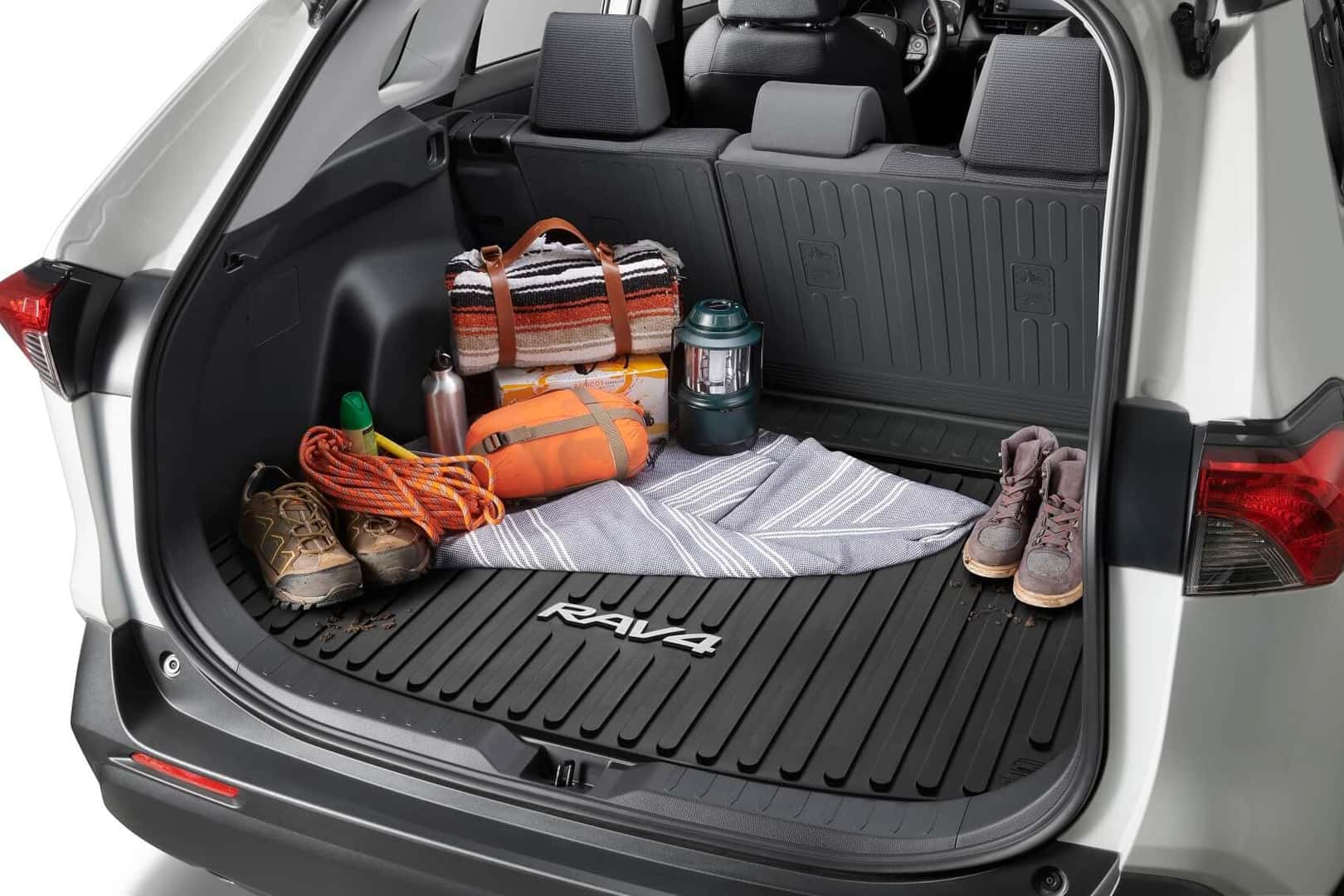
The 2016 Toyota RAV4 has a maximum towing capacity of 1,500 pounds (680 kg) for all gasoline-powered trim levels, including the LE, XLE, SE, and Limited. However, the 2016 RAV4 Hybrid offers a slightly higher towing capacity of 1,750 pounds (793 kg) thanks to the additional torque provided by its electric motors and standard Electronic On-Demand All-Wheel Drive with intelligence (AWD-i).
Navigating the specifics of towing with a compact SUV requires more than just knowing a single number. As the 2016 RAV4 ages into its second decade of service, understanding the interplay between its powertrain, curb weight, and structural limits is essential for safe operation. Whether you are planning to haul a pair of jet skis, a small utility trailer, or a lightweight pop-up camper, this guide provides the technical depth necessary to ensure your vehicle remains within its engineered safety margins.
Understanding the 2016 RAV4 Towing Specifications
The 2016 model year represented a significant mid-cycle refresh for the fourth-generation RAV4 (XA40). While Toyota introduced updated styling and the first-ever Hybrid variant for the nameplate, the mechanical underpinnings for the gasoline models remained largely consistent with the 2013–2015 versions.
Gasoline Models (LE, XLE, SE, Limited)
Every gasoline 2016 RAV4 is equipped with a 2.5-liter four-cylinder engine producing 176 horsepower and 172 lb-ft of torque. This power is managed by a six-speed ECT-i automatic transmission. Regardless of whether the vehicle is Front-Wheel Drive (FWD) or All-Wheel Drive (AWD), the towing limit remains capped at 1,500 pounds.
This limit is determined not just by the engine's output, but by the vehicle's cooling capacity and braking system. Unlike some of its competitors or later RAV4 generations (such as the Adventure or TRD Off-Road trims), the 2016 gasoline models were not offered with a factory-installed heavy-duty radiator or supplemental oil coolers that would allow for higher thermal loads during towing.
The Hybrid Advantage
The 2016 RAV4 Hybrid utilized a 2.5-liter Atkinson-cycle four-cylinder engine paired with a pair of electric motors, delivering a combined system output of 194 horsepower. The rear-mounted electric motor provides instantaneous torque to the rear wheels, which assists in getting a trailer moving from a standstill. This increased efficiency and torque profile allowed Toyota to certify the Hybrid for an additional 250 pounds of capacity, bringing the total to 1,750 pounds.
| Feature | Gasoline (FWD/AWD) | Hybrid (AWD-i) |
|---|---|---|
| Max Towing Capacity | 1,500 lbs (680 kg) | 1,750 lbs (793 kg) |
| Max Tongue Weight | 150 lbs (68 kg) | 175 lbs (79 kg) |
| Engine | 2.5L 4-Cylinder | 2.5L 4-Cylinder Hybrid |
| Horsepower | 176 hp | 194 hp (Net) |
| Torque | 172 lb-ft | Varies (Electric motor assist) |
| Transmission | 6-speed Automatic | CVTi-S (eCVT) |
Essential Weight Definitions for Safe Towing
To tow safely in 2026, it is vital to distinguish between "towing capacity" and the actual weight your vehicle can handle under real-world conditions. Many drivers make the mistake of assuming they can tow 1,500 pounds while the vehicle is fully loaded with passengers and gear.
Gross Vehicle Weight Rating (GVWR)
The GVWR is the maximum allowable weight of the RAV4 itself, including the curb weight, all occupants, fuel, cargo, and the tongue weight of the trailer. For the 2016 RAV4, the GVWR typically ranges between 4,525 and 4,960 pounds depending on the trim and drivetrain. Exceeding this number puts undue stress on the suspension, tires, and brakes.
Gross Combined Weight Rating (GCWR)
The GCWR is the maximum allowable weight of the entire "train"—the fully loaded vehicle plus the fully loaded trailer. This is the most critical number for preventing powertrain failure. If you have 800 pounds of passengers and luggage in the car, you may need to reduce your trailer weight to stay under the GCWR.
Tongue Weight
Tongue weight is the downward force exerted by the trailer coupler onto the hitch ball. For the 2016 RAV4, this should be exactly 10% to 11% of the total trailer weight.
- Gasoline: 150 lbs max tongue weight.
- Hybrid: 175 lbs max tongue weight. Too little tongue weight causes trailer sway; too much tongue weight lifts the front wheels of the RAV4, reducing steering control and braking effectiveness.
Necessary Towing Equipment and Hardware
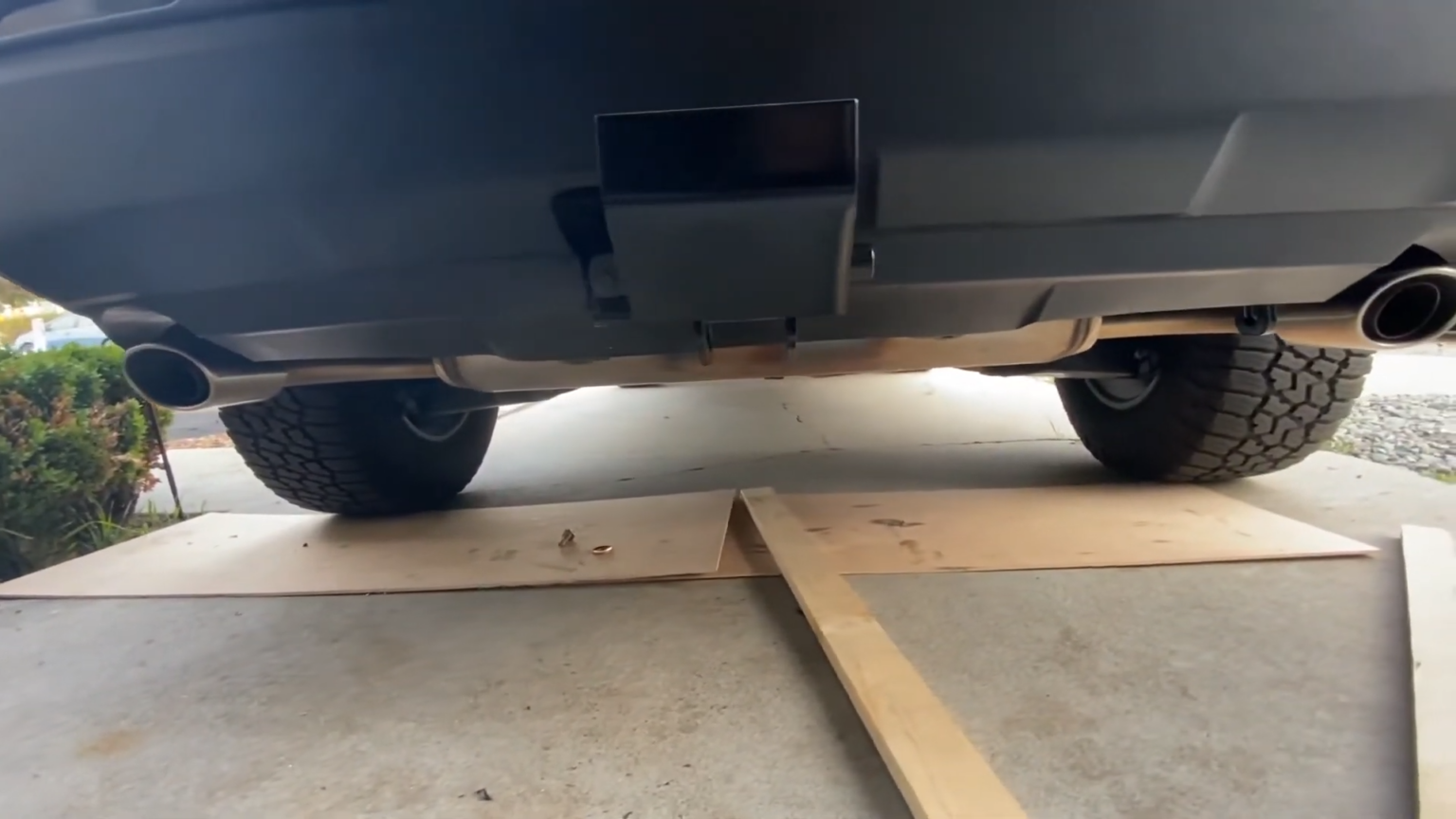
Toyota did not typically include a tow hitch as standard equipment on the 2016 RAV4. Most owners must rely on dealer-installed or aftermarket solutions.
The Receiver Hitch
For a 1,500-lb limit, a Class II receiver (1.25-inch or 2-inch) is the standard choice. While a Class III hitch (2-inch) can be installed and is often more robust, it does not increase the vehicle's towing capacity beyond the manufacturer's 1,500-lb rating. When selecting a hitch, ensure it is bolted directly to the frame rails using the existing factory weld nuts.
Trailer Wiring
The 2016 RAV4 requires a T-connector wiring harness to provide power to the trailer's tail lights, turn signals, and brake lights. These harnesses typically tap into the vehicle's rear lighting assembly. Because the RAV4 does not have a high-capacity electrical system designed for heavy trailers, a 4-way flat connector is the standard output. If your trailer has electric brakes (rare for trailers under 1,500 lbs), you would need to install a 7-way blade connector and a dedicated brake controller.
Trailer Brakes
Toyota's official owner's manual for the 2016 RAV4 specifies that any trailer weighing over 600 pounds (272 kg) should ideally be equipped with its own braking system. While many states only legally require trailer brakes for loads over 3,000 pounds, the RAV4’s compact rotors can overheat quickly during long descents if they are the sole source of stopping power for the combined 5,000+ lb mass.
Real-World Examples: What Can a 2016 RAV4 Tow?
It is often difficult to visualize what 1,500 pounds looks like in practice. Here are common items that generally fall within the 2016 RAV4's limits, provided the trailer itself is lightweight:
- Single Axle Utility Trailer: A standard 4x8 or 5x8 open utility trailer usually weighs between 300 and 450 pounds empty. This leaves about 1,000 pounds of payload for mulch, furniture, or an ATV.
- Jet Skis/PWC: A modern three-seater jet ski weighs approximately 800–900 pounds. Combined with a 300-pound aluminum trailer, a gasoline RAV4 can safely transport one unit.
- Teardrop Campers: Many "micro-campers" or teardrop trailers are designed specifically for small SUVs, weighing between 800 and 1,200 pounds dry.
- Small Boats: An aluminum fishing boat (14-16 feet) with a small outboard motor and trailer typically stays under 1,200 pounds.
What to Avoid: Do not attempt to tow "ultra-light" travel trailers that have a dry weight of 1,500 pounds. "Dry weight" does not include water, propane, batteries, or your gear. Once loaded, these trailers will easily exceed 2,000 pounds, which is far beyond the 2016 RAV4's engineering limits.
Performance and Handling Considerations
Towing changes the driving dynamics of the RAV4 significantly. Because the 2016 model has a relatively short wheelbase (104.7 inches), it is more susceptible to trailer sway caused by crosswinds or passing semi-trucks.
Transmission Management
The 2.5L engine generates its peak torque at 4,100 RPM. When towing, the transmission will frequently downshift to maintain speed, especially on inclines. It is highly recommended to use Sequential Shift Mode (S) and manually select gears to prevent the transmission from "hunting" between 5th and 6th gear. Keeping the vehicle in 4th or 5th gear while towing at highway speeds helps maintain engine cooling and provides better throttle response.
Suspension Sag
The RAV4’s rear suspension is tuned for passenger comfort, not heavy tongue loads. If the rear of the vehicle sags significantly when the trailer is attached, it indicates either an overloaded trailer or poorly distributed cargo. Suspension sag changes the aim of your headlights and reduces the suspension's ability to absorb bumps, which can lead to "porpoising" (a rhythmic bouncing motion).
Braking Distance
Expect your stopping distance to increase by at least 30% to 50% when towing at the limit. The 2016 RAV4’s ABS and Electronic Brakeforce Distribution (EBD) systems are excellent, but they cannot overcome the laws of physics. Increasing following distance is the single most important safety adjustment a driver can make.
Maintenance for Towing in 2026
If you are using a 2016 RAV4 for towing today, the vehicle is approximately 10 years old. Towing places extreme stress on aged components. To prevent mechanical failure, prioritize the following maintenance:
- Transmission Fluid: Although Toyota often labeled the WS transmission fluid as "lifetime," towing is considered a "severe operating condition." If the fluid has never been changed, a drain-and-fill (not a high-pressure flush) is recommended every 30,000 miles if towing regularly.
- Brake Inspection: Check both pad thickness and rotor condition. Heat is the enemy of towing, and thin rotors warp more easily under the high temperatures generated by stopping a trailer.
- Cooling System: Inspect the radiator for debris and ensure the coolant is at the correct level and concentration. An aging water pump or a partially clogged radiator can lead to overheating when the engine is under the high load of towing.
- Rear Subframe: Inspect the mounting points where the tow hitch attaches to the vehicle frame for any signs of rust or fatigue, especially in "salt belt" regions.
Comparison with Competitors (2016 Model Year)
When the 2016 RAV4 was released, its towing capacity was competitive for the "light-duty" compact SUV segment, though it trailed behind models designed for more rugged use.
- Honda CR-V (2016): Matched the RAV4 at 1,500 lbs.
- Mazda CX-5 (2016): Offered a slightly higher 2,000-lb capacity.
- Ford Escape (2016): When equipped with the 2.0L EcoBoost engine and Tow Package, it could pull up to 3,500 lbs.
- Subaru Forester (2016): Offered 1,500 lbs, though the turbocharged XT models felt more capable on grades.
The RAV4’s primary appeal was not its raw towing power, but its legendary reliability. While an Escape might tow more, the RAV4's naturally aspirated engine and traditional torque-converter automatic (in gasoline models) are often considered more durable for long-term ownership.
Frequently Asked Questions
Can I increase my 2016 RAV4's towing capacity with aftermarket parts?
No. Adding a larger hitch, air springs, or a transmission cooler does not change the manufacturer's legal towing rating. These parts may make towing 1,500 pounds safer or more comfortable, but the vehicle’s structural certification remains the same. Exceeding the 1,500-lb limit can lead to frame damage or the denial of insurance claims in the event of an accident.
Does the 2016 RAV4 have a "Tow Mode"?
The 2016 RAV4 does not have a dedicated "Tow Mode" button like larger trucks. It does have Sport, Eco, and Normal modes. When towing, it is best to avoid Eco mode as it dulls throttle response and shifts into higher gears as quickly as possible. Sport mode can be useful for keeping the engine in a higher RPM range for better power delivery, but manual shifting (S-mode) remains the best way to control the transmission.
Is the RAV4 Hybrid better for towing than the gasoline version?
Yes, technically. The Hybrid's 1,750-lb rating gives you a 250-lb "safety cushion" over the gasoline model. Additionally, the electric motors provide better low-end torque, which is helpful when pulling a trailer up a boat ramp or starting on a hill. However, the Hybrid uses a CVT (Continuously Variable Transmission), which some drivers find less intuitive for engine braking compared to the gasoline model's 6-speed automatic.
Can a 2016 RAV4 tow a U-Haul trailer?
Yes, but with limitations. A U-Haul 4x8 cargo trailer has an empty weight of 850 lbs, leaving you with 650 lbs of cargo capacity. A 5x8 cargo trailer weighs 900 lbs empty. You should avoid the 6x12 U-Haul trailer, as its empty weight is 1,920 lbs, which exceeds the RAV4's maximum capacity before you even put a single box inside.
Final Recommendations for Owners
If you own a 2016 Toyota RAV4 and need to tow, the vehicle is a capable partner for light-duty tasks. For the best experience, always weigh your loaded trailer at a certified scale (such as a CAT scale) to ensure you are truly under the 1,500-lb (gas) or 1,750-lb (hybrid) limit.
Prioritize safety by installing a high-quality Class II or III hitch, using a 4-pin wiring harness, and strictly adhering to the 10% tongue weight rule. Given the vehicle's age in 2026, a thorough pre-tow inspection of the cooling system and transmission fluid is the best insurance against a breakdown. If your towing needs frequently exceed 1,500 pounds, you may want to consider upgrading to a later-model RAV4 Adventure or a mid-size SUV like the Toyota Highlander, which offers a 5,000-lb capacity.