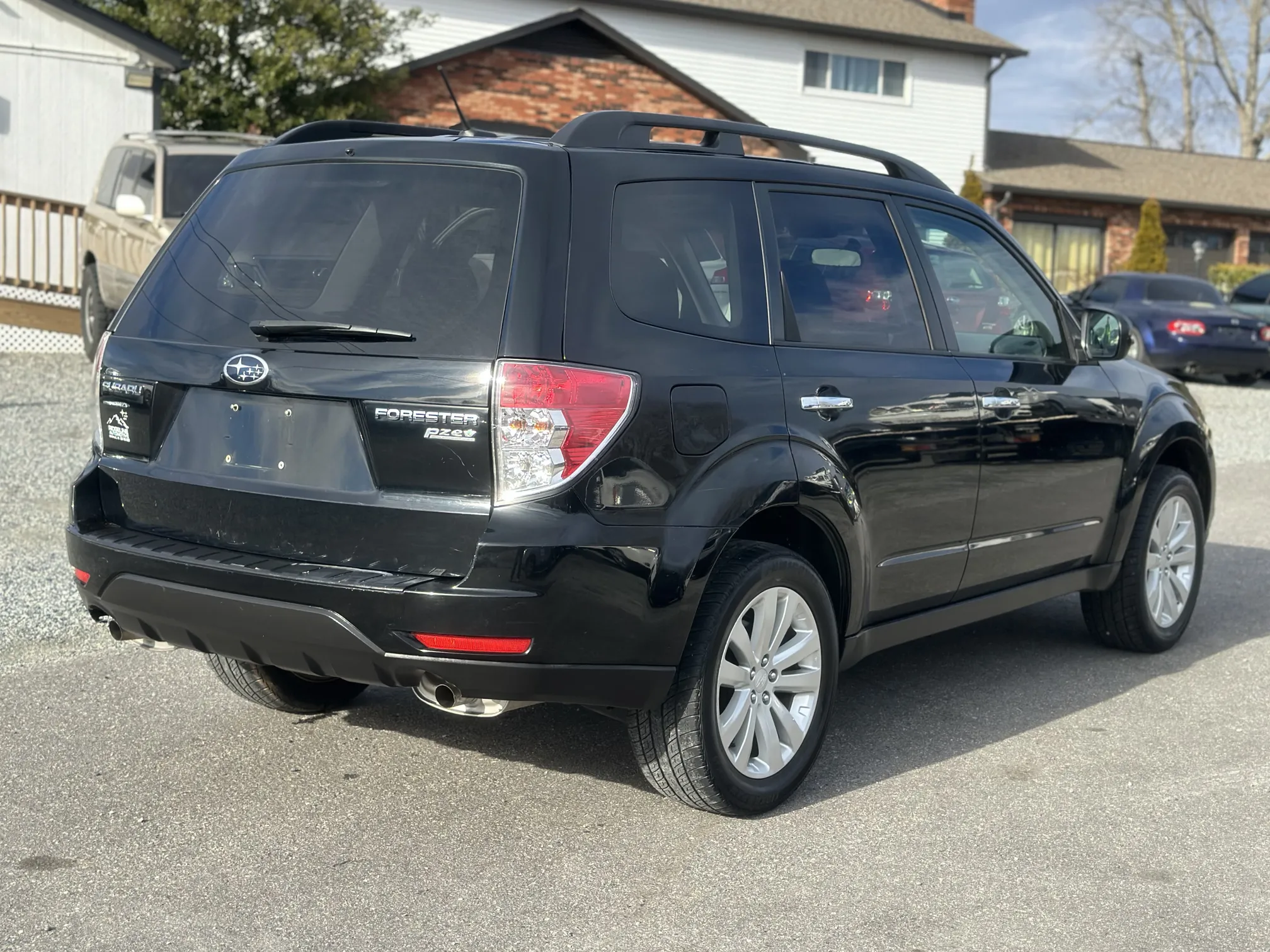
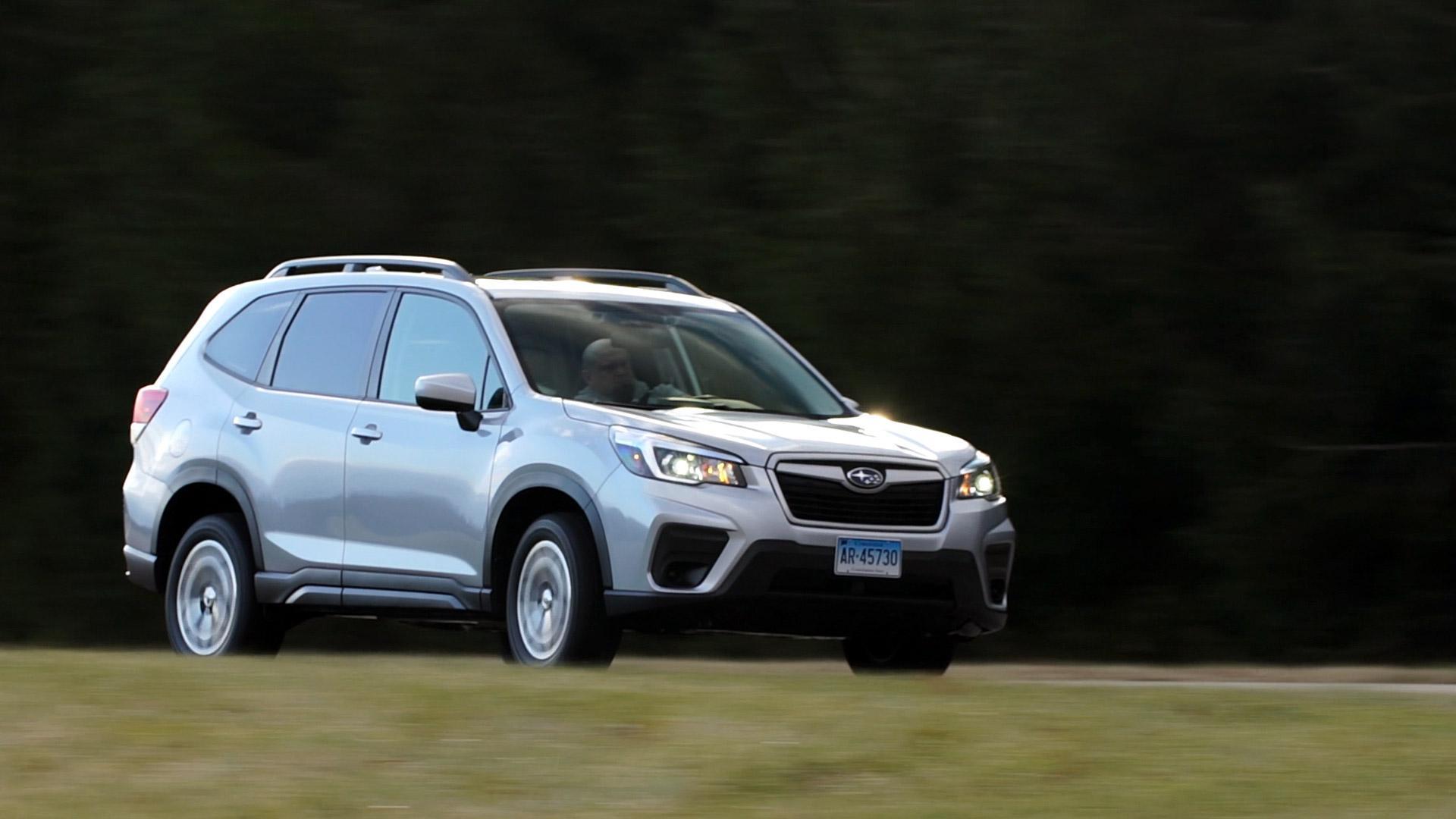
The 2013 Subaru Forester remains a popular choice on the used car market in 2026 due to its standard All-Wheel Drive, excellent visibility, and practical design. While it is generally considered a sturdy vehicle, its long-term reliability is defined by a significant transition in engine technology and specific mechanical concerns regarding oil consumption and suspension wear.
In 2026, a 2013 Subaru Forester is a thirteen-year-old vehicle. At this stage in its lifecycle, its reliability is a product of two factors: the inherent engineering strengths and weaknesses of the "SH" generation (2009–2013) and the quality of maintenance performed by previous owners. This model year is particularly interesting because it represents the final year of the third-generation Forester, meaning Subaru had several years to iron out early-generation kinks, yet it also carries the "FB25" engine, which introduced a specific set of challenges.
The Heart of the Matter: Engine Reliability and Performance
The 2013 Forester primarily features the 2.5-liter FB25 naturally aspirated boxer engine. This was a significant departure from the previous EJ-series engines. The primary technical advantage of the FB25 was the move from a timing belt to a maintenance-free timing chain. For owners in 2026, this is a major reliability win, as it eliminates the costly $1,000+ timing belt service that was a mandatory requirement every 105,000 miles on older Subarus.
However, the FB25 engine in this specific era is synonymous with one major reliability hurdle: excessive oil consumption.
The Oil Consumption Controversy
Between 2011 and 2014, Subaru faced significant criticism and a class-action lawsuit regarding the piston rings in the FB25 engine. The rings were designed with lower tension to reduce friction and improve fuel economy. In many units, this allowed oil to seep past the rings and into the combustion chamber, where it was burned off.
In 2026, if you are looking at a 2013 Forester with 120,000 to 150,000 miles, you must verify if the "short block" was ever replaced under warranty. Subaru extended the warranty for many of these vehicles to 8 years or 100,000 miles. If the vehicle still has its original, unmodified engine, it may require frequent oil top-offs—sometimes as much as a quart every 1,000 to 2,000 miles. Failure to monitor this can lead to oil starvation, which catastrophically damages the engine's internal bearings.
The Turbocharged XT Exception
The 2013 Forester 2.5XT utilized the older EJ255 turbocharged engine. While this engine does not suffer from the same piston ring issues as the FB25, it retains the older timing belt architecture. Reliability for the XT model hinges on the health of the turbocharger and the integrity of the head gaskets. By 2026, most XT models will have required at least one head gasket replacement and a timing belt service. The XT is more powerful but significantly more expensive to maintain over the long term.
Transmission Reliability: The 4EAT vs. The Manual
One of the most significant reliability "pros" for the 2013 Forester is its transmission. In 2014, Subaru moved the Forester to a Continuously Variable Transmission (CVT). While modern CVTs are much improved, the early versions had several teething issues.
The 2013 model, conversely, uses a 4-speed automatic transmission (4EAT) or a 5-speed manual.
- The 4EAT Automatic: By 2013, this transmission was ancient technology, but it was incredibly robust. It is a traditional planetary gear transmission that, if the fluid is changed every 30,000 to 50,000 miles, can easily last 250,000 miles. It lacks the refinement and fuel efficiency of a CVT, but its mechanical reliability is vastly superior for high-mileage users.
- The 5-Speed Manual: This is a simple, mechanical gearbox. The primary reliability concern here is the clutch and the viscous coupling (the center differential). If the vehicle was used for heavy towing or frequent off-roading, the center differential can "bind," causing a skipping sensation during tight turns.
Drivetrain, Suspension, and Braking
The Symmetrical All-Wheel Drive system is the Forester's hallmark, but it introduces specific maintenance requirements that affect long-term reliability.
Wheel Bearings and CV Axles
Subarus of this era are known for premature rear wheel bearing failure. In 2026, a 2013 Forester may be on its second or even third set of wheel bearings. Owners should listen for a low-frequency hum or growl that increases with vehicle speed. Additionally, the CV (constant velocity) axle boots tend to crack as the rubber ages. If the grease leaks out, the joint will click during turns and eventually fail.
Suspension Bushings
The front lower control arm bushings are a frequent point of failure. When these bushings tear, it leads to vague steering, "clunking" sounds over bumps, and uneven tire wear. Given the age of the vehicle in 2026, replacing these bushings or the entire control arm is a standard "refresh" procedure rather than an unexpected breakdown.
Head Gaskets: A Solved Problem?
A common question regarding Subaru reliability is the head gasket issue. On the 2013 base model (FB25 engine), the head gasket design was overhauled. Unlike the 1998–2010 models, the 2013 Forester does not have a systemic, "guaranteed" head gasket failure at 100,000 miles. While any engine can blow a gasket if it overheats, the 2013 naturally aspirated model is considered a "safe" year regarding this specific historical Subaru weakness.
Interior Quality and Electronics
Compared to modern 2026 vehicles, the 2013 Forester's interior is utilitarian and somewhat dated. However, from a reliability standpoint, this simplicity is an advantage.
- Infotainment: The 2013 model lacks the complex, large-screen head units that often fail in newer cars. Most electronic issues are limited to simple components like power window switches or the clock spring in the steering wheel (which can cause the airbag light to illuminate or steering wheel buttons to stop working).
- HVAC Systems: The climate control system is generally reliable, though the A/C compressor is a known wear item. If the air conditioning is not blowing cold, it is often a failed compressor clutch or a small leak in the condenser.
- Build Materials: While the plastics are hard, they are durable. Seat bolsters on the driver's side often show wear or cracking on the "leatherette" (vinyl) portions by the 13-year mark.
Summary of Maintenance Costs and Reliability
To provide a clear picture of what a 2013 Forester owner faces in 2026, the following table outlines common repairs, their symptoms, and estimated costs based on current market averages.
| Component | Common Issue | Typical Mileage | Estimated Cost (2026) |
|---|---|---|---|
| Engine (FB25) | Excessive Oil Consumption | 60,000 - 150,000 | $1,500 - $5,000 (if repair needed) |
| Wheel Bearings | Rear bearing hum/noise | 80,000 - 120,000 | $400 - $600 per side |
| Control Arm Bushings | Front-end clunking/vibration | 100,000+ | $500 - $800 (pair) |
| A/C Compressor | No cold air/clutch failure | 90,000 - 130,000 | $700 - $1,000 |
| Catalytic Converter | P0420 code (Efficiency) | 120,000+ | $800 - $1,500 |
| Spark Plugs | Routine Maintenance | Every 60,000 | $250 - $400 (labor intensive) |
Safety Ratings and Structural Integrity
Reliability isn't just about whether the car starts; it’s about how it holds up in an emergency. The 2013 Forester was an IIHS Top Safety Pick. It performed well in moderate overlap front, side, and roof strength tests.
However, buyers should be aware that the 2013 model was the last year before Subaru significantly reinforced the chassis for the "Small Overlap" crash test. While it is a safe vehicle for its era, it lacks the structural reinforcements and advanced driver-assistance systems (like EyeSight, which was very rare in 2013) found in later models. From a reliability perspective, the frame is highly resistant to rust compared to some competitors, provided the underbody was washed regularly in "salt belt" states.
Frequently Asked Questions
Does the 2013 Forester have a timing belt or chain?
The 2013 Forester 2.5X (base, Premium, Limited, Touring) uses the FB25 engine, which is equipped with a timing chain. This chain is designed to last the life of the engine and does not require periodic replacement. However, the 2.5XT (Turbo) model still uses the EJ255 engine, which has a timing belt that must be replaced every 105,000 miles or 10 years.
Is the 2013 Subaru Forester a "good" car for a high-school student in 2026?
Yes, it is often recommended for new drivers due to its standard AWD, which provides confidence in rain and snow. The visibility is best-in-class, making it easy to park and maneuver. The primary concern is the oil consumption; a young driver must be taught how to check the dipstick regularly, as letting the oil get too low will ruin the engine.
How many miles can a 2013 Forester last?
With meticulous maintenance, a 2013 Forester can reach 200,000 to 250,000 miles. The key to this longevity is changing the engine oil every 5,000 miles (regardless of Subaru’s original longer interval) and ensuring the 4-speed automatic transmission fluid is refreshed periodically. Most "dead" Foresters in 2026 are the result of neglected oil levels or deferred cooling system maintenance.
Why does my 2013 Forester smell like burning oil?
This is usually caused by one of two things: a leaking valve cover gasket or a leaking cam carrier seal. Boxer engines have cylinder heads that sit horizontally. Over time, gravity causes oil to weep from the gaskets and drip directly onto the hot exhaust manifolds, creating a distinct burning smell. While not always a "breakdown" issue, it can be a fire hazard and should be addressed.
Is the 2013 model better than the 2014 model?
In terms of pure transmission reliability, many enthusiasts argue the 2013 is superior because it avoids the first-generation CVT found in the 2014 model. The 2013 4-speed automatic is "bulletproof" by comparison. However, the 2014 model offers better fuel economy and a more modern interior.
Final Verdict and Recommendations
The 2013 Subaru Forester is a high-utility vehicle that offers a mechanical simplicity often missing in newer SUVs. Its reliability profile in 2026 is generally positive, provided the owner is proactive rather than reactive.
Buy a 2013 Forester if:
- You need a reliable AWD system for winter climates.
- You prefer a traditional automatic transmission over a CVT.
- You are disciplined about checking fluid levels monthly.
- The vehicle has a documented history of oil changes and, ideally, a record of the oil consumption test.
Avoid the 2013 Forester if:
- You want a "set it and forget it" car (this engine requires monitoring).
- The car shows signs of heavy rust on the rear subframe.
- The engine has a persistent "knock" or "tick" when warm, which may indicate internal damage from previous low-oil conditions.
To ensure long-term success with this vehicle, we recommend performing a Pre-Purchase Inspection (PPI) specifically focusing on the rear wheel bearings, control arm bushings, and any signs of oil seepage from the cam carriers. If these are in good shape, the 2013 Forester remains one of the most practical and capable used SUVs available in 2026.