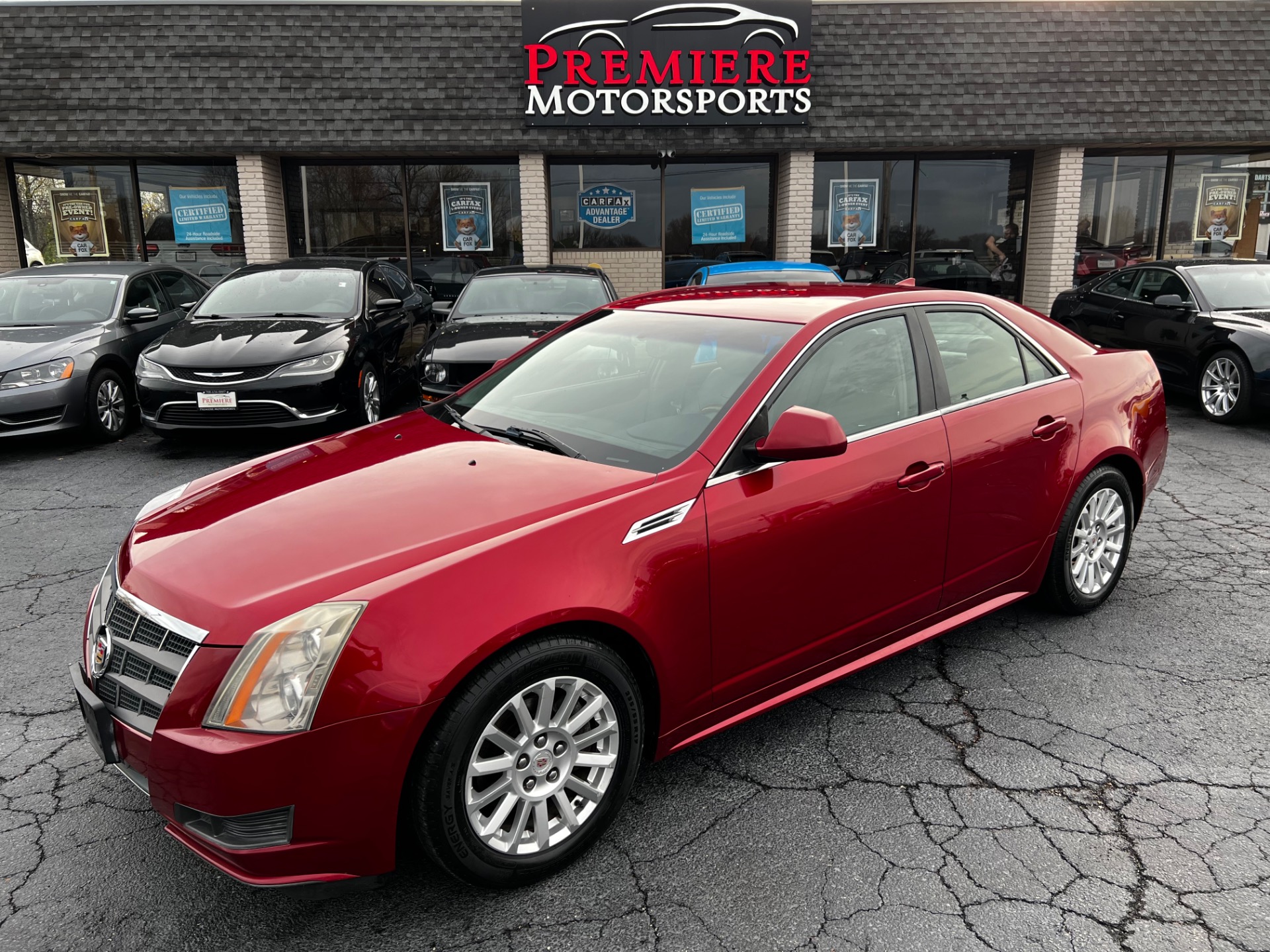
The 2010 Cadillac CTS-V achieves a 0 to 60 mph acceleration time of approximately 3.9 to 4.1 seconds when equipped with the manual transmission, and roughly 4.2 seconds with the automatic. This performance is powered by a supercharged 6.2-liter LSA V8 engine producing 556 horsepower, paired with advanced chassis technology like Magnetic Ride Control.
Introduction to the 2010 Cadillac CTS-V Performance Heritage
When General Motors introduced the second-generation Cadillac CTS-V for the 2009 model year and carried it through 2010 and subsequent model years, it fundamentally altered the perception of American luxury sedans. Long regarded as comfortable cruisers, Cadillac recalibrated its high-performance division to challenge established European sport sedans on legendary circuits like the Nürburgring. At the heart of this transformation was an uncompromising powertrain and suspension architecture.
Understanding the 2010 CTS-V 0-60 mph performance metrics requires examining far more than a single raw number. While a sprint to 60 mph in roughly 4 seconds is impressive, the engineering decisions, tire compounds, transmission variants, and weather conditions that dictate these figures tell the complete story. This analysis explores the technical specifications, real-world testing dynamics, mechanical components, and contextual factors that made the 2010 CTS-V a legendary performance bargain of its era.
Powertrain Specifications: The Supercharged LSA V8
The foundational element of the 2010 Cadillac CTS-V’s straight-line speed is its engine. Borrowing heavily from the C6 Chevrolet Corvette ZR1's LS9, the CTS-V received the LSA—a supercharged, Eaton-roots-type blown 6.2-liter aluminum block V8.
| Engine Attribute | Technical Specification |
|---|---|
| Displacement | 6.2 Liters (376 cubic inches) |
| Induction Type | Roots-type Twin-Vortices Supercharger |
| Peak Horsepower | 556 hp @ 6,100 RPM |
| Peak Torque | 551 lb-ft @ 3,800 RPM |
| Compression Ratio | 9.1:1 |
This powerplant generated 556 horsepower at 6,100 RPM and an immense 551 lb-ft of torque at 3,800 RPM. The integration of an intercooler reduced intake air temperatures, allowing for consistent boost pressure and mitigating heat soak during repeated acceleration runs. Because peak torque arrived at a relatively low 3,800 RPM, the vehicle delivered immediate throttle response from a standstill. This low-end grunt is essential for launching a nearly 4,300-pound luxury sedan off the line efficiently without relying exclusively on high-RPM clutch-dumping techniques.
Transmission Options and Their Impact on Acceleration
The 2010 CTS-V was offered with two transmission choices: a Tremec TR-6060 six-speed manual transmission and a Hydra-Matic 6L90 six-speed automatic transmission with steering-wheel-mounted paddle shifters. Each transmission yields distinct characteristics during a 0 to 60 mph acceleration test.
The Manual Transmission (TR-6060)
For skilled drivers, the six-speed manual consistently yielded the quickest 0-60 mph times, typically falling between 3.9 and 4.0 seconds. The TR-6060 featured a dual-disc clutch system that reduced pedal effort while clamping down firmly to handle the LSA's high torque output. Achieving these benchmark times required precise clutch engagement, managing wheel spin through first gear, and executing a quick shift into second gear before hitting the 60 mph mark.
The Automatic Transmission (6L90)
The six-speed automatic variant achieved 0-60 mph runs in approximately 4.2 seconds. While slightly slower off the line due to torque converter slip and taller gear ratios, the automatic offered consistent, repeatable performance. It eliminated human error during shifting and kept the supercharger under continuous load, making it remarkably effective for drag strip consistency and real-world stoplight acceleration.
Chassis Dynamics, Tires, and Launch Control
Raw horsepower alone cannot translate into rapid acceleration without mechanical grip. The 2010 CTS-V utilized several technological advantages to put its power to the pavement.
Magnetic Ride Control (MRC)
Standard on the CTS-V, Magnetic Ride Control utilized magneto-rheological fluid dampers that adjusted suspension stiffness every millisecond. When launching the car, the system could shift weight toward the rear wheels to maximize traction, minimizing squat and wheel hop—a common adversary for high-horsepower, independent rear suspension vehicles.
Factory Tire Compound
Cadillac factory-equipped the 2010 CTS-V with Michelin Pilot Sport PS2 tires, sized 255/40ZR19 in the front and 285/35ZR19 in the rear. These high-performance summer tires provided significant dry grip. However, because rubber compounds from this era harden over time and ambient temperature heavily influences traction, modern owners replicating these 0-60 mph times typically rely on newer extreme-performance summer tires or dedicated drag radials.
Comparing the 2010 CTS-V to Competitors
To contextualize the performance of the 2010 Cadillac CTS-V, it helps to examine its direct contemporaries in the high-performance executive sedan segment.
| Vehicle Model | Engine Type | Transmission | 0-60 MPH Time | Curb Weight |
|---|---|---|---|---|
| 2010 Cadillac CTS-V | 6.2L Supercharged V8 | 6-Speed Manual / Auto | 3.9 - 4.2 seconds | ~4,200 - 4,300 lbs |
| 2010 BMW M5 (E60) | 5.0L Naturally Aspirated V10 | 7-Speed SMG / Manual | 4.1 - 4.5 seconds | ~4,000 - 4,100 lbs |
| 2010 Mercedes-Benz E63 AMG | 6.2L Naturally Aspirated V8 | 7-Speed Automatic | 4.3 - 4.4 seconds | ~4,100 - 4,200 lbs |
| 2010 Audi S6 | 5.2L Naturally Aspirated V10 | 6-Speed Automatic | 5.1 seconds | ~4,500 lbs |
As demonstrated in the comparison, the CTS-V not only undercut its German rivals on price when new but also matched or exceeded their straight-line acceleration metrics, primarily due to the overwhelming torque advantage of its supercharged American V8.
Frequently Asked Questions
What is the official factory-rated 0-60 mph time for the 2010 Cadillac CTS-V?
General Motors officially rated the 2010 CTS-V at 3.9 seconds for the manual transmission variant and 4.2 seconds for the automatic. Independent automotive journalists testing the car under ideal track conditions regularly verified these figures, occasionally dipping slightly lower with optimal weather and surface preparation.
Does the 2010 CTS-V have a factory launch control system?
No, the 2010 model year did not feature a dedicated electronic launch control system like those found in modern sports cars. Drivers had to rely on throttle modulation, clutch technique, and the traction control settings (such as Competitive Driving Mode) to manage wheel spin manually.
How does altitude and weather affect the 2010 CTS-V's acceleration?
Like all forced-induction vehicles, the LSA engine performs best in cool, dense air at sea level. High ambient temperatures cause heat soak in the supercharger's intercooler system, which can retard ignition timing and reduce power output, noticeably lengthening 0-60 mph times during summer track days.
What are the most common modifications to improve 0-60 times on a 2010 CTS-V?
Because the LSA engine responds exceptionally well to aftermarket tuning, many owners install a smaller upper supercharger pulley, upgraded cold air intakes, custom engine tunes, and high-flow heat exchangers. Combined with sticky drag radials, these modifications can dramatically reduce 0-60 mph times by eliminating stock traction limitations.
How does vehicle weight impact the 2010 CTS-V performance?
At over 4,200 pounds, the CTS-V is a heavy sedan due to its robust chassis reinforcements, heavy-duty rear differential, large braking systems, and luxury interior amenities. While this weight aids in straight-line traction, it places high demands on tires during hard launches and requires precise braking management.
Practical Next Actions for Enthusiasts and Buyers
For prospective buyers or automotive enthusiasts evaluating a 2010 Cadillac CTS-V today, verifying vehicle maintenance records is essential. Inspect the supercharger isolator, intercooler pump functionality, and the health of the clutch or automatic transmission fluid. If you plan to test or experience the car's 0-60 performance firsthand, ensure the vehicle is fitted with high-quality, modern tires, as old rubber will easily negate the supercharged engine's capabilities. Prioritize a professional pre-purchase inspection to verify that the drivetrain components can safely handle the immense torque output associated with this iconic American performance sedan.