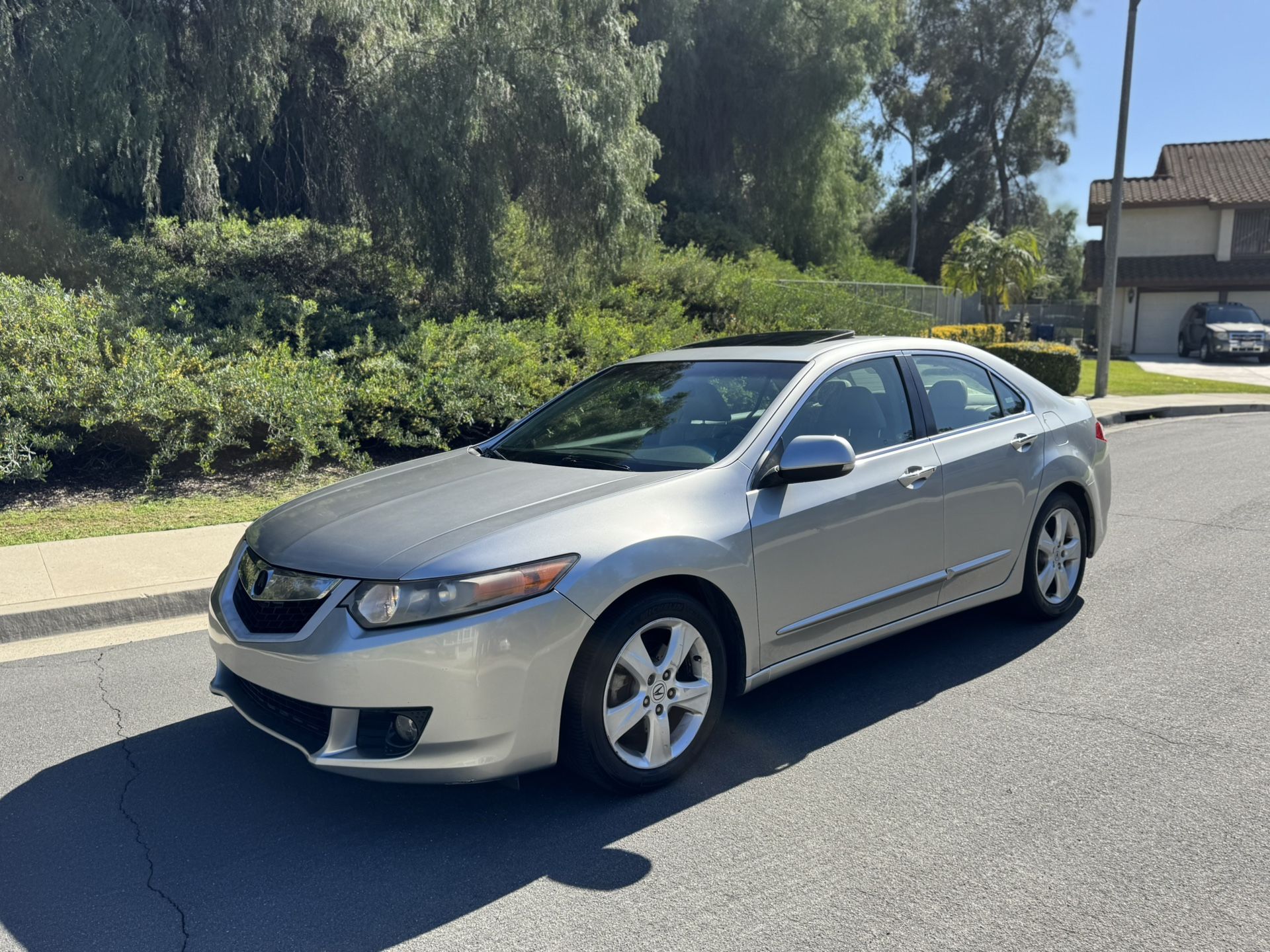
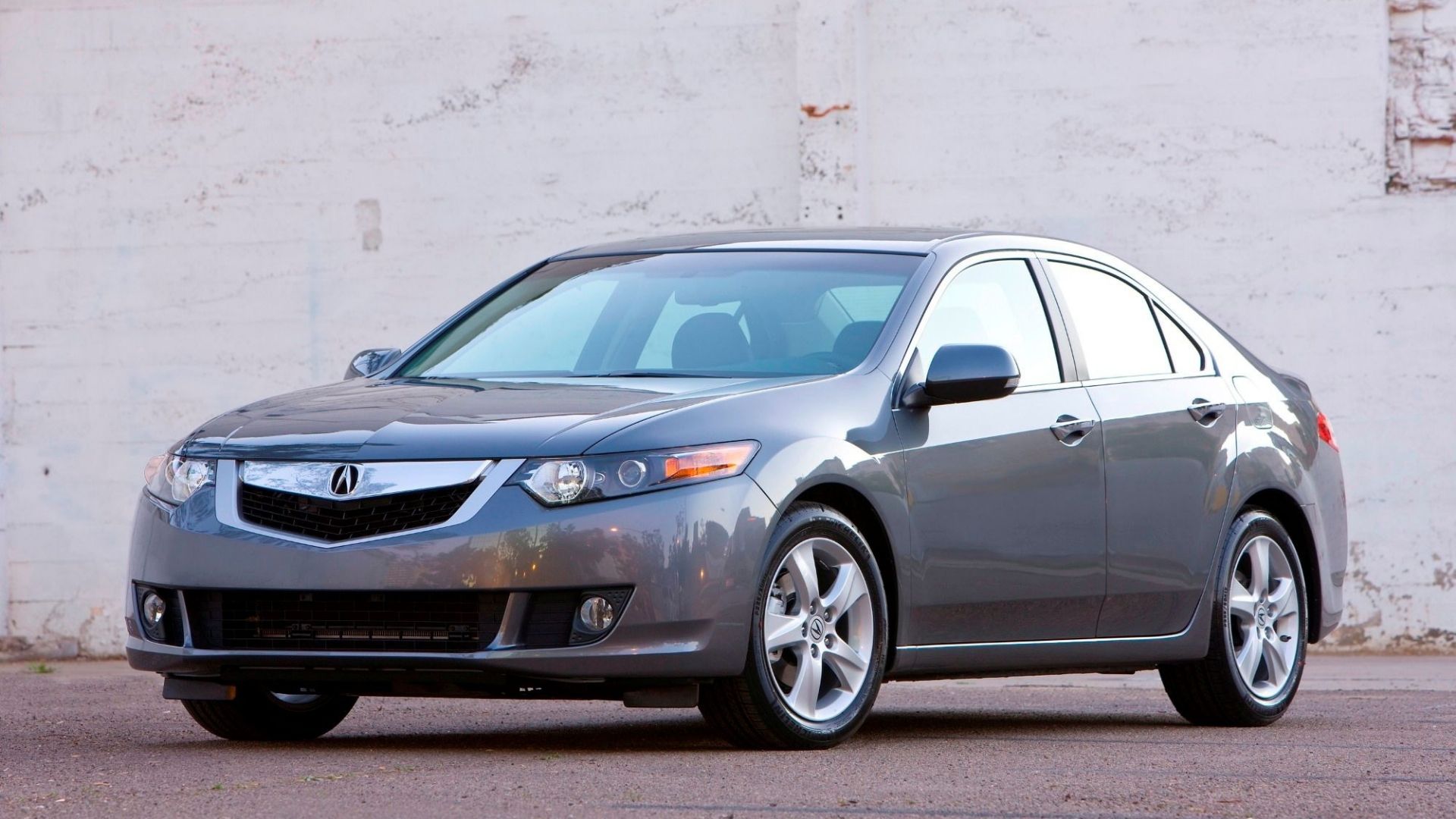
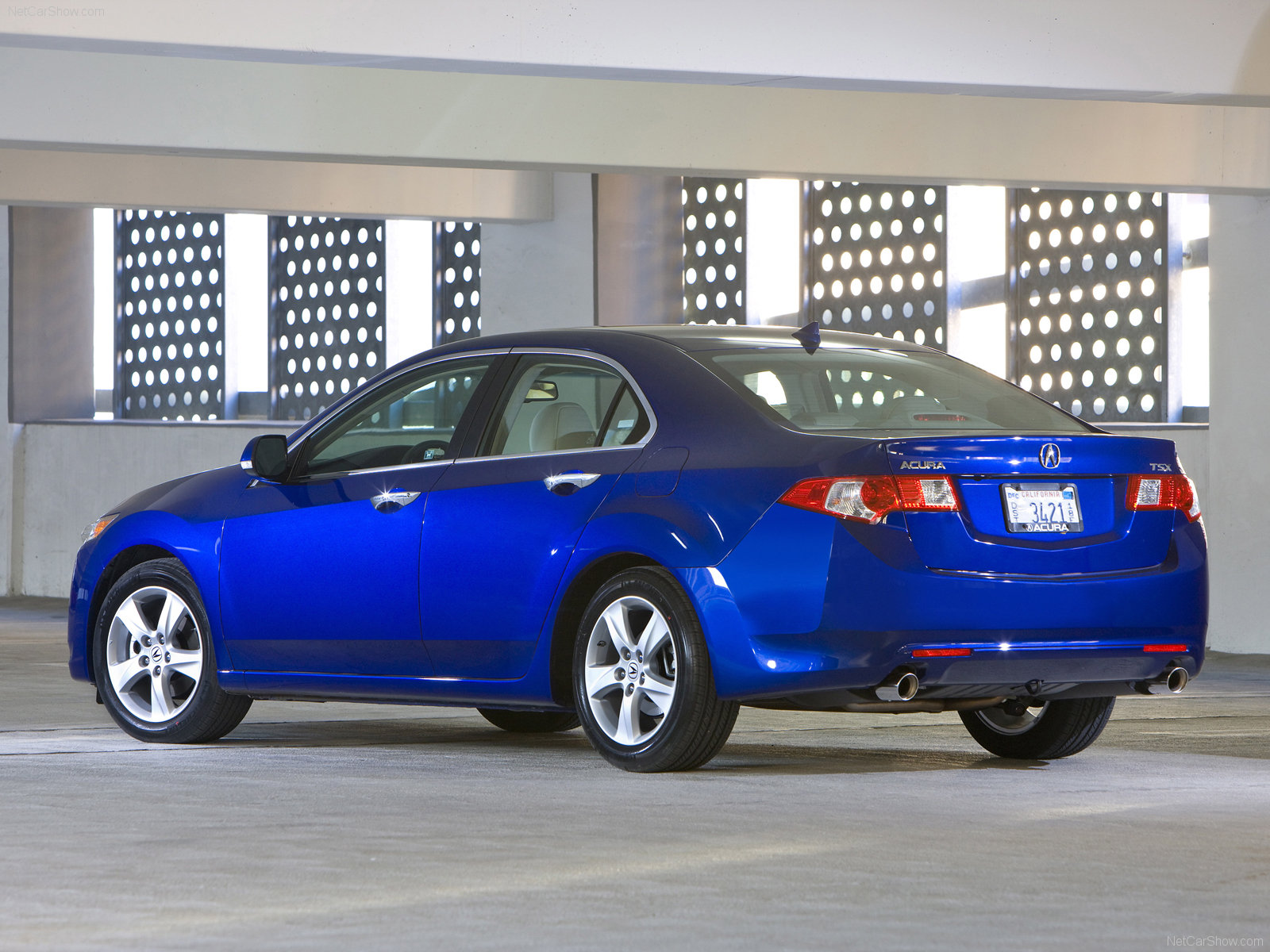
The 2009 Acura TSX exhibits high overall reliability, anchored by its durable powertrain options and Honda engineering heritage. While common early-generation issues like power steering pump failures and oil consumption on manual variants require attention, routine maintenance easily keeps these vehicles running past 200,000 miles.
Evaluating a pre-owned luxury sport sedan from the late 2000s requires a careful balance between historical brand reputation and real-world mechanical wear. The 2009 model year marked the introduction of the second-generation Acura TSX, a vehicle that grew slightly in size, adopted a bolder design language, and carried over a refined mechanical architecture derived closely from the Honda Accord platform sold globally. For buyers, enthusiasts, and commuters looking for an affordable, dependable daily driver in 2026, understanding the nuances of 2009 Acura TSX reliability is essential. This guide breaks down powertrain performance, chronic mechanical issues, maintenance realities, and long-term ownership costs.
Evolution and Identity of the Second-Generation Acura TSX
The 2009 Acura TSX represented a significant shift from the first generation (2004–2008). Built on a wider, stiffer chassis with an increased wheelbase, this iteration aimed directly at the entry-level luxury compact segment dominated by European competitors like the BMW 3 Series and Audi A4. Acura positioned the TSX as a driver-focused, technologically advanced alternative that prioritized Japanese build quality and lower operational overhead over European prestige.
Underneath the updated exterior sheet metal and sharper interior layout, the car relied on tried-and-tested Honda engineering. It offered buyers a choice of two distinct engines: a naturally aspirated 2.4-liter four-cylinder engine or a larger 3.5-liter V6 engine introduced slightly later in the production run. Both powerplants were paired with automatic or manual transmissions designed to endure high mileage with basic upkeep. Because of this foundation, the 2009 Acura TSX reliability index remains well above average for a vehicle of its age, making it a frequent recommendation in used car marketplaces.
Powertrain Options and Mechanical Durability
At the heart of the 2009 Acura TSX's reputation for longevity are its engine and transmission configurations. A vehicle's long-term reliability is dictated heavily by how its core mechanical components handle decades of thermal cycles, fluid degradation, and daily wear.
The 2.4-Liter K24Z3 Four-Cylinder Engine
The standard engine for the 2009 TSX is the K24Z3, a 2.4-liter inline-four producing 201 horsepower. This engine utilizes Honda's i-VTEC system (Intelligent Variable Valve Timing and Lift Electronic Control) and features a timing chain rather than a rubber timing belt.
- Timing Chain Longevity: Unlike interference engines with rubber belts that require replacement every 90,000 to 100,000 miles, the K24Z3 timing chain typically lasts the lifetime of the engine, provided the vehicle has maintained a consistent oil change schedule.
- Oil Consumption Considerations: While the engine is exceptionally robust, higher-mileage examples—particularly those equipped with the 6-speed manual transmission where drivers frequently rev higher—can experience minor oil consumption. Owners should check their oil levels between changes to prevent premature wear on the valvetrain.
The 3.5-Liter J35Z6 V6 Engine
Introduced to satisfy buyers seeking smoother, effortless acceleration, the 3.5-liter V6 produces 280 horsepower. This engine shares DNA with the V6 powerplants found in contemporary Honda Accord and Acura TL models.
- Smooth Power Delivery: The V6 is exceptionally balanced and rarely suffers from internal mechanical failures when properly maintained.
- Maintenance Differences: Unlike the four-cylinder engine, the V6 uses a rubber timing belt. This belt, along with the water pump and tensioner, must be replaced every 105,000 miles or 7 years. Neglecting this service can lead to catastrophic engine interference.
Transmission Performance
Buyers could choose between a 5-speed automatic transmission with Sequential SportShift paddle shifters and a 6-speed manual transmission (available exclusively on the four-cylinder model).
- The 5-speed automatic is generally reliable, though fluid changes every 30,000 to 45,000 miles are critical to prevent rough shifting or premature clutch pack wear.
- The 6-speed manual is praised by enthusiasts for its crisp shifter gates and durable clutch assembly, though clutch lifespan varies significantly based on previous driving habits.
| Component / System | Potential Vulnerability | Recommended Service Interval | Severity Level |
|---|---|---|---|
| K24Z3 Timing Chain | Guide wear at high mileage (>200k mi) | Inspect if engine rattles on startup | Low |
| J35Z6 Timing Belt | Rubber degradation and tensioner failure | Every 105,000 miles / 7 years | High (Critical) |
| Power Steering Pump | O-ring seal failure causing whine/air leaks | Inspect/Replace O-ring as needed | Low |
| VTC Actuator | Morning rattle on cold starts (K24) | Replace with updated Acura part | Moderate |
| Suspension Bushings | Rubber cracking and arm play | Inspect every 60,000 miles | Low to Moderate |
Chronic Issues and Known Mechanical Quirks
Even the most reliable vehicles develop specific model-unique issues as they age. Documented owner experiences and service bulletins highlight a few common trouble spots for the 2009 Acura TSX. Addressing these early prevents minor inconveniences from escalating into costly repairs.
Power Steering Pump Whine and O-Ring Leaks
A frequent complaint among second-generation TSX owners is a whining noise emanating from the engine bay, particularly when turning the steering wheel on cold mornings. This is typically caused by a deteriorated rubber O-ring on the power steering pump's inlet joint. The degraded O-ring allows air to enter the system, aerating the fluid. Fixing this issue is inexpensive, often requiring only a few dollars in parts and basic hand tools to replace the small rubber seal.
VTC Actuator Cold Start Rattle
Some four-cylinder models experience a brief grinding or rattling noise from the top of the engine during cold starts. This is caused by play in the Variable Timing Control (VTC) actuator. While it can sound alarming, it rarely causes immediate engine failure. However, leaving it unaddressed for years can accelerate wear on the timing chain components. Replacing the VTC actuator with an updated factory revision permanently resolves the issue.
Suspension and Steering Component Wear
As a sport-tuned sedan, the 2009 TSX utilizes a double-wishbone front suspension and multi-link rear setup that delivers sharp handling. However, the rubber bushings, lower control arms, and compliance bushings take a beating over rough road surfaces. High-mileage cars often exhibit clunking noises over bumps, uneven front tire wear, or a loose steering feel. Replacing worn suspension bushings and struts restores factory handling dynamics.
Electrical Systems, Interior Electronics, and Climate Control
Beyond mechanical engines and transmissions, modern vehicle reliability hinges heavily on electrical architecture. The 2009 Acura TSX was well-equipped for its era, featuring optional premium audio systems, navigation displays, Bluetooth connectivity, and dual-zone automatic climate control.
Infotainment and Display Failures
The center console screen and associated dashboard buttons are generally durable, but older units can suffer from backlight failures or unresponsive controllers. Bluetooth modules from this era can occasionally fail or draw a parasitic electrical drain on the battery when the vehicle is turned off. Disconnecting or replacing a faulty Bluetooth control unit is a common, straightforward DIY fix documented across enthusiast forums.
Alternator and Starter Longevity
The electrical charging system components—namely the alternator and starter motor—typically last between 120,000 and 180,000 miles. When an alternator begins to fail, drivers may notice dimming headlights or intermittent battery warning lights on the dashboard. Replacing these units with Original Equipment Manufacturer (OEM) or high-quality remanufactured parts ensures electrical stability.
Long-Term Maintenance and Cost of Ownership
One of the greatest advantages of owning a 2009 Acura TSX is its modest cost of ownership compared to European luxury counterparts of the same vintage. Because major chassis and drivetrain components share parts with Honda models, parts availability is high, and labor rates at independent mechanic shops remain reasonable.
Routine Maintenance Best Practices
Ensuring long-term reliability relies on proactive upkeep rather than reactive repairs:
- Oil Changes: Stick to high-quality synthetic oils meeting Honda specifications every 5,000 to 7,500 miles.
- Fluid Flushes: Regularly replace brake fluid, coolant, and automatic transmission fluid to prevent internal corrosion and component wear.
- Spark Plugs: Inspect and replace iridium spark plugs at the recommended 100,000-mile interval to maintain fuel efficiency and smooth combustion.
Fuel Economy and Daily Usability
The four-cylinder engine achieves an EPA-estimated fuel economy of approximately 21 mpg city and 30 mpg highway, making it an efficient commuter. The V6 variant trades some fuel economy for performance, dropping slightly to roughly 18 mpg city and 27 mpg highway. Both engines operate reliably on standard regular unleaded gasoline, reducing daily fueling costs compared to premium-only luxury vehicles.
Frequently Asked Questions About 2009 Acura TSX Reliability
Is the 2009 Acura TSX a reliable used car?
Yes, the 2009 Acura TSX is widely considered a very reliable used car. Because it relies heavily on Honda mechanical engineering and shares its foundational platform with the Accord, it routinely surpasses 200,000 miles with basic routine maintenance and minor component replacements.
What are the main problems with the 2009 Acura TSX?
The most common issues reported by owners include a minor power steering pump O-ring leak that causes a whining sound, a VTC actuator rattle during cold engine starts on four-cylinder models, and normal wear on suspension bushings and engine mounts as the vehicle ages.
Does the 2009 Acura TSX require premium gas?
No, the 2009 Acura TSX is designed to run safely and efficiently on regular unleaded (87 octane) gasoline for both the four-cylinder and V6 engine options, helping reduce long-term fueling costs.
How long does a 2009 Acura TSX engine last?
With proper care, consistent oil changes, and prompt attention to recommended service intervals—such as the V6 timing belt replacement—both the 2.4L four-cylinder and 3.5L V6 engines can easily last between 200,000 and 250,000 miles or more.
How does the 2009 TSX compare to European luxury cars of the same year?
Compared to entry-level luxury sedans from BMW, Audi, or Mercedes-Benz of the same vintage, the 2009 Acura TSX offers significantly lower maintenance costs, higher overall reliability, and fewer complex electrical failures, though it features a front-wheel-drive layout rather than rear-wheel-drive dynamics.
Final Recommendations for Used Car Buyers
For prospective buyers evaluating a 2009 Acura TSX, prioritizing vehicle history, service records, and a thorough pre-purchase inspection by an independent mechanic is essential. Look for models with documented oil change intervals and verify whether major services—such as the V6 timing belt or front suspension component refreshes—have already been completed. When purchased in healthy mechanical condition, this sedan provides a dependable, engaging, and cost-effective ownership experience that rivals many newer commuter vehicles.