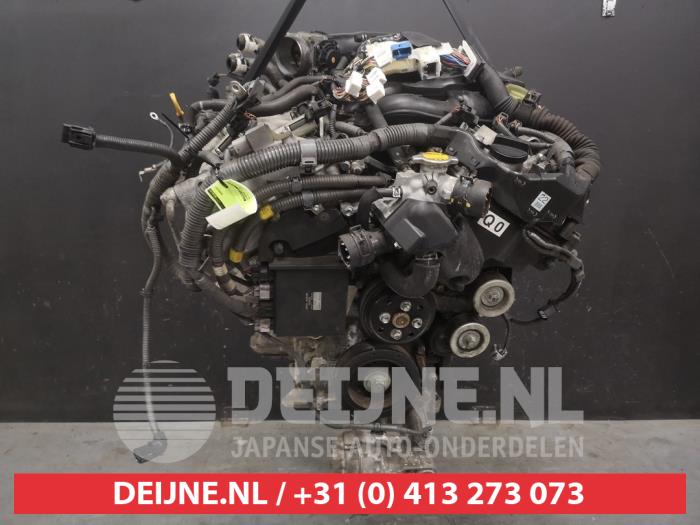
The 2006 Lexus IS 250 is powered by the 4GR-FSE engine, a 2.5-liter V6 featuring D-4 direct injection technology. This powertrain was designed to balance fuel efficiency with the refined power delivery expected of a luxury sport sedan. Understanding its specific maintenance requirements, such as carbon buildup management and high-pressure fuel system care, is essential for long-term reliability.
The 2006 model year marked a significant shift for the Lexus IS series, moving away from the inline-six engines of the previous generation to the V6 configuration. The 4GR-FSE engine, which belongs to the Toyota GR engine family, utilizes an aluminum alloy block and heads to reduce weight while maintaining structural rigidity. For owners, enthusiasts, and prospective buyers, this engine remains a subject of interest due to its engineering complexity and its position as a staple of mid-2000s Japanese automotive luxury.
Technical Specifications and Engineering Design
The 4GR-FSE engine is a 2,499cc (2.5L) naturally aspirated V6. It features a 60-degree V-angle, which is generally favored for its inherent balance and compactness. One of the most notable features of this engine is its D-4 direct-injection system. Unlike conventional port-injected engines, the 4GR-FSE sprays fuel directly into the combustion chamber. This technology allows for higher compression ratios—rated at 12.0:1—which optimizes thermal efficiency and power output.
The engine produces approximately 204 horsepower (152 kW) at 6,400 rpm and 185 lb-ft of torque at 4,800 rpm. While these figures may appear modest by current 2026 standards, they provided competitive performance for the entry-level luxury segment upon the vehicle's release. The use of Dual VVT-i (Variable Valve Timing with intelligence) on both intake and exhaust cams further enhances the engine's ability to maintain torque across a wide power band, ensuring the IS 250 remains responsive in urban driving and highway cruising scenarios.
Direct Injection and Carbon Accumulation
One of the most discussed technical aspects of the 4GR-FSE is the phenomenon of carbon buildup on the intake valves. Because the 4GR-FSE utilizes direct injection, fuel is not sprayed over the intake valves to wash away deposits, as it would be in a port-injected engine. Over time, oil vapors from the positive crankcase ventilation (PCV) system can adhere to the back of the intake valves, where they bake onto the hot surfaces, forming carbon deposits.
Symptoms of excessive carbon accumulation can include rough idling, hesitation during acceleration, and a noticeable reduction in throttle response. While this is a well-documented characteristic rather than a catastrophic mechanical failure, it requires owners to be proactive. In 2026, many specialists recommend periodic induction cleanings or walnut blasting (a media-blasting process) to clear these deposits from the intake ports if the vehicle exhibits performance degradation.
Maintenance Requirements for Long-Term Reliability
To keep the 2006 Lexus IS 250 engine performing optimally, adherence to a strict maintenance schedule is paramount. The engine utilizes a timing chain rather than a timing belt, which provides a significant advantage in terms of service intervals, provided the oil is changed at the manufacturer-recommended intervals.
- Oil Selection: The use of high-quality synthetic oil (typically 5W-30) is critical. Because the engine operates under high pressure and temperature, thin, high-detergent oils help prevent sludge buildup, which is detrimental to the fine oil passages governing the VVT-i system.
- Cooling System: The cooling system components, specifically the water pump and thermostat, should be inspected every 60,000 to 80,000 miles. Overheating is the primary enemy of the aluminum block, as it can lead to warped cylinder heads and compromised head gaskets.
- Ignition Components: The 4GR-FSE is sensitive to spark plug wear. Using iridium-tipped plugs, as specified by the manufacturer, is essential to maintain the precise ignition timing required by the direct-injection system. Replacing these plugs typically occurs at 100,000-mile intervals.
Comparative Analysis of Engine Components
To better understand the requirements of the 2006 IS 250 engine compared to other powerplants of the era, the following table summarizes key operational considerations.
| Component | Maintenance Focus | Typical Interval | Impact of Neglect |
|---|---|---|---|
| Engine Oil | Synthetic 5W-30 | 5,000–7,500 miles | VVT-i failure, sludge |
| Spark Plugs | Iridium OEM spec | 100,000 miles | Misfires, poor economy |
| Water Pump | Cooling efficiency | 80,000 miles | Overheating, engine warp |
| Air Filter | Intake restriction | 15,000 miles | Reduced power/economy |
| Intake Valves | Carbon cleaning | As needed | Rough idle, hesitation |
Troubleshooting Common Issues
When diagnosing issues with the 2006 Lexus IS 250 engine, it is important to differentiate between sensor-related faults and mechanical wear. The engine control module (ECM) is highly sensitive, and any fluctuation in voltage or air-fuel mixture will trigger a check engine light.
1. VVT-i Solenoid Issues: The VVT-i oil control valves are prone to becoming sluggish if oil changes are neglected. This usually presents as an engine code related to camshaft timing. Often, replacing the solenoid or cleaning the oil screen is sufficient to resolve the issue.
2. Vacuum Leaks: Given the age of the vehicle, rubber components such as vacuum hoses and intake boots can become brittle. A vacuum leak can cause an erratic idle or a "lean" condition, which is often misdiagnosed as an O2 sensor failure. Always perform a smoke test before replacing expensive sensors.
3. Fuel System Pressure: The high-pressure fuel pump (HPFP) is specific to the direct-injection system. If the engine experiences long cranking times before starting, the HPFP may not be maintaining adequate pressure in the fuel rail.
Operational Limitations and Performance Expectations
Drivers considering the 2006 IS 250 should manage their expectations regarding power. While the IS 350 features a larger 3.5-liter engine (the 2GR-FSE) with significantly more power, the IS 250 focuses on fuel efficiency and smooth operation. The 204 horsepower output is perfectly adequate for daily commuting, but it is not a high-performance engine by modern standards.
Furthermore, the 2006 model year featured the 6-speed automatic transmission (or a 6-speed manual in specific trims). The interaction between the transmission's shift logic and the V6 engine's torque curve is well-integrated for comfort. Those seeking to modify the engine for higher output should note that the naturally aspirated 4GR-FSE has limited potential for significant power gains through traditional bolt-on modifications like air intakes or exhausts, which primarily serve to change the acoustic profile rather than increase horsepower.
The Role of Preventive Care in 2026
By 2026, many 2006 Lexus IS 250 units have surpassed the 150,000-mile mark. At this stage, preventive care shifts from basic oil changes to the replacement of aging rubber and plastic cooling components. Plastic radiator end tanks, for instance, are prone to cracking after two decades of heat cycling. Replacing the radiator and all associated coolant hoses is an inexpensive way to prevent a catastrophic engine failure that could occur miles from home.
Additionally, the engine mounts should be inspected. A failing engine mount allows excessive vibration to transfer into the cabin, which can be mistaken for engine roughness. Replacing these mounts restores the "Lexus-level" refinement that the IS 250 was famous for when it debuted.
Frequently Asked Questions
Does the 2006 Lexus IS 250 engine have a timing belt or chain? The 2006 Lexus IS 250 utilizes a timing chain. This is designed for the life of the engine and does not require periodic replacement like a rubber timing belt, provided the engine oil is kept clean to lubricate the chain guides and tensioner properly.
Why does my IS 250 engine idle roughly? A rough idle in this engine is frequently caused by carbon deposits on the intake valves due to the direct-injection system. Other common causes include a dirty throttle body, a failing mass airflow (MAF) sensor, or old spark plugs.
Is premium fuel required for this engine? Yes, the 4GR-FSE engine is designed to run on premium unleaded gasoline (91 octane or higher). The high compression ratio necessitates this to prevent engine knocking (detonation), which can trigger the knock sensors and reduce ignition timing, resulting in lost performance.
What is the most common failure point on this engine? While the engine is generally reliable, the most common issues are related to the intake system's carbon buildup and the secondary cooling system components, such as the water pump, which may require replacement to prevent overheating.
Can I increase the horsepower of my 2006 IS 250 significantly? Significant power increases are difficult to achieve with this engine without forced induction, which is both expensive and complex for this platform. Most owners find the best "performance" comes from ensuring the engine is in factory-peak condition through regular maintenance.
Final Recommendations
For those currently operating a 2006 Lexus IS 250, the key to longevity is consistent, high-quality maintenance. Because the 4GR-FSE is a sophisticated direct-injection unit, it does not tolerate neglect. Stick to the premium fuel requirements, ensure high-quality synthetic oil is used, and stay vigilant regarding cooling system health. By addressing carbon buildup as it manifests and keeping the ignition system fresh, this engine can provide many more miles of reliable service. If you are experiencing persistent performance issues, always prioritize a scan for diagnostic trouble codes (DTCs) at a reputable shop to avoid unnecessary part replacements.