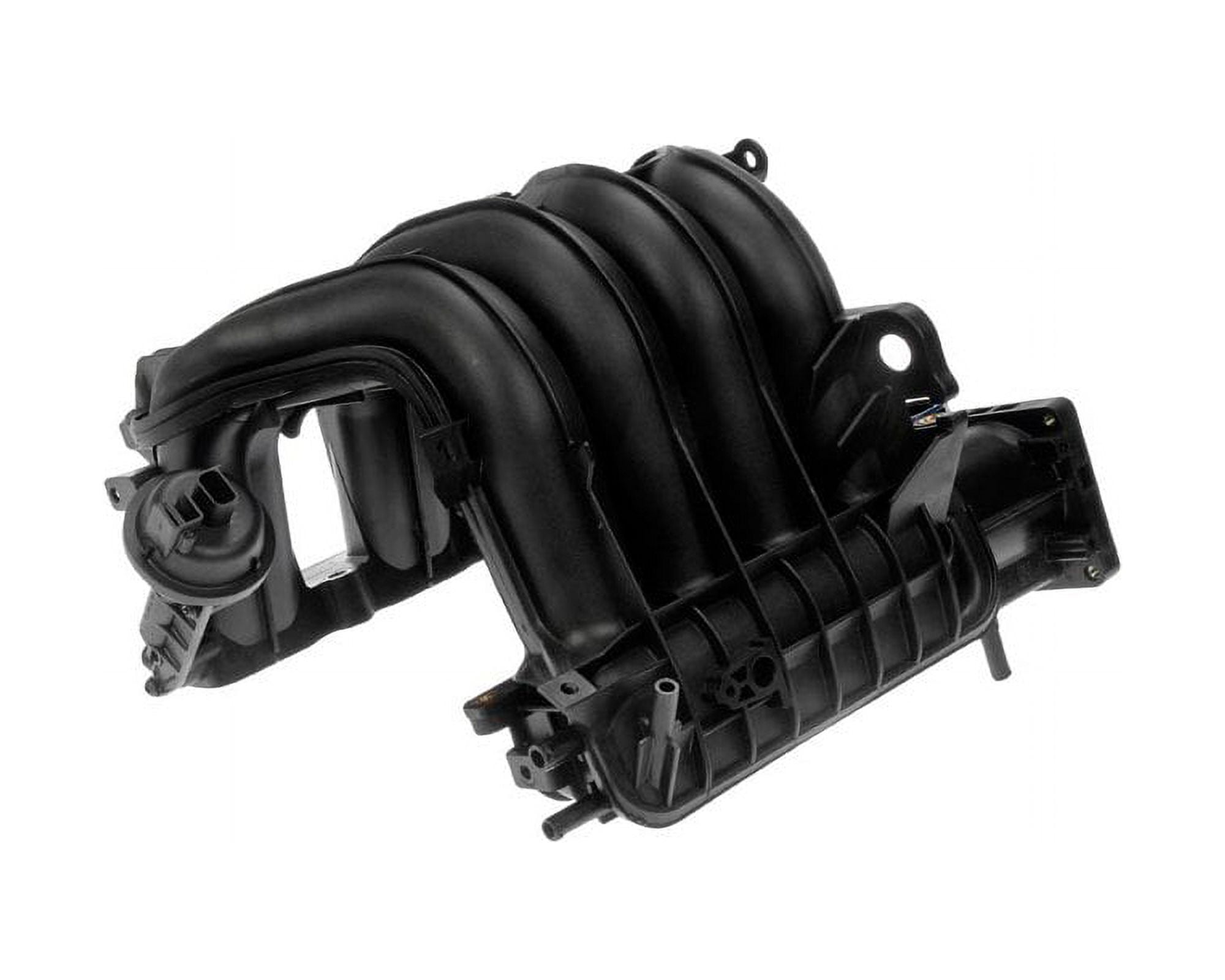
The 2003 Ford Ranger intake manifold occupies a specific technological chapter in the evolution of light-truck engineering, bridging the gap between older pushrod configurations and modern plastic-composite manifold designs. Over its production span, Ford utilized distinct intake manifold materials and runner geometries tailored to match the unique performance envelopes of the 2.3L Duratec, 3.0L Vulcan, and 4.0L Cologne V6 engines.
Introduction to the 2003 Ford Ranger Induction System
The year 2003 represented a mature phase for the third-generation Ford Ranger. Under the hood, buyers could choose from inline-four and V6 powerplants, each requiring a specialized air induction and distribution apparatus. The intake manifold—the engine component responsible for supplying the air-fuel mixture or air charge evenly to each combustion chamber—played a critical role in determining low-end torque, throttle response, and emissions efficiency.
Understanding the history of the 2003 Ford Ranger intake manifold requires looking at how material science shifted from traditional cast iron and heavy aluminum to advanced thermo-plastic composites. This shift was driven by the need to reduce weight, optimize internal airflow dynamics through smoother runner walls, and lower manufacturing costs while improving thermal isolation from the hot cylinder heads.
Engine Variants and Their Respective Intake Manifolds
The 2003 Ford Ranger was offered with three primary engine options. Each powerplant featured an entirely different intake manifold architecture, reflecting distinct engineering lineages and displacement requirements.
The 2.3L Duratec I4 (DOHC)
Introduced to the Ranger lineup for the 2001 model year to replace the older 2.5L Lima engine, the 2.3L Duratec utilized a modern, lightweight composite plastic intake manifold.
- Design Philosophy: Engineered for high volumetric efficiency at higher RPMs while maintaining low-end tractability.
- Key Features: Features long, tuned intake runners designed to build mid-range torque, paired with an integrated plenum chamber and electronic throttle body (Drive-by-Wire or traditional cable-actuated depending on early/late production, though 2003 largely utilized cable or early electronic variants depending on exact build date).
The 3.0L Vulcan V6 (OHV)
A staple of the Ford light truck lineup since the late 1980s, the 3.0L Vulcan pushrod engine used a traditional two-piece aluminum intake manifold configuration.
- Design Philosophy: Built for rugged durability and predictable low-end torque suitable for utility work.
- Key Features: Consists of a lower aluminum intake manifold bolted directly to the cast-iron cylinder heads, topped by an upper aluminum plenum. This design was chosen for its mechanical robustness and ability to withstand high under-hood operating temperatures over hundreds of thousands of miles.
The 4.0L Cologne V6 (SOHC)
The premium engine choice for the 2003 Ford Ranger was the 4.0L Single Overhead Cam (SOHC) V6, featuring a sophisticated composite plastic intake manifold system.
- Design Philosophy: Maximizing power across a wide RPM band for towing and off-road capability.
- Key Features: Utilizes a high-capacity composite upper plenum and lower runner assembly. The composite material prevents heat soak from the engine block, keeping the incoming air charge cooler and denser for improved combustion efficiency.
Material Evolution: Aluminum Versus Composite Plastics
The history of Ford Ranger intake manifolds mirrors a broader industry-wide transition during the late 1990s and early 2000s. Automakers moved away from cast aluminum and iron toward engineered polymers such as glass-filled nylon.
| Feature / Characteristic | Cast Aluminum Manifolds (3.0L) | Composite Plastic Manifolds |
|---|---|---|
| Thermal Conductivity | High (absorbs engine bay heat) | Low (resists heat soak) |
| Internal Surface Finish | Rougher (unless hand-ported) | Extremely smooth (glass-like) |
| Weight | Heavy | Lightweight |
| Manufacturing Method | Sand casting / Machining | Injection molding / Vibration weld |
| Common Failure Mode | Gasket degradation, corrosion | Warping, cracking at high heat |
Thermal Efficiency and Heat Soak
Aluminum is an excellent thermal conductor, which presents a drawback in intake manifold design. Heat radiated from the cylinder heads transfers directly into the aluminum runners of the 3.0L Vulcan engine, warming the incoming air charge. Colder air is denser and contains more oxygen molecules, resulting in better combustion. The composite manifolds found on the 2.3L Duratec and 4.0L Cologne engines act as thermal insulators, keeping the intake charge cooler.
Internal Boundary Layer Friction
Cast aluminum manifolds often feature microscopically rough interior surfaces due to the sand-casting process. Conversely, injection-molded composite plastic manifolds provide exceptionally smooth internal runner walls. This reduces boundary layer friction, allowing air to flow with less turbulence into the combustion chambers.
Common Historical Issues and Maintenance Milestones
As these vehicles have aged into collectors' items and reliable daily drivers, certain recurring maintenance items and failure points have become well-documented by automotive technicians and Ranger enthusiasts.
Gasket Degradation and Vacuum Leaks
Over long periods of thermal cycling, the rubberized sealing o-rings and gaskets between the intake manifold and the cylinder heads lose their elasticity.
- Symptoms: Rough idle, high idle speeds, lean fuel trim diagnostic trouble codes (such as P0171 and P0174), and a whistling sound under the hood.
- Resolution: Replacement of the intake manifold gasket set. For the 3.0L and 4.0L engines, this requires removing the upper plenum and associated wiring harnesses.
Cracking and Warping in Composite Plenums
While composite manifolds resist corrosion, long-term exposure to extreme engine bay temperatures can cause localized embrittlement. Older 4.0L SOHC manifolds occasionally developed hairline cracks near mounting bolt flanges or EGR (Exhaust Gas Recirculation) ports if equipped, leading to coolant or vacuum leaks.
Replacement Procedures and Best Practices
Replacing an intake manifold on a 2003 Ford Ranger requires methodical disassembly. Because engine configurations vary significantly between the four-cylinder and V6 variants, technicians must follow specific torque sequences and safety precautions.
- Safety and Preparation: Disconnect the negative battery terminal to prevent electrical shorts. Relieve fuel system pressure if working around fuel rail assemblies. Drain a small amount of coolant if the intake manifold passes coolant (common on V6 configurations).
- Component Removal: Remove the air intake ducting, throttle body, alternator brackets, and wiring harness clips obstructing access to the manifold bolts.
- Cleaning Mating Surfaces: Thoroughly scrape away old gasket material from aluminum or iron cylinder heads using non-gouging plastic or brass scrapers. Debris falling into open intake ports can cause catastrophic engine damage.
- Torque Specifications: When installing a new manifold or reinstalling a cleaned unit, always use new gaskets and torque the fasteners in a criss-cross pattern starting from the center outward to ensure even clamping force.
Frequently Asked Questions
Are the intake manifolds interchangeable between different model years of the Ford Ranger?
No. Intake manifolds are strictly engine-family specific and often generation-specific. A 3.0L Vulcan manifold cannot be fitted to a 4.0L Cologne engine, and even within the same engine family, emissions equipment changes between older models and 2003 variants can alter vacuum port locations and EGR routing.
What causes a 2003 Ford Ranger intake manifold to leak coolant?
On engines where coolant passages flow directly through the intake manifold mating surface (such as certain V6 configurations), internal corrosion of aluminum or degradation of the plastic crossover sections can lead to coolant leaks, either externally onto the engine block or internally into the crankcase.
How do I diagnose a vacuum leak on a 2003 Ford Ranger intake manifold?
A smoke machine introduced into the vacuum system is the most reliable diagnostic tool. Alternatively, technicians often use a propane torch (unlit) or automotive-safe brake cleaner sprayed cautiously around the manifold gasket mating lines while the engine idles; a sudden change in idle RPM indicates a vacuum leak.
Can a cracked composite intake manifold be repaired with epoxy?
While temporary field repairs using high-temperature epoxy can sometimes seal a non-structural crack, high pressure and thermal cycling inside the intake plenum usually cause temporary patches to fail. Replacement with a new or verified-sound OEM or aftermarket manifold is strongly recommended.
Conclusion and Next Actions
The intake manifold systems of the 2003 Ford Ranger represent a fascinating cross-section of automotive engineering history, showcasing the transition from heavy cast aluminum to advanced thermal plastics. Whether maintaining a rugged 3.0L Vulcan work truck or restoring a 4.0L SOHC trail rig, understanding the material differences, common gasket failure points, and proper torque sequences ensures long-term engine reliability. For owners experiencing erratic idle speeds or diagnostic trouble codes related to air-fuel mixtures, inspecting the intake manifold gaskets and vacuum lines should be the immediate next diagnostic step.