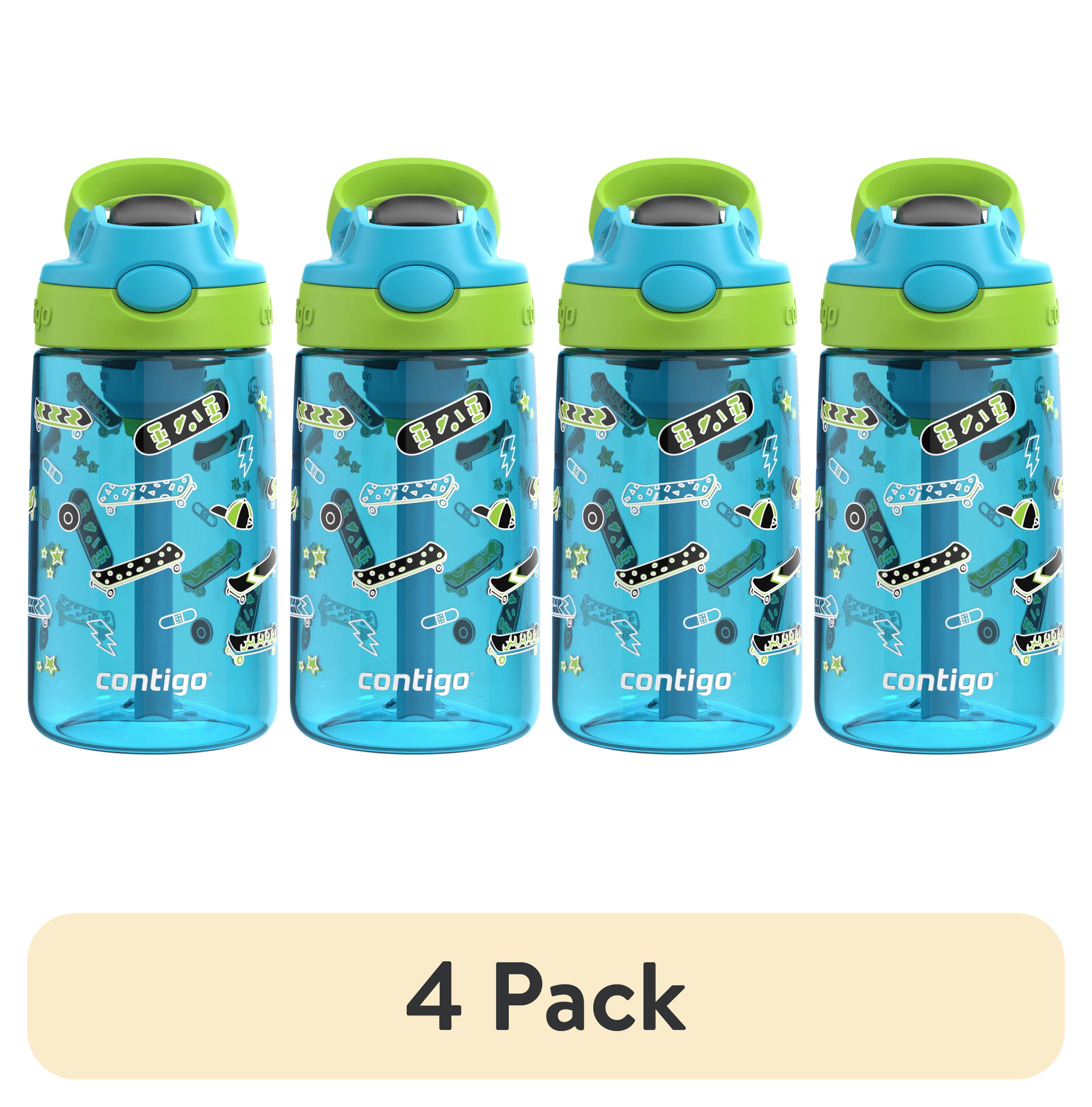
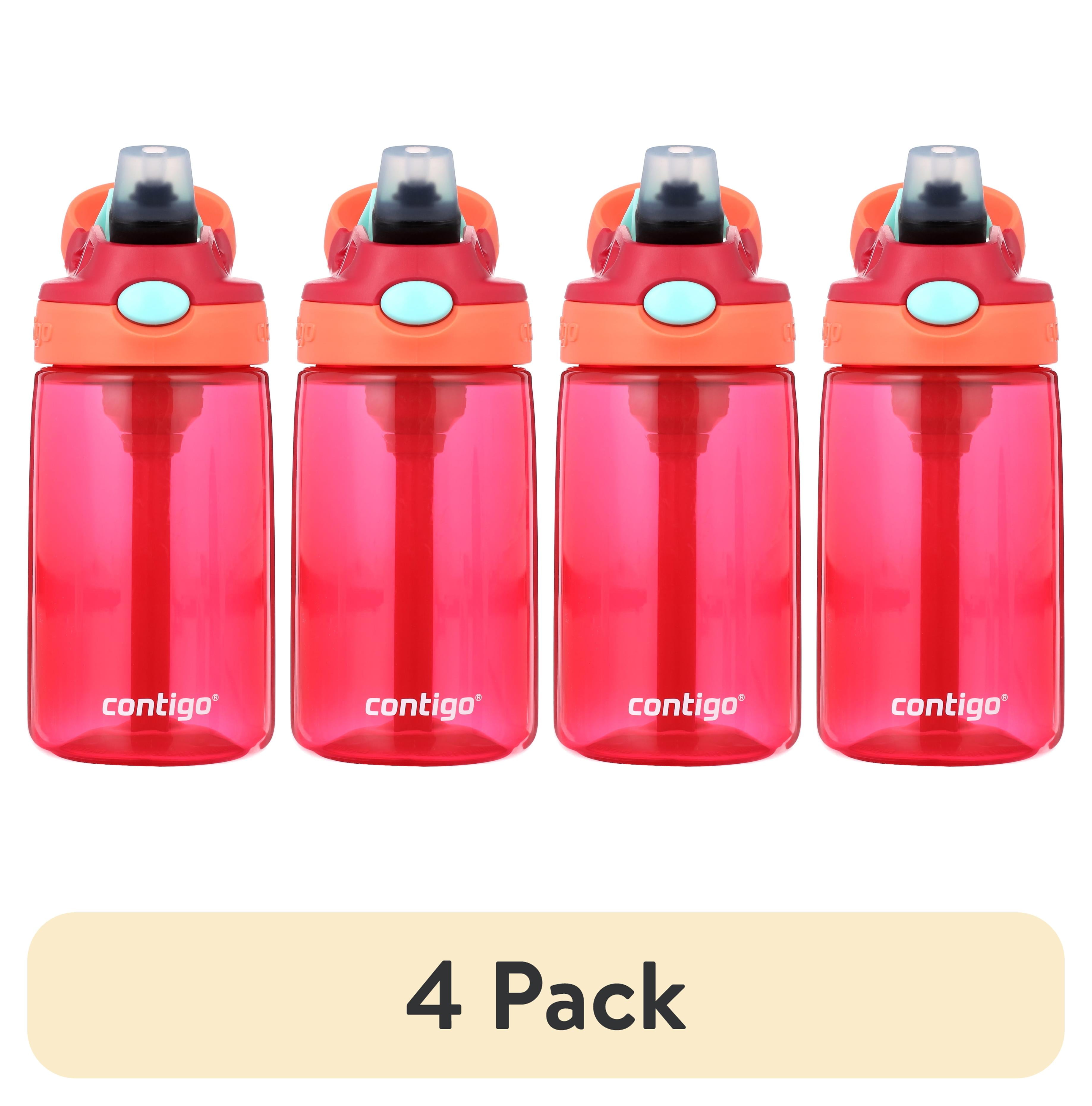
In August 2019, Contigo issued a voluntary recall for approximately 5.7 million Kids Cleanable Water Bottles due to a significant choking hazard. The recall was later expanded in February 2020 to include additional units. The primary issue involves the clear silicone spout, which can detach from the lid, posing a risk to children. Consumers owning these specific 13 oz, 14 oz, and 20 oz models should immediately stop using them and contact Contigo for a free replacement lid.
The 2019 Contigo water bottle recall remains one of the most significant safety events in the history of children’s hydration products. While many years have passed since the initial announcement, the longevity of stainless steel and plastic water bottles means these hazardous items may still reside in kitchen cupboards, daycare centers, or second-hand markets in 2026. Understanding the specifics of this recall is vital for ensuring the safety of toddlers and young children who continue to use Contigo products.
The Scope of the 2019 Contigo Recall
The recall officially began on August 27, 2019, after Contigo received numerous reports of the clear silicone spout detaching from the bottle lid. Because the spout is small enough to be swallowed or lodged in a child’s airway, the U.S. Consumer Product Safety Commission (CPSC) categorized the defect as a high-priority choking hazard.
Initially, the recall affected 5.7 million units in the United States, along with approximately 157,000 units in Canada and 28,000 in Mexico. In February 2020, the recall was re-announced and expanded because some of the replacement lids provided during the first wave of the recall were also found to be defective.
Identifying the Affected 14 oz and 20 oz Models
Not every Contigo water bottle is subject to this recall. The defect is localized to a specific design element found on the "Kids Cleanable" line. To determine if a bottle is part of the recall, consumers must look at the color of the spout base and the spout cover.
The recalled bottles feature a black color spout base and a black color spout cover. Bottles with a gray spout base or a different colored cover are generally not part of this specific 2019/2020 safety action. The bottles were sold in three sizes:
- 13-ounce models (typically plastic)
- 14-ounce models (available in both plastic and vacuum-insulated stainless steel)
- 20-ounce models (typically plastic)
These bottles were sold individually as well as in two-packs and three-packs at major retailers such as Costco, Target, Walmart, and various online platforms including Amazon. The production dates for the affected units ranged from April 2018 through June 2019.
Technical Details: Why the Spout Fails
The engineering of the Contigo Kids Cleanable Water Bottle was designed to be "spill-proof" and easy for parents to disassemble for cleaning—hence the "Cleanable" branding. However, the mechanism that secured the silicone spout to the internal lid components proved insufficient under certain conditions of use or repeated cleaning.
The clear silicone spout is a soft, pliable component that children often bite or pull on with their teeth. In the recalled models, the spout could become unseated from its housing. Once unseated, the spout could detach entirely during drinking or play.
Incident Reports and Safety Risks
By the time of the expanded recall in early 2020, Contigo had received over 425 reports of the spout detaching. More alarmingly, there were 18 documented instances where the silicone spout was actually found inside a child’s mouth. While no fatalities were reported, the frequency of detachment indicated a systemic manufacturing flaw rather than isolated incidents.
In the context of pediatric safety, a choking hazard is defined by any object that fits within a "small parts cylinder" (a standard testing tool used by the CPSC). The Contigo spout falls into this category, making it a critical risk for children under the age of three, though the bottles were marketed for children ages three and up.
Comprehensive Identification Matrix
If you are inspecting a water bottle in 2026, use the following table to verify if the item is subject to the historical 2019/2020 recall.
| Feature | Recalled Status (Hazardous) | Safe Status (Post-Recall/Other Models) |
|---|---|---|
| Spout Base Color | Black | Gray or Matching Accent Color |
| Spout Cover Color | Black | Various Colors (usually matches the lid) |
| Spout Material | Clear Silicone (Detachable) | Integrated or Redesigned Silicone |
| Bottle Sizes | 13 oz, 14 oz, 20 oz | All sizes with Gray bases |
| Branding | "Contigo" on the side/bottom | "Contigo" on the side/bottom |
| Model Name | Kids Cleanable Water Bottle | Autospout, Fit, or Redesigned Cleanable |
How to Check the Bottom of the Bottle
In addition to the visual "black on black" check, many Contigo bottles have a date code or batch number molded into the bottom. While the visual check is the most reliable method provided by the CPSC, bottles manufactured after February 2020 utilize a redesigned lid assembly where the spout is permanently tethered or chemically bonded more securely to prevent detachment.
Steps for Consumers and Parents
If you identify a bottle that matches the recall description, the following protocol should be followed to ensure child safety. Even if the bottle has been used for years without an issue, material fatigue can increase the likelihood of the spout detaching over time.
1. Immediate Cessation of Use
The most important step is to take the bottle away from the child immediately. Do not attempt to "superglue" or repair the spout yourself. Adhesive chemicals are not food-safe and may further degrade the silicone or plastic.
2. Contacting Contigo for Replacement
Contigo, owned by Newell Brands, continues to honor the recall for affected units found in circulation.
- Online Registration: Consumers should visit the official Contigo recall website (often found via a dedicated "Recall" link on the main Contigo or Newell Brands homepage).
- Phone Contact: You can contact Contigo customer service directly. Historically, their dedicated recall line has provided instructions on how to receive a replacement lid.
- Verification Requirements: You will likely be asked to provide a photograph of the bottle and the lid to verify the "black on black" color scheme before a replacement is shipped.
3. Disposal of the Old Lid
Once you receive the replacement lid (which will have a gray spout base), the old, hazardous lid should be destroyed or disposed of in a way that prevents someone else from finding and using it. The bottle body itself (the plastic or stainless steel vessel) is safe to keep; only the lid assembly contains the defect.
The 2020 Recall Expansion: Why "Replacement Lids" Were Re-Recalled
A unique aspect of this case was the "recall of the recall." In early 2020, it was discovered that some of the replacement lids sent out during the initial 2019 wave also suffered from spout detachment issues.
This led to a second mass notification. If you received a replacement lid in late 2019 that still featured a black spout base and cover, it was likely part of the expanded recall. The finalized, "safe" design standardized the gray spout base. If your lid has a gray base where the spout emerges, it is the corrected version.
Safety Standards and Water Bottle Manufacturing
The 2019 Contigo recall highlights the rigorous standards required for children's drinking products. Under the Consumer Product Safety Improvement Act (CPSIA), products intended for children must undergo third-party testing for lead, phthalates, and mechanical safety (small parts).
The Evolution of the "Autospout"
Following the 2019 incident, Contigo and its parent company Newell Brands implemented stricter quality control measures for the "Autospout" technology. Modern versions of the Kids Cleanable Water Bottle in 2026 feature reinforced attachment points. The silicone is now often "over-molded," a process where the plastic of the lid is molded directly around the silicone, creating a mechanical bond that is nearly impossible to separate through biting or pulling.
Why Silicone is a Challenge
Silicone is preferred for children's spouts because it is BPA-free, soft on developing teeth, and dishwasher safe. However, its flexibility is its weakness in terms of mechanical attachment. The 2019 recall serves as a case study for engineers on the importance of "interference fits"—ensuring that a soft part cannot be pulled through a hard opening.
Second-Hand Market Warning
In 2026, one of the primary risks for the 2019 Contigo recall is the second-hand market. Items sold at garage sales, thrift stores, or via online marketplaces like Facebook Marketplace or eBay may not have been screened for recalls.
- Thrift Store Purchases: Many large-scale thrift organizations have policies against selling recalled items, but smaller shops may miss them. Always perform a visual check of the spout base before buying a used Contigo kids' bottle.
- Hand-me-downs: It is common for parents to pass water bottles down from older siblings to younger ones. If you are receiving a "vintage" 2018-2019 era bottle, check the lid colors immediately.
- Daycare "Lost and Found": School and daycare lost-and-found bins are notorious for harboring older, recalled products.
Frequently Asked Questions
Is the Contigo recall still active in 2026?
Yes. Voluntary recalls overseen by the CPSC do not typically "expire." As long as the company is in operation, they are generally required to provide the remedy (in this case, a replacement lid) for the recalled product. If you find one of these bottles today, you should still reach out to Contigo for your replacement.
Does this recall affect adult Contigo bottles?
No. The 2019 recall was specific to the "Kids Cleanable" line. Adult models, such as the Contigo Ashland or the adult Autospout versions, use different lid architectures. While adult bottles may occasionally have their own separate quality issues, they were not part of this specific choking hazard recall.
What if my bottle has a gray spout base but the spout still came off?
If a spout detaches from a "safe" lid (gray base), it is likely due to extreme wear, tear, or damage (such as a child with very sharp teeth or heavy chewing habits). While this isn't part of the 2019 recall, you should still stop using the bottle and contact Contigo. They may offer a warranty replacement for a damaged lid, even if it isn't part of the official recall.
Can I get a refund instead of a replacement lid?
The remedy authorized by the CPSC for this specific recall was a free replacement lid. Companies are generally allowed to choose the remedy—repair, replacement, or refund. In this instance, the replacement lid was deemed a sufficient fix to mitigate the hazard.
How can I tell the 13 oz and 14 oz models apart?
The 13 oz models are almost exclusively made of "Tritan" plastic (clear or tinted). The 14 oz models include the stainless steel vacuum-insulated versions, which are heavier and opaque. Both were included in the recall if they possessed the black spout base.
Were there any injuries reported?
There were no confirmed reports of serious injuries or deaths. However, the 18 reports of spouts being found in children's mouths were considered "near-misses" that necessitated the mass recall to prevent a potential tragedy.
Final Recommendations for Parents
When it comes to children's products, the "Better Safe Than Sorry" rule is the gold standard. The 2019 Contigo water bottle recall involved a massive number of units, and the defect was a clear mechanical failure.
If you own a Contigo Kids Cleanable Water Bottle:
- Inspect the lid immediately. If the base of the clear spout is black, it is unsafe.
- Remove the lid and set the bottle aside.
- Visit the Contigo website to request your replacement.
- Educate caregivers. Ensure that grandparents, babysitters, and teachers are aware of what to look for, as they may have these bottles in their own homes for when your child visits.
By staying vigilant about product safety recalls, even those that occurred several years ago, you can protect your children from preventable hazards and ensure that their daily hydration remains safe.