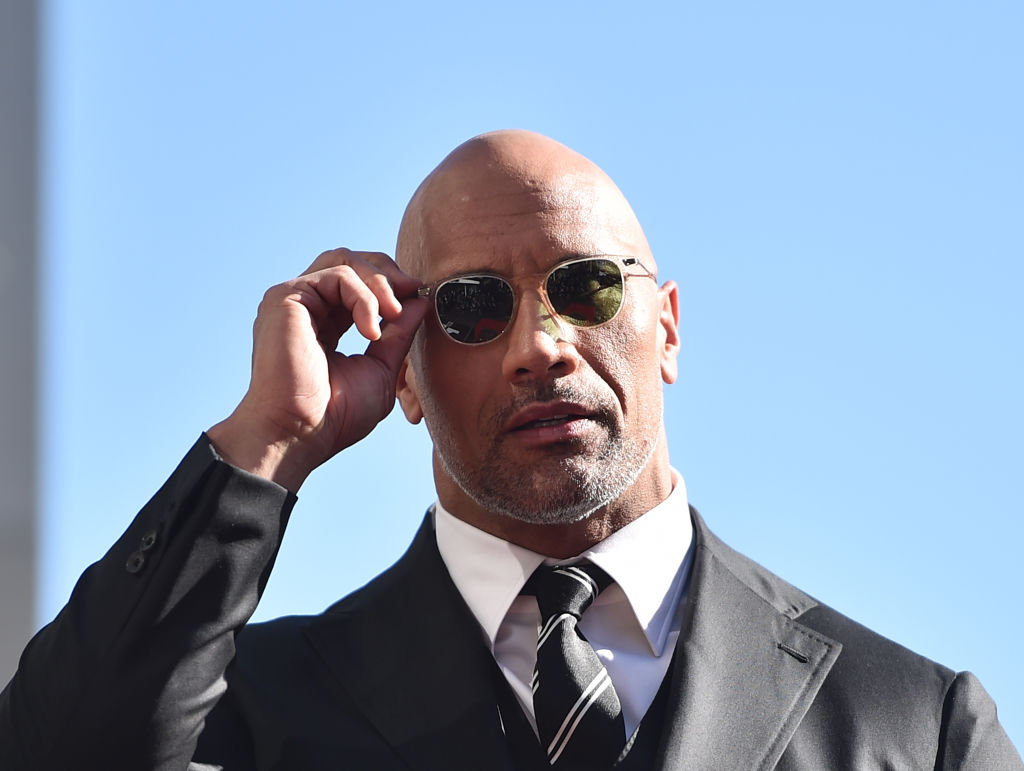
Dwayne "The Rock" Johnson's wealth has been a subject of intense public fascination, with estimates frequently fluctuating between conflicting figures such as $124 million and $280 million. The divergence in these numbers highlights the complex nature of celebrity asset valuation, which blends traditional Hollywood earnings with massive endorsement portfolios and entrepreneurial equity stakes.
The Economics of Celebrity Wealth Valuation
Evaluating the net worth of a global multimedia icon like Dwayne Johnson requires looking far beyond standard salary figures. In the world of entertainment finance, net worth is not a static bank account balance; it is a dynamic calculation of estimated assets, active business equity, real estate holdings, and forward-looking earning power minus liabilities. When financial publications, market analysts, and entertainment databases attempt to quantify a celebrity's fortune, they often arrive at vastly different conclusions depending on the methodology they apply.
The discrepancy between varying figures—such as the frequently cited $124 million milestone and the higher $280 million threshold—stems from how analysts treat illiquid assets, unreleased project fees, and equity in private companies. A baseline valuation might only account for documented cash earnings from motion pictures and guaranteed endorsement contracts. Conversely, an expansive valuation incorporates estimated profit-participation percentages, the market value of production companies, and the capitalization of independent business ventures like tequila brands or energy drink lines.
Understanding these financial tiers requires a deep dive into the specific revenue streams that transformed a professional wrestling superstar into one of the highest-paid actors in cinematic history. To properly contextualize these figures, one must examine the baseline mechanics of studio compensation, the leverage of social media equity, and the transformative impact of entrepreneurial ownership in modern Hollywood.
Milestone Earnings: Unpacking the $124 Million Baseline
The lower-end valuation often reflects a snapshot of liquid assets, verified real estate holdings, and documented single-year earnings from a specific reporting period. For instance, high-profile financial trackers frequently peg high-earning celebrities based on annual tax estimates, public property deeds, and known base salaries for specific film slates.
When analyzing a baseline figure like $124 million, financial analysts generally focus on conservative estimates of cash-on-hand and tangible assets. This approach intentionally excludes speculative future earnings or fluctuating equity valuations to maintain a conservative financial profile. Key components of this baseline typically include:
- Guaranteed Base Salaries: Standard upfront payments for major studio motion pictures, which routinely crossed the $20 million threshold per project during Johnson’s peak blockbuster era.
- Tangible Real Estate Portfolios: Primary residences, equestrian properties, and secondary estates valued at purchase price or conservative market appraisal rather than peak speculative value.
- Liquid Investment Accounts: Traditional stock portfolios, bonds, and cash reserves managed through corporate entities and family offices.
- Deductions for Overhead: Standard subtractions for management fees, talent agency commissions, legal retainers, public relations teams, and federal and state tax liabilities.
While a $124 million valuation represents an extraordinary level of personal wealth, it often serves as a lagging indicator. Because public financial disclosures rarely keep pace with rapidly scaling business ventures, baseline figures can lag behind a celebrity's actual market capitalization by several fiscal quarters.
Scaling to $280 Million: The Power of Equity and Endorsements
The higher-end valuation of $280 million reflects a more comprehensive assessment of total economic impact, factoring in back-end box office participation, digital footprint monetization, and private business ownership. In contemporary entertainment economics, a star's true financial power is anchored in what they own rather than merely what they are paid to perform.
As Dwayne Johnson transitioned from a traditional movie star to a self-sustaining media brand, his income structure shifted dramatically. The expansion from a baseline fortune to an upper-tier valuation was driven by several key structural changes in how he monetized his celebrity status:
- Back-End Box Office Participation: Negotiating for a percentage of gross box office receipts or streaming platform buyouts rather than relying solely on flat upfront fees.
- Multimillion-Dollar Social Media Integration: Leveraging massive follower counts across platforms like Instagram and Twitter to command substantial supplementary fees for promotional posts tied to film releases.
- Strategic Endorsement Partnerships: Long-term equity and promotional deals with global brands, where compensation is tied to product performance and company valuation rather than one-off commercial appearances.
- Production Company Profits: Retaining creative and financial control through co-owned production entities, allowing for profit-sharing across television, digital, and feature film projects.
This shift from labor-for-hire to asset ownership is the primary mechanism that elevates a celebrity's net worth from standard Hollywood wealth into the realm of major entrepreneurial fortunes.
Comparative Financial Breakdown
To understand how divergent methodologies create differing financial profiles, it is helpful to examine the contrasting approaches used by entertainment financial analysts. The following table outlines the structural differences between conservative and expansive wealth valuations.
| Valuation Component | Conservative Estimate ($124M Tier) | Expansive Estimate ($280M Tier) |
|---|---|---|
| Primary Revenue Source | Upfront film salaries and guaranteed TV contracts. | Gross box office back-ends and streaming buyouts. |
| Real Estate Holdings | Assessed at historical purchase price minus mortgages. | Valued at current market capitalization and appreciation. |
| Business Ventures | Excluded due to private valuation complexity. | Estimated equity stakes in tequila, fitness, and media brands. |
| Endorsement Income | Flat-fee promotional contracts captured in annual earnings. | Long-term licensing agreements and equity revenue sharing. |
| Digital Monetization | Ignored or treated as incidental marketing spend. | Capitalized as proprietary media distribution leverage. |
This comparison illustrates that the gap between different financial estimates is rarely a reflection of fabricated numbers; rather, it is the result of differing accounting philosophies regarding private equity and future cash flows.
The Role of Entrepreneurship in Modern Celebrity Wealth
The catalyst that separates modern multi-hundred-million-dollar fortunes from traditional Hollywood earnings is direct entrepreneurial ownership. For decades, actors traded their time and talent for direct compensation, leaving the substantial long-term equity upside to major studios, record labels, and corporate conglomerates.
Dwayne Johnson’s financial trajectory exemplifies the modern playbook of leveraging personal brand equity to found or co-own consumer goods and media companies. By moving beyond simple endorsements into the realm of co-founder and equity partner, a celebrity captures the exponential growth of a company rather than a flat promotional fee.
When a brand co-owned or heavily backed by a high-profile figure achieves massive market penetration, valuation metrics multiply rapidly. Financial analysts tracking these private holdings must rely on industry comparable data, sales volume reports, and funding round disclosures. Because these private ventures do not trade on public exchanges, estimating their exact contribution to an individual's net worth involves inherent volatility, which explains why external valuations can vary by tens of millions of dollars at any given time.
Frequently Asked Questions
Why do public net worth estimates for celebrities vary so widely?
Public estimates rely on incomplete data, including public property records, estimated film budgets, and reported salary leaks. Analysts use different methodologies—some counting only liquid cash and verified assets, while others factor in speculative business equity, brand valuations, and future earnings potential, leading to disparate totals.
What constitutes the primary source of wealth for top-tier actors?
While upfront acting salaries remain substantial, the largest accumulations of wealth typically derive from equity stakes in entrepreneurial ventures, profit-participation agreements on blockbuster media projects, and long-term global endorsement contracts.
How do real estate holdings impact a celebrity's overall financial profile?
Real estate contributes significantly to net worth through equity growth, property appreciation, and asset diversification. However, calculating its exact net contribution requires subtracting outstanding mortgages, maintenance overhead, and potential liquidity discounts if properties need to be sold quickly.
Are social media promotions factored into financial net worth calculations?
Yes. Major social media platforms serve as valuable marketing channels that enhance the profitability of underlying business ventures and command high direct advertising fees, which contribute to a celebrity's overall annual cash flow.
Can unreleased film projects affect current net worth valuations?
Financial analysts generally do not count unreleased project fees toward verified net worth until contracts are fulfilled, funds are cleared, or project milestones are officially reached, though forward-looking estimates sometimes incorporate signed agreements into broader wealth forecasts.
Conclusion and Next Actions
Evaluating the wealth of a prominent public figure requires looking past sensationalized headlines and examining the underlying financial architecture. Whether analyzing a conservative baseline valuation or an expansive multi-hundred-million-dollar estimate, the core drivers of modern celebrity wealth are asset ownership, strategic business ventures, and diversified income streams. For those studying entertainment finance, the key takeaway is that true net worth is a measure of economic leverage and equity control, not merely annual salary accumulation. When reviewing future financial reports, always examine the underlying methodology to determine whether estimates account for volatile private business equity or focus strictly on liquid, verifiable assets.