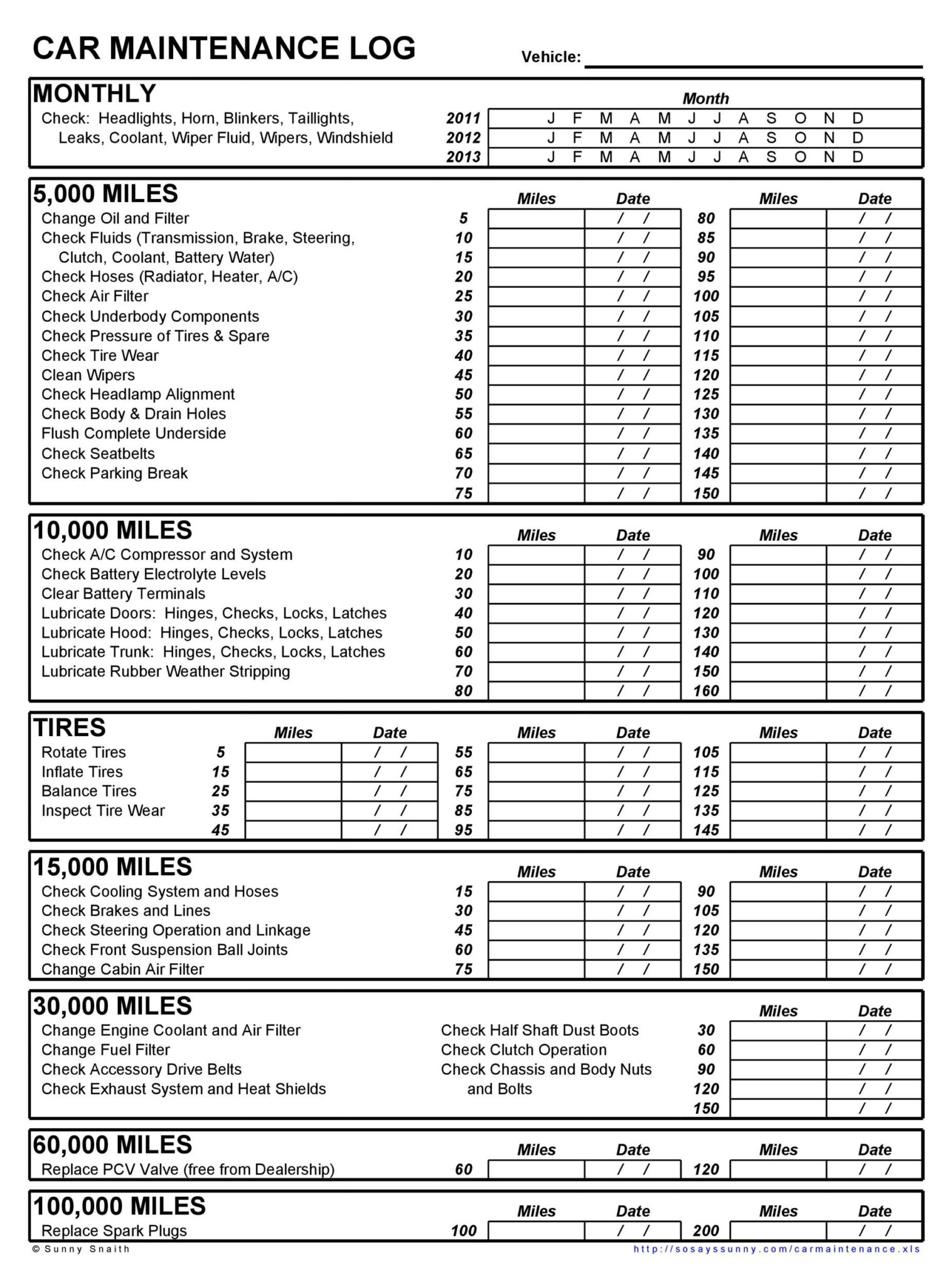
Reaching the 100,000-mile threshold is a significant milestone for any modern vehicle, representing a major turning point where routine care transitions from basic upkeep to comprehensive mechanical restoration. A proper 100k mile maintenance checklist involves inspecting, servicing, and replacing critical wear-and-tear components such as timing belts, spark plugs, fluids, suspension bushings, and cooling system hoses to prevent catastrophic engine failure and ensure safe, reliable operation for years to come.
Understanding the 100,000-Mile Turning Point
Crossing the six-figure mark on an odometer used to signal the twilight of a car’s usable life, but modern engineering, advanced synthetic lubricants, and durable metallurgy mean that a well-maintained vehicle can easily double that figure. However, reaching this milestone does not happen by accident. By the time a car hits 100,000 miles, nearly every rubber component has been subjected to thousands of thermal cycles, fluid packages have degraded far beyond their additive depletion limits, and friction surfaces have experienced millions of rotations.
Ignoring necessary service at this juncture often transforms minor, inexpensive preventative tasks into major, four-figure repair bills. Comprehensive maintenance at this stage preserves the resale value of the vehicle, restores factory fuel efficiency, reduces harmful tailpipe emissions, and most importantly, ensures that safety-critical systems like brakes and steering will perform predictably under emergency maneuvers. Approaching this service interval requires a systematic strategy, starting with a baseline inspection and moving through fluid exchanges, ignition system overhauls, belt replacements, and suspension checks.
Fluid Flushes and Replacement Services
Automotive fluids are the lifeblood of your vehicle, cooling internal components, reducing friction, and transmitting hydraulic pressure. Over 100,000 miles, these fluids degrade due to thermal breakdown, oxidation, and the accumulation of microscopic wear metals. Simply topping off fluids is entirely insufficient at this mileage; a complete fluid flush and replacement strategy is mandatory.
Engine Coolant and Cooling System Health
Engine coolant loses its rust-inhibiting and anti-boiling properties over time, leading to internal radiator corrosion, water pump cavitation, and head gasket failure. A complete flush of the cooling system clears out silicate fallout and scale accumulation. During this service, technicians should inspect the thermostat, radiator core, and all rubber coolant hoses. If hoses feel excessively soft, brittle, or swollen, they must be replaced immediately to prevent sudden blowouts on the highway.
Transmission Fluid and Differential Service
Whether dealing with a traditional automatic, a continuously variable transmission (CVT), or a manual gearless setup, transmission fluid breaks down under intense shear stress and heat. Neglecting transmission fluid leads to sluggish shifting, clutch disc glazing, and valve body wear.
- Automatic and CVT Transmissions: Fluid and filter replacement removes accumulated friction material. Some sealed units require specific manufacturer procedures and specialized fluid grades.
- Manual Transmissions and Differentials: Gear oil degrades and collects metal shavings from gear meshing. Changing the fluid in front, rear, and transfer case differentials prevents premature ring and pinion gear wear, especially in all-wheel-drive or four-wheel-drive platforms.
Brake and Power Steering Fluid
Brake fluid is hygroscopic, meaning it absorbs moisture from the atmosphere over time. As water content increases, the boiling point of the fluid drops significantly. Under heavy braking, this moisture can vaporize into compressible steam, causing a spongy pedal feel or complete brake failure. A full hydraulic brake flush clears out old fluid. Similarly, hydraulic power steering systems benefit from a fluid flush to protect the steering rack seals and power steering pump from premature scoring and whining.
Ignition, Fuel, and Engine Breathing Systems
An engine requires an exact mixture of air, fuel, and spark at the precise microsecond to operate efficiently. By 100,000 miles, the components responsible for delivering these elements have worn down, resulting in misfires, rough idling, and decreased fuel economy.
Spark Plugs and Ignition Coils
Standard copper spark plugs typically require replacement every 30,000 miles, but modern platinum and iridium plugs often last up to 100,000 miles. However, reaching this mileage means the electrode gap has widened significantly due to electrical erosion, placing a heavier voltage load on the ignition coils. Replacing the spark plugs restores a clean, powerful spark. Additionally, mechanics should test the ignition coils; weak coils that still function intermittently should be replaced proactively to prevent catalytic converter damage caused by unburnt fuel entering the exhaust stream.
Fuel System and Air Induction Maintenance
Fuel injectors develop microscopic varnish deposits on their pintle tips over 100,000 miles, distorting the spray pattern and leading to lean cylinders or carbon-fouled combustion chambers. Professional fuel injector cleaning or ultrasonic testing restores proper atomization. At the same time, the engine air filter and cabin air filter must be replaced. Direct-injection engines, in particular, suffer from heavy carbon buildup on the intake valves because fuel no longer washes over them; a walnut-blasting intake valve service is frequently required at or near this mileage interval.
| Component / System | Action Required at 100k Miles | Primary Risk of Neglect | Estimated Cost Range |
|---|---|---|---|
| Timing Belt & Water Pump | Complete replacement | Catastrophic engine interference | $600 – $1,200 |
| Spark Plugs & Coils | Replace plugs; inspect/replace coils | Engine misfires, poor fuel economy | $150 – $500 |
| Coolant & Hoses | Flush system; replace hoses/thermostat | Engine overheating, head gasket failure | $150 – $350 |
| Transmission Fluid | Complete fluid and filter change | Internal component wear, shifting failure | $200 – $500 |
| Brake System | Flush hydraulic fluid; inspect pads/rotors | Reduced stopping power, brake fade | $150 – $400 |
| Suspension Dampers | Inspect struts, shocks, and control arms | Excessive body roll, uneven tire wear | $400 – $1,200 |
Timing Components, Belts, and Engine Internals
The mechanical coordination of the engine relies on high-strength belts or chains. While timing chains are designed to last the life of the vehicle, rubber timing belts have a strict time and mileage limit—typically 90,000 to 105,000 miles.
Timing Belt Replacement and Supporting Hardware
If an engine utilizes an internal rubber timing belt, neglecting its replacement at the 100k mark is a critical gamble. If a timing belt snaps while the engine is running, pistons can collide with open valves, resulting in bent valves, cracked cylinder heads, or a completely ruined engine block. During a timing belt service, professional technicians routinely replace the entire kit, which includes:
- The rubber timing belt itself.
- Tensioner pulleys and idler bearings, which can seize and throw the belt.
- The water pump, if it is driven by the timing belt (which is standard on many Japanese and European vehicles). Replacing it saves on future labor costs since accessing the water pump requires removing the same timing components.
Serpentine Belt and Accessory Pulleys
The external serpentine belt drives the alternator, power steering pump, air conditioning compressor, and sometimes the water pump. Inspect the ribbed side of the belt for deep cracks, fraying, and missing chunks. Spin the idler and tensioner pulleys by hand; any gritty feedback, squealing, or play indicates failing bearings that require immediate replacement.
Suspension, Steering, and Braking Hardware
While engine performance is vital, the ability to control, steer, and stop the vehicle safely dictates whether a car is roadworthy at 100,000 miles. Rubber bushings, hydraulic shock absorbers, and suspension joints experience continuous stress and environmental exposure.
Struts, Shocks, and Suspension Bushings
Shock absorbers and struts contain internal valving and hydraulic fluid that dampen road impacts. By 100,000 miles, this fluid has leaked past worn seals or degraded, leaving the vehicle bouncing excessively over bumps, nosediving during braking, and swaying dangerously around corners. Worn suspension control arm bushings, ball joints, and tie rod ends introduce loose steering play, causing vague steering feedback, clunking noises over bumps, and rapid, uneven tire wear. A comprehensive alignment check is mandatory after replacing any steering or suspension components.
Brake Rotors, Calipers, and Lines
At 100,000 miles, brake pads are typically on their second or third set, but the brake rotors have likely worn down past their minimum safe thickness specification or developed deep scoring and warping. Rotors should be replaced rather than resurfaced if they are close to minimum thickness thresholds. Furthermore, rubber flexible brake lines can develop microscopic cracks and internal swelling; replacing them with steel-braided or OEM rubber lines restores firm pedal feedback and prevents unexpected line rupture.
Common Mistakes to Avoid During Major Service
Approaching a major maintenance milestone invites several pitfalls that can cost vehicle owners time, money, and reliability. Avoiding these common errors ensures that the investment in your vehicle yields maximum longevity.
- Delaying Preventative Services: Waiting for a component to fail before addressing it often causes collateral damage. For instance, waiting for a timing belt to snap destroys the engine, whereas replacing it proactively costs a fraction of that amount.
- Using Low-Quality Replacement Parts: Installing cheap aftermarket sensors, ignition coils, or rubber components often leads to premature failure. Stick with original equipment manufacturer (OEM) or high-grade Tier-1 aftermarket parts for critical engine and safety systems.
- Skipping Manufacturer-Specific Requirements: Every vehicle has unique engineering quirks. Ignoring specific fluid weight requirements or proprietary coolant types can cause chemical reactions that destroy internal seals and gaskets.
- Failing to Keep Detailed Service Records: Documenting every receipt, fluid change, and component replacement preserves vehicle provenance and significantly boosts resale value when prospective buyers evaluate the car's history.
Frequently Asked Questions
Is it worth spending money on a 100,000-mile service for an older car?
Yes, investing in a 100,000-mile service is almost always more cost-effective than purchasing a new or replacement used vehicle in the current market. Performing this comprehensive maintenance package typically resets the wear clock on major systems, allowing the vehicle to easily run reliably for another 50,000 to 100,000 miles with only routine oil changes.
How long does a complete 100k mile service take to complete?
The duration depends heavily on the vehicle's layout and drivetrain configuration. A standard service involving spark plugs, fluid flushes, and filter changes can take a full working day (6 to 8 hours). If the service includes a complex timing belt replacement and suspension overhaul, the vehicle may need to remain at the repair facility for two to three days.
Can I perform a 100k mile maintenance checklist myself?
Many items on the checklist, such as changing engine and cabin air filters, replacing spark plugs, and swapping out engine oil and coolant, are well within the capabilities of a competent DIY mechanic with basic hand tools. However, complex procedures like timing belt replacement, transmission fluid flushes, and suspension press-fit bushing replacements often require specialized tools, lifts, and professional diagnostic equipment.
What happens if I ignore the timing belt replacement?
If your vehicle uses an interference engine design—where the piston travel path intersects with the open valve path—a snapped timing belt causes immediate, catastrophic mechanical contact. This results in bent valves, broken pistons, and severe cylinder head damage, effectively destroying the engine and necessitating an immediate engine replacement or rebuild.
How do I know if my vehicle has a timing belt or a timing chain?
You can determine this by consulting the vehicle owner's manual, checking under the hood for a plastic timing cover versus a metal engine case, or looking up your specific engine code online. Most modern engines feature timing chains designed to last the lifetime of the engine, while many older or specific import and performance engines utilize rubber timing belts.
Next Actions and Professional Inspection
Once your vehicle approaches or crosses the 100,000-mile mark, the most prudent next step is to schedule a comprehensive pre-service safety and mechanical inspection with a trusted independent mechanic or dealership specialist. Request a line-item estimate covering immediate safety items, critical preventative maintenance like timing belts and fluid flushes, and secondary deferred maintenance items. Prioritize safety and engine-saving services first, tackle secondary cosmetic or comfort items progressively, and keep meticulous records of all completed work to safeguard your vehicle's mechanical health and long-term reliability.