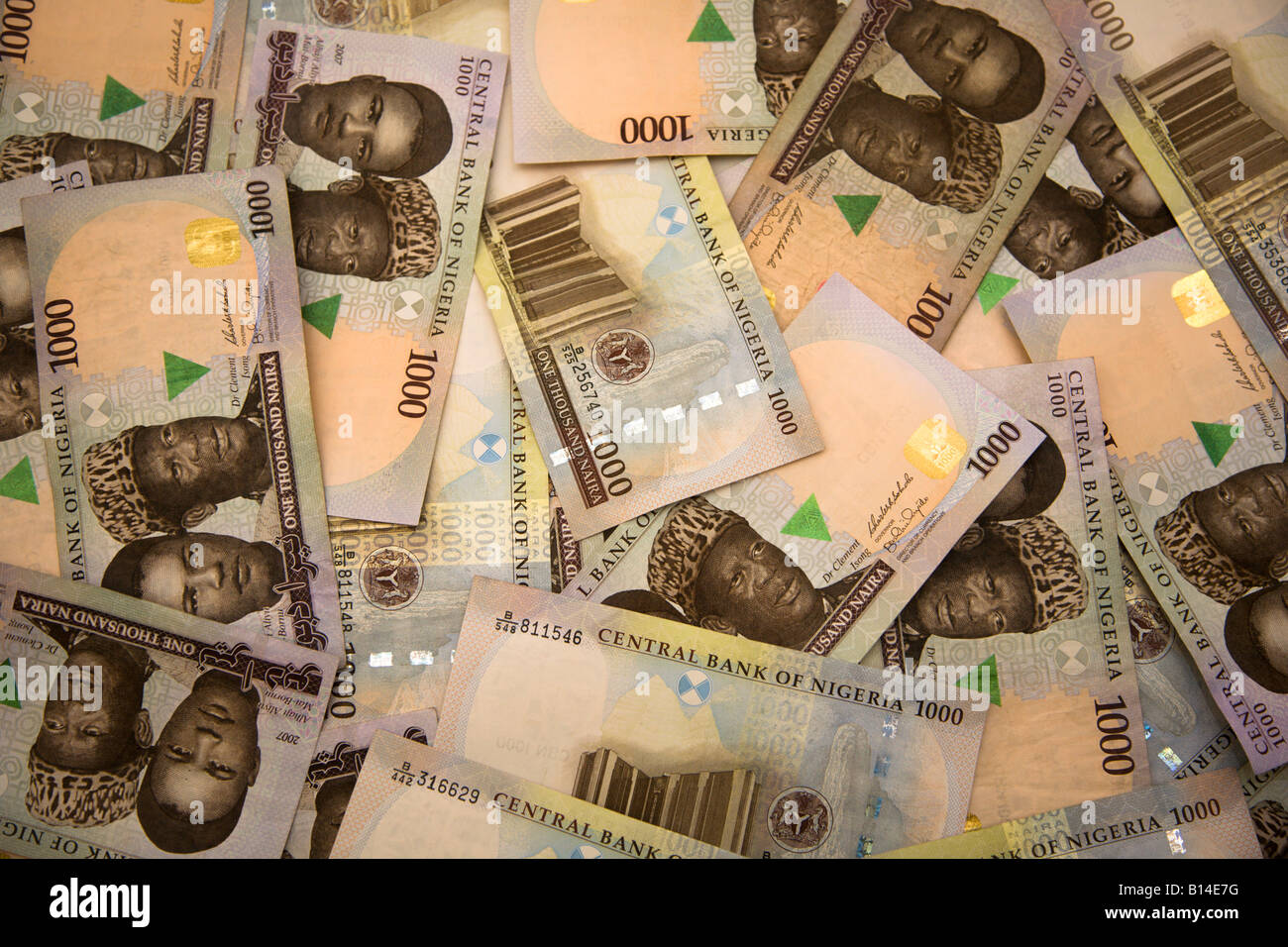
Converting 1,000 Peruvian Soles (PEN) to Nigerian Naira (NGN) requires an understanding of fluctuating foreign exchange markets, currency pairs, and the mechanisms used to transfer funds across international borders. Because the Peruvian Sol and the Nigerian Naira do not form a major, heavily traded direct currency pair like the US Dollar and the Euro, transactions typically involve cross-rates or intermediary currencies, most notably the US Dollar. Navigating this cross-continental conversion accurately involves understanding live market rates, intermediary fees, banking regulations, and the best financial channels available for international money transfers.
Understanding the Peruvian Sol (PEN) and Nigerian Naira (NGN)
The Peruvian Sol, denoted by the currency code PEN and the symbol S/, is the official currency of the Republic of Peru. Regulated by the Central Reserve Bank of Peru, the Sol is known for being one of the more stable currencies in Latin America, backed by the country’s robust mining exports and sound monetary policy. On the other side of the transaction is the Nigerian Naira, denoted by NGN and symbolized by ₦. Issued and managed by the Central Bank of Nigeria, the Naira operates within a managed float system that has experienced significant structural adjustments and exchange rate liberalizations over recent years.
When evaluating a conversion of 1,000 Peruvian Soles into Nigerian Naira, you are dealing with a minor cross-currency pairing. Most global currency exchanges and liquidity providers do not maintain a direct PEN/NGN trading desk. Instead, the conversion is computed by first converting Peruvian Soles into a global benchmark currency—usually the US Dollar (USD)—and then converting that US Dollar amount into Nigerian Naira. Consequently, any shifts in the USD/PEN exchange rate or the USD/NGN exchange rate will directly influence the final Naira payout for your 1,000 Soles.
The Mechanics of Cross-Rate Currency Conversion
To calculate the approximate value of 1,000 Peru currency to Naira, one must trace the mathematical path of the dual-conversion process. Because foreign exchange markets operate continuously on weekdays, the exact valuation shifts by the second based on global market liquidity, geopolitical events, and macroeconomic data releases from both Lima and Abuja.
For example, if 1 US Dollar is equivalent to a specific number of Peruvian Soles, dividing 1,000 PEN by that rate yields the USD equivalent. Subsequently, multiplying that USD amount by the prevailing USD/NGN exchange rate gives the total Nigerian Naira value.
| Conversion Stage | Currency Pair | Representative Market Action | Resulting Value Metric |
|---|---|---|---|
| Stage One | PEN to USD | Convert 1,000 Peruvian Soles to US Dollars | Establishes the hard-currency baseline |
| Stage Two | USD to NGN | Convert the USD baseline into Nigerian Naira | Establishes the final payout in Naira |
| Stage Three | Fee Deduction | Subtract provider margins, wire fees, and taxes | Net cash received by the beneficiary |
It is vital to recognize that mid-market rates—the rates you see on financial information terminals like Bloomberg or Reuters—are reserved for institutional interbank trades. Retail consumers converting 1,000 Soles will encounter commercial exchange rates that incorporate a provider's markup or spread.
Factors Influencing the PEN to NGN Exchange Rate
Several macroeconomic and structural factors dictate the exchange rates when moving funds between Peru and Nigeria. Recognizing these variables helps individuals and businesses time their conversions more effectively to maximize value.
1. Commodity Prices and Global Demand
Peru's economy is heavily dependent on commodity exports, particularly copper, gold, zinc, and silver. When global commodity prices rise, the Peruvian Sol tends to strengthen against foreign currencies. Conversely, Nigeria’s economic health is tied closely to crude oil production and international petroleum prices. Fluctuations in oil revenues directly impact the supply of foreign exchange in the Nigerian banking system, altering the strength of the Naira.
2. Central Bank Monetary Policies
The monetary stances adopted by the Central Reserve Bank of Peru and the Central Bank of Nigeria play an assertive role. Interest rate differentials, inflation targets, and foreign exchange interventions by both monetary authorities dictate the relative attractiveness and valuation of each currency.
3. Liquidity and Intermediary Costs
Because direct trade between Peru and Nigeria is relatively low compared to Western trade corridors, liquidity for the PEN/NGN pair is thin. Low liquidity naturally drives up transaction costs, as money transfer operators and commercial banks must manage the risk of holding exotic currency pairs by charging wider spreads.
Available Channels for Converting and Transferring Funds
If you are looking to execute a conversion of 1,000 Peruvian Soles to Nigerian Naira, choosing the right financial service provider is essential. Traditional high-street banks, specialized remittance fintechs, and digital multi-currency wallets offer varying degrees of speed, cost-efficiency, and convenience.
Traditional Commercial Banks
Traditional banks in Peru or Nigeria can facilitate international wire transfers via the SWIFT network. While secure and suitable for large institutional transactions, using traditional banks for a moderate sum like 1,000 Soles is often cost-prohibitive. Fixed SWIFT transfer fees, intermediary bank charges, and unfavorable bank-set exchange rate markups can significantly diminish the final amount received in the Nigerian bank account.
Specialized International Money Transfer Operators (IMTOs)
Digital remittance platforms and fintech operators have transformed cross-border payments. Many modern platforms allow users to hold multi-currency balances, convert funds at transparent near-market rates, and disburse money directly to Nigerian bank accounts. However, because the Peruvian Sol is classified as an emerging or restricted currency on many standard retail fintech platforms, users may need to convert PEN to USD or EUR first using a digital wallet before dispatching the funds to Nigeria.
Cryptocurrency and Digital Assets
In recent years, some individuals utilize digital assets, stablecoins (such as USDT or USDC), or peer-to-peer (P2P) cryptocurrency networks to bridge exotic currency corridors. For instance, converting 1,000 PEN into a stablecoin via a Latin American crypto exchange, and subsequently selling that stablecoin on a Nigerian P2P platform for Naira, is an alternative method. However, this approach requires technical familiarity with digital wallets, carries distinct counterparty risks, and is subject to evolving regulatory frameworks in both jurisdictions.
Step-by-Step Guide to Executing the Conversion
To ensure a smooth transaction when converting and transferring 1,000 Peruvian Soles to a Nigerian bank account, follow a structured procedure:
- Check Live Mid-Market Rates: Consult a reliable financial data provider to establish the baseline conversion rate for PEN to USD and USD to NGN before committing to a provider.
- Select a Transparent Provider: Compare specialized remittance services, digital wallets, or banks to find the provider offering the lowest combined transfer fee and exchange rate markup.
- Verify Account Requirements: Ensure the recipient's Nigerian bank account details (including the correct 10-digit account number and the proper bank name) are accurate. Nigerian banking regulations require matching KYC (Know Your Customer) information.
- Initiate the Transfer: Fund the transfer using your Peruvian bank account, debit card, or digital wallet balance. Review the final breakdown showing the exact amount of Naira the recipient will get.
- Track and Confirm: Keep the transaction reference number and track the transfer until it clears into the destination Naira account, which typically takes anywhere from a few minutes to several business days depending on the chosen method.
Common Pitfalls to Avoid
Navigating cross-border currency conversions involves minor and major hazards that can result in unexpected financial losses.
- Ignoring Hidden Exchange Rate Markups: Many services advertise "zero transfer fees" but recoup their costs by embedding a heavy markup into the exchange rate. Always calculate the total effective rate by comparing the final payout amount against the live mid-market rate.
- Overlooking Intermediary Bank Fees: If using traditional SWIFT wire transfers, intermediary banks situated between Peru and Nigeria may deduct processing fees directly from the principal transfer amount before it reaches the destination account.
- Failing to Account for Regulatory Delays: Nigerian banking compliance and anti-money laundering (AML) checks occasionally flag incoming international wire transfers, requiring the beneficiary to provide proof of source of funds. Ensure your documentation is ready if transferring larger sums or utilizing new channels.
Frequently Asked Questions
Can I convert Peruvian Soles directly into Nigerian Naira?
Direct conversions between PEN and NGN are rarely offered by standard retail financial institutions due to low market demand and liquidity. The conversion almost universally passes through an intermediary currency, predominantly the US Dollar.
How long does it take for a PEN to NGN transfer to complete?
The duration depends entirely on the chosen platform. Digital multi-currency wallets and specialized fintech remittance operators can settle transactions within minutes or hours. Traditional bank-to-bank SWIFT transfers typically require 2 to 5 business days.
What is the best time of day to check conversion rates?
Foreign exchange markets operate globally from Monday through Friday. Checking rates during active market hours—specifically when both New York and London financial centers are open—generally provides the most stable and liquid pricing.
Are there limits on how much I can convert?
Yes. Both Peruvian financial regulations regarding capital outflow and Nigerian Central Bank regulations regarding inbound foreign exchange impose limits, thresholds, and reporting requirements, particularly for commercial or large-scale transfers.
Do I need a domiciliary account in Nigeria to receive the funds?
Most modern remittance operators and fintech platforms allow payouts directly into standard Nigerian Naira (NGN) bank accounts. However, if you are receiving funds in foreign currency (such as USD), a Nigerian domiciliary account may be required.
Conclusion
Converting 1,000 Peruvian Soles to Nigerian Naira requires careful navigation of multi-currency cross-rates, fee structures, and transfer mechanisms. Because direct liquidity between PEN and NGN is limited, relying on transparent digital financial platforms or well-structured multi-currency pathways helps minimize costs and protect the real value of your funds. Always verify live market rates, account for hidden spreads, and select a reputable provider to ensure your international transfer is executed efficiently and securely.