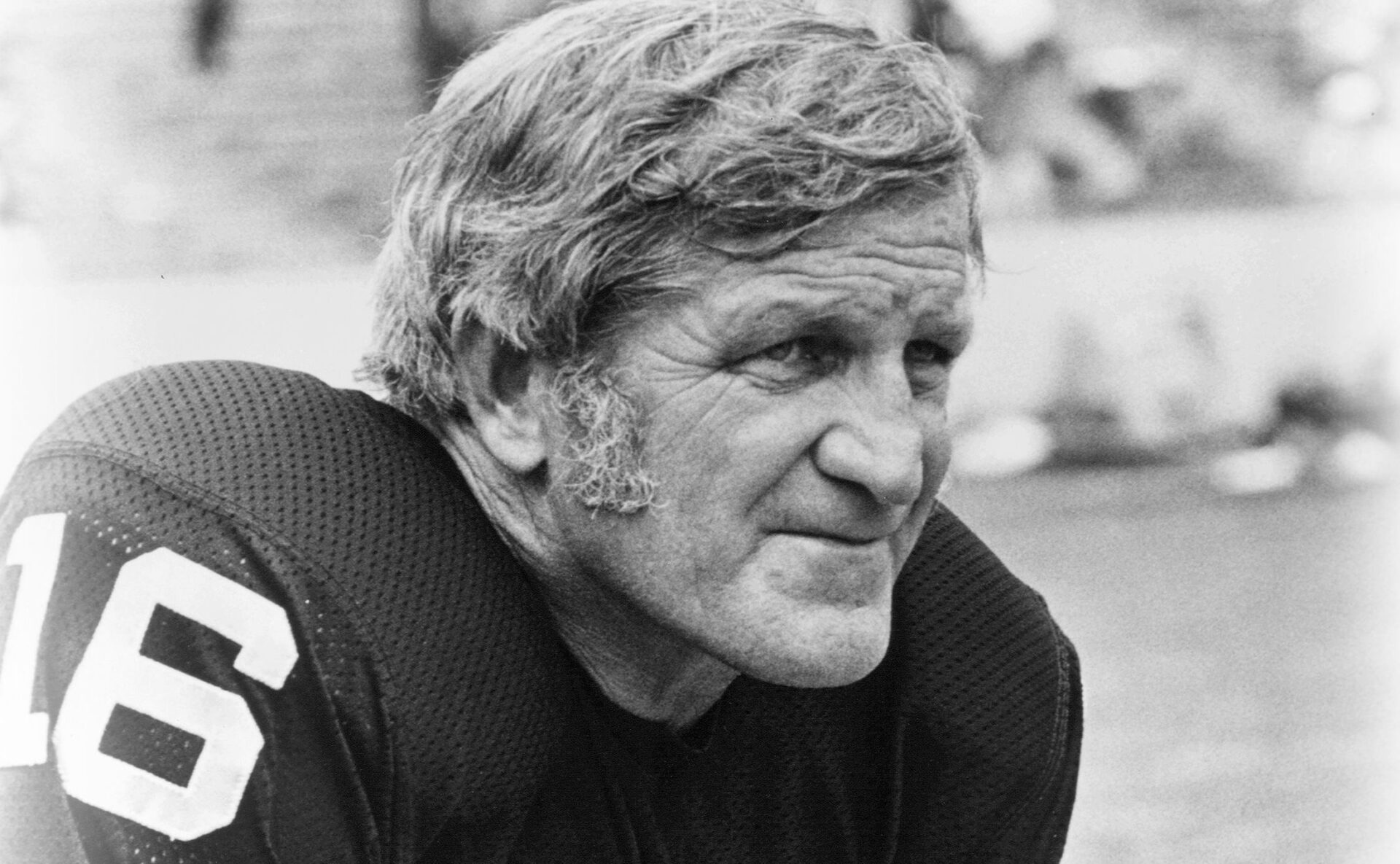
Longevity in the National Football League has evolved significantly over the past two decades, transforming the quarterback position into one where players frequently compete well into their late 30s and early 40s. While past eras saw signal-callers routinely retire by their early 30s due to physical wear and tear, modern sports science, advanced recovery protocols, and stringent league rule changes protecting passers have redefined athletic lifespans. Examining the ten oldest quarterbacks currently active in the NFL offers a fascinating look at endurance, historical precedent, and the physical demands of playing the game's most important position at an elite level.
The Evolution of Quarterback Longevity in the Modern NFL
The perception of athletic aging in professional football has shifted dramatically due to innovations in sports medicine, nutrition, and training methodologies. Historically, a quarterback reaching the age of 35 was considered an extreme outlier, often facing skepticism regarding arm strength, mobility, and durability. Today, quarterbacks in their late 30s and early 40s are far more common, thanks to a multi-billion-dollar industry dedicated to keeping elite athletes on the field.
Several key factors contribute to this modern trend of extended careers:
- Rule Changes and Player Protection: Modern officiating places a heavy emphasis on protecting quarterbacks from helmet-to-helmet hits, late tackles, and forcible contact below the knees. These rules have drastically reduced catastrophic injuries that once ended careers prematurely.
- Advanced Biomechanics and Recovery: Training regimens have moved away from heavy lifting toward functional flexibility, core stability, and neuromuscular efficiency. Cryotherapy, hyperbaric chambers, advanced physical therapy, and personalized nutrition plans allow players to recover from games exponentially faster than their predecessors.
- Pro-Style Offenses and Quick Releases: Modern offensive schemes rely heavily on quick-decision passing, pre-snap reads, and run-pass options (RPOs) that allow quarterbacks to release the ball in under three seconds. This reduces the need to absorb heavy pass-rush pressure compared to the drop-back heavy systems of previous decades.
Understanding these structural shifts provides essential context when evaluating the active veterans who continue to command huddles, mentor younger players, and compete at the highest level of professional sports.
Examining the Criteria for Active Roster Status
Before evaluating individual player ages, it is critical to understand how "active status" is defined within the context of the NFL calendar. In professional football, rosters fluctuate constantly through training camp cuts, practice squad elevations, injury reserves, and free-agent signings. For a quarterback to be considered among the active ranks, they must be signed to an active 53-man roster, an injured reserve list, or designated as a vested veteran actively participating in a team's offseason or regular-season program as of the current operational year.
Roster turnover is relentless, meaning that age rankings among active players shift annually. While legends like Tom Brady and Drew Brees pushed the boundaries into their mid-40s during recent seasons, the current crop of seasoned veterans represents a mix of perennial Pro Bowlers, reliable backup journeymen, and experienced bridge starters who provide stability for franchises navigating transitional periods.
The 10 Oldest Quarterbacks in the NFL
The following breakdown highlights the ten oldest quarterbacks currently holding active status in the NFL. These players have navigated decades of professional competition, high-pressure environments, and physical rehabilitation to maintain their places in the league.
1. Aaron Rodgers
Entering the latter stages of an illustrious career, Aaron Rodgers remains the elder statesman of NFL signal-callers. Renowned for his exceptional arm talent, rapid pre-snap diagnosis, and historically low interception rates, Rodgers has spent nearly two decades mastering the nuances of the position. His longevity is attributed to a strict lifestyle, a focus on rotational core strength, and an offensive style that prioritizes surgical precision over reckless mobility.
2. Joe Flacco
Joe Flacco's career is a masterclass in professional endurance and resilience. After winning a Super Bowl title early in his tenure as a franchise starter, Flacco gracefully transitioned into one of the league's most trusted veteran presences and emergency starters. His prototypical size, strong arm, and calm demeanor under pressure have allowed him to step into high-stakes environments late in seasons and deliver productive performances well into his late 30s and early 40s.
3. Russell Wilson
Russell Wilson has maintained his status as a premier dual-threat quarterback through meticulous physical maintenance and recovery habits. Although the explosive scramble-heavy style of his early years has evolved into a more pocket-conscious approach, Wilson's deep-ball accuracy, leadership qualities, and unwavering commitment to conditioning have sustained his high-level viability across multiple franchise stops.
4. Kirk Cousins
Kirk Cousins stands out as one of the most durable and reliable pocket passers of his generation. Rarely missing significant time due to injury throughout his career, Cousins relies heavily on timing, footwork, and comprehensive film study. His disciplined preparation and adherence to strict orthopedic training regimens have enabled him to absorb the physical demands of a pocket-passing role over a prolonged career.
5. Ryan Tannehill
Transitioning from a collegiate wide receiver to a long-tenured NFL quarterback required Ryan Tannehill to develop exceptional spatial awareness and toughness. Tannehill's career has been characterized by physical resilience, particularly when executing play-action schemes and absorbing contact as a runner. His veteran savvy and athletic foundation continue to make him a valued commodity in professional football circles.
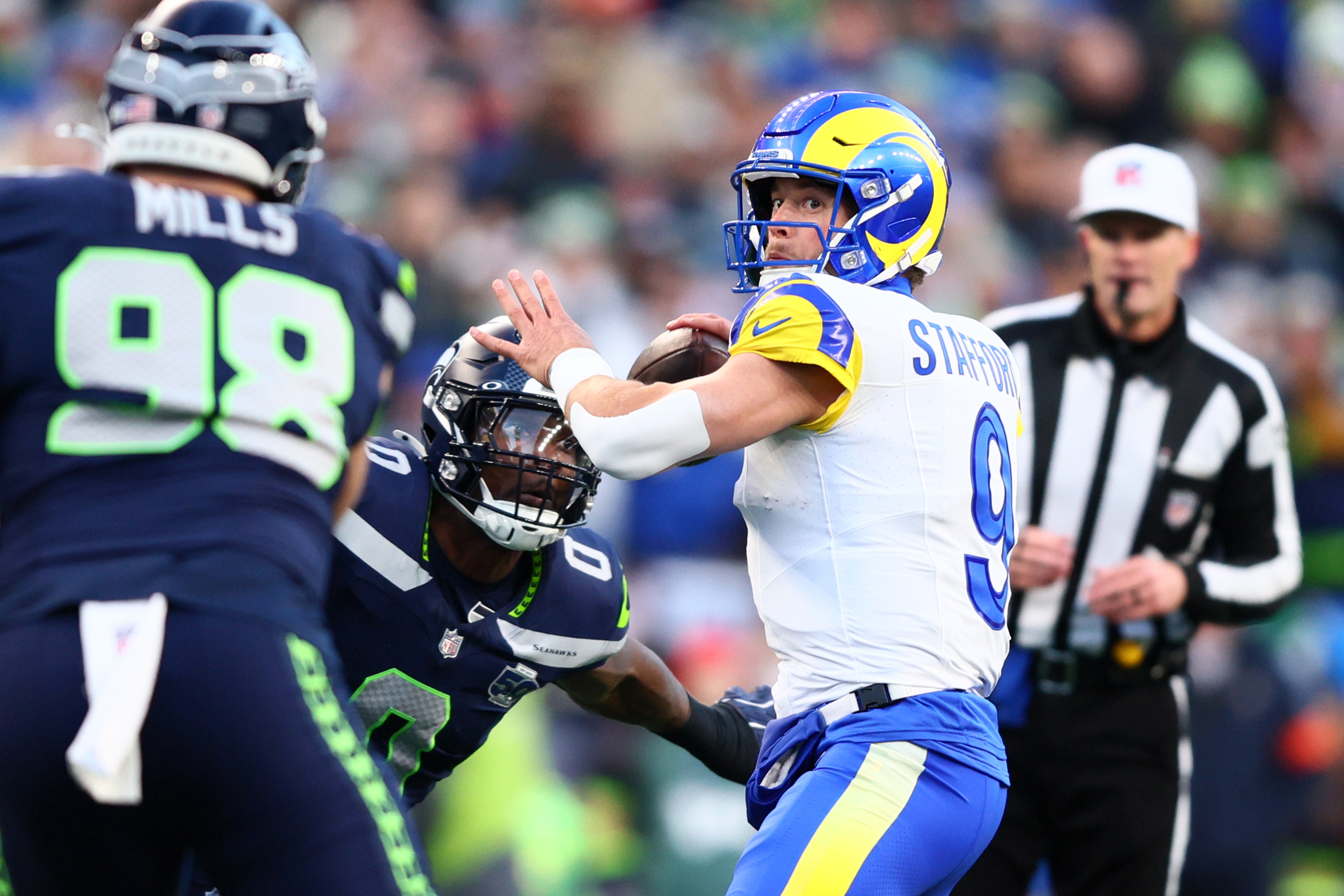
6. Matthew Stafford
Matthew Stafford possesses one of the most naturally gifted throwing arms in NFL history. Despite enduring numerous physical hits behind rebuilding offensive lines during the early portion of his career, Stafford adapted his mechanics and embraced advanced joint-preservation training. His ability to throw from various arm angles with pinpoint accuracy has allowed him to secure a Super Bowl title and maintain elite productivity deep into his career.
7. Jimmy Garoppolo
Jimmy Garoppolo has carved out a successful career operating high-efficiency West Coast offenses. Known for his lightning-quick release and decisive short-to-intermediate passing, Garoppolo minimizes the window for pass rushers to deliver punishing hits. His technical efficiency has helped him navigate various roster roles as both a frontline starter and an experienced mentor.
8. Derek Carr
Derek Carr entered the league as a young starter and has steadily accumulated substantial career statistics through durability and consistent availability. Carr's clean throwing mechanics and traditional pocket-passing approach have protected him from the severe wear and tear experienced by more rushing-reliant quarterbacks, allowing him to anchor starting lineups for consecutive coaching regimes.
9. Jacoby Brissett
Jacoby Brissett is widely regarded as one of the ultimate professionals and premier backup-to-starter quarterbacks in the league. Brissett's robust frame, leadership intangibles, and team-first mentality have allowed him to step into chaotic offensive situations and provide steady, mistake-free football. His physical robustness makes him a trusted asset for franchises seeking stability.
10. Marcus Mariota
Rounding out the group, Marcus Mariota brings a wealth of starting and backup experience. Although injuries altered the trajectory of his early career as a dynamic dual-threat runner, Mariota adapted his playing style to emphasize quick decisions, selective mobility, and veteran game management, securing his place among the league's most seasoned signal-callers.
| Quarterback | Approximate Age Range | Primary Career Archetype | Notable Longevity Factors |
|---|---|---|---|
| Aaron Rodgers | Late 30s to Early 40s | Elite Pocket Passer / Off-Script Maestro | Strict nutrition, rotational core training, quick release. |
| Joe Flacco | Late 30s to Early 40s | Traditional Pro-Style Pocket Passer | Classic size, arm strength, calm demeanor, minimal rushing exposure. |
| Russell Wilson | Mid to Late 30s | Dual-Threat / Deep-Ball Specialist | Obsessive physical recovery, altered mobility, precise mechanics. |
| Kirk Cousins | Mid to Late 30s | High-Volume Pocket Passer | Exceptional durability, meticulous film study, structured health routines. |
| Matthew Stafford | Mid to Late 30s | Gunslinger / West Coast Operator | Natural arm elasticity, adjusted pocket footwork, toughness. |
The Physical Toll and Challenges of Playing Quarterback Later in Career
While medical advancements have extended careers, playing quarterback past the age of 35 remains an arduous physical endeavor. The human body naturally experiences a gradual decline in explosive fast-twitch muscle fiber response, joint cartilage elasticity, and recovery speed as athletes age. For an NFL quarterback, this means that even minor muscle strains or soft-tissue tweaks can drastically impact throwing mechanics, velocity, and footwork precision.
Furthermore, the mental fatigue of enduring rigorous 17-game regular seasons, combined with exhaustive weekly film study, cannot be understated. Veteran quarterbacks must balance the physical necessity of rest with the professional demand for preparation. Those who successfully navigate this balance typically delegate recovery tasks to specialized personal staffs, prioritize sleep hygiene, and adjust their throwing volume during practice weeks to preserve their arms for Sunday kickoffs.
Financial and Strategic Implications for Franchises
The presence of an older, highly experienced quarterback creates unique strategic dynamics for NFL front offices. From a financial perspective, veteran quarterbacks command substantial salary cap investments, requiring general managers to carefully structure contracts using void years, signing bonuses, and incentive clauses to maintain roster flexibility.
Strategically, franchises often utilize veteran quarterbacks as transitional bridges or stabilizing forces while drafting younger developmental prospects. This "mentor-student" model allows rookie quarterbacks to sit, learn playbook complexities, and observe professional habits without the immediate pressure of starting. However, it also introduces cap sheet challenges and potential locker room quarterback controversies if the veteran struggles while a high-draft-pick successor waits on the bench.
Frequently Asked Questions
What is the average career length of an NFL quarterback?
The average career length for an NFL quarterback is shorter than many fans realize, typically hovering around three to four years when factoring in undrafted free agents and short-term backups. However, established starters who secure multi-year contracts frequently play eight to twelve seasons, while elite Hall of Fame-caliber players extend their careers past fifteen seasons.
How do modern quarterbacks avoid severe injuries?
Quarterbacks avoid major injuries by utilizing quick-release passing schemes, sliding effectively in the open field, throwing the ball away under heavy pressure, and adhering to advanced soft-tissue conditioning programs designed by sports scientists.
Do older quarterbacks throw with less velocity?
Not necessarily. While peak raw arm strength may decline slightly with advanced age, veteran quarterbacks often compensate by improving their throwing mechanics, weight transfer, and rotational hip torque, allowing them to maintain effective velocity well into their late 30s.
Why do teams invest in older backup quarterbacks?
Front offices value experienced backup quarterbacks because they possess the mental processing speed and composure required to step into high-pressure games without panicking, minimizing turnovers and keeping playoff-contending rosters afloat during starting quarterback injuries.
What is the age record for an active starting NFL quarterback?
Tom Brady holds the modern record for longevity, starting games and winning a Super Bowl into his mid-40s before retiring at age 45. Other historical figures like George Blanda and Vinny Testaverde also played into their mid-40s, primarily serving in backup and specialist roles.
Final Recommendations for Following Veteran Careers
For fans and analysts tracking player longevity, observing how veteran quarterbacks manage their training regimens, adapt their playing styles, and mentor younger generations offers valuable insight into the modern game. When evaluating an aging signal-caller, focus less on raw athletic traits like scramble speed and more on decision-making efficiency, third-down conversion rates, and red-zone accuracy. These mental attributes ultimately determine how long a quarterback can remain a viable, productive asset at the professional level.