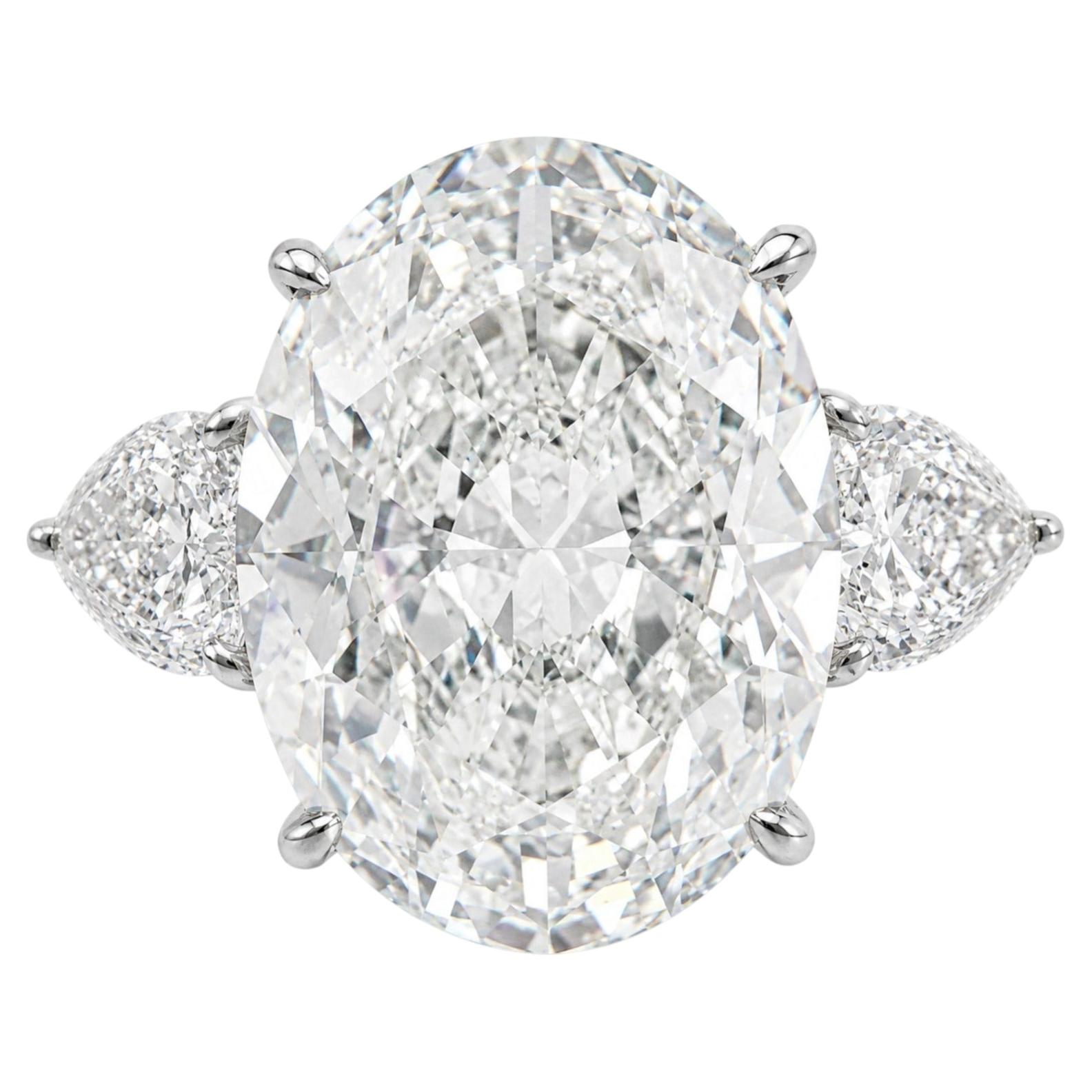
A 10 carat oval diamond is an exceptionally rare and magnificent gemstone that combines impressive size, brilliant light performance, and a sophisticated elongated shape capable of maximizing finger coverage. Purchasing or evaluating a diamond of this magnitude requires a thorough understanding of advanced diamond grading, optical physics, high-value setting requirements, and independent laboratory certification.
Understanding the 10 Carat Oval Diamond
When entering the world of high-carat-weight diamonds, physical scale and optical properties change dramatically compared to standard engagement ring stones. A 10 carat oval diamond is a monumental purchase, often serving as a statement piece, a central family heirloom, or an ultra-luxury acquisition.
The oval cut is a brilliant-cut variant, meaning it shares similar facet structures with the traditional round brilliant diamond—typically featuring 56 to 58 facets. This design is engineered to return maximum light, creating vibrant scintillation and intense brilliance. However, because of its elongated outline, an oval diamond presents unique optical phenomena that do not affect round stones, most notably the "bow-tie effect."
Physical Proportions and Finger Coverage
At 10 carats, the surface area of the diamond is exceptionally large. While carat weight measures mass rather than physical dimensions, a well-cut 10 carat oval diamond typically measures approximately 14 millimeters by 10 millimeters, though exact dimensions vary based on the depth percentage and cutting style.
This expansive surface area creates striking finger coverage, making the hand appear slender and elongated. Buyers must balance length-to-width ratios to achieve their desired aesthetic:
- Classic Proportions (1.35 to 1.45): Offers a balanced, traditional oval look that harmonizes width and length.
- Elongated Proportions (1.46 to 1.60+): Creates a dramatic, slender silhouette that maximizes apparent size and modern aesthetic appeal.
Navigating the 4 Cs for a 10-Carat Oval
Evaluating diamond quality relies on the universal standard of the 4 Cs: Carat, Color, Clarity, and Cut. At the 10-carat level, however, the thresholds and visual impacts of these grading factors shift significantly. Inclusions and color tints that are invisible in a 1-carat stone become readily apparent across a vast 10-carat table facet.
Color Considerations
As diamond size increases, body color becomes more concentrated. Light travels a longer path through a 10-carat diamond, making color retention more noticeable.
- Colorless Range (D–F): Highly recommended for perfectionists seeking an icy, completely white appearance in any lighting environment.
- Near-Colorless Range (G–I): Often provides exceptional value. In a well-cut oval diamond with strong brilliance, a G or H color grade can still appear face-up completely white, especially when set in platinum or white gold.
- Warm Range (J and below): Will display a distinct yellow or brown tint. If mounted in yellow or rose gold, a warm-tinted stone can look rich and intentional, but it requires careful visual inspection.
Clarity Evaluation
Large tables act as magnifying glasses for internal characteristics. While a 1-carat diamond might look flawless with VS2 clarity, a 10-carat stone requires rigorous scrutiny of inclusion type, placement, and size.
- Flawless (FL) and Internally Flawless (IF): Extremely rare at 10 carats and command significant price premiums.
- Very Very Slightly Included (VVS1–VVS2): Generally safe harbors where inclusions are microscopic and undetectable even under 10x magnification by a trained eye.
- Very Slightly Included (VS1–VS2): Can be "eye-clean" (free of visible inclusions without magnification), but each stone must be evaluated individually. Center inclusions or dark crystals directly beneath the table facet should be avoided.
Cut and Light Performance
Unlike round brilliant diamonds, the Gemological Institute of America (GIA) does not assign an overall "Cut" grade to oval cut diamonds. This places the burden of evaluation squarely on the buyer, gemologist, and specialized jeweler.
A superior cut dictates how brilliantly light returns to the observer's eye. Key metrics to analyze include:
- Table Percentage: Ideally between 53% and 63%.
- Depth Percentage: Ideally between 58% and 64%.
- Polish and Symmetry: Grades of Excellent or Very Good ensure crisp facet alignment and optimal light reflection.
The Bow-Tie Effect and Optical Symmetry
The single most critical visual challenge unique to oval, marquise, and pear-shaped diamonds is the bow-tie effect. This phenomenon occurs when light passing through the diamond is blocked by the viewer's head or fails to reflect evenly through the center facets, creating a dark, bow-tie-shaped shadow across the middle of the stone.
While a faint bow-tie is virtually unavoidable in elongated brilliant cuts due to their geometry, a severe bow-tie can deaden the center of a 10 carat oval diamond, severely impacting its brilliance and market value.
- Evaluating the Bow-Tie: Inspect the diamond under various lighting conditions—diffused office light, direct sunlight, and spotlighting. A high-quality 10-carat oval will feature a minimal, soft shadow that enhances the stone's dimension rather than a harsh, dark black bar that divides the diamond in half.
- Facet Alignment: Look for "milling" or "brilliant" sparkle patterns that distribute light evenly from the edges to the center.
Certification and Provenance Verification
Acquiring a 10 carat oval diamond represents a major financial transaction. Independent laboratory certification from a globally recognized gemological institute is non-negotiable.
The Importance of GIA Certification
The Gemological Institute of America (GIA) is the gold standard for unbiased, rigorous diamond grading. A GIA report provides an objective, scientific assessment of the diamond's color, clarity, carat weight, exact dimensions, polish, symmetry, and fluorescence.
When reviewing a diamond report for a 10-carat stone, verify the laser inscription on the diamond's girdle matches the report number provided. For high-value purchases, secondary verification by an independent appraiser or gemological laboratory is strongly advised.
Ethical Sourcing and the Kimberley Process
Buyers of large-scale diamonds increasingly demand transparency regarding the origin of their gemstone. Ensure that the diamond complies with the Kimberley Process Certification Scheme, which prevents conflict diamonds from entering the legitimate supply chain. Many modern high-end jewelers also offer origin-tracked stones, tracing the diamond from rough mining to polished masterpiece.
Setting and Mounting a 10 Carat Oval Diamond
A 10 carat oval diamond weighs approximately two grams, but its physical leverage—especially when mounted on a ring—requires robust structural engineering. The setting must securely anchor the stone while protecting vulnerable points, particularly the delicate curved tips of the oval shape.
Metal Selection
- Platinum: The premier choice for high-carat diamonds. Platinum is exceptionally dense, durable, and naturally white. It develops a rich patina over time and holds large prongs securely without the risk of cracking.
- 18k Gold (White, Yellow, or Rose): Softer than platinum, requiring more frequent maintenance of the prongs, but offers warm contrast or classic bright mountings.
Prong Configurations and Protection
- Six-Prong Settings: Recommended over four prongs for security. Distributing the hold across six points reduces the risk of loss if a single prong experiences impact.
- V-Prong or Double Prongs: Particularly important for the apexes (tips) of an oval diamond, which are susceptible to chipping if struck awkwardly against hard surfaces.
- Bezel Settings: A full or partial metal rim encircling the diamond offers ultimate protection and a sleek, contemporary aesthetic, though it slightly reduces the amount of light entering the stone's sides.
Cost Analysis and Market Pricing
Pricing for a 10 carat oval diamond is exponential rather than linear. Because large rough diamond crystals of high quality are extraordinarily rare, prices scale dramatically as weight crosses significant thresholds like 5, 10, and 15 carats.
| Quality Tier | GIA Color / Clarity | Estimated Price Range (USD) | Market Characteristics |
|---|---|---|---|
| Investment Grade | D–E / VVS1–IF | $250,000 – $600,000+ | Museum-quality rarity, exceptional clarity, top-tier color. Highly liquid among collectors. |
| Fine Commercial | F–H / VS1–VS2 | $120,000 – $240,000 | Visually eye-clean and brilliant. Optimal balance of beauty and investment preservation. |
| Commercial Value | I–K / SI1–SI2 | $60,000 – $110,000 | Visible warmth or minor inclusions. Requires careful visual selection to ensure face-up brilliance. |
Note: Pricing fluctuates based on market demand, polish, fluorescence, and specific proportions. Laboratory-grown alternatives at 10 carats exist at significantly lower price points, though natural mined stones retain greater historical asset value.
Frequently Asked Questions
How big does a 10 carat oval diamond look on the hand?
A 10 carat oval diamond is visually massive. Because oval cuts distribute weight across an elongated surface, a 10-carat stone typically measures around 14mm x 10mm. On most hands, it covers the majority of the finger knuckle-to-knuckle, creating an unmistakable, dramatic presence.
What is the best length-to-width ratio for an oval diamond?
The ideal ratio depends entirely on personal preference. A ratio between 1.35 and 1.45 offers a classic, full oval shape. If you prefer a more slender, modern look that maximizes finger length, look for ratios between 1.46 and 1.60.
Can a 10 carat oval diamond have a bow-tie effect?
Yes. Most oval cut diamonds possess some degree of a bow-tie effect due to the physics of elongated brilliant cutting. The goal is to find a stone where the shadow is subtle and balanced, rather than dark and distracting. Always examine the stone in person or via high-definition video before purchasing.
Are laboratory-grown 10 carat oval diamonds widely available?
Yes. Advanced technological advancements allow for the creation of high-clarity, colorless lab-grown diamonds exceeding 10 carats. They possess the exact same physical, chemical, and optical properties as mined diamonds but cost a fraction of the price.
What type of insurance is required for a 10-carat diamond ring?
Standard homeowners or renters insurance policies rarely cover high-value jewelry adequately. Owners of a 10 carat oval diamond should secure a dedicated, specialized jewelry insurance policy covering loss, theft, mysterious disappearance, and accidental damage, backed by an up-to-date professional appraisal.
Summary and Next Actions
Acquiring a 10 carat oval diamond requires balancing profound aesthetic considerations with rigorous technical verification. Prioritize a certified GIA report, inspect the diamond for an acceptable bow-tie effect, ensure secure setting engineering with platinum or reinforced prongs, and secure comprehensive specialized insurance immediately upon purchase. Consult with an accredited independent gemologist to verify quality and fair market value before finalizing any high-value transaction.