Finding affordable car insurance requires looking closely at state-specific pricing data, regulatory environments, and risk factors that influence annual premiums. While rates fluctuate due to inflation, vehicle technology, and litigation trends, certain states consistently maintain the lowest average costs for drivers. This analysis examines the states with the best auto insurance rates, the structural reasons behind these pricing trends, and how individual risk profiles affect what you ultimately pay.
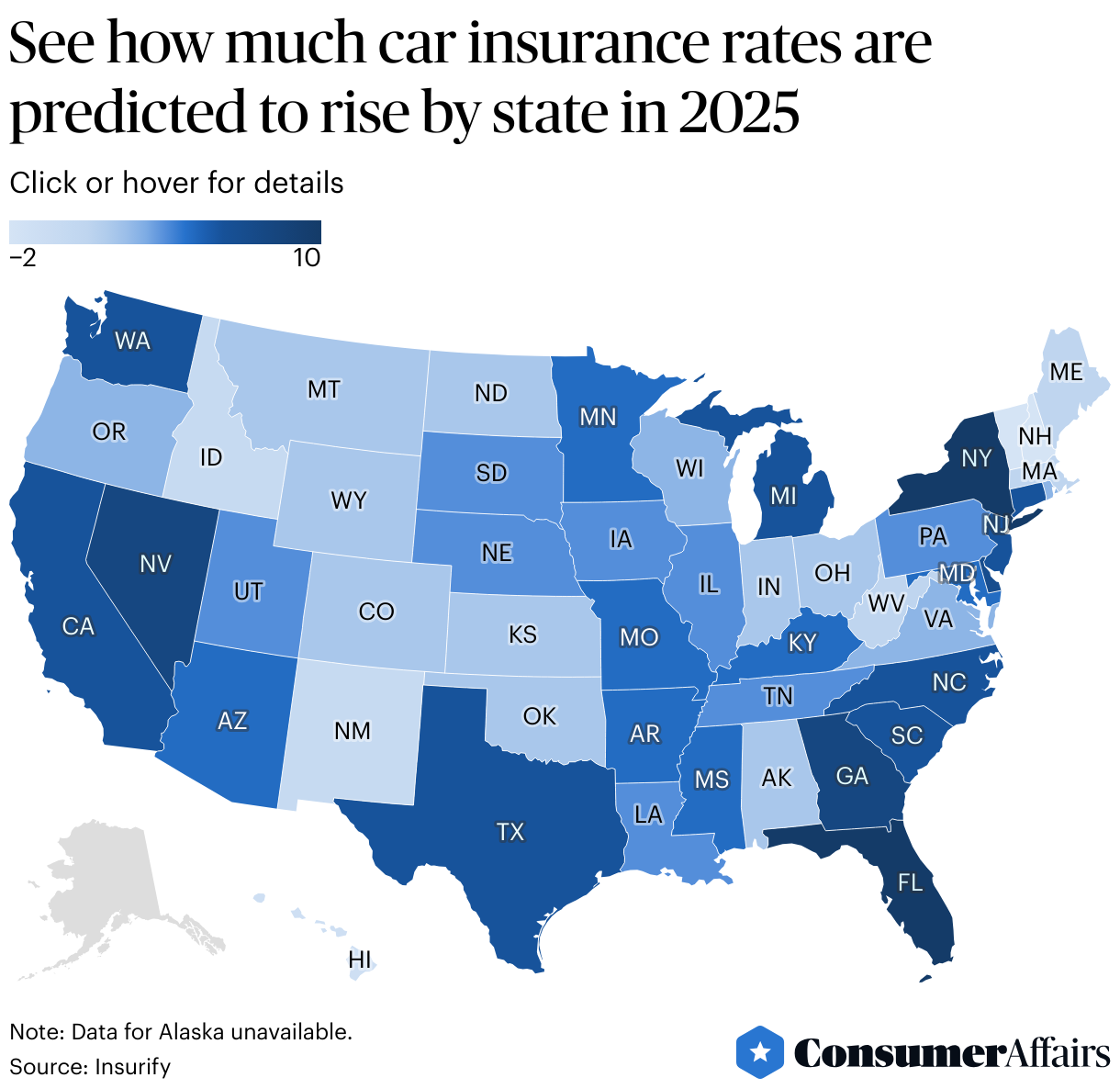
Auto insurance pricing varies dramatically across the United States. While high-density states with severe congestion and litigious environments often face soaring premiums, other regions benefit from lower traffic volumes, strict regulatory caps on rate hikes, and fewer uninsured motorists. Understanding which states offer the best auto insurance rates provides valuable context for consumers evaluating relocation, shopping for coverage, or analyzing broader economic trends in personal finance and risk management.
How Auto Insurance Rates Are Determined
Car insurance companies do not pull numbers out of thin air. Every premium calculation relies on an intricate actuarial formula designed to predict the likelihood and potential cost of a future claim. To understand why certain states maintain lower average rates than others, it is necessary to examine the primary variables that underwriters evaluate.
At the individual level, insurers look at driving history, age, credit score (in states where permitted), vehicle make and model, and annual mileage. However, macro-level factors—those dictated by geography—often exert an even greater influence on your final bill. These macro factors include state insurance regulations, local weather patterns, healthcare costs, and the frequency of traffic accidents or vehicle thefts within a specific jurisdiction.
Regulatory Environments and State Laws
Insurance is heavily regulated at the state level rather than the federal level. Each state department of insurance enforces its own rules regarding minimum coverage requirements, mandatory coverages like Personal Injury Protection (PIP) or Uninsured Motorist coverage, and the approval process for rate increases.
States with tort liability systems versus no-fault systems experience vastly different claims environments. In pure no-fault states, drivers must turn to their own insurance companies for medical bills regardless of who caused the accident, which often drives up the cost of coverage due to medical inflation and high fraud rates. Conversely, states with tort systems where at-fault drivers bear financial responsibility often see more predictable litigation outcomes, which can stabilize rates if litigiousness remains low. Furthermore, some state insurance commissioners exercise strict oversight over rate filings, denying or scaling back requested premium increases by carriers, which keeps baseline costs lower for consumers over the long term.
Geographic Risk Factors and Population Density
Population density is one of the single most reliable predictors of auto insurance costs. Urban centers feature congested roadways, frequent stop-and-go traffic, higher rates of vandalism, and a greater probability of minor fender-benders or multi-car collisions.
Rural states, by contrast, feature wide-open highways, lower vehicle-per-mile ratios, and fewer urban bottlenecks. While rural drivers may occasionally face higher severity risks—such as high-speed animal strikes or severe weather events—the sheer frequency of claims remains far lower than in metropolitan areas. States characterized by expansive rural landscapes and smaller total populations frequently populate the lists of regions with the most cost-effective auto insurance rates.
States Consistently Offering the Best Auto Insurance Rates
Historical pricing data from organizations like the National Association of Insurance Commissioners (NAIC) and industry research groups consistently point to a handful of states that offer the lowest average annual premiums. While exact dollar amounts change year-over-year due to economic shifts, the relative positioning of these states remains remarkably stable.
The following table highlights several states known for offering some of the most competitive auto insurance rates in the country, alongside the primary economic and geographic drivers of those low costs.
| State | Estimated Average Annual Premium | Primary Contributing Factors | Regulatory Framework |
|---|---|---|---|
| Idaho | Low ($450 - $600) | Low population density, rural expanses, fewer severe traffic bottlenecks | Tort system with moderate regulatory oversight |
| Maine | Low ($500 - $650) | Safe driving culture, low rates of vehicle theft, sparse suburban traffic | Tort system, competitive insurance market |
| Ohio | Low ($550 - $700) | Competitive carrier market, moderate cost of living, stable litigation climate | Tort system, flexible rate filing rules |
| North Carolina | Low ($600 - $750) | State-managed bureau system for pure base rates, safe driver incentive plans | Modified comparative fault, bureau-established base rates |
| Wyoming | Low ($550 - $700) | Extremely low population density, vast rural mileage, low urban congestion | Tort system, low litigation rates |
A Closer Look at Idaho and Wyoming
Mountain West states like Idaho and Wyoming routinely secure top positions for affordable auto insurance. The primary driver is geography. With vast geographic areas and relatively small populations concentrated in a few mid-sized cities, the daily exposure to heavy traffic congestion is minimal. Furthermore, both states report lower-than-average rates of uninsured motorists compared to densely populated industrial states, reducing the risk burden carried by insurance pools.
The New England Advantage: Maine
Maine stands out as a perennial leader in affordable auto insurance within the Northeast. Despite harsh winter weather conditions that can cause seasonal spikes in minor accidents, Maine benefits from a cultural emphasis on defensive driving, low rates of vehicle theft, and a stable, mature population demographic. The state's insurance market features robust competition among regional and national carriers, driving down prices through market forces.
The Mid-Atlantic and Midwest Stability: Ohio and North Carolina
Ohio combines a moderate cost of living with a highly competitive insurance marketplace. Dozens of regional and national carriers vie for market share, creating pricing pressure that benefits consumers. North Carolina utilizes a unique rating bureau structure that establishes base rates for standard coverages, preventing erratic pricing spikes while rewarding safe drivers with premium discounts for clean records.
Why Some States Face Abnormally High Premiums
To fully appreciate why certain states enjoy low auto insurance rates, it is helpful to contrast them with high-cost jurisdictions. Understanding the friction points in expensive states highlights the structural advantages of low-cost states.
- Litigation and Legal Environments: States like Florida, New York, and Louisiana frequently top lists for the most expensive auto insurance. These states often feature aggressive attorney involvement in minor accidents, high rates of fraudulent claims, and legal frameworks that drive up defense and settlement costs for insurers.
- Mandatory High-Limit Coverages: States that require high minimum liability limits or expensive no-fault Personal Injury Protection (PIP) packages force every driver to purchase robust, high-cost baseline policies, elevating the average state premium.
- Severe Weather and Natural Disasters: States prone to frequent hurricanes, widespread hailstorms, or massive wildfire seasons face high comprehensive insurance claims, which carriers factor into statewide or regional pricing models.
How to Secure Low Rates Regardless of Where You Live
While geographic location plays a massive role in determining your car insurance premium, policyholders retain significant control over their individual pricing. Even if you reside in a state with moderate or high average rates, applying targeted strategies can dramatically lower your out-of-pocket costs.
Shopping Your Policy and Comparing Quotes
Insurance pricing models change frequently. A carrier that offered competitive rates three years ago may have adjusted its underwriting criteria in your demographic or zip code. Experts recommend gathering quotes from at least three different providers—including national brands, regional mutual companies, and direct-to-consumer digital insurers—every two to three years.
Maximizing Available Discounts
Car insurance companies offer a wide array of discounts that policyholders often overlook. Securing these reductions can bridge the gap between high and low regional pricing:
- Bundling Policies: Purchasing your auto insurance from the same company that insures your home, renters, or umbrella policy typically yields a multi-policy discount ranging from 10% to 25%.
- Telematics and Usage-Based Programs: Enrolling in mobile app-based or plug-in device tracking programs monitors your actual driving habits—such as speed, braking smoothness, and phone distraction. Safe drivers frequently secure deep discounts.
- Good Student and Professional Affiliations: Many carriers offer rate reductions for high school or college students maintaining a B average or higher, as well as discounts for members of specific professional organizations, alumni associations, or military personnel.
Adjusting Deductibles and Coverage Limits
If you drive an older vehicle that has depreciated significantly, carrying comprehensive and collision coverage may cost more than the actual cash value of the car. Dropping these optional coverages on older vehicles can yield immediate savings. For newer vehicles, raising your deductible from $500 to $1,000 can reduce your comprehensive and collision premiums by 15% to 30%, provided you maintain enough liquid savings to cover that deductible in the event of an accident.
Frequently Asked Questions
Which state has the absolute cheapest car insurance rates?
Pricing fluctuates annually based on economic conditions, but Idaho, Maine, and Ohio consistently rank among the states with the lowest average annual auto insurance premiums due to lower population densities, favorable regulatory climates, and competitive insurance markets.
Does moving to a cheaper state guarantee lower car insurance?
Generally, yes, if you relocate from an urban, high-litigation state to a rural, low-density state. However, insurers also evaluate your personal driving record, credit history (where permitted), and vehicle type, so your individual rate will still reflect your specific risk profile.
Why do some rural states have higher rates than expected?
While rural states generally enjoy lower accident frequencies, they can sometimes face higher severity costs. High-speed rural collisions often result in severe injuries or fatalities, and the long distances required for emergency medical transport and vehicle towing can inflate individual claim payouts.
Can my credit score affect my auto insurance rate?
In most U.S. states, insurance companies are legally permitted to use a credit-based insurance score as part of their underwriting formula, as statistical data indicates a correlation between financial responsibility and claims frequency. However, states such as California, Hawaii, Massachusetts, and Michigan prohibit or severely restrict the use of credit scores in auto insurance pricing.
How often should I review my auto insurance policy?
It is advisable to review your auto insurance policy at least once a year or whenever you experience a major life event, such as moving, buying a new car, adding a teen driver to your policy, or experiencing a significant change in your credit score or annual mileage.
Next Actions for Consumers
Finding the best auto insurance rates requires balancing geographic realities with proactive shopping. Begin by pulling your current policy declaration page to verify your exact coverage limits and deductibles. Next, obtain quotes from multiple independent and direct-write carriers to benchmark current market pricing in your specific zip code. Finally, audit your available discounts—such as telematics enrollment, paperless billing, and policy bundling—to ensure you are capturing every available dollar of savings without sacrificing essential liability protection.