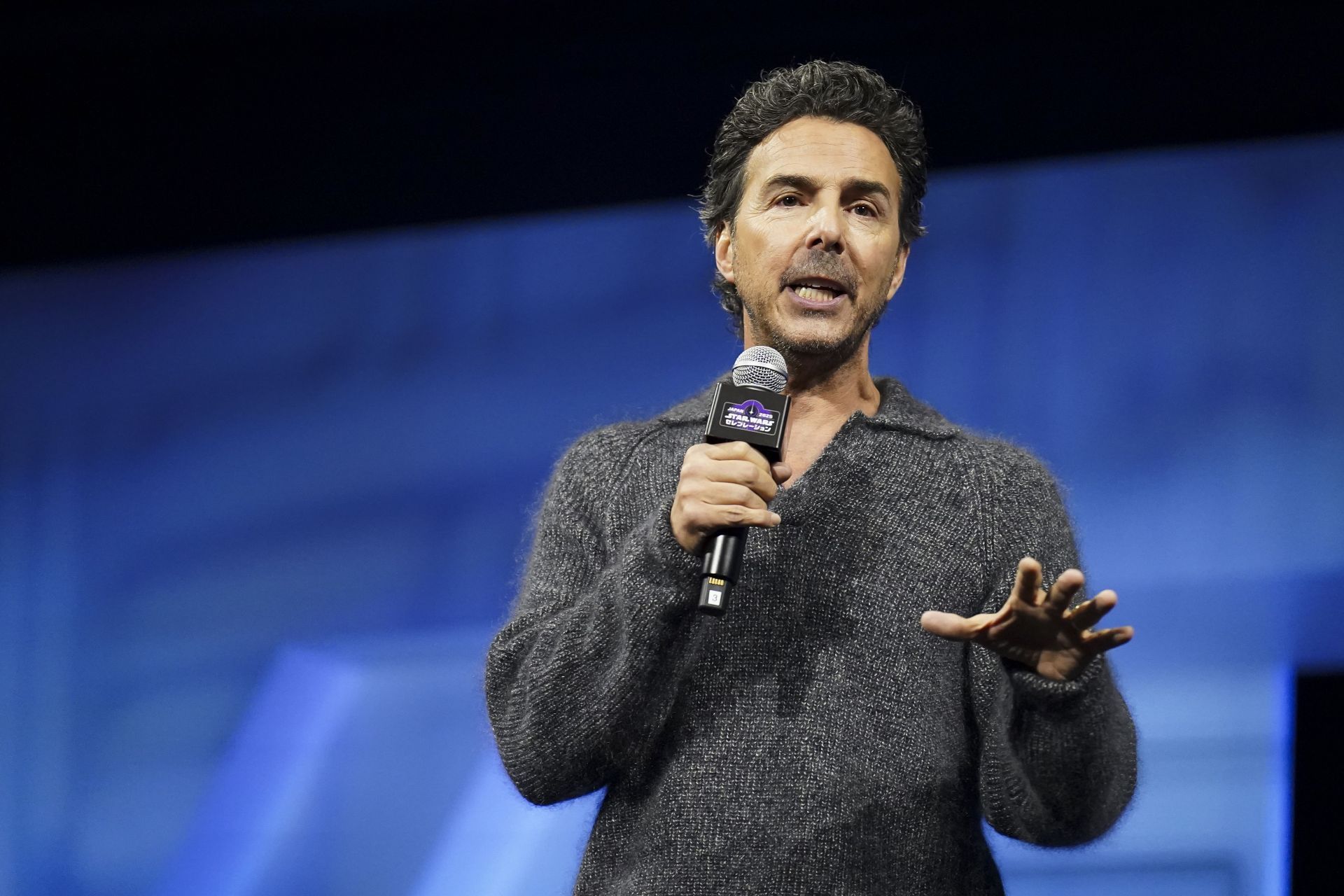
Shawn Levy has served as a cornerstone of the Stranger Things production team since the series' inception, playing a pivotal role in establishing the visual identity, tone, and narrative structure of the show. Beyond his contributions as an executive producer who helped shepherd the series at 21 Laps Entertainment, Levy has stepped into the director’s chair for critical episodes across every season. His work typically focuses on balancing the series’ hallmark nostalgia with its tense, supernatural horror elements, often helming the third and fourth episodes of each season to bridge the gap between season-opening exposition and high-stakes mid-season climaxes.
The Role of Shawn Levy in the Stranger Things Production Ecosystem
To understand why Shawn Levy’s episodes feel distinct, one must first recognize his dual capacity as both an executive producer and a director. When the Duffer Brothers—Matt and Ross Duffer—initially conceptualized Stranger Things, they sought a collaborator who could provide the infrastructure of a professional television studio while maintaining the aesthetic sensibilities of 1980s cinema. Levy provided this link, not only by securing the Netflix partnership but by actively shaping the show’s "Amblin-esque" atmosphere.
As a director, Levy brings a specific methodology to the episodes he oversees. He is often tasked with managing the show’s ensemble cast, ensuring that the disparate plot threads—the teenagers, the adults, and the younger core group—feel cohesive even when they are physically separated by the plot. His directorial style is characterized by fluid camera movements and a meticulous focus on character chemistry, which is essential given that the series relies heavily on the evolving dynamics between characters like Steve Harrington, Dustin Henderson, and Joyce Byers.
Season-by-Season Breakdown of Levy’s Directorial Contributions
Levy’s influence on the show’s narrative progression is best observed by looking at the specific episodes he has directed across the series' tenure.
Season 1: Establishing the Foundation
In the debut season, Levy directed the third episode, "Chapter Three: Holly, Jolly," and the fourth episode, "Chapter Four: The Body." These episodes are widely regarded as the moments when Stranger Things shifted from a mystery-thriller to a genuine supernatural phenomenon. In "Holly, Jolly," Levy directed the pivotal sequence involving Joyce Byers communicating with Will through the Christmas lights. This sequence required a precise blend of practical lighting effects and emotional gravitas, proving that Levy could master the show’s unique visual language while grounding the supernatural in raw, human grief.
Season 2: Escalating the Tension
For the second season, Levy returned to direct the third and fourth episodes, "Chapter Three: The Pollywog" and "Chapter Four: Will the Wise." By this point, the show had gained significant momentum. Levy’s work here involved introducing more complex creature effects—specifically the growth of Dart, the Demodog—and balancing the burgeoning relationship between Dustin and his creature, while simultaneously escalating the stakes for Will Byers, who was becoming increasingly compromised by the Shadow Monster.
Season 3: The Summer of Spectacle
Season 3 saw a shift in the series' tone toward brighter colors, mall culture, and more intense action sequences. Levy directed "Chapter Three: The Case of the Missing Lifeguard" and "Chapter Four: The Sauna Test." These episodes represent a shift toward high-concept, kinetic filmmaking. The Sauna Test, in particular, was a landmark episode for the series, featuring an intense, claustrophobic showdown with the Mind Flayer’s possessed host. Levy’s ability to coordinate the action within the confined space of the sauna proved his technical proficiency in blocking and suspense.
Season 4: A Darker, More Cinematic Turn
In the fourth season, the series moved toward a darker, more cinematic scope. Levy directed "Chapter Three: The Monster and the Superhero" and "Chapter Four: Dear Billy." The latter is frequently cited by fans and critics alike as one of the best episodes in the entire series, primarily for the climactic scene set to Kate Bush’s "Running Up That Hill." Levy’s direction of Max Mayfield’s escape from Vecna’s psychic trap combined slow-burn psychological dread with cathartic character resolution, demonstrating his capacity to elevate individual character arcs within a massive, world-spanning narrative.
Comparative Table of Shawn Levy’s Directorial Episodes
The following table summarizes the episodes directed by Shawn Levy, highlighting the thematic focus of each entry in the series.
| Season | Episode Number | Episode Title | Primary Focus |
|---|---|---|---|
| 1 | 3 | Holly, Jolly | Communication with the Upside Down |
| 1 | 4 | The Body | Discovery of Will’s "corpse" |
| 2 | 3 | The Pollywog | Dustin’s connection with Dart |
| 2 | 4 | Will the Wise | Will’s connection to the Mind Flayer |
| 3 | 3 | The Case of the Missing Lifeguard | Investigation of the Flayed |
| 3 | 4 | The Sauna Test | Showdown with the possessed Billy |
| 4 | 3 | The Monster and the Superhero | Eleven’s school struggles |
| 4 | 4 | Dear Billy | Max’s confrontation with Vecna |
Technical Directing: The "Levy Aesthetic"
When analyzing why these specific episodes stand out, it is important to note the technical consistency. Shawn Levy often utilizes wide, tracking shots that emphasize the suburban isolation of Hawkins, Indiana. This technique reinforces the sense that the horror is encroaching upon a mundane, peaceful setting. Furthermore, Levy’s episodes frequently utilize specific lighting palettes—such as the cool blues of the Upside Down contrasted with the warm, saturated yellows and oranges of 1980s American life.
Levy also excels in what might be called "the ensemble check-in." Because Stranger Things operates on multiple simultaneous timelines, Levy’s episodes act as a narrative glue. He focuses heavily on the interplay between actors. In "Dear Billy," for example, the weight of the episode rests on the performance of Sadie Sink. Levy’s direction allowed for an extended, near-silent sequence that relied on performance rather than heavy exposition, which is a hallmark of his approach to high-tension drama.
Common Themes and Motifs in Levy’s Episodes
Across his tenure, several motifs emerge in Levy’s work:
- The Domestic vs. The Supernatural: Levy often places supernatural threats inside the home. Whether it is the Byers’ living room walls in Season 1 or the sauna in the community pool in Season 3, his episodes highlight how thin the veil is between everyday life and the nightmare of the Upside Down.
- Coming-of-Age Anxiety: A recurring element in Levy’s episodes is the focus on the transition from childhood to adolescence. Whether it is Dustin and Steve’s mentor-mentee relationship or Max’s struggle with grief, Levy consistently uses the supernatural threats as metaphors for the anxieties of growing up.
- The "Slow Burn" to "Fast Action" Transition: Levy’s episodes consistently mirror the pacing of the seasons themselves. He starts with a build-up of suspense—often involving a mystery being solved—and ends with a high-octane confrontation.
Challenges and Constraints in Production
Directing Stranger Things is a significant logistical challenge. The show relies heavily on VFX, period-accurate production design, and a large cast of child actors who have matured as the series progressed. For Levy, this means coordinating with visual effects teams to ensure that the CGI threats interact realistically with the physical sets.
One of the greatest challenges Levy has faced is the evolving scale of the series. By Season 4, the episodes were longer and possessed more complex lore. Directing "Dear Billy" required working with a massive amount of footage related to the "Vecna’s Curse" plotline, requiring Levy to juggle multiple locations—the school, the trailer park, and the psychic realm—while maintaining the emotional through-line of Max’s trauma. His experience as an executive producer provides him with a unique advantage here; he understands the budget and scheduling constraints of every scene, allowing him to optimize his shoots to ensure the high production value expected by Netflix subscribers.
Next Steps for Fans of Levy’s Work
If you are interested in analyzing Levy’s evolution, a useful exercise is to watch his Season 1 episodes back-to-back with his Season 4 episodes. The progression from the small-scale mystery of a missing boy to the global threat of the Upside Down perfectly encapsulates the growth of the series. Fans who appreciate the directorial style found in these episodes may also find value in examining Levy's work outside of Stranger Things, such as his collaborations with Ryan Reynolds, which exhibit a similar focus on high-concept storytelling and character-driven humor, albeit in a different genre.
As of 2026, the legacy of Shawn Levy’s work on Stranger Things is firmly cemented. He did not merely direct individual installments; he helped construct the visual grammar that has defined the series for a decade. Whether it is the way light bounces off the walls of the Upside Down or the way a conversation between two teenagers captures the essence of 1980s nostalgia, Levy’s fingerprints are on the foundational structure of one of the most successful shows in streaming history.
Frequently Asked Questions
Why does Shawn Levy usually direct the third and fourth episodes?
Levy often directs these episodes because they serve as the crucial "mid-season" pivot. By directing the middle of the season, he is responsible for escalating the conflict after the initial mystery is established, effectively bridging the gap between the season’s slow-burn opening and its inevitable high-stakes climax.
Does Shawn Levy’s direction style change across seasons?
Yes. While his core focus on character remains, his visual style has evolved to match the increasing scale of the show. In early seasons, his work was more intimate and domestic. By Season 4, his direction became more cinematic and atmospheric, utilizing wider shots and more complex VFX integration to match the darker, more horror-oriented tone of the later seasons.
How much influence does Shawn Levy have on the show’s overall plot?
As an executive producer, Levy is deeply involved in the show's narrative development. While the Duffer Brothers lead the writing, Levy provides strategic input on how the story is structured, the tone of the episodes, and how the various plot arcs can be balanced to maximize engagement for a binge-viewing audience.
Are there specific camera techniques Levy uses in his episodes?
Levy frequently uses tracking shots and long takes to capture the ensemble cast, particularly when they are interacting in groups. This allows the audience to see the chemistry between the characters in real-time without excessive cutting, which is a hallmark of his approach to grounded, character-focused storytelling.
Can you identify the "best" episode directed by Shawn Levy?
While subjective, "Chapter Four: Dear Billy" from Season 4 is widely cited as his strongest effort. It features a masterful blend of character development—specifically regarding Max Mayfield’s trauma—and intense, genre-defining suspense that utilizes music and cinematography to create a lasting emotional impact.