In the ICD-10-CM coding system, there is no single, discrete code that encompasses "multi-organ failure" as a standalone diagnosis. Instead, clinical coders must report individual codes for each specific organ system experiencing failure, such as acute kidney failure (N17.9) or acute respiratory failure (J96.00). When organ failure is caused by sepsis, the systemic infection is coded first, followed by the specific organ dysfunction codes.
Understanding the Multi-Organ Failure Coding Framework
As of 2026, the medical coding landscape continues to prioritize high-level specificity. Multi-organ failure, clinically referred to as Multiple Organ Dysfunction Syndrome (MODS), is a complex physiological state where two or more organ systems fail simultaneously, usually due to a systemic inflammatory response. However, from a technical SEO and medical billing perspective, the search for "one code" leads to a fundamental rule of the International Classification of Diseases, 10th Revision (ICD-10): combination codes are only used when explicitly provided by the classification.
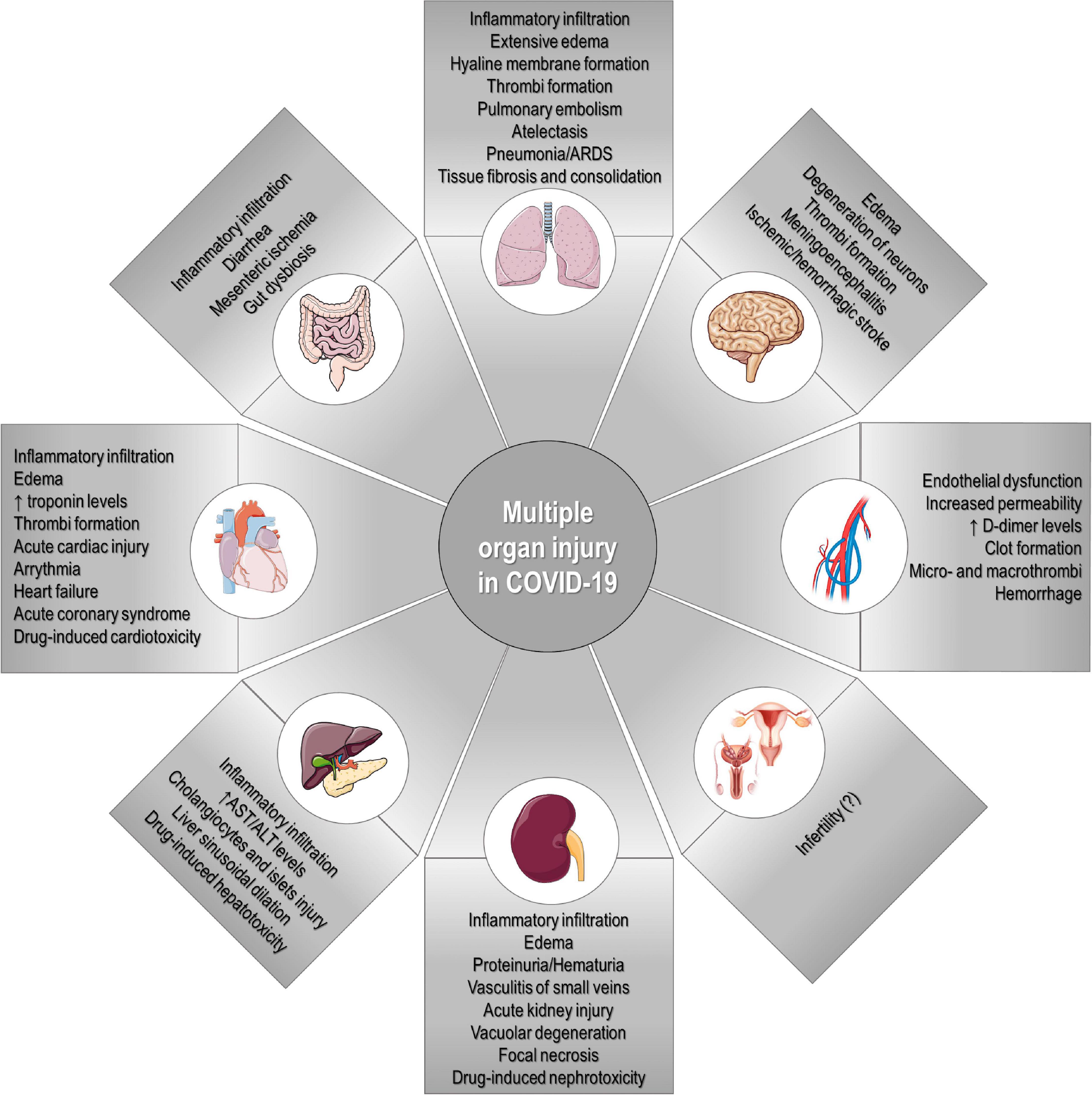
Because "multi-organ failure" can involve any combination of the renal, respiratory, hepatic, cardiovascular, or hematologic systems, a single code would fail to capture the clinical resource intensity required for treatment. Therefore, the "explanation" of the code for multi-organ failure is actually an explanation of a coding cluster.
To accurately reflect a patient's condition, the healthcare provider must document the specific organs involved. For example, if a patient has failure of the lungs and kidneys due to a primary infection, the coding string must represent each component to ensure accurate Risk Adjustment Factor (RAF) scores and Severity of Illness (SOI) levels.
The Role of Sepsis in Multi-Organ Failure
The most common clinical pathway to multi-organ failure is sepsis. In these instances, the coding guidelines for 2026 remain consistent with established protocols regarding "Severe Sepsis." Although the term "severe sepsis" was removed from clinical definitions (Sepsis-3) years ago, the ICD-10-CM code set still utilizes the R65.2 code series to represent sepsis with associated acute organ dysfunction.
Sepsis with Organ Dysfunction (R65.20 and R65.21)
When a patient presents with multi-organ failure secondary to sepsis, the following hierarchy is applied:
- Underlying Systemic Infection: The first code assigned is the code for the specific systemic infection (e.g., A41.9 for Sepsis, unspecified organism).
- Sepsis Category: A code from subcategory R65.2 (Sepsis with acute organ dysfunction) is assigned.
- R65.20 is used for sepsis with acute organ dysfunction without septic shock.
- R65.21 is used for sepsis with septic shock.
- Specific Organ Failures: Following the R65.2 code, each specific organ failure must be listed as an additional diagnosis.
This "coding bundle" is the closest the ICD-10 system comes to a single designation for multi-organ failure. Without the specific organ codes (like N17.9 for the kidneys or K72.00 for the liver), the R65.2 code remains incomplete and may result in a claim denial or an under-representation of the patient's acuity.
Common ICD-10 Codes for Individual Organ Failures
Because you cannot rely on a single code, you must be familiar with the "building blocks" of a multi-organ failure diagnosis. In 2026, the following codes are the most frequently utilized to construct a complete clinical picture of MODS.
Respiratory Failure
Acute respiratory failure is one of the most frequent components of multi-organ failure, often necessitating mechanical ventilation.
- J96.00: Acute respiratory failure, unspecified whether with hypoxia or hypercapnia.
- J96.01: Acute respiratory failure with hypoxia.
- J96.02: Acute respiratory failure with hypercapnia.
Renal (Kidney) Failure
Acute Kidney Injury (AKI) or Acute Renal Failure (ARF) is a Major Complication or Comorbidity (MCC) in most Diagnostic Related Group (DRG) systems.
- N17.0: Acute kidney failure with tubular necrosis.
- N17.9: Acute kidney failure, unspecified.
Hepatic (Liver) Failure
Liver failure in the context of MODS is often documented as "acute hepatic failure" or "shock liver."
- K72.00: Acute and subacute hepatic failure without coma.
- K72.01: Acute and subacute hepatic failure with coma.
Cardiovascular Failure
While "heart failure" often refers to chronic conditions (I50 series), in the context of multi-organ failure, clinicians often document "acute heart failure" or "cardiogenic shock."
- R57.0: Cardiogenic shock.
- I50.21: Acute systolic (congestive) heart failure.
Hematologic Failure
Disseminated Intravascular Coagulation (DIC) is a common manifestation of hematologic failure in critically ill patients.
- D65: Disseminated intravascular coagulation [defibrination syndrome].
Technical Coding Instructions and Sequencing
Proper sequencing is vital for legal compliance and reimbursement. The "1 code" for multi-organ failure is effectively the Principal Diagnosis, but that diagnosis is rarely "multi-organ failure" itself. Instead, the principal diagnosis is the cause of the failure.
The "Code Also" Instruction
In the 2026 ICD-10-CM Tabular List, many codes for systemic conditions include a "Code also" instruction. For instance, when coding for a patient with a primary condition that leads to organ failure, the instruction reminds the coder to add the specific organ dysfunction codes. Failure to follow these instructions leads to a "loss of specificity," which is a primary reason for audits by insurance payers.
Sequencing Priority
If a patient is admitted with multi-organ failure, the coder must determine what triggered the cascade.
- Trauma: If the MOF is due to a car accident, the trauma codes (S-series) are sequenced first.
- Poisoning/Overdose: If a drug overdose caused the failure, the T-series codes for poisoning are sequenced first.
- Infection: As noted, the infection (A-series) takes precedence.
Comparison Table: Organ Failure Codes and Severity Levels
In the 2026 hospital reimbursement environment, the distinction between a Complication or Comorbidity (CC) and a Major Complication or Comorbidity (MCC) is critical. Multi-organ failure generally implies the presence of multiple MCCs.
| Organ System | ICD-10 Code | Severity Status | Clinical Documentation Requirement |
|---|---|---|---|
| Respiratory | J96.01 | MCC | Must specify "Acute" and "Hypoxic" or "Hypercapnic" |
| Renal | N17.9 | MCC | Requires "Acute Kidney Failure" or "Acute Kidney Injury" |
| Hepatic | K72.00 | MCC | Specify "Acute" and presence/absence of coma |
| Circulatory | R57.1 | CC | Hypovolemic shock (unrelated to trauma) |
| Circulatory | R57.0 | MCC | Cardiogenic shock |
| Hematologic | D65 | MCC | Documentation of DIC or consumptive coagulopathy |
| Neurologic | R40.20 | Varies | Coma scale/altered mental status secondary to failure |
Clinical Documentation Integrity (CDI) for Multi-Organ Failure
For a coder to accurately assign these codes, the physician's documentation must be precise. A common hurdle in 2026 is the use of the vague term "organ dysfunction" without specifying that the dysfunction is "acute" or that it has progressed to "failure."
The Importance of the Word "Acute"
In ICD-10-CM, "organ failure" and "acute organ dysfunction" often map to the same high-severity codes, but "chronic organ failure" (such as Stage 5 CKD) carries significantly different weight. To support a multi-organ failure diagnosis, the record should clearly state that the failure is a new, acute development resulting from the current illness.
Linking Causes and Effects
Documentation should ideally link the organ failures to a single underlying cause using terms like "due to," "secondary to," or "manifested by." For example: "Patient in multi-organ failure (AKI, Acute Respiratory Failure) secondary to urosepsis." This allows the coder to use the R65.21 code for septic shock and ensures the logic of the patient's stay is clear to external auditors.
Common Mistakes When Coding Multi-Organ Failure
- Searching for a single code: As established, using a single code like R68.89 (Other specified symptoms and signs involving circulatory and respiratory systems) is incorrect and lacks the necessary specificity for MODS.
- Unbundling Sepsis: Forgetting to include the R65.2 series when sepsis is the cause.
- Failure to code "Shock": If the patient’s multi-organ failure includes a drop in blood pressure requiring vasopressors, the code for shock (R57.0, R57.1, or R57.8) must be included, as it significantly impacts the DRG.
- Overlooking DIC: Coagulopathy is often mentioned in lab results but not documented in the physician's progress notes. Without a formal diagnosis of DIC (D65), the coder cannot capture this specific "organ" failure.
Future Outlook: Will ICD-11 Change This?
While this guide focuses on the 2026 ICD-10-CM standards, it is worth noting that the World Health Organization (WHO) has released ICD-11, which the United States is currently evaluating for future adoption. ICD-11 introduces more "post-coordination" or "cluster coding" features that may eventually simplify how multi-organ failure is reported. However, for the current 2026 fiscal year, the multi-code approach remains the legal and regulatory standard in the U.S. healthcare system.
Practical Recommendation for Health Information Professionals
To ensure the highest level of accuracy when coding multi-organ failure, professionals should adopt a "system-by-system" review of the patient's chart. Start at the top (Neurologic/Brain) and work down through the systems (Respiratory, Circulatory, Hepatic, Renal, Hematologic). For every system where the physician has noted "acute failure" or "acute dysfunction," assign the specific ICD-10-CM code.
Always cross-reference the Official Guidelines for Coding and Reporting (OGCR) Section I.C.1.d, which provides the specific rules for sepsis and associated organ dysfunction. Ensuring that the principal diagnosis reflects the etiology of the failure while secondary codes reflect the manifestations (the organ failures) will result in a robust, audit-proof medical record.
Frequently Asked Questions
1. Is there a specific ICD-10 code for "Multi-organ failure"? No, there is no single ICD-10-CM code for "multi-organ failure." You must code each failing organ system individually (e.g., N17.9 for kidney failure, J96.01 for respiratory failure) and include a code for the underlying cause, such as sepsis (R65.20 or R65.21).
2. Can I use R68.89 to report multiple organ involvement? R68.89 is a "catch-all" code for other specified symptoms and signs. It is highly discouraged for multi-organ failure because it lacks clinical specificity and does not trigger the MCC (Major Complication or Comorbidity) status that specific organ failure codes provide.
3. What is the difference between organ "dysfunction" and organ "failure" in coding? In many ICD-10-CM categories, such as sepsis (R65.2), "acute organ dysfunction" is the required term. However, for specific systems, "failure" is the preferred clinical term for coding. In most cases, if a physician documents "acute dysfunction" of an organ, it is coded to the "failure" code for that organ.
4. How many codes should I use for a patient with MODS? You should use as many codes as necessary to describe the patient's condition. This typically includes one code for the underlying cause, one code for the systemic response (like sepsis or SIRS), and one code for each individual organ system that has failed.
5. Does multi-organ failure always require a sepsis code? No. While sepsis is the most common cause, multi-organ failure can be caused by severe trauma, massive burns, or acute poisoning. In those cases, the trauma or poisoning code is the principal diagnosis, followed by the specific organ failure codes.