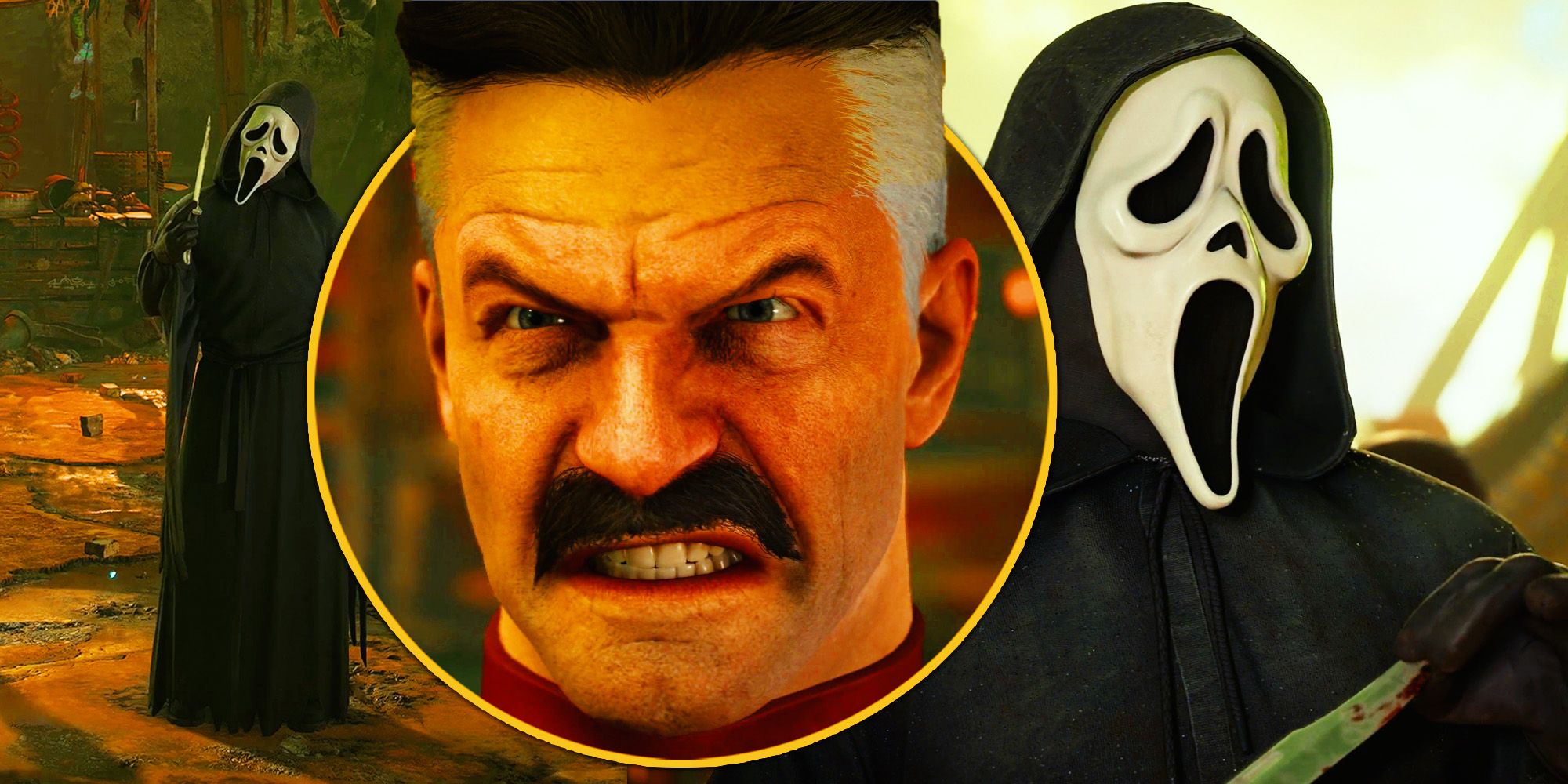
Ghostface, the iconic masked slasher from the Scream horror franchise, made his highly anticipated debut in Mortal Kombat 1 as part of the game’s post-launch character expansions. Known for his tactical use of bladed weapons and psychological taunting, he brings a unique, grounded playstyle to the high-fantasy roster, emphasizing close-quarters combat, traps, and mind games that reflect his cinematic history.
Origin and Inclusion in the Mortal Kombat Universe
The inclusion of Ghostface represents a long-standing tradition within the Mortal Kombat franchise: the integration of iconic "guest characters" from legendary horror cinema. Unlike many of the supernatural fighters or martial arts masters found in the Earthrealm and Outworld ranks, Ghostface remains a human—or rather, a succession of humans—relying on cunning, stealth, and lethal efficiency rather than magic or god-like abilities.
In Mortal Kombat 1, Ghostface’s appearance is stylized to match the aesthetic of the 2026 iteration of the game, which emphasizes fluid, high-speed combat. His move set is intentionally designed to be unsettling. Rather than relying on projectiles or explosive energy blasts, his combat flow focuses on closing distances rapidly and punishing mistakes with surgical precision. The developers focused on translating the "fear factor" of the Scream films into a fighting game context, resulting in a character who excels at keeping opponents in a state of constant, defensive anxiety.
Core Gameplay Mechanics and Combat Style
Ghostface functions as a "pressure and trap" specialist. While he lacks the heavy zoning potential of characters like Liu Kang or the defensive robustness of General Shao, he compensates with speed and a distinctive toolkit that allows for unpredictable movement.
The "Stalker" Archetype
Players who select Ghostface will notice his movement is twitchy and erratic, mirroring the behavior of the slasher in the films. He utilizes "crouch-walking" and specific mobility options that make him a difficult target for mid-range attacks. His primary objective is to force a mistake from the opponent, often utilizing long-reaching stabs with his signature knife.
Trap Integration
One of Ghostface's standout features is his ability to deploy physical traps on the battlefield. By sacrificing a small amount of frame advantage or positioning, he can plant obstacles that punish reckless aggression from the opponent. These traps are not intended to be the primary source of damage but rather tools to funnel opponents into favorable positions for his high-damage combos.
Key Moves and Tactical Utility
To master Ghostface, one must understand the rhythm of his frame data. He is not a character designed for long-range dominance, but rather one that forces the opponent to play at his pace. Below are the core categories of his tactical repertoire:
- Close-Quarters Pokes: Most of Ghostface’s light attacks are exceptionally fast. These are designed to interrupt incoming strings and regain turn priority.
- Command Grabs: Ghostface incorporates specialized grabs that simulate a surprise attack from behind or the side, allowing players to mix up their offensive output.
- Ambush Specials: His special moves often involve teleportation-like maneuvers that utilize the background elements or shadows, referencing the "phone call" stalking mechanics of the Scream series.
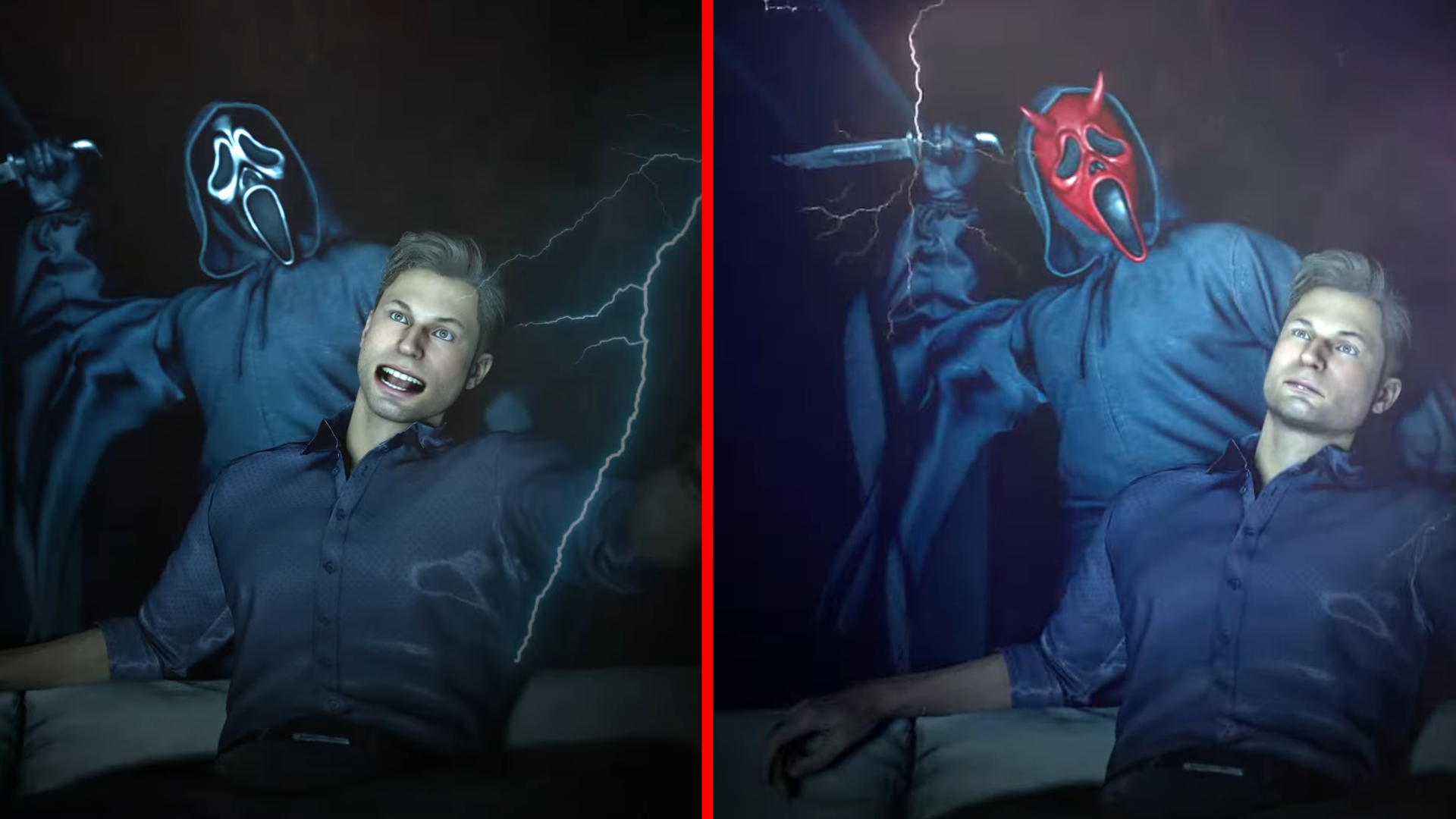
- Fatal Blow Dynamics: His Fatal Blow is a brutal sequence that emphasizes the iconic visual identity of the character, utilizing the environment to recreate classic horror movie death scenes.
Comparison Table: Ghostface vs. Traditional Mortal Kombat Brawlers
The following table compares Ghostface’s tactical profile against the standard archetype of a Mortal Kombat 1 fighter to help players understand where he fits in the current meta.
| Feature | Ghostface | Traditional Brawler (e.g., Kenshi) |
|---|---|---|
| Primary Range | Short to Medium | Medium to Long |
| Mobility | Erratic / High Agility | Predictable / Steady |
| Damage Source | Combo Pressure / Traps | Projectiles / Scaling |
| Health Pool | Average | Varies |
| Skill Floor | Moderate | Low to High |
| Defensive Style | Evasive / Parries | Blocking / Zoning |
Mastering Ghostface: Strategies and Pitfalls
Successfully utilizing Ghostface requires a shift in mindset compared to traditional projectile-heavy characters. Because he lacks a classic full-screen projectile, players often struggle with "zoning" characters. The key is to optimize your movement and utilize the environment.
Managing Zoning Opponents
When facing characters like Reiko or Rain, Ghostface players should avoid playing a "fair" game of long-range trading. Instead, utilize armor-breaking moves and low-profile dashes to slide under projectiles. The goal is to reach the opponent’s face and maintain relentless pressure.
Optimal Combo Strings
Ghostface’s combos rely on "staggering." Instead of finishing every string with a heavy blow, experienced players often leave the final hit out to reset their pressure. This keeps the opponent guessing whether the attack sequence will continue or transition into a grab or trap.
Common Mistakes
- Over-committing: Ghostface has relatively low health. If a player relies too heavily on high-risk, high-reward moves, one or two successful counters from the opponent can effectively end the round.
- Ignoring Traps: Many players forget to utilize his trap moves, treating them as optional. In high-level play, these traps are essential for controlling space and preventing an opponent from retreating to the corners of the stage.
- Linear Positioning: Because he is a close-range fighter, sticking to the center of the screen can make him vulnerable to being surrounded. Always try to push the opponent toward the corner.
Customization and Aesthetic Options
As with all characters in Mortal Kombat 1, Ghostface features a robust customization system. Players can modify his mask, his weapon, and his outfit, allowing for variations that nod to different installments of the Scream franchise.
The gear pieces are categorized as follows:
- The Mask: Variations include different weathering levels, fabric textures, and minor structural changes.
- The Blade: Players can swap the visual model of his knife for different designs seen throughout the film series, ranging from pristine to heavily blood-stained or rusted blades.
- The Costume: This slot allows for subtle changes in the robe’s material, hood shape, and sleeve length.
These customizations are purely cosmetic and do not affect gameplay stats or frame data, ensuring that the competitive balance remains intact while allowing players to express their preferences.
Frequently Asked Questions (FAQ)
1. Is Ghostface a standalone purchase or part of a DLC pack?
Ghostface is available as part of the Mortal Kombat 1 expansion pass. Players can purchase the character individually through the in-game store or as part of a seasonal bundle that includes additional cosmetic items and potentially other guest characters.
2. Does Ghostface play differently than other sword-wielders in the game?
Yes. While characters like Kenshi or Ashrah utilize blades, their playstyle revolves around reach and supernatural extensions of their weapons. Ghostface is strictly grounded; his weapon acts as a tool for quick strikes rather than large, sweeping arcs. His movement and lack of long-range magic fundamentally separate him from the rest of the roster.
3. What is the best Kameo partner for Ghostface?
The synergy depends on the player's preference, but many high-level users pair Ghostface with Kameo characters that provide defensive cover or ground control. Partners that can immobilize the opponent or provide a "wake-up" shield are particularly effective, as they allow Ghostface the time needed to safely close the gap.
4. Is Ghostface viable for competitive tournament play?
As of 2026, Ghostface is considered a viable pick in the current meta, though he requires a higher degree of execution than more straightforward characters. His effectiveness is highly dependent on the player’s ability to "read" the opponent’s defensive habits and exploit them with his trap-setting capabilities.
5. Can I unlock Ghostface through gameplay alone?
In Mortal Kombat 1, guest characters like Ghostface are generally unlocked through the store. While you can earn currency through gameplay to unlock various items, the character license itself is typically a paid expansion. Always check the current in-game store for available character bundles.
6. Does Ghostface have any unique interactions with legacy characters?
Yes. The dialogue system in Mortal Kombat 1 includes specific banter between Ghostface and the main roster. These interactions often play on the meta-horror themes of the Scream films, with Ghostface’s lines focusing on the "rules" of horror movies, which many of the Mortal Kombat characters find confusing or irritating.
Conclusion and Recommendations
Ghostface is a sophisticated addition to Mortal Kombat 1 that rewards players who value agility, psychological warfare, and tactical positioning over brute force. To excel with him, prioritize practicing his frame-resetting strings and become proficient at placing traps in neutral territory. Players interested in mastering this character should focus on the "Practice Mode" tutorials specifically centered around his movement options, as his defensive capability is tied closely to his ability to avoid damage rather than absorbing it. By controlling the pace of the match and forcing the opponent to navigate your traps, you can translate the terror of the big screen into a winning strategy in the arena.