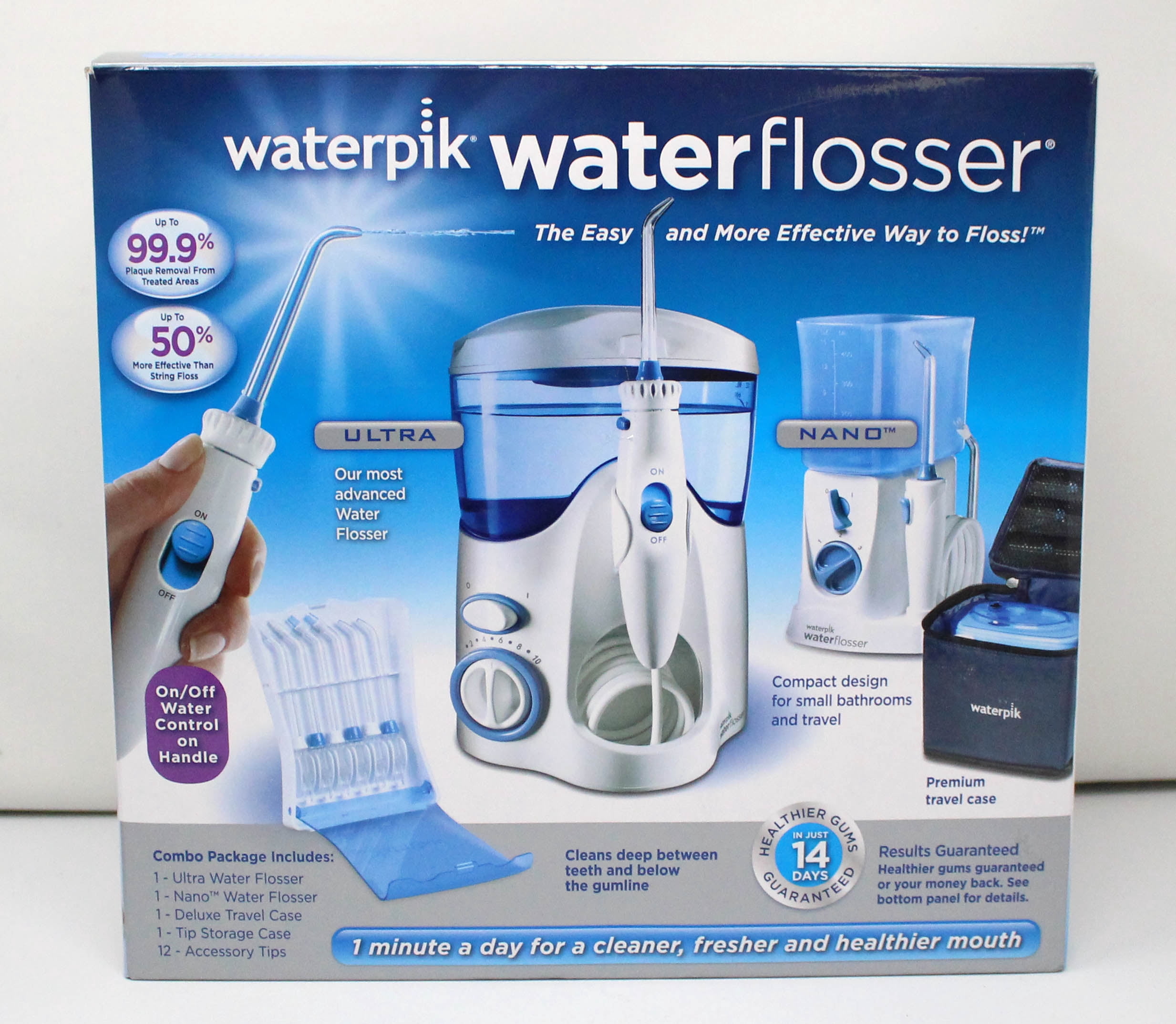
Selecting the single best Waterpik for dental implants requires evaluating specialized plaque-removal performance, adjustable pressure ranges, and specific orthodontic or implant-cleaning tips. The top recommendation for dental implants is the Waterpik Aquarius Professional Water Flosser (WP-660), prized for its dedicated Plaque Seeker tip, precision mode, and 10 distinct pressure settings designed to clean safely around titanium posts and restoration margins without causing gum trauma.
Maintaining optimal oral hygiene around dental implants is vastly different from caring for natural teeth. While natural teeth possess a periodontal ligament with shock-absorbing fibers and a rich blood supply that fends off bacteria, dental implants lack this natural defense mechanism. The bone and soft tissue integrate directly with the titanium fixture, making them highly vulnerable to a destructive inflammatory condition known as peri-implantitis. Peri-implantitis mirrors periodontal disease, resulting in progressive bone loss around the implant that can ultimately lead to implant failure.
Because standard string floss can shred on implant crowns, leave behind nylon fibers, or fail to reach the complex contours beneath fixed bridges and abutments, dental professionals frequently recommend oral irrigators. Waterpiks, or water flossers, use a pulsating stream of pressurized water to flush away food particles, biofilm, and bacteria from areas that traditional cleaning tools cannot reach. Understanding how to choose the right device, utilizing the correct tips, and mastering proper technique are essential steps for protecting your dental investment.
Understanding the Unique Challenges of Dental Implants
Dental implants are marvels of modern restorative dentistry, replacing missing teeth with durable titanium or zirconia fixtures anchored directly into the jawbone. However, unlike natural teeth, they lack a natural seal of fibers attaching the gum tissue directly to the root surface. Instead, the soft tissue forms a mechanical seal that is more susceptible to bacterial invasion.
Biofilm—a structured community of bacteria—constantly accumulates on the surfaces of implant crowns, abutments, and subgingival areas. If this biofilm is left undisturbed, it triggers inflammation of the surrounding soft tissue, a condition called peri-implant mucositis. If caught early, mucositis is completely reversible. However, if it progresses to peri-implantitis, the supporting bone begins to degrade, threatening the stability of the implant.
Traditional brushing cleans the outer, inner, and chewing surfaces of the restoration, but the microscopic spaces between the implant crown and the gum line, as well as the undersides of multi-unit bridges (such as All-on-4 or hybrid prostheses), trap plaque efficiently. Interdental brushes help, but they cannot flush out bacteria from deep pockets or complex prosthetic geometries. A high-performance water flosser bridges this gap by delivering targeted fluid dynamics that disrupt subgingival biofilm and flush out debris without abrading delicate prosthetic materials.
Why the Waterpik Aquarius (WP-660) Leads the Market
When evaluating oral irrigators for implant maintenance, the Waterpik Aquarius Professional Water Flosser (WP-660) stands out as the industry benchmark due to its clinical versatility and purpose-built accessory tips. Clinical research supported by organizations like the American Academy of Periodontology has repeatedly demonstrated that the Waterpik water flosser is significantly more effective than traditional string floss and interdental brushes at reducing plaque, gingivitis, and bleeding around implants.
Key Features of the Waterpik Aquarius for Implants
- Advanced Pressure Control System: The WP-660 features 10 distinct pressure settings, ranging from gentle (Level 1) for sensitive newly placed implants to maximum power (Level 10) for robust long-term maintenance. This granular control allows patients to calibrate the stream to their exact gum tissue sensitivity.
- Dual Operating Modes: Users can switch between Floss Mode, which delivers standard intermittent pulses for general interdental cleaning, and Hydro-Pulse Massage Mode, which enhances blood circulation in the gum tissues and stimulates soft-tissue recovery around the implant interface.
- The Plaque Seeker Tip (PS-100E): This is the single most important component for implant owners. It features three thin tufts of bristles designed to access stubborn plaque around crowns, bridges, implants, and veneers. The bristles gently sweep away biofilm while the water jet flushes it away simultaneously.
- Built-in Pacer and Timer: A 1-minute timer with a 30-second pacer ensures that users spend adequate time cleaning all quadrants of the mouth, preventing rushed oral hygiene routines.
- Large Capacity Reservoir: The covered reservoir holds enough water for 90 seconds of continuous flossing, eliminating the need to refill mid-routine.
Comparing Top Waterpik Models for Dental Implants
Not all water flossers are created equal, especially when catering to complex restorations like single implants, implant-supported bridges, or full-arch restorations. The table below compares the top Waterpik models suited for dental implant care, highlighting their key specifications and tip inclusions.
| Model Name | Pressure Settings | Specialized Implant Tips Included | Power Source | Best Suited For |
|---|---|---|---|---|
| Waterpik Aquarius (WP-660) | 10 Settings (10–100 PSI) | Plaque Seeker Tip, Orthodontic Tip, Classic Jet | AC Power (Plug-in) | Everyday comprehensive implant and bridge care |
| Waterpik Cordless Advanced (WP-560) | 3 Settings | Plaque Seeker Tip, Classic Jet | Rechargeable Lithium-Ion (Cordless) | Travel convenience and small bathrooms |
| Waterpik Sonic-Fusion 2.0 | 10 Settings (Brush + Floss) | Specialized Brush/Floss Combo Tips | AC Power (Plug-in) | Users wanting to brush and floss simultaneously |
| Waterpik Nano (WP-250) | 3 Settings | Classic Jet, Pik Pocket | AC Power (Compact Plug-in) | Minimalist spaces and budget-conscious buyers |
While cordless models offer exceptional convenience and counter space savings, countertop units like the Aquarius deliver superior pressure consistency over longer flossing sessions and offer a wider range of specialized tips. If you choose a cordless model like the WP-560, ensure you purchase separate Plaque Seeker tips if they are not bundled in your specific retail package.
Essential Tips and Techniques for Cleaning Around Implants
Owning the best water flosser is only half the battle; proper technique dictates whether your cleaning routine successfully prevents peri-implant disease. Misusing a water flosser—such as using high pressure directly into fresh surgical sites or holding the tip at an incorrect angle—can damage healing tissues or push debris deeper into the sulcus.
Step-by-Step Implant Water Flossing Protocol
- Select the Right Tip: Always attach the Plaque Seeker Tip or the Orthodontic Tip rather than the standard jet tip. The specialized bristle configurations are engineered to disperse water pressure safely around prosthetic margins.
- Fill with Lukewarm Water: Fill the reservoir with lukewarm water. If you experience tooth sensitivity around adjacent natural teeth, warm water provides a much more comfortable experience. You may also add a capful of antibacterial mouthwash or specialized rinse as recommended by your periodontist.
- Set the Pressure Low Initially: If you are new to water flossing, start on pressure level 1 or 2. Gradually increase the pressure over several days as your gum tissues toughen up, finding a setting that feels comfortable yet effective (typically between levels 5 and 7).
- Lean Over the Sink: Position your head over the basin and place the tip lightly in your mouth. Keep your lips partially closed to prevent splashing while allowing water to drain freely into the sink.
- Trace the Gum Line: Aim the tip at a 90-degree angle to the gum line. Start at the back teeth and trace along the gum margin, pausing briefly between each tooth and specifically around the base of the implant crown.
- Clean Beneath Bridges and Hybrids: If you have an implant-supported bridge, direct the stream underneath the prosthetic framework (the pontic area) to dislodge trapped food particles that brushing misses entirely.
Professional Guidance and Safety Considerations
While water flossers are highly recommended by dental professionals, specific clinical phases require caution. Following implant placement surgery, your oral surgeon or periodontist will provide explicit post-operative care instructions. Typically, water flossers must be avoided for the first 2 to 4 weeks while the surgical site undergoes primary soft tissue healing and osseointegration. Using pressurized water too early can disrupt blood clots, dislodge healing abutments, or introduce bacteria into the osteotomy site.
Furthermore, patients with a history of infective endocarditis or certain immunocompromised conditions should consult their physician or cardiologist before using a water flosser, as oral irrigation can occasionally cause transient bacteremia. Always consult your dental hygienist or periodontist during routine maintenance visits to have them evaluate your technique and inspect the health of the tissue surrounding your implants.
Frequently Asked Questions
Can a Waterpik damage a dental implant?
No, a Waterpik cannot damage the titanium fixture or zirconia crown of a dental implant under normal operating conditions. However, using excessive pressure directly into a fresh surgical site or unhealed gum tissue can cause irritation or bleeding. Always use specialized tips like the Plaque Seeker and maintain moderate pressure settings.
Should I use string floss or a Waterpik for dental implants?
Clinical studies show that water flossers are significantly more effective than string floss at removing plaque and reducing bleeding around dental implants. While traditional floss can clean tight contact points between natural teeth, implants often feature broader contours, tighter interproximal spaces, and subgingival margins that are much more thoroughly cleaned by the pulsating fluid dynamics of a water flosser.
Can I put mouthwash in my Waterpik reservoir?
Yes, you can add a small amount of therapeutic mouthwash to the water reservoir, but you must thoroughly flush the unit with plain water afterward to prevent mineral buildup and residue from clogging the internal pump mechanisms. Avoid adding essential oils, concentrated iodine, or thick liquids, as these can degrade the plastic components.
How often should I replace my Waterpik tips?
Specialized tips such as the Plaque Seeker and Orthodontic tips should be replaced every 3 months, exactly like a manual toothbrush. Over time, the bristles splay, wear down, and accumulate mineral deposits, reducing their cleaning efficiency. Standard jet tips can last up to 6 months if cleaned regularly.
Is a cordless Waterpik as effective as a countertop model for implants?
Cordless models like the Waterpik Cordless Advanced offer comparable pressure levels and cleaning efficiency, making them excellent for travel or small bathrooms. However, they feature smaller water reservoirs that require refilling during a single session and typically offer fewer pressure settings than countertop units like the Aquarius.
Final Recommendation
To protect your financial and functional investment in dental implants, maintaining meticulous subgingival hygiene is non-negotiable. The Waterpik Aquarius Professional Water Flosser (WP-660) remains the definitive top choice for implant care, offering the ideal combination of adjustable pressure, specialized Plaque Seeker tips, and clinically proven biofilm removal. Pair your device with daily brushing, use the recommended technique, and schedule regular professional maintenance with your dental team to ensure your implants remain healthy for a lifetime.