Securing a whole life insurance policy in Dallas involves understanding how regional financial planning, local regulations, and specific policy triggers interact when life milestones, premium adjustments, or policy utilization events occur. Evaluating these elements requires a careful examination of contractual guarantees, local insurance standards, and long-term financial management.
Understanding Whole Life Insurance in the Dallas Market
Whole life insurance is a permanent form of life insurance designed to remain active for the insured's entire life, provided that required premiums are paid. Unlike term life insurance, which expires after a set number of years, a whole life policy builds cash value over time on a tax-deferred basis. For residents of Dallas, Texas, these policies are governed by the Texas Department of Insurance (TDI), which regulates policy disclosures, insurer solvency, and consumer protections.
When evaluating or maintaining a policy within this market, policyholders must look closely at how their contracts handle guarantees. A standard whole life policy features:
- Fixed Premiums: Payments that remain level throughout the life of the contract.
- Guaranteed Death Benefit: A tax-free payout to designated beneficiaries upon the insured's passing.
- Cash Value Component: A savings element that grows at a guaranteed minimum rate, with the potential for non-guaranteed dividends if purchased through a mutual insurance company.
Key Triggers: When Policy Management Actions Become Necessary
Policyholders often re-evaluate their whole life insurance policy in Dallas when specific financial or personal events take place. Understanding these triggers helps prevent lapsing, unexpected tax liabilities, or underfunding.
Financial Strain and Premium Adjustments
One of the most critical junctures for a permanent policyholder is experiencing a sudden shift in income or financial capacity. Because whole life premiums are substantially higher than term life premiums, maintaining payments during economic downturns can become challenging.
When a policyholder struggles to make payments, several contractual mechanisms may be available:
- Reduced Paid-Up Insurance: Using the accumulated cash value to purchase a smaller, paid-up policy that requires no further premium payments.
- Automatic Premium Loan (APL): A provision where the insurer automatically borrows against the policy's cash value to pay overdue premiums, preventing an immediate lapse.
- Surrender Options: Cashing out the policy entirely for its net cash surrender value, which terminates all coverage and may trigger taxable events if the payout exceeds the basis (total premiums paid).
Policy Loans and Cash Value Withdrawals
As cash value accumulates, policyholders in Dallas frequently look to access these funds for major expenses, such as higher education costs, real estate down payments in competitive North Texas housing markets, or emergency liquidity.
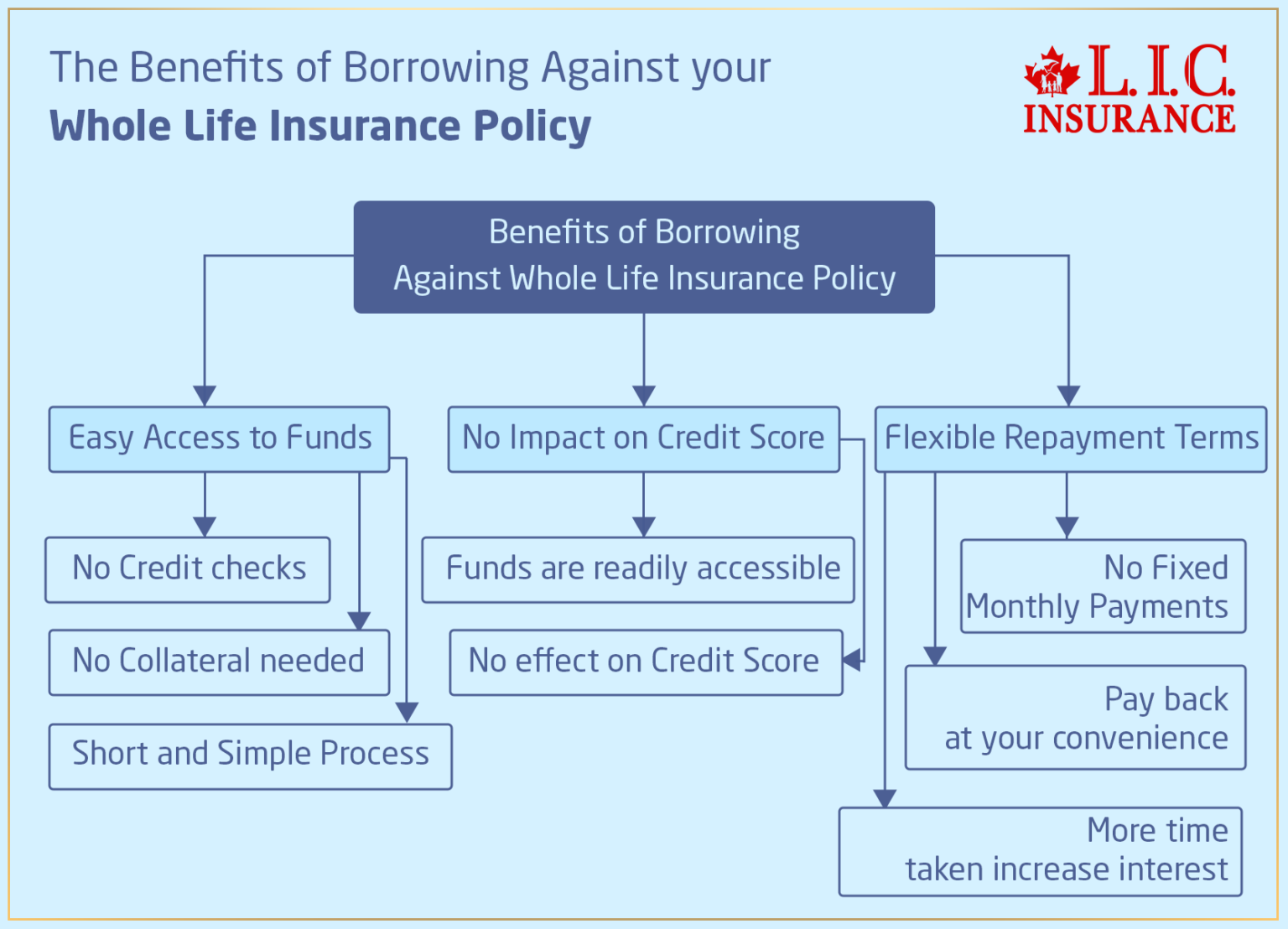
Borrowing against a whole life policy does not require a traditional credit check, but it does accrue interest charged by the insurer. If the outstanding loan balance plus accumulated interest exceeds the total cash value, the policy will lapse, potentially creating a massive, unexpected income tax liability on the gain within the policy.
Regulatory and Legal Context in Texas
Insurance contracts in Texas are subject to state-specific statutes enforced by the Texas Department of Insurance. When managing a policy in Dallas, consumers should be aware of several statutory protections and guidelines:
- Grace Period Regulations: Texas insurance code mandates a grace period (typically 31 days) for premium payments, during which the policy remains in full force.
- Incontestability Clause: After a policy has been in force for two years during the insured's lifetime, the insurer generally cannot contest the validity of the contract based on misstatements made in the original application.
- Guaranteed Association: The Texas Life and Health Insurance Guaranty Association provides a safety net for policyholders up to statutory limits if a licensed insurance company authorized to do business in Texas becomes insolvent.
Comparing Whole Life with Alternative Financial Vehicles
To understand the strategic value of a whole life insurance policy in Dallas, it is helpful to compare its mechanics with other common financial and insurance products available to local consumers.
| Feature | Whole Life Insurance | Term Life Insurance | Permanent Universal Life |
|---|---|---|---|
| Duration | Lifetime (to age 100+) | Specific term (10, 20, 30 years) | Lifetime, with flexible adjustments |
| Premiums | Fixed and level | Fixed for the term, increases upon renewal | Flexible, adjustable within limits |
| Cash Value | Guaranteed growth + potential dividends | None | Varies based on interest crediting and costs |
| Risk Profile | Low (guaranteed by insurer) | None (pure protection) | Moderate to high (tied to market indices or interest rates) |
| Primary Use Case | Estate planning, forced savings, final expenses | Income replacement during working years | Flexible lifetime coverage with adjustable accumulation |
Common Missteps and Troubleshooting Policy Issues
Policyholders frequently encounter preventable hurdles when managing permanent insurance. Identifying these errors early ensures better long-term outcomes.
- Treating Cash Value Like a Bank Account: Withdrawing cash value without tracking the cost basis can erode the death benefit and create tax complications. Always request an in-force illustration from your insurer before making major withdrawals.
- Ignoring Annual Statements: Insurance companies mail annual statements detailing cash value growth, current interest rates, and loan balances. Reviewing these documents helps catch underperformance or rising internal insurance costs early.
- Failing to Update Beneficiaries: Life events such as marriage, divorce, or the birth of a child require formal beneficiary updates with the insurance carrier. Relying on a will instead of the policy's beneficiary designation can result in probate delays or unintended payouts.
Frequently Asked Questions
What happens if I miss a premium payment on my Dallas whole life policy?
If you miss a payment, the policy enters a mandatory grace period, usually lasting 31 days. If payment is not made by the end of this window and you have accumulated sufficient cash value, features like the Automatic Premium Loan may activate to keep the policy active. If no cash value exists and the grace period expires, the policy will lapse.
Are whole life insurance dividends taxable in Texas?
Generally, policy dividends are treated as a return of premium and are not taxable until the total dividends received exceed the total premiums paid into the policy. However, if dividends are left with the insurer to accumulate interest, the interest earned on those dividends is taxable annually.
Can a life insurance company in Texas cancel my policy if my health changes?
No. Because whole life insurance is a permanent, guaranteed renewable contract, the insurer cannot cancel your policy, raise your premiums, or reduce your death benefit due to changes in your health or age, provided you continue paying the required premiums.
How are whole life policy loans treated for tax purposes?
Taking a loan against your policy's cash value is generally not considered taxable income because the money is viewed as a loan secured by your own asset, similar to a collateralized bank loan. Taxes only become a concern if the policy lapses or is surrendered while an outstanding loan exceeds your cost basis.
Next Steps and Professional Guidance
Managing a permanent insurance portfolio requires careful coordination with your broader financial plan. If you are navigating a complex policy adjustment, facing premium payment difficulties, or planning for estate taxes in Dallas, consult a licensed fiduciary financial planner or a qualified insurance professional registered with the Texas Department of Insurance. Review your current in-force illustration annually to ensure your coverage aligns with your evolving financial objectives.