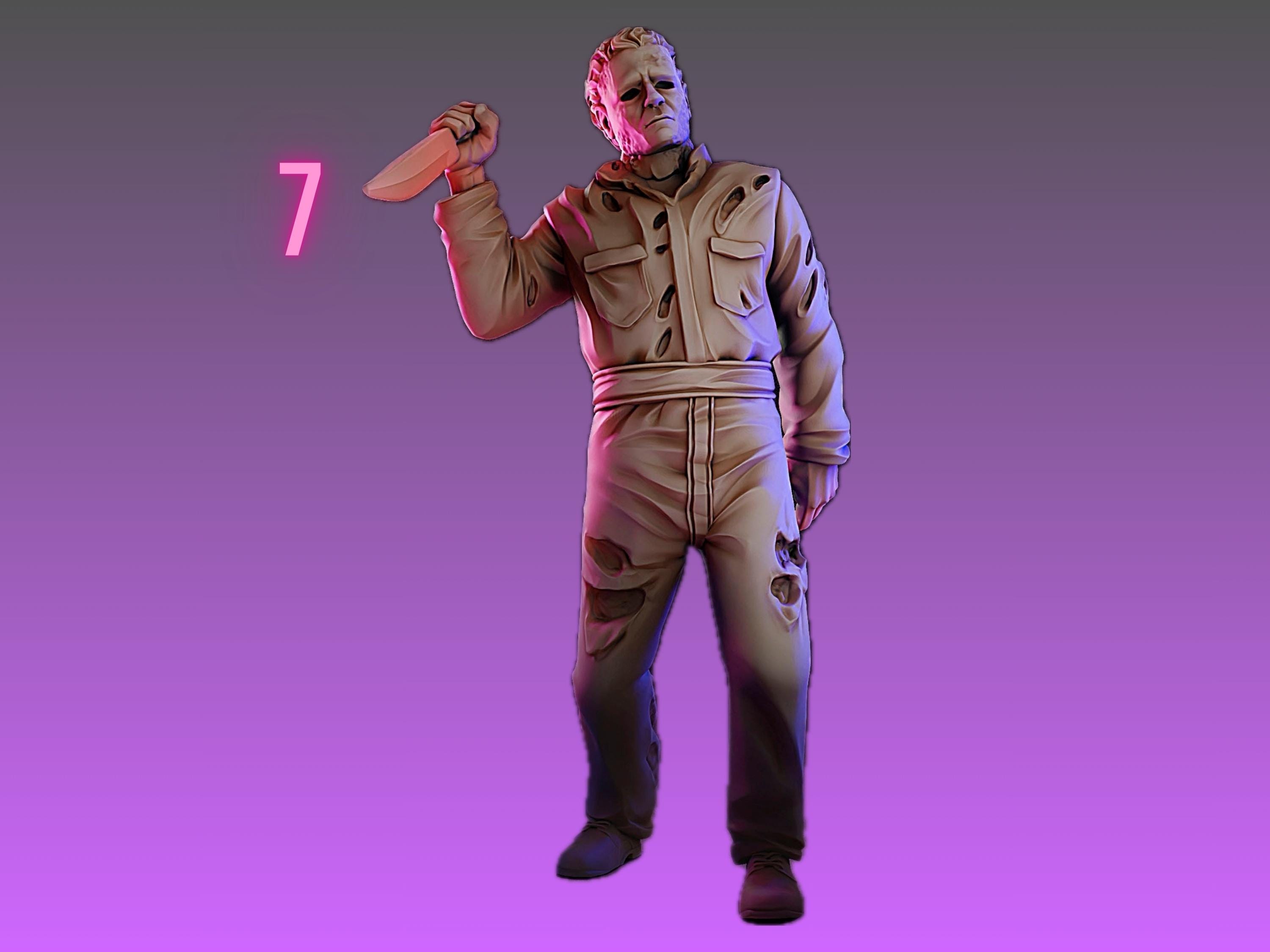
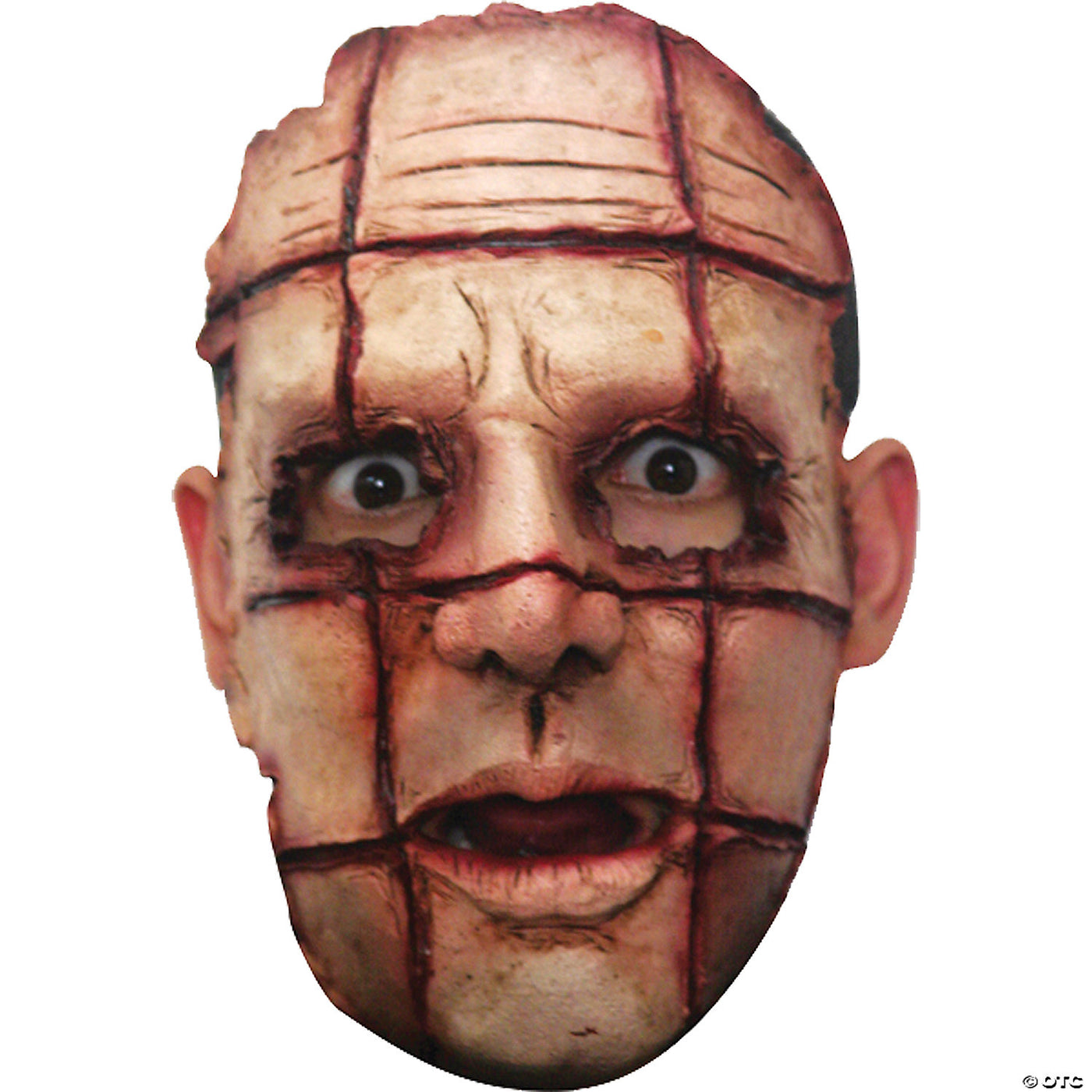
The unveiling of a masked serial killer occurs through a sophisticated convergence of forensic science, digital forensics, and behavioral analysis. Historically, these individuals maintained anonymity through physical masks or deceptive social personas, but modern advancements—specifically investigative genetic genealogy and high-resolution digital footprinting—have made it increasingly difficult for unidentified offenders to remain hidden behind their proverbial masks.
The Evolution of the Forensic "Unveiling"
The concept of the "masked" serial killer is both literal and metaphorical. In the early 20th century, the mask was often a physical disguise or the cover of darkness. Unveiling such a killer relied almost entirely on eyewitness testimony or the discovery of physical evidence at a crime scene. However, as of 2026, the "unveiling" process has shifted from the physical realm to the molecular and digital realms.
The first major leap in unmasking unidentified killers was the development of DNA profiling in the mid-1980s. Before this, investigators relied on blood typing and fingerprinting, which were often insufficient if the killer was careful. The entry of DNA into the courtroom allowed for a biological "unveiling" that was previously impossible. Today, forensic teams do not just look for a match in a criminal database; they look for the killer’s entire family tree.
The Shift from STR to SNP Profiling
Traditional forensic DNA testing uses Short Tandem Repeats (STRs), which are excellent for matching a suspect to a crime scene if that suspect's DNA is already in a government database like CODIS (Combined DNA Index System). However, if the "masked" killer has no prior criminal record, they remain a ghost in the system.
By 2026, the use of Single Nucleotide Polymorphism (SNP) profiling has become the gold standard for unmasking cold case offenders. SNPs allow forensic genealogists to look at hundreds of thousands of locations on the genome. This data can be uploaded to public databases like GEDmatch or FamilyTreeDNA, allowing investigators to find third or fourth cousins of the killer. By building "reverse trees," genealogists can narrow down a list of thousands of relatives to a single individual who fits the age, location, and profile of the suspect.
Case Study: The Unveiling of the Golden State Killer
The most significant "unveiling" in modern criminal history is arguably that of Joseph James DeAngelo, known for decades as the East Area Rapist and the Golden State Killer. For over 40 years, DeAngelo was a "masked" figure who haunted California, committing at least 13 murders and over 50 rapes.
The Investigative Breakthrough
The breakthrough came in 2018 when investigator Paul Holes and genetic genealogist Barbara Rae-Venter used a discarded DNA sample from an old crime scene. They created a profile and uploaded it to GEDmatch. The unveiling was not an instantaneous "aha" moment but a grueling process of elimination. They found distant relatives and spent months tracing descendants of a common ancestor from the 1800s.
When the tree led them to DeAngelo—a former police officer—the "mask of sanity" was finally stripped away. The unveiling revealed a man who had lived a quiet, suburban life in Citrus Heights, California, for decades. This case set the legal and technical precedent for how masked killers would be identified in the following decade.
Digital Shadows: Unmasking Through Metadata
Not all killers are unveiled through biology. Some are unmasked by their own digital hubris. The case of Dennis Rader, the "BTK" (Bind, Torture, Kill) killer, serves as the primary example of a killer unveiled by a digital footprint.
Rader had eluded capture for 30 years, during which he frequently communicated with the media and police. In 2004, he sent a purple floppy disk to a local TV station. While Rader believed he had successfully "masked" his identity on the disk, forensic experts at the Wichita Police Department used metadata recovery software to find a deleted Microsoft Word document.
The Metadata Trail
The document’s metadata contained two crucial pieces of information:
- The User Name: "Dennis"
- The Organization: "Christ Lutheran Church"
A quick search of the church's website revealed that Dennis Rader was the president of the church council. This digital "unmasking" was immediate and definitive. In 2026, this type of digital unveiling has evolved to include geolocation data from smartphones, smart home devices, and even the "digital exhaust" left by encrypted messaging apps.
The Psychological Mask: The Concept of "Hiding in Plain Sight"
The "mask" of a serial killer is rarely a piece of fabric. More often, it is a psychological construct known as the "Mask of Sanity," a term coined by Dr. Hervey Cleckley. This mask allows the predator to blend into society, often holding respected jobs, raising families, and participating in community events.
Compartmentalization and Social Mimicry
The unveiling of a killer often shocks the community because the individual appeared "normal." This is due to a psychological process called compartmentalization. Killers like John Wayne Gacy (the "Killer Clown") or Ted Bundy used their social masks to gain trust. Gacy was a Democratic precinct captain and a local businessman; Bundy was a law student and a political aide.
The unveiling of these individuals typically follows a "leakage" of their true nature. Whether through a mistake in their cooling-off period or an escalation in their risk-taking, the psychological mask eventually cracks. When the mask falls, the discrepancy between the public persona and the private monster is what captivates and terrifies the public.
Comparison of Identification Methods
The following table compares the primary methods used to unveil masked or unidentified serial killers as of 2026.
| Method | Primary Evidence Used | Time to Unveil | Key Case Example |
|---|---|---|---|
| Genetic Genealogy | SNP DNA Profiles / Public Databases | Months to Years | Joseph James DeAngelo |
| Digital Forensics | Metadata, IP Addresses, Geolocation | Days to Weeks | Dennis Rader (BTK) |
| Familial DNA | STR Profiles (CODIS) | Weeks | Lonnie Franklin Jr. (Grim Sleeper) |
| Behavioral Profiling | Crime Scene Patterns | Years (Heuristic) | George Metesky (Mad Bomber) |
| Forensic Odontology | Bite Marks | Days | Ted Bundy (Chi Omega Case) |
The Mechanics of a 2026 Unveiling
In 2026, the process of unveiling a masked killer follows a highly regulated and technical sequence. Law enforcement no longer relies on a single "smoking gun" but rather a mosaic of evidence.
- Evidence Collection: Modern crime scene investigators use rapid DNA sequencing technology that can provide a preliminary profile within hours.
- The Genealogical Sweep: If no direct match is found in CODIS, the profile is processed for SNP data. This is then cross-referenced with non-consensual law enforcement databases or public databases that have opted-in to law enforcement searches.
- Surveillance and Comparison: Once a suspect is identified via genealogy, investigators do not move immediately for an arrest. They conduct "surreptitious sampling"—obtaining a DNA sample from an item discarded by the suspect in a public place, such as a coffee cup or a piece of trash.
- The Final Match: The discarded sample is compared to the crime scene evidence. A 100% match provides the legal basis for an arrest warrant, leading to the official "unveiling" of the suspect to the public.
Ethical and Legal Boundaries of Unmasking
The power to unveil anyone through their DNA or digital footprint has raised significant ethical concerns. As we navigate the landscape of 2026, the "Genetic Panopticon"—a state where no one is anonymous because of their relatives' DNA—is a reality.
Privacy vs. Justice
The Department of Justice (DOJ) has issued strict guidelines for the use of investigative genetic genealogy. In many jurisdictions, it can only be used for "violent crimes" such as murder and non-consensual sexual assault where all other leads have been exhausted. Critics argue that this unmasking process violates the privacy of the killer's relatives, who never consented to having their genetic data used in a criminal manhunt.
However, proponents argue that the "right to life" for potential future victims outweighs the "right to privacy" for an offender's distant cousins. This tension remains the central debate in the evolution of forensic unveiling.
The Role of the Media in the Unveiling Process
The media often plays a dual role in the unmasking of a killer. While they provide the public with necessary warnings, they can also inadvertently help a "masked" killer refine their disguise.
In the case of the Zodiac Killer, the media became a tool for the offender to project his "mask" to the world. By 2026, true crime journalism and "citizen detectives" have become a formidable force. Online communities on platforms like Reddit or specialized forensic forums often collaborate to solve cold cases. While this can lead to the successful unveiling of a suspect, it also carries the risk of "doxing" innocent individuals—a false unveiling that can destroy lives.
Frequently Asked Questions
Can a serial killer ever truly remain masked in 2026?
While it is increasingly difficult, a killer can remain "masked" if they have no biological relatives in DNA databases and maintain a zero-digital footprint. However, as global DNA database participation grows, the statistical "hole" in which a killer can hide is shrinking rapidly.
What is the difference between familial DNA and genetic genealogy?
Familial DNA searching involves looking for close relatives (parents, children, siblings) within government databases (CODIS). Genetic genealogy (IGG) looks for much more distant relatives (cousins) in consumer or public databases, allowing for a much broader search.
How does "surreptitious DNA" work in an unveiling?
Police follow a suspect and wait for them to discard an item containing their biological material (like a cigarette butt or a water bottle). Since the item was discarded in a public place, it is generally considered "abandoned property" under U.S. law, allowing police to test it without a warrant.
Do masks actually help serial killers avoid detection?
In the short term, a physical mask prevents immediate identification by witnesses. However, modern forensic science focuses on what the killer leaves behind (DNA, skin cells, digital signals) rather than what they look like during the crime.
Why was the Golden State Killer only unveiled in 2018?
The technology required to perform investigative genetic genealogy—specifically the ability to analyze SNPs and the existence of large public DNA databases—did not exist in an accessible form until the mid-2010s.
Final Recommendations for Understanding Forensic Unveiling
To stay informed about how masked serial killers are unveiled in 2026, it is essential to follow updates from official forensic bodies and legal institutions. The landscape of criminal identification is no longer just about "who did it" but about how we, as a society, balance the pursuit of justice with the protection of individual privacy.
Those interested in the technical aspects of these unveilings should study the FBI’s CODIS brochures and the Department of Justice guidelines on IGG. Understanding the science of the "unveiling" is the first step in appreciating the complex machinery of modern justice.