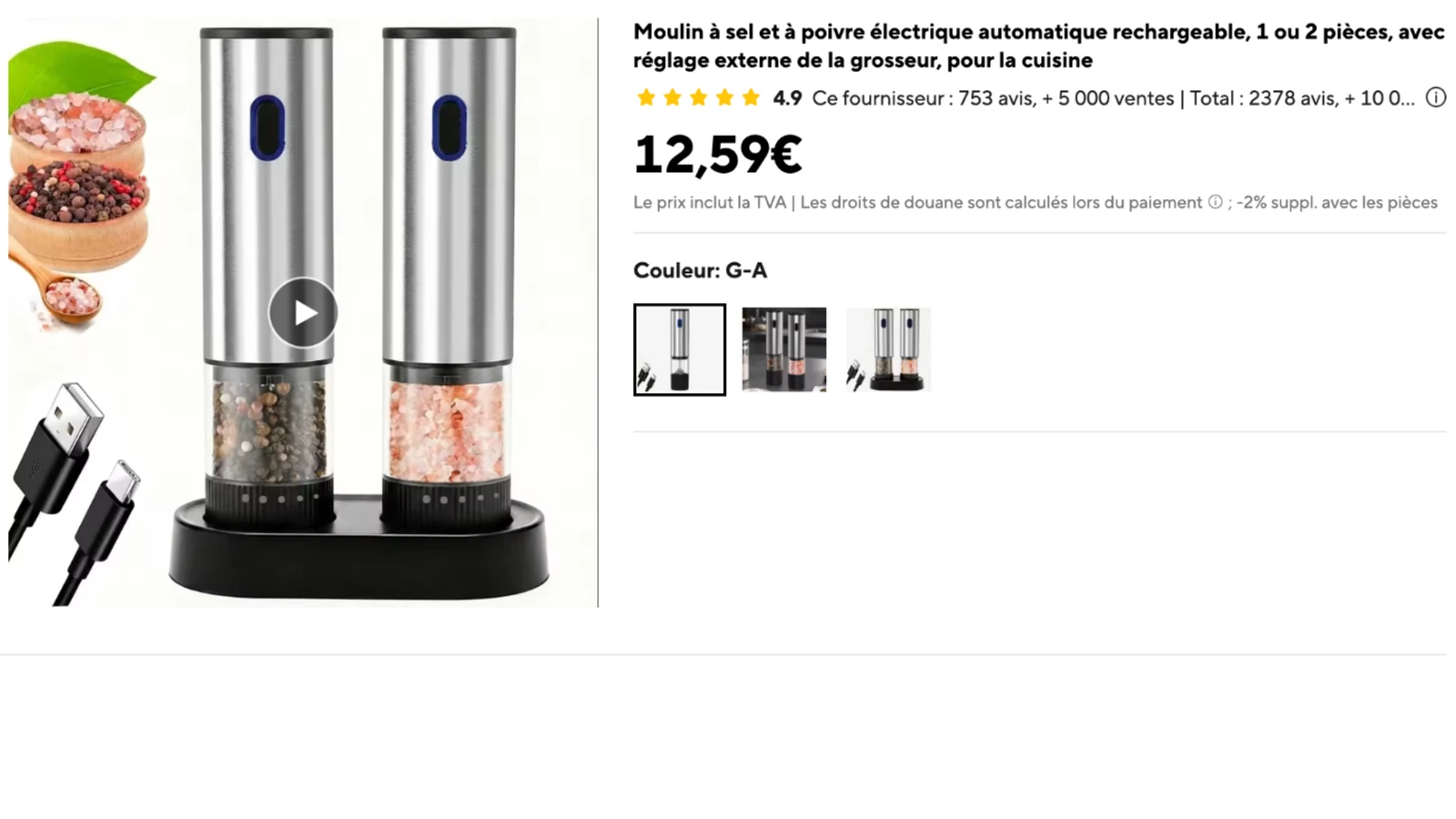
A successful dropshipping product in 2026 is defined by a high perceived value, a clear solution to a specific consumer "pain point," and a healthy profit margin—typically at least three times the total cost of goods sold. Success relies on selecting items that are difficult to find in local retail stores, weigh less than two kilograms to minimize shipping overhead, and cater to passionate "enthusiast" niches or urgent functional needs.
The Evolution of Product Selection in 2026
The e-commerce landscape of 2026 has moved far beyond the "commodity flipping" of previous decades. To achieve dropshipping success today, entrepreneurs must look past generic items and focus on products that facilitate micro-branding. Consumers are increasingly wary of generic listings; they seek brands that offer a narrative, sustainability, or a unique functional improvement.
A "good" product is no longer just something that sells; it is something that can sustain a customer acquisition cost (CAC) that has risen steadily over the last five years. With ad platforms on Meta, TikTok, and Google becoming more competitive, the product must have enough "wow factor" to convert a viewer into a buyer within seconds of an impression.
The Core Criteria for a Winning Dropshipping Product
Before committing to a niche, a product must be vetted against several logistical and psychological benchmarks. If a product fails more than two of these criteria, it is likely to face scaling issues or razor-thin margins that cannot survive unexpected shipping fluctuations.
1. The Value-to-Weight Ratio
In 2026, global logistics costs remain a significant variable. A good dropshipping product is lightweight and compact. Ideal products fit within standard "small packet" shipping dimensions. Items that are heavy or oversized incur dimensional weight charges, which can quickly erase profits. Aim for products under 1.5kg (3.3 lbs) that do not require specialized "heavy lift" or oversized handling.
2. Retail Scarcity
If a consumer can buy the same item at a local big-box retailer like Walmart or Target, the dropshipping model usually fails. Success is found in the "uncommon." This includes specialized tools, unique aesthetic home decor, or innovative gadgets that have not yet reached mass-market retail shelves. The goal is to make the customer feel that your store is their primary source for this specific solution.
3. Margin Potential and Pricing Strategy
A common mistake is selecting a product with a low ceiling for its perceived value. For a sustainable 2026 business model, your retail price should ideally be between $35 and $100. Items under $20 often do not leave enough room for advertising costs, while items over $150 increase the "friction" of the sale, requiring longer customer journeys and higher trust-building efforts.
4. Durability and Low Return Rates
Fragile items like thin glassware or complex electronics with high failure rates are dangerous for dropshippers. Because you do not physically inspect each unit before it leaves the supplier, you must choose products that are inherently sturdy. High return rates (anything above 5–8%) can lead to payment processor bans on platforms like Stripe or PayPal, effectively killing the business.
High-Performing Product Categories for 2026
Market data from 2024 through 2026 indicates that specific niches have more resilience against market volatility. These categories align with the lifestyle shifts of the mid-2020s, including remote work maturity, pet humanization, and the "eco-tech" movement.
Smart Home Office Ergonomics
As hybrid work has become the global standard, consumers are no longer satisfied with basic desks. They are looking for "smart" ergonomic accessories. Examples include:
- AI-integrated desk lighting that adjusts based on the user's circadian rhythm.
- Modular cable management systems for high-end gaming and work setups.
- Portable, high-resolution secondary screens for digital nomads.
The "Pet Wellness" Sector
The "pet humanization" trend has accelerated. Owners are spending more on the health and comfort of their pets than ever before. Successful products in this niche include:
- Orthopedic memory foam pet beds with cooling gel technology.
- Interactive AI-driven pet toys that engage pets while owners are away.
- Sustainable, biodegradable pet grooming kits.
Eco-Conscious Lifestyle Tech
Sustainability is no longer a niche preference; it is a primary buying motive in 2026. Products that replace single-use plastics or reduce energy consumption are seeing high conversion rates.
- Solar-powered outdoor security lighting with motion-tracking.
- Reusable, high-tech food preservation systems that replace plastic wrap.
- Portable water filtration devices for "van life" and hiking enthusiasts.
Analyzing Competitive Advantage: Commodity vs. Unique Products
To understand what makes a product "good," one must distinguish between commodities and unique problem-solvers. The following table compares the two strategies to help you decide where to allocate your marketing budget.
| Feature | Commodity Product (e.g., iPhone Case) | Unique/Problem-Solver (e.g., Posture Corrector) |
|---|---|---|
| Competition Level | Extremely High | Moderate to Low |
| Marketing Angle | Price and Aesthetics | Benefit and Result |
| Profit Margins | Thin (10-20%) | High (40-60%+) |
| Customer Loyalty | Low (Brand Agnostic) | High (Brand Recognition) |
| Ad Spend Efficiency | Low (Requires high volume) | High (Specific targeting) |
| Scalability | High, but expensive | Medium, with higher ROI |
How to Verify Market Demand in 2026
Validation is the bridge between a "hunch" and a "business." You must use data-driven tools to ensure there is an active audience looking for your product.
Utilizing Social Sentiment Tools
In 2026, traditional keyword research is only half the battle. You must monitor "social sentiment" on platforms like TikTok and Pinterest. Look for rising trends in the "Save" and "Share" counts rather than just "Likes." A product that people are saving indicates intent to buy or research further.
Checking Seasonality
Use Google Trends to ensure your product isn't a "one-hit-wonder" or strictly seasonal unless that is your specific strategy. A good product for long-term success should have a stable or upward trend throughout the year. Avoid "fad" items like fidget spinners of the past, which leave you with unsellable inventory or a dead store once the trend crashes.
Supplier Vetting and Quality Control
A good product is only as good as the supplier providing it. In 2026, it is mandatory to verify:
- Shipping Times: In an age of instant gratification, shipping that exceeds 10–12 days is a liability. Look for suppliers with local warehouses (US/EU/AU).
- Communication: Message the supplier. If they don't respond within 24 hours, they will likely fail you when a customer has a shipping issue.
- Sample Orders: Never sell a product you haven't physically touched. Verify the build quality, the packaging, and the actual shipping speed yourself.
Avoiding the "Saturation Trap"
Saturation is often misunderstood. A product isn't "saturated" just because many people are selling it; it becomes saturated when the marketing angle is exhausted. To make a common product "good" for your store, you must find a "Blue Ocean" within a "Red Ocean."
For example, if everyone is selling a standard blender, your "good product" might be a blender specifically marketed for "on-the-go protein shakes for busy nurses." By narrowing the audience, you decrease competition and increase the relevance of your ads. This is known as Niche Downpricing, where you focus on a subset of a larger market to achieve higher conversion rates.
Financial Modeling for Dropshipping Success
You cannot manage what you do not measure. A product is only "good" if the math works. Below is a standard breakdown of the costs you must account for in 2026.
- Cost of Goods (COGS): The price you pay the supplier.
- Shipping Fees: Often separated from the product cost.
- Ad Spend (CAC): The cost to acquire one customer via advertising.
- Transaction Fees: Platform fees (Shopify) and payment processor fees (approx. 2.9% + $0.30).
- Buffer for Returns/Refunds: Usually 3–5% of the total revenue.
Example Calculation:
- Product Cost: $12.00
- Shipping: $6.00
- Ad Spend per Sale: $15.00
- Total Cost: $33.00
- Retail Price: $59.99
- Net Profit: $26.99 (Approx. 45% Profit Margin)
This $26.99 profit is what allows you to scale. If your profit per sale is only $5, any increase in ad costs will immediately turn your business unprofitable.
Legal and Compliance Considerations
In 2026, global trade regulations are more stringent regarding consumer safety and digital taxes. Ensure your product complies with the following:
- CE/UL Certification: Essential for any electronic products sold in the EU or US.
- IP and Trademarks: Ensure you are not selling "look-alike" products or using copyrighted imagery. The U.S. Patent and Trademark Office (USPTO) is a vital resource for checking brand names.
- Import Duties: Be transparent with customers if they are responsible for VAT or import taxes, particularly for cross-border shipping into Europe. Information on US import rules can be found at U.S. Customs and Border Protection.
Frequently Asked Questions
Is dropshipping still profitable in 2026?
Yes, but the barrier to entry is higher. Success now requires professional store design, excellent customer service, and high-quality video marketing. "Get rich quick" schemes involving low-quality products no longer work because consumers are more sophisticated and platforms like Meta have stricter quality scores for advertisers.
How do I find a "hidden gem" product?
Look at the intersection of two hobbies or needs. For example, "ergonomic gardening tools for seniors" or "waterproof tech cases for deep-sea divers." These intersections create a very specific target audience that is easier and cheaper to reach with ads than a broad audience.
Should I focus on a single-product store or a general store?
In 2026, niche-specific stores or single-product stores generally perform better than general "supermarkets." A single-product store allows you to build a highly optimized funnel and a brand identity that feels "expert," which justifies a higher price point and builds trust faster.
What if a competitor starts selling the same product?
Focus on your "creative." In dropshipping, your competitive advantage is often your video ads, your copywriting, and your customer experience. If a competitor copies your product, out-market them by offering a better bundle, a faster shipping option, or a more compelling brand story.
How much money do I need to start testing a product?
In the 2026 market, you should budget at least $1,000 to $2,000 for initial product testing. This covers sample orders, store subscriptions, and "data-buying" (initial ad spend) to see if the market responds to your chosen product.
Strategic Recommendation for Aspiring Dropshippers
To achieve dropshipping success in 2026, your primary action should be to move away from "trending" lists and toward market-gap analysis. Instead of asking "What is selling right now?", ask "What problem are people complaining about in Reddit communities or TikTok comments that current products aren't solving?"
Once you identify a gap, find a product that fills it, order a sample to verify quality, and build a brand around that solution. Success in 2026 is reserved for those who treat dropshipping as a genuine brand-building exercise rather than a simple arbitrage play. Start small, test rigorously, and scale only when your data shows a consistent return on ad spend (ROAS) of 2.5 or higher.