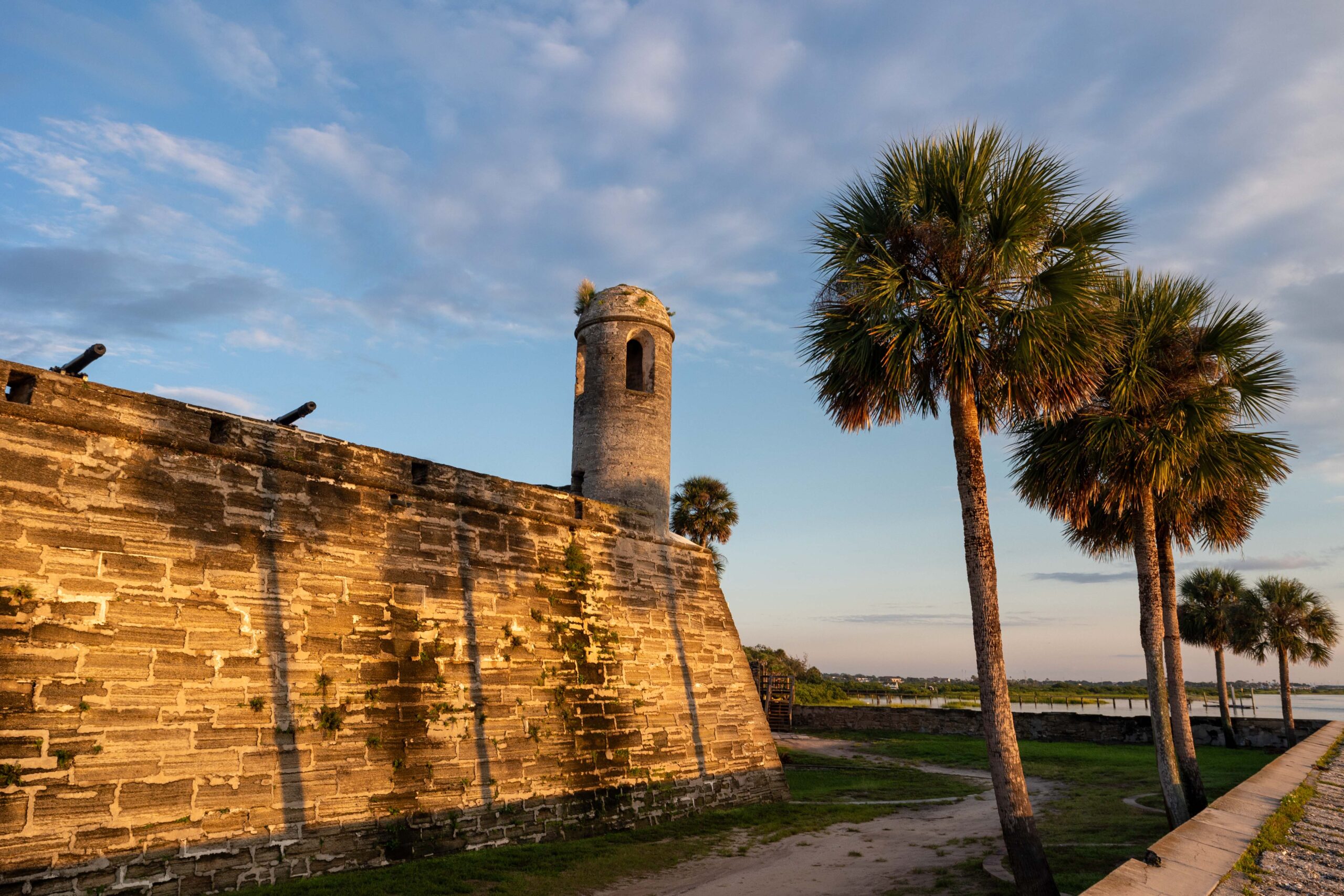
Spending a day in St. Augustine requires prioritizing the Historic District’s core landmarks to balance its deep Spanish heritage with its coastal charm. A successful itinerary focuses on the Castillo de San Marcos National Monument, the walkable St. George Street, and the Gilded Age architecture of Flagler College, while allowing time for local culinary specialties.
St. Augustine, Florida, holds the distinction of being the oldest continuously occupied European-established settlement in the continental United States. Founded in 1565 by Spanish admiral Pedro Menéndez de Avilés, the city serves as a living timeline of American history. As we move through 2026, the city has maintained its historical integrity while evolving into a sophisticated destination that balances 16th-century fortifications with 19th-century Gilded Age opulence and modern Floridian hospitality.
Planning a single day in a city with nearly five centuries of history can be daunting. To maximize your experience, you must understand the layout of the city, the logistical requirements for transport, and the specific timing needed to avoid the crowds that frequently descend upon this Northeast Florida gem.
Logistics and Getting Around in 2026
The Historic District of St. Augustine is remarkably compact and pedestrian-friendly, but reaching it and navigating the outskirts requires a plan. In 2026, the city continues to encourage visitors to utilize centralized parking to alleviate congestion on the narrow, colonial-era streets.
Parking and Arrival
The Historic Downtown Parking Facility, located adjacent to the Visitor Information Center on Castillo Drive, remains the most reliable option for day-trippers. As of 2026, daily rates typically hover around $20 to $25. Arriving before 10:00 AM is critical; once this garage fills, finding street parking becomes a time-consuming endeavor that can eat into your limited schedule.
The Trolley System
For those who prefer not to walk several miles, the Old Town Trolley Tours or Red Train Tours offer hop-on, hop-off services. These are particularly useful if you intend to visit sites outside the immediate downtown core, such as the St. Augustine Lighthouse or the Alligator Farm. The trolleys provide a narrated history of the city, which helps contextualize the landmarks you are passing.
Morning: Fortifications and Foundations
Begin your morning by immersing yourself in the military history that allowed St. Augustine to survive centuries of colonial conflict.
Castillo de San Marcos National Monument
The Castillo de San Marcos is the city’s most iconic landmark. Constructed by the Spanish between 1672 and 1695, it is the oldest masonry fort in the United States. The fort is constructed from coquina, a rare sedimentary rock composed of ancient shells. This material proved strategically vital; rather than shattering under cannon fire, the porous coquina absorbed the iron balls like a "cannonball-eating" sponge.
Visitors should plan to spend at least 90 minutes here. Walk the casemates (the interior rooms), explore the gun deck for panoramic views of the Matanzas Bay, and try to catch a live black powder cannon firing demonstration, which typically occurs on weekends. For the most current schedules and fee information, consult the National Park Service website.
The Fountain of Youth Archaeological Park
A short drive or trolley ride north of the fort leads to the Ponce de Leon's Fountain of Youth Archaeological Park. While the "healing waters" are the famous draw, the site’s true value lies in its archaeological significance. This is the documented location where Pedro Menéndez de Avilés established the first Spanish settlement in 1565. The park features a reconstructed Timucua family village, a colonial-era shipyard, and the Navigator's Planetarium. It offers a broader perspective on the pre-colonial and early contact periods of Florida history.
Midday: St. George Street and Colonial Life
By midday, gravitate back toward the center of the Historic District. St. George Street is the city’s primary pedestrian thoroughfare, lined with shops, restaurants, and historic homes.
The Oldest Wooden Schoolhouse
Located near the City Gate, this structure dates back to the early 1700s. It provides a tangible look at the daily lives of Minorcan settlers who moved to St. Augustine in the late 18th century. The building is held together by wooden pegs and handmade nails, showcasing the architectural ingenuity of the colonial period.
Lunch and the Datil Pepper
For lunch, seek out establishments that highlight the Datil pepper. Unique to St. Augustine, this small, potent pepper was brought to the region by Minorcan indentured servants. It carries a heat level similar to a habanero but with a distinctively sweet, fruity profile. You will find it in local clam chowders, hot sauces, and marinades.
Recommended Lunch Spots:
- The Floridian: Known for "innovative Southern comfort," focusing on seasonal and local ingredients.
- Columbia Restaurant: A Florida institution offering authentic Spanish-Cuban cuisine. Their "1905 Salad" and "Spanish Bean Soup" are staples of the regional diet.
- St. Augustine Seafood Company: Located in the Colonial Quarter, offering fresh, locally sourced catches in a fast-casual environment.
Afternoon: The Flagler Era and Gilded Age Grandeur
In the late 19th century, standard oil tycoon Henry Flagler transformed St. Augustine from a sleepy outpost into a winter playground for the American elite. The architecture of this era is strikingly different from the Spanish colonial style found near the fort.
Flagler College (The Former Ponce de Leon Hotel)
The Ponce de Leon Hotel, now home to Flagler College, was completed in 1888. It is a masterpiece of Spanish Renaissance architecture and was one of the first major buildings in the world to be constructed entirely of poured concrete. Flagler even enlisted his friend Thomas Edison to install the electrical system.
The interior is even more impressive than the exterior. The dining hall features 79 hand-blown Tiffany stained-glass windows, and the rotunda boasts an 80-foot domed ceiling with intricate murals. Guided tours are available and are the only way to see the most historic parts of the campus. Check the Flagler College Tours page for 2026 availability.
The Lightner Museum
Directly across the street is the Lightner Museum, housed in the former Alcazar Hotel, another Flagler property. Once home to the world's largest indoor swimming pool, the building now houses a vast collection of 19th-century art, mechanical musical instruments, and Victorian-era artifacts. The "Casino" area, which once surrounded the pool, now hosts a café and several boutique shops.
Comparison of Major St. Augustine Attractions
| Attraction | Category | Estimated Time | Historical Significance |
|---|---|---|---|
| Castillo de San Marcos | Military Fort | 1.5 - 2 Hours | Oldest masonry fort in the U.S. (1672). |
| Flagler College | Architecture | 1 Hour (Tour) | Premier example of Gilded Age luxury (1888). |
| Lightner Museum | Art & History | 1.5 - 2 Hours | Housed in the former Alcazar Hotel. |
| Fountain of Youth | Archaeology | 1.5 Hours | Site of the 1565 Spanish landing. |
| St. George Street | Cultural/Retail | 1 - 3 Hours | Heart of the colonial pedestrian district. |
| St. Augustine Lighthouse | Maritime | 1 Hour | 1874 tower with 219 steps and bay views. |
Late Afternoon: Over the Bridge of Lions
If time permits and you have access to transportation, cross the Bridge of Lions to Anastasia Island. This area offers a different pace and scenic views of the downtown skyline across the water.
St. Augustine Lighthouse & Maritime Museum
The current lighthouse was completed in 1874. Climbing the 219 steps to the top rewards visitors with a spectacular view of the Atlantic Ocean and the Matanzas River. The museum on-site details the shipwrecks and maritime history of the nation’s oldest port. It is a particularly popular spot for photographers during the "golden hour" just before sunset.
Anastasia State Park
For those who prefer nature to museums, Anastasia State Park offers four miles of pristine beach, sand dunes, and a tidal lagoon. In 2026, the park remains a sanctuary for shorebirds and provides a quiet respite from the crowded streets of the Historic District.
Evening: Dining and the Supernatural
As night falls, St. Augustine takes on a different character. The gas-lit streets and ancient cemeteries have earned the city a reputation as one of the most haunted locations in America.
Dinner Recommendations
The city's dining scene has expanded significantly. For a high-end experience, Llama Restaurant offers acclaimed Peruvian cuisine that frequently requires reservations weeks in advance. For something more casual, Harry’s Seafood Bar & Grille provides New Orleans-style dishes with a view of the bayfront.
Ghost Tours
Whether you are a believer in the supernatural or a skeptic, a ghost tour is a quintessential St. Augustine experience. Most tours are walking tours that visit the Tolomato Cemetery or the Huguenot Cemetery. They provide an entertaining way to learn about the darker side of the city’s history, including tales of the yellow fever epidemics and the restless spirits of the Castillo.
2026 Travel Tips and Common Mistakes
To ensure your day in St. Augustine is successful, keep the following considerations in mind:
- Avoid the "Tourist Traps": While many attractions are historical, some are strictly commercial. Research reviews beforehand to ensure the entrance fees align with your interests.
- Hydration and Sun Protection: Florida’s humidity is intense, even in the "shoulder" seasons. Carry a reusable water bottle and wear sunscreen, as much of the fort and the walking streets offer little shade.
- Footwear Matters: You will likely walk between 15,000 and 20,000 steps during a full day in the city. The coquina-shell dust and uneven historic pavers require sturdy, comfortable shoes.
- Advance Bookings: In 2026, many popular sites like Flagler College tours and high-end restaurants utilize digital reservation systems. Booking 48–72 hours in advance is highly recommended.
- Traffic on the Bridge: If you are heading to the Lighthouse or the beach in the late afternoon, be aware that the Bridge of Lions opens frequently for boat traffic, which can cause significant delays.
Frequently Asked Questions
Can you see St. Augustine in one day?
While you cannot see every museum and site, you can experience the "Big Three" (The Fort, St. George Street, and Flagler College) comfortably in a single day. A one-day trip is sufficient to grasp the city's historical significance and enjoy its atmosphere, but a two-day stay is required for those wanting to include the beach and the lighthouse.
Is St. Augustine walkable?
The Historic District is extremely walkable. Most major attractions are within a 15-minute walk of each other. However, sites like the Lighthouse, the Alligator Farm, and the Fountain of Youth are further out and require a car, bike, or trolley pass.
What is the best time of year to visit?
The best months are March through May when the weather is mild and the azaleas are in bloom. October and November are also excellent. Avoid the peak of summer (July/August) if you are sensitive to extreme heat, and be aware that the "Nights of Lights" festival (late November through January) brings massive crowds and higher prices.
Are the ghost tours appropriate for children?
Most ghost tours in St. Augustine are "spooky" rather than "gory." They focus on storytelling and local legends. Most families find them appropriate for children aged 8 and up, though some companies offer specialized "family-friendly" versions that avoid the more macabre history.
What should I buy as a souvenir?
Look for local products containing Datil peppers, such as minorcan-style hot sauce or jelly. St. Augustine is also known for its local pottery and artisanal soaps found in the boutiques along Aviles Street (the oldest street in the city).
Final Recommendation
For the best experience, start your day at the Castillo de San Marcos as soon as it opens. This allows you to explore the fort before the midday heat and crowds arrive. From there, walk south through the City Gate into St. George Street, stopping for lunch before heading to Flagler College for an afternoon tour. Cap off your day with a sunset walk along the Bayfront or a ghost tour to see the city in a different light. This loop covers the essential historical, architectural, and cultural pillars of St. Augustine in a single, efficient circuit.