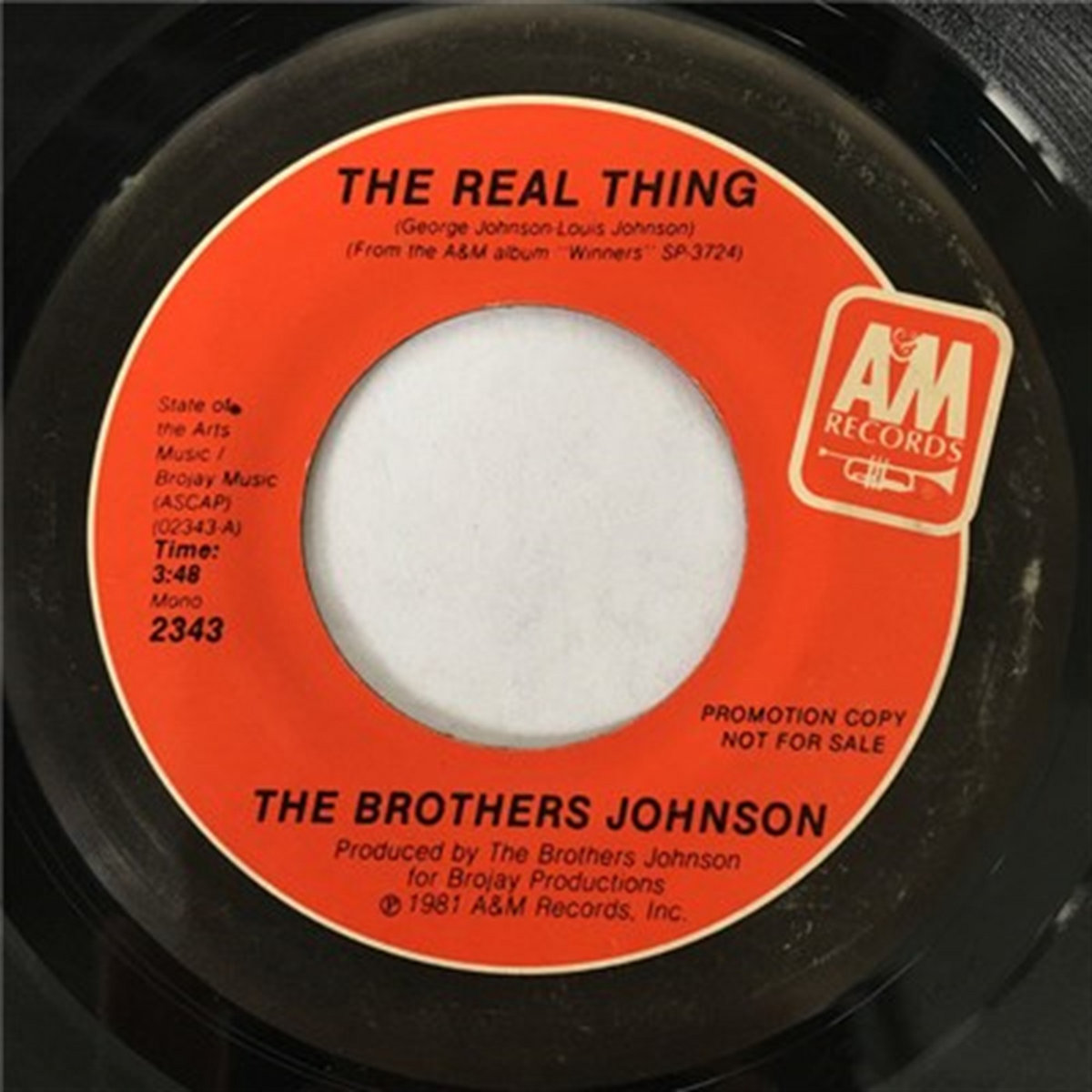
As of 2026, only one of the two founding members of the legendary funk and R&B duo, the Brothers Johnson, is still alive. George "Lightnin' Licks" Johnson is living and continues to preserve the band's legacy, while his brother, the virtuoso bassist Louis "Thunder Thumbs" Johnson, passed away on May 21, 2015.
The Brothers Johnson were a cornerstone of the 1970s and early 1980s funk scene, blending sophisticated jazz-inflected arrangements with raw, danceable energy. Their partnership with producer Quincy Jones resulted in some of the most enduring hits of the era, and their technical innovations—particularly Louis's revolutionary bass techniques—continue to influence musicians across genres today. To understand why their status remains a point of high interest for music historians and fans alike, one must look at their individual journeys and the seismic impact they left on the landscape of American music.
The Passing of Louis Johnson: A Loss for the World of Bass
Louis Johnson, affectionately known as "Thunder Thumbs," was one of the most influential bassists in the history of recorded music. His death in 2015 marked the end of an era for the funk community. Louis died at the age of 60 at his home in Las Vegas. The cause of death was later identified as gastrointestinal bleeding.
His passing was felt deeply throughout the industry, as Louis was not just a member of a successful duo but a "first-call" session musician for the biggest names in music. His thumb-slapping technique helped define the sound of the 1970s. Before his death, Louis remained active in the music clinic circuit, teaching the next generation of bassists the intricacies of the "slap" style he helped pioneer alongside contemporaries like Larry Graham.
The Technical Genius of "Thunder Thumbs"
Louis Johnson’s contribution to music extends far beyond the Brothers Johnson discography. He was a primary architect of the sound found on Michael Jackson's most successful albums. Louis played bass on Off the Wall, Thriller, and Dangerous. When you hear the propulsive, rhythmic drive of "Get on the Floor" or "Working Day and Night," you are hearing the unique "Thunder Thumbs" style.
His approach involved a percussive use of the thumb to strike the lower strings while snapping the higher strings with his index and middle fingers. While he didn't invent slap bass, he refined it into a high-precision, studio-ready art form. His partnership with Leo Fender led to the popularization of the Music Man StingRay bass, an instrument that became synonymous with his punchy, bright tone.
George Johnson: Carrying the Torch in 2026
George Johnson, the elder brother and the "Lightnin' Licks" of the duo, remains active as of 2026. Known for his soulful lead vocals and sharp, rhythmic guitar playing, George has spent the years following Louis's death ensuring that the Brothers Johnson catalog is not forgotten.
Throughout the late 1980s and 1990s, the brothers had various periods of activity and hiatus, occasionally reuniting for tours and special performances. Following Louis's passing, George has appeared at tribute concerts and funk festivals, often performing the duo's classic hits like "Stomp!" and "I'll Be Good to You." His resilience in the industry serves as a testament to the timelessness of the music they created together in Los Angeles during the height of the funk movement.
The Evolution of George’s Career
While Louis was often the focus of technical analysis due to his bass prowess, George provided the essential melodic and vocal framework that made the Brothers Johnson accessible to the pop charts. His guitar work was characterized by clean, "scratchy" funk rhythms and melodic solos that never overshadowed the groove.
In the years following the peak of the band's fame, George explored various solo ventures and collaborations. In the modern era, he has been a frequent guest on podcasts and music documentaries, providing firsthand accounts of the "Quincy Jones era" of R&B. His voice remains a recognizable staple of the "West Coast Funk" sound, a subgenre that balanced the grit of Ohio funk with the polished production of Hollywood studios.
The Brothers Johnson: A Historical Overview
To fully grasp the significance of George and Louis Johnson, one must look at their meteoric rise under the tutelage of Quincy Jones. The brothers were born and raised in Los Angeles, a melting pot of musical styles. They began their professional careers in a group called Johnson Three Plus One, which included their brother Tommy and cousin Alex Weir.
Their big break came when they joined Billy Preston’s band, contributing to his albums and touring internationally. However, it was their introduction to Quincy Jones that changed everything. Jones was so impressed by their talent that he featured them on his 1975 album Mellow Madness, which served as the springboard for their debut as a duo.
The Quincy Jones Collaboration
The partnership between the Brothers Johnson and Quincy Jones is one of the most successful producer-artist relationships in R&B history. Jones saw in them the perfect vehicle for his vision of "sophisticated funk." Their debut album, Look Out for #1 (1976), went platinum and featured the hit "I'll Be Good to You."
This was followed by a string of successful albums, including:
- Right on Time (1977): Featuring the iconic cover of Shuggie Otis’s "Strawberry Letter 23."
- Blam!! (1978): A harder-edged funk exploration.
- Light Up the Night (1980): Which included the massive international hit "Stomp!"
Comparison of the Duo’s Roles and Impact
The following table highlights the distinct contributions of George and Louis Johnson during their time as a duo and as individual artists.
| Feature | George "Lightnin' Licks" Johnson | Louis "Thunder Thumbs" Johnson |
|---|---|---|
| Primary Instrument | Lead/Rhythm Guitar | Bass Guitar |
| Vocal Role | Primary Lead Vocals | Background and occasional Lead |
| Signature Style | Rhythmic "scratch" guitar, soulful tenor | Slap and pop bass, percussive thumb |
| Key Contribution | Melodic hooks and pop sensibility | Rhythmic foundation and technical innovation |
| Major Session Work | Quincy Jones, Billy Preston | Michael Jackson, Paul McCartney, George Benson |
| Current Status (2026) | Alive and active | Deceased (May 21, 2015) |
The Lasting Influence on Hip-Hop and Modern R&B
One reason the Brothers Johnson remain relevant in 2026 is the extensive sampling of their work by hip-hop producers. The duo's grooves provided the backbone for numerous Golden Era hip-hop tracks. Most notably, the "Strawberry Letter 23" guitar and bell melody have been sampled by everyone from OutKast to Justin Timberlake.
Their track "I'll Be Good to You" was famously covered by Quincy Jones himself in 1989, featuring Ray Charles and Chaka Khan, which brought the song to a whole new generation. The "Stomp!" bassline remains a go-to reference for producers looking to capture a specific brand of uplifting, dancefloor-filling funk.
The "Slap Bass" Legacy in the 21st Century
Louis Johnson's influence is perhaps most visible in the world of modern bass playing. Musicians like Flea (Red Hot Chili Peppers), Victor Wooten, and Marcus Miller have all cited Louis as a pivotal influence. His ability to maintain a rock-solid pocket while executing complex percussive maneuvers set a standard that modern bassists still strive to achieve. In 2026, music schools and online tutorials continue to dissect Louis’s isolated bass tracks from the Thriller sessions, proving that his technical execution was decades ahead of its time.
Discography and Key Milestones
The Brothers Johnson released a series of albums that are considered essential listening for any student of American R&B. Their peak period (1976–1981) saw them dominating the Billboard R&B charts and making significant inroads into the Pop Top 40.
- Look Out for #1 (1976): This album established their sound. It was certified Platinum and showcased their ability to blend funk with jazz-fusion elements.
- Right on Time (1977): Often cited as their masterpiece, it won a Grammy for Best R&B Instrumental Performance ("Q"). It also contained "Strawberry Letter 23," which hit #5 on the Billboard Hot 100.
- Light Up the Night (1980): This was their commercial zenith. Produced by Quincy Jones during the same era he was working on Michael Jackson's Off the Wall, the album featured a polished, disco-funk sound that was perfectly suited for the era's clubs.
- Winners (1981): This was the first album they produced themselves. While it featured hits like "The Real Thing," it marked the beginning of a shift in their sound as they moved away from the Quincy Jones production style.
Frequently Asked Questions
Is George Johnson still performing in 2026?
Yes, George Johnson remains active in the music industry. While he does not tour as extensively as he did in the 1970s, he makes appearances at major funk festivals and remains a key figure in preserving the history of the Brothers Johnson. He often collaborates with other veteran funk musicians to keep the "Lightnin' Licks" sound alive.
What was the cause of Louis Johnson’s death?
Louis Johnson passed away on May 21, 2015, due to gastrointestinal bleeding. He was 60 years old at the time of his death. His passing was unexpected and led to a massive outpouring of tributes from the global music community, including a heartfelt statement from Quincy Jones, who referred to Louis as a "brother."
Did the Brothers Johnson write "Strawberry Letter 23"?
No, the song was originally written and recorded by Shuggie Otis for his 1971 album Freedom Flight. However, the Brothers Johnson's 1977 cover, produced by Quincy Jones, became the definitive version of the song, reaching #1 on the R&B charts and becoming a staple of 1970s pop culture.
Who played the bass on Michael Jackson’s "Billie Jean"?
While Louis Johnson played on much of the Thriller album, the specific bassline for "Billie Jean" was performed by session bassist Louis Johnson in several demo versions, but the final iconic synth-and-electric-bass layer involves various accounts. However, Louis is definitively the bassist on "Get on the Floor" (from Off the Wall), which is considered one of the greatest bass performances in disco-funk history.
Are there any remaining members of the original touring band?
While the core of the group was the two brothers, they worked with several notable musicians over the years. Alex Weir, their cousin and early bandmate, went on to have a significant career, including performing with Talking Heads during their Stop Making Sense era. Many of the session musicians who played on their albums, such as Greg Phillinganes and Paulinho Da Costa, are also still active in the industry as of 2026.
Summary of the Brothers Johnson Today
In 2026, the legacy of the Brothers Johnson is one of dualities: the mourning of a lost virtuoso and the celebration of a surviving pioneer. Louis Johnson’s absence is still felt in every slap of a bass guitar, while George Johnson’s continued presence provides a living link to one of the most vibrant eras in musical history.
For fans looking to honor their memory, the best course of action is to revisit their classic albums—specifically Right on Time and Light Up the Night. These recordings capture the synergy of two brothers who were at the absolute top of their craft, supported by the finest production of the 20th century. Whether you are a bassist studying Louis's technique or a casual listener enjoying the infectious groove of "Stomp!", the music of the Brothers Johnson remains as vital and alive as ever.