Aristotle Onassis stood approximately 5 feet 5 inches (165 cm) tall, according to the most reliable historical records, including maritime documents and immigration filings. Despite his modest physical height, his immense wealth and outsized personality often led contemporaries to describe his presence as "towering," creating a historical paradox between his literal measurements and his public persona.
The Discrepancy Between Myth and Measurement
When examining the life of Aristotle Onassis, one of the most successful and wealthy businessmen of the 20th century, a recurring point of curiosity remains his physical height. In the world of high-stakes shipping and international jet-setting, Onassis was a giant, yet in physical reality, he was a man of relatively short stature. Historical records from the mid-20th century provide a fascinating look at how his height was documented across different stages of his life, from his early days as a refugee to his time as the world’s most famous shipowner.
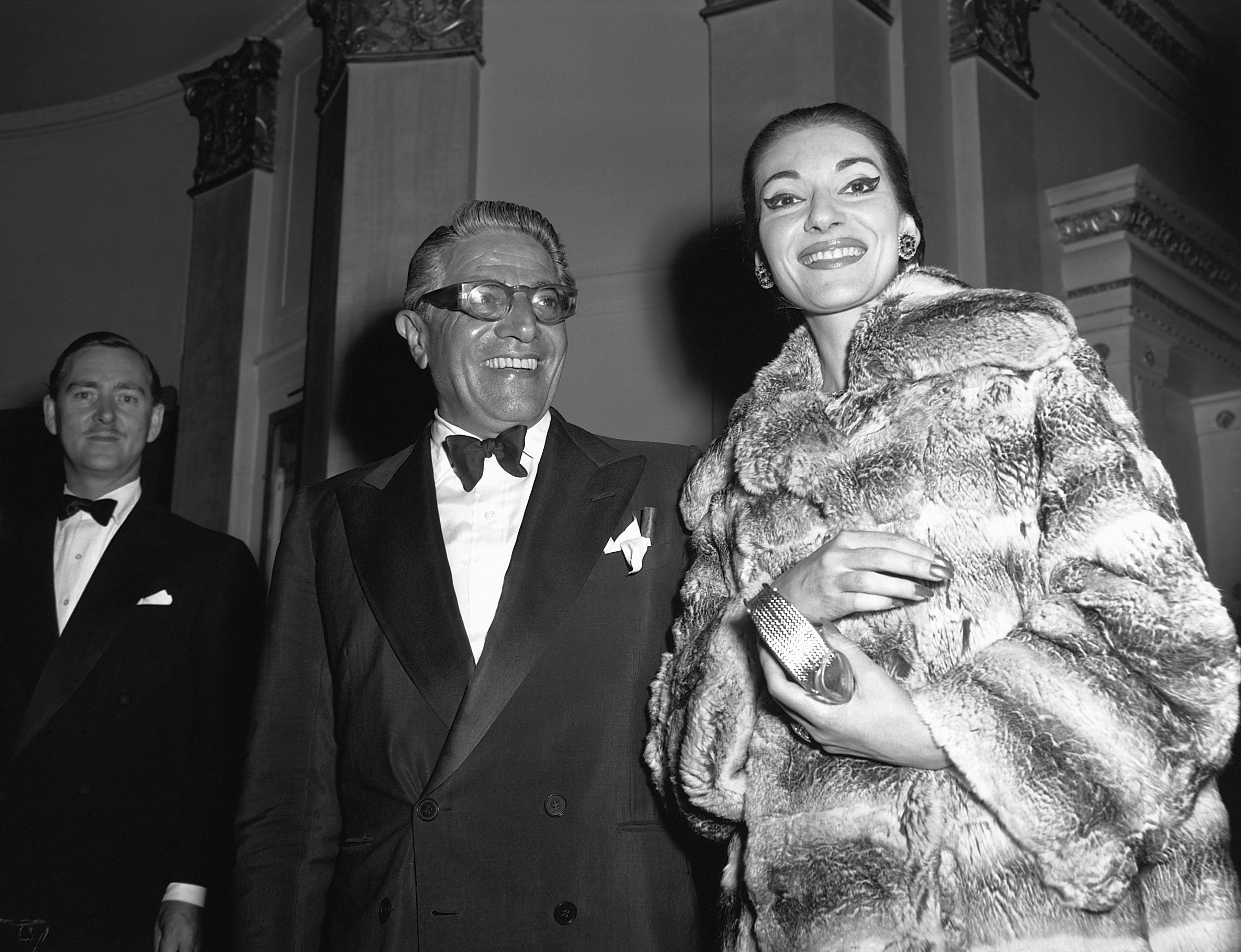
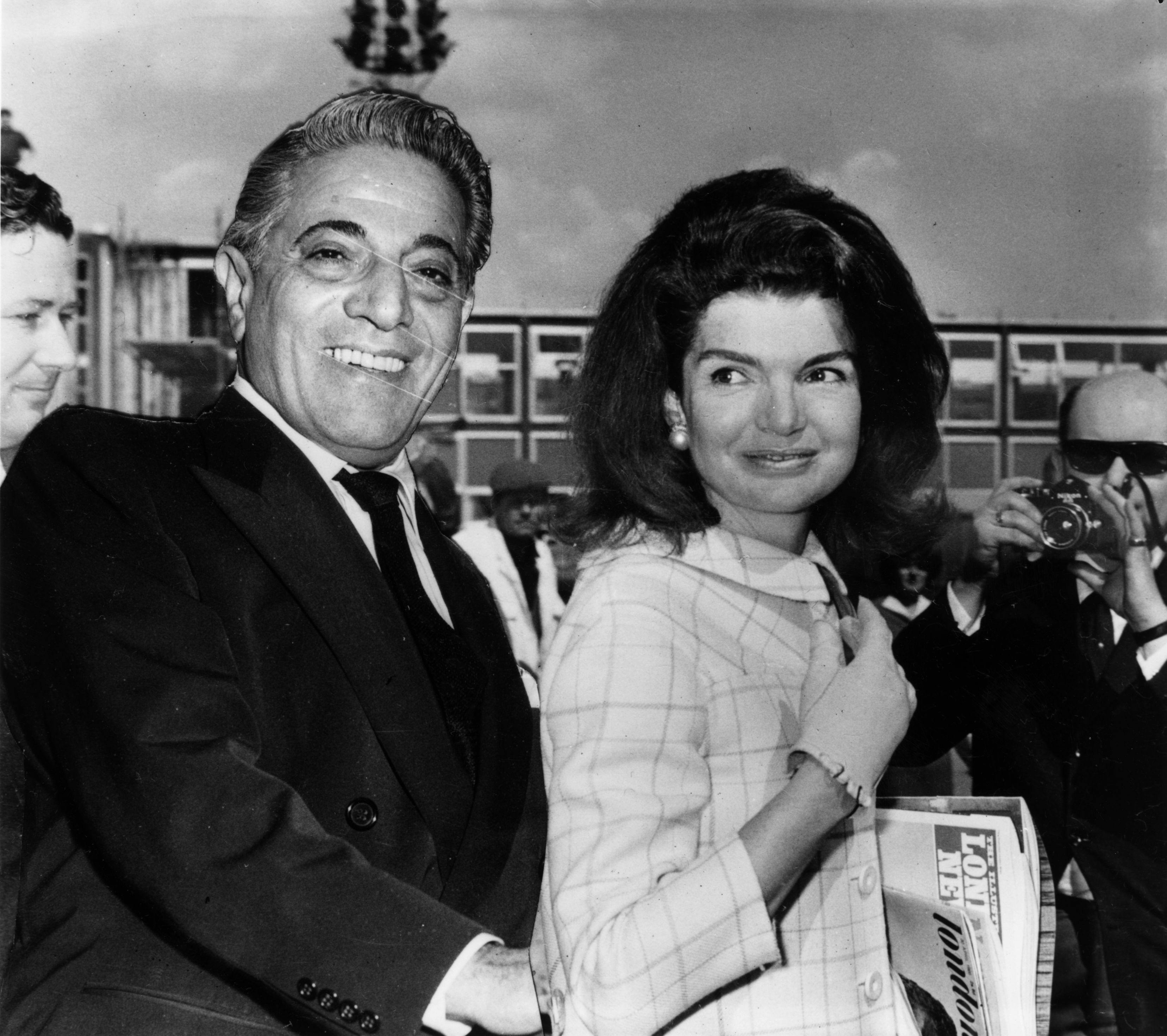
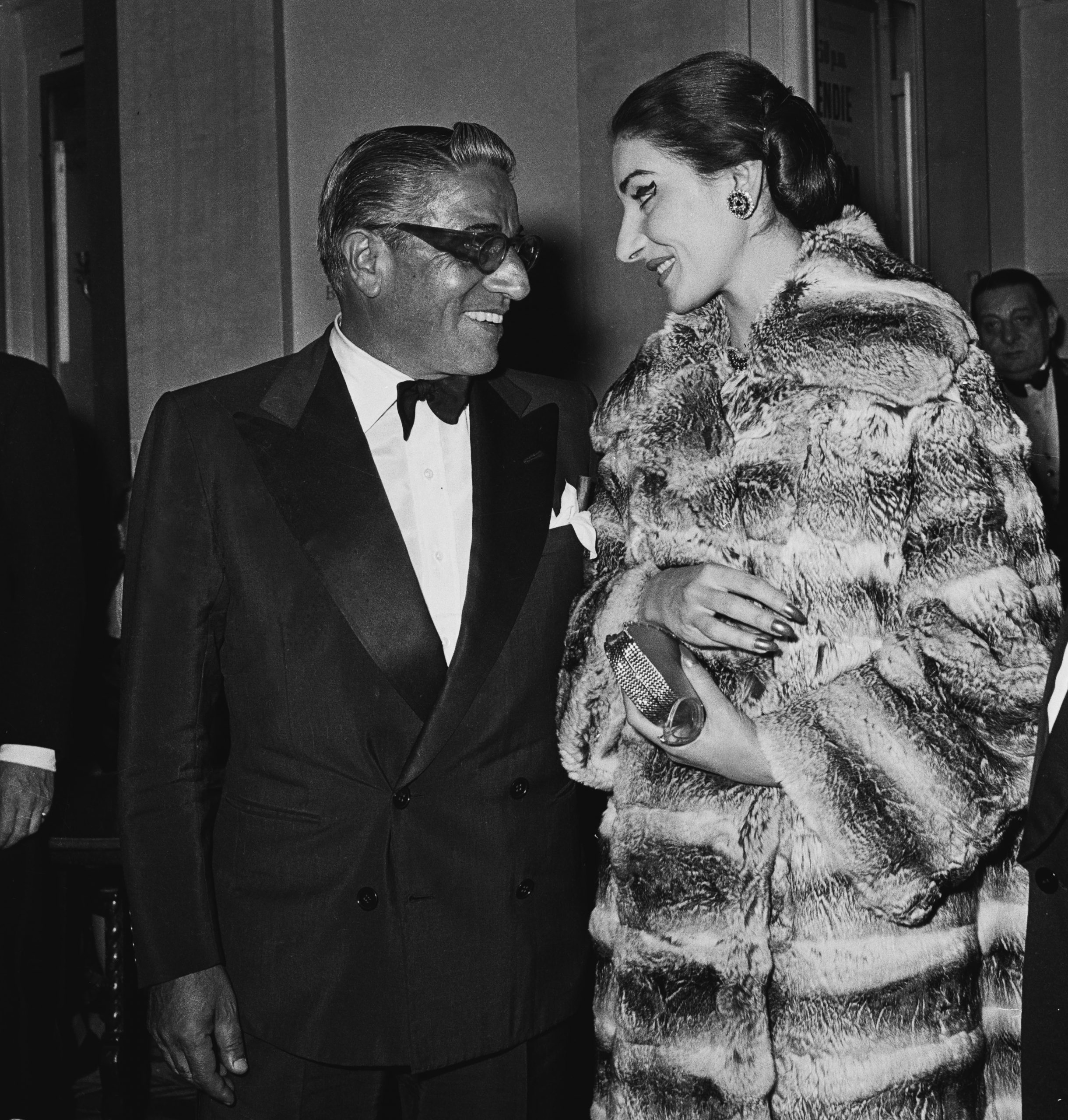
The fascination with his height often stems from his high-profile relationships, most notably with Maria Callas and Jacqueline Kennedy. Both women were approximately 5 feet 7 inches to 5 feet 8 inches tall, and when seen in public with Onassis, the height differential was often the subject of tabloid scrutiny. This physical reality fueled a narrative of the "short, powerful man" who conquered the world through sheer will and capital, regardless of his vertical reach.
To understand the specific data, we must look at official documentation. Unlike modern celebrities whose heights are often "inflated" by PR agencies, Onassis’s height was recorded in functional, legal contexts—maritime logs, passport applications, and immigration records—where accuracy was a matter of legal identification rather than public image.
Primary Historical Records and Documentation
The most consistent data regarding Aristotle Onassis’s height comes from his early years and his subsequent rise in the shipping industry. Born in 1906 in Smyrna, Onassis’s early life was marked by upheaval. When he immigrated to Argentina in 1923 at the age of 17, his arrival records and subsequent Argentine identification papers provided some of the first standardized measurements of his physique.
Argentine Immigration and Identity Papers
Upon his arrival in Buenos Aires, Onassis was recorded as being approximately 1.65 meters tall. This measurement, which converts to nearly 5 feet 5 inches, was standard for many Mediterranean men of that era. During the early 20th century, nutritional standards and regional genetics meant that a height of 5'5" was not considered exceptionally short in Greece or Turkey, though it was slightly below the average for Northern European or American males of the same period.
Maritime and Travel Documents
As a stateless person for a portion of his early career, Onassis traveled on various documents, including a Nansen passport (an internationally recognized refugee travel document). Later, as he acquired citizenship in various countries and managed a global fleet of ships, his official records remained consistent. Throughout the 1940s and 1950s, his height was consistently listed in the range of 165 cm to 167 cm.
Historical researchers focusing on the "Onassis Olympic" archives have noted that his physical descriptions in private security dossiers often matched these official figures. While he was known to wear custom-made Italian shoes that may have added an inch or two to his stature, his baseline height remained unchanged throughout his adult life.
Comparative Height: Onassis in the Public Eye
The public perception of Onassis’s height was heavily influenced by those he stood next to. In the world of 20th-century celebrity, photography played a crucial role in defining a person’s "scale."
Relationship with Jacqueline Kennedy
Jacqueline Kennedy Onassis was famously tall for her generation, standing about 5 feet 7 inches (170 cm). In photographs taken during their marriage (1968–1975), the height difference was frequently apparent, especially when Jackie wore heels. Because Jackie was an icon of grace and "long" lines, the contrast with Aristotle’s stocky, 5'5" frame was stark.
However, Onassis was rarely bothered by this. He was known for his extreme self-confidence. Historical accounts from his social circle suggest he viewed his height as irrelevant to his power. In some photographs, Onassis can be seen standing on higher ground or slightly ahead of his companions to minimize the visual gap, a common technique for public figures of that era.
Relationship with Maria Callas
The opera legend Maria Callas was also taller than Onassis, standing approximately 5 feet 8 inches (173 cm). During their long and tumultuous relationship, the press often commented on the "diminutive" tycoon and the "stately" diva. Records from the yachts and villas they shared indicate that Onassis’s presence was so commanding that many guests didn't realize how short he was until they stood directly beside him.
| Entity/Record Type | Recorded Height (Metric) | Recorded Height (Imperial) | Context of Record |
|---|---|---|---|
| Argentine ID (1920s) | 1.65 m | 5' 5" | Early immigration records |
| Maritime Service Logs | 165 cm | 5' 5" | Industry safety and ID filings |
| Biographical Consensus | 1.65 m - 1.68 m | 5' 5" - 5' 6" | Aggregate of various legal IDs |
| Jackie Kennedy (Comparison) | 1.70 m | 5' 7" | Public appearance contrast |
| Maria Callas (Comparison) | 1.73 m | 5' 8" | Public appearance contrast |
The "Onassis Look": Style and Stature
To compensate for his height—or perhaps simply out of a preference for luxury—Aristotle Onassis developed a very specific personal style. He understood that a man of shorter stature benefited from impeccable tailoring.
Bespoke Tailoring
Onassis was a frequent patron of the finest tailors in London and Paris. His suits were almost always double-breasted, which might seem counterintuitive for a shorter man, but they were cut with high armholes and specific proportions that added a sense of weight and authority to his frame. He preferred heavy fabrics that held their shape, giving him a "solid" appearance that commanded respect in any boardroom.
Footwear and Posture
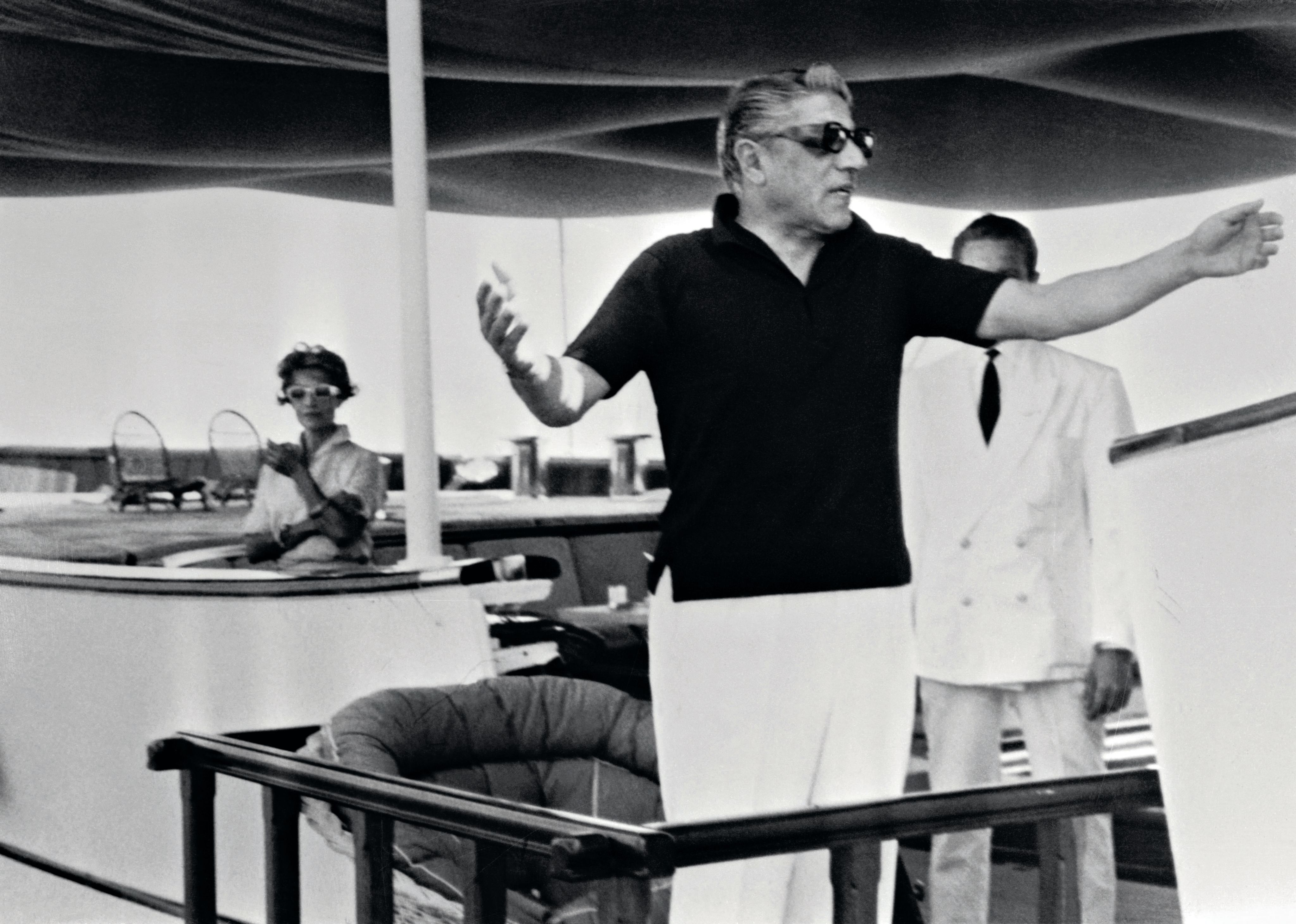
While there is no definitive historical evidence that Onassis used "elevator" shoes in the modern sense, he was known to favor high-quality, bespoke shoes with a standard heel. His posture was often described as aggressive; he leaned forward, walked with a purposeful gait, and used expansive hand gestures. These physical traits often made him seem "bigger" than his 5'5" frame would suggest.
The Role of the "Golden Greek" Persona
In the mid-20th century, the nickname "The Golden Greek" wasn't just about his wealth; it was about his mythic status. In historical retrospect, Onassis used his physical presence as a tool. He was often photographed sitting—either at the helm of his yacht, the Christina O, or in deep leather chairs during negotiations. By controlling the environment in which he was viewed, he ensured that his physical height was never the primary focus of an interaction.
Historical Context: Average Heights in the 1900s
To accurately judge Onassis’s height, it is essential to look at the global averages during his lifetime. Born in 1906, Onassis grew up in an era where the average male height was significantly lower than it is in 2026.
- Regional Averages: In the early 20th century, the average height for a Greek male was approximately 166 cm to 168 cm. Standing at 165 cm, Onassis was within the normal range for his peers.
- Nutritional Factors: The "height explosion" seen in the latter half of the 20th century was largely due to improved childhood nutrition and healthcare. Onassis, having lived through the burning of Smyrna and a period as a refugee, likely reached his genetic potential despite the hardships of his youth.
- The "Power Stature" Myth: There is a recurring historical theme where powerful men are perceived as taller than they are. In Onassis's case, the reverse sometimes happened in the media to emphasize a "David and Goliath" narrative regarding his business acquisitions, or to mock his marriage to the widow of a U.S. President.
The Impact of Height on His Business Career
In the shipping industry of the 1930s, 40s, and 50s, physical toughness was often a prerequisite for success. Onassis began his career on the docks and in the tobacco trade, environments where a man's physical presence mattered.
His height did not hinder his ability to negotiate with industry titans like Stavros Niarchos or the heads of major oil companies. In fact, many biographers suggest that being shorter may have contributed to his relentless drive. This "compensatory" ambition is a common theme in psychological profiles of historical figures, though in Onassis’s case, it seems he was simply a naturally competitive and brilliant strategist.
His records from the Second World War era, when he was managing his fleet from New York and Washington D.C., show a man who was frequently in the company of tall American politicians and military officers. Despite the height difference, Onassis was never described as being overshadowed in these meetings. His voice, often described as gravelly and hypnotic, and his intense eye contact were the tools he used to dominate a room.
Frequently Asked Questions
Was Aristotle Onassis considered short for his time?
By the standards of the mid-20th century in the Mediterranean, Onassis was slightly below average but not remarkably short. However, when compared to the taller Northern European and American elite he socialized with later in life, his 5'5" frame was more noticeable.
Did Onassis wear special shoes to appear taller?
While he wore high-end, bespoke shoes, there is no verified historical record suggesting he used extreme elevator inserts. He relied more on tailoring and assertive posture to maintain his presence.
How did his height compare to Stavros Niarchos?
Stavros Niarchos, Onassis's great rival and brother-in-law, was slightly taller, standing at approximately 5 feet 7 inches. This minor physical difference was occasionally noted in the press during their lifelong competition to build the world's largest tankers.
Are there any official military records of his height?
Onassis did not serve in the traditional military sense during his peak years, as he was often navigating complex international citizenship issues. However, his merchant marine-related documentation and travel papers consistently point to the 165 cm (5'5") mark.
Why is there confusion about him being 5'2"?
Some detractors or sensationalist tabloids during the 1960s would occasionally list his height as 5'2" or 5'3" to emphasize the height difference between him and Jackie Kennedy. These figures are generally not supported by official identity records or medical histories.
Summary of Findings
The historical records of Aristotle Onassis's height confirm a man of approximately 5 feet 5 inches (165 cm). This figure is supported by:
- Early immigration records from Argentina.
- Maritime identity filings used throughout his shipping career.
- The visual evidence of his height relative to known heights of his spouses and associates, accounting for footwear.
In 2026, as we look back on the legacy of the most famous shipping magnate in history, his height serves as a reminder that physical stature is rarely a predictor of a person's impact on history. Aristotle Onassis occupied a space in the global consciousness that was far larger than his physical dimensions, proving that "size" in the world of power is measured in influence, assets, and legacy rather than feet and inches.
Next Steps for Researchers: For those looking to verify these figures further, the Onassis Foundation archives in Athens hold extensive personal effects, including his custom-made clothing and shoes, which provide the most tactile evidence of his physical proportions. Additionally, the Lloyd's Register archives contain maritime records that occasionally include physical descriptions of shipowners for security and identity purposes during the mid-century period.