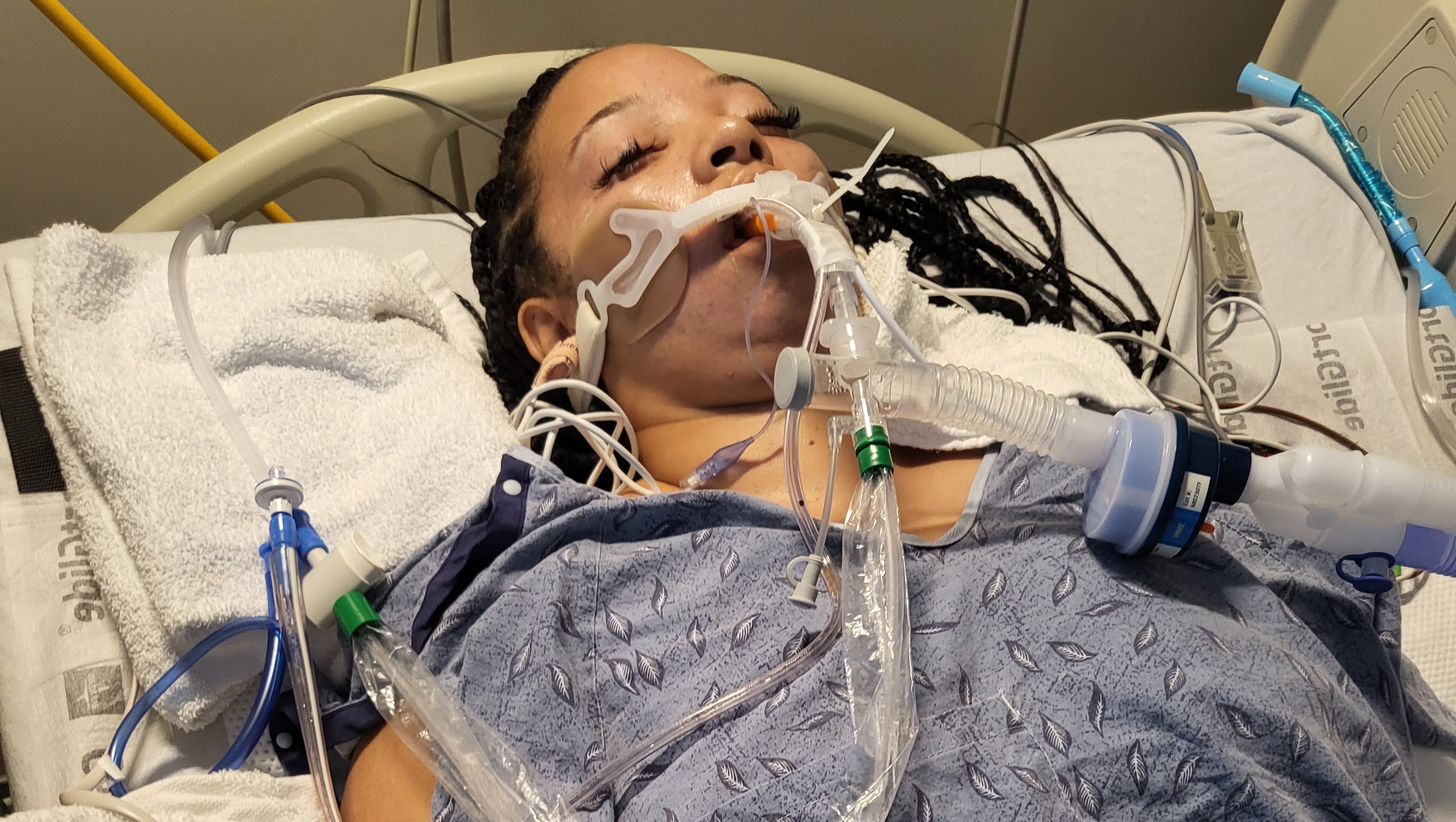
As of 2026, the investigation into the death of April Holt remains a subject of intense public interest and ongoing advocacy by her family. While the Metropolitan Nashville Police Department initially classified her July 2023 death as a suicide, her estate and relatives continue to challenge this ruling, citing forensic inconsistencies and a history of domestic concerns.
The case of April Holt is not merely a local news story from Nashville, Tennessee; it has become a touchstone for discussions regarding how law enforcement handles suspicious deaths involving potential domestic violence. For those seeking an update on the legal status, the evidence in question, and the steps being taken by the Holt family to seek a reclassification of the case, this comprehensive report provides the necessary context and factual trajectory of the investigation.
The Background: July 28, 2023
To understand the current status of the April Holt update in 2026, one must look back at the events that transpired in the Donelson community of Nashville. April Holt, a 45-year-old mother, was found deceased in her home on July 28, 2023. Upon arrival, the Metropolitan Nashville Police Department (MNPD) conducted a preliminary assessment of the scene.
Within a relatively short timeframe, the death was categorized as a suicide resulting from a self-inflicted gunshot wound. This initial determination is the foundation of the ongoing legal and social conflict. For the authorities, the presence of a firearm and the positioning of the body led to a swift conclusion. However, for the family, the scene told a drastically different story—one that they believe was overlooked in the haste of the initial response.
Immediate Red Flags Identified by the Family
The family of April Holt, specifically her mother and daughters, began questioning the suicide ruling almost immediately. Their concerns were not born solely of grief but were based on physical evidence they observed or discovered through subsequent documentation.
- Physical Trauma: Family members reported seeing bruising on April’s body that they felt was inconsistent with a self-inflicted injury. These marks suggested a physical struggle prior to the fatal event.
- The Scene Layout: Reports from the family indicated that the placement of the firearm and the trajectory of the wound raised technical questions about the feasibility of the act being self-inflicted.
- Domestic History: April had reportedly expressed fears regarding her safety in the weeks and months leading up to her death. In the realm of domestic violence advocacy, these "red flags" are often seen as precursors to escalated violence, a factor the family claims was not given sufficient weight by the MNPD.
The Struggle for Reclassification
One of the primary goals of the "Justice for April" movement is the reclassification of her manner of death on the official death certificate. In the United States, the "Manner of Death" is a legal classification on a death certificate that can be listed as Natural, Accident, Suicide, Homicide, or Undetermined.
By 2026, the legal battle has focused on moving the classification from "Suicide" to at least "Undetermined" or "Homicide," which would necessitate a mandatory reopening of the criminal investigation.
The Role of the Tennessee Bureau of Investigation (TBI)
In Tennessee, the Tennessee Bureau of Investigation (TBI) can intervene in local cases under specific circumstances, usually at the request of a District Attorney General. The Holt family has spent the years following her death petitioning for independent oversight. They argue that the MNPD’s initial conclusion created a "confirmation bias" that prevented a truly objective investigation.
The TBI's involvement is often seen as a final recourse for families who feel local jurisdiction has failed. However, the threshold for the TBI to take over a closed local case is high, requiring significant "new" evidence or a directive from state-level officials.
Forensic Discrepancies and Investigative Gaps
A significant portion of the April Holt update involves the technical analysis of the forensic evidence. Private investigators and forensic experts hired by the family have highlighted several areas where the official narrative and the physical evidence appear to diverge.
Gunshot Residue (GSR) and Ballistics
In many self-inflicted gunshot cases, the presence of gunshot residue on the hands of the deceased is a primary piece of evidence. The family has sought transparency regarding the GSR tests conducted in April’s case. Furthermore, the angle of the shot is a technical point of contention. Forensic ballistics can often determine if a shot was fired from a distance or angle that would be physically impossible for the individual to achieve themselves.
Digital Evidence and Last Communications
In the modern era, digital footprints provide a silent testimony to a person's state of mind. The family has pointed to April’s last communications, which they claim did not reflect a person intending to self-harm. Instead, they describe a woman making plans for the future while simultaneously expressing concern about her immediate domestic environment.
| Evidence Category | Official MNPD Initial Stance | Family/Advocate Counter-Point |
|---|---|---|
| Manner of Death | Suicide by gunshot wound. | Potential Homicide/Staged scene. |
| Domestic History | Not considered a primary factor in the cause of death. | Documented history of fear and domestic tension. |
| Physical Injuries | Attributed to the terminal event. | Bruising suggests a struggle prior to the shooting. |
| Scene Integrity | Cleared as a non-criminal scene quickly. | Allegations that the scene was not properly processed for foul play. |
| Digital Evidence | No "suicide note" found, but intent inferred. | Communications show future planning and fear of others. |
The Legal Path for the Family
As we navigate the status of the case in 2026, the legal strategies employed by the family have shifted from public protests to formal legal challenges. These include:
- Petitioning the Medical Examiner: The family can present independent forensic audits to the Medical Examiner’s office to request an amendment to the death certificate.
- Civil Litigation: Wrongful death lawsuits are a common path for families to gain access to evidence (through the discovery process) that might be withheld in a closed criminal file.
- Legislative Advocacy: The case has prompted discussions in the Tennessee legislature regarding the "April Holt Law" concepts—proposals that would mandate TBI oversight in cases where a family disputes a suicide ruling in a household with a history of domestic violence calls.
The Impact of Public Advocacy
The "Justice for April Holt" social media campaigns have kept the case in the public eye. In the years since 2023, these digital movements have served several purposes:
- Crowdsourcing Information: Public appeals often lead to witnesses coming forward who may have seen or heard something on the night of the incident but were initially afraid to speak.
- Pressure on Officials: Constant public inquiry ensures that the case file does not simply gather dust. It holds elected officials, such as the District Attorney, accountable for the decisions made by their offices.
- Support for Domestic Violence Survivors: April’s story has become a cautionary tale and a source of strength for others in similar situations, highlighting the systemic difficulties survivors face even after death.
Technical Difficulties in Reopening "Closed" Cases
One of the hardest truths for the Holt family—and a key reason the update in 2026 remains complex—is the "finality" of police work. Once a case is closed as a suicide, the chain of custody for evidence may be broken. Forensic samples might not be preserved with the same rigor as in a murder investigation.
Furthermore, "confirmation bias" is a documented psychological phenomenon in law enforcement. Once an officer decides a death is a suicide, they may subconsciously stop looking for evidence that contradicts that theory. Reversing this requires not just "some" evidence, but "overwhelming" evidence that proves the original investigators were fundamentally wrong.
Frequently Asked Questions
Has anyone been arrested in the April Holt case?
As of 2026, there have been no arrests made in connection with the death of April Holt. The case was officially closed as a suicide by the Nashville Police. Any future arrests would require the case to be reopened and the manner of death to be reclassified as a homicide.
What is the current status of the death certificate?
The death certificate currently lists the manner of death as "Suicide." The family is involved in ongoing legal efforts to have this changed. This process involves submitting secondary forensic opinions to the medical examiner for review.
Why does the family believe it was not a suicide?
The family points to several factors: unexplained bruising on her body, a lack of suicidal ideation in her final communications, and a history of domestic instability. They believe the physical evidence at the scene was more consistent with a struggle than a self-inflicted act.
Can the TBI take over the case from Nashville Police?
The Tennessee Bureau of Investigation (TBI) generally only takes over a case if the local District Attorney General requests their assistance or if there is a specific statutory requirement. The family has been petitioning the DA to make this request.
Is there a reward for information?
At various points, private funds have been established to offer rewards for information leading to a change in the case’s status. Interested parties should look for official "Justice for April" social media pages for the most current information on reward offers.
What can the public do to help?
Advocates suggest following the family's official updates, sharing April's story to maintain public pressure, and supporting organizations that work to improve the investigative standards for domestic-related deaths.
Moving Forward: Next Actions and Recommendations
For those following the April Holt update, the most critical next step is the potential for a grand jury review or a formal statement from the District Attorney’s office regarding the independent evidence submitted by the family.
For individuals in similar situations—where a loved one’s death is ruled a suicide under suspicious circumstances—the Holt case highlights the importance of:
- Immediate Evidence Preservation: Securing photos of the body at the funeral home (if bruises are visible) and preserving all digital communications.
- Independent Forensics: Seeking a second opinion from a private forensic pathologist as early as possible.
- Legal Counsel: Engaging an attorney who specializes in civil rights or wrongful death to navigate the complexities of police records and autopsy reports.
The legacy of April Holt continues through the persistence of her family. Their refusal to accept the initial police report has sparked a broader conversation about justice, domestic violence, and the rights of the deceased to have their stories told accurately.