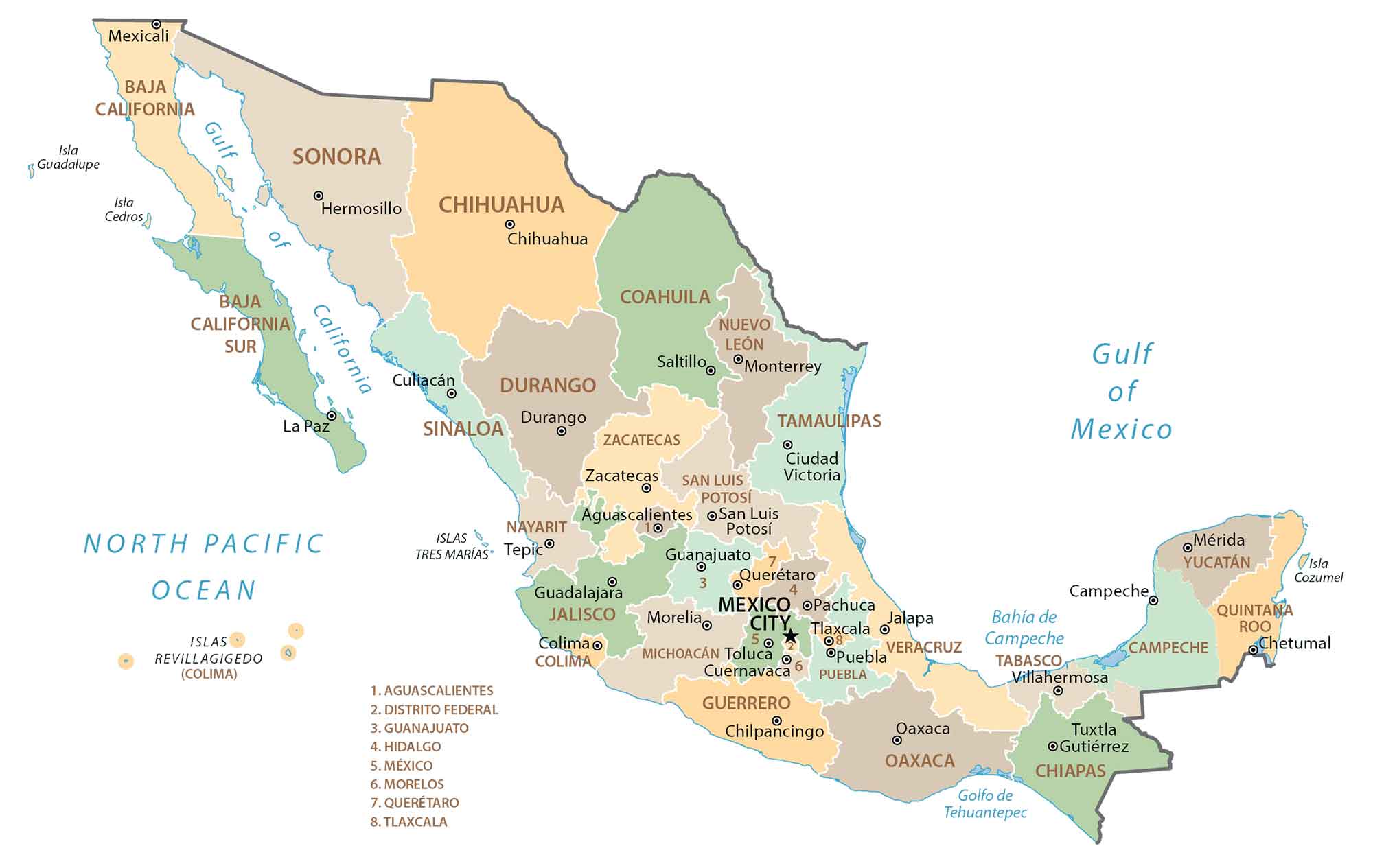
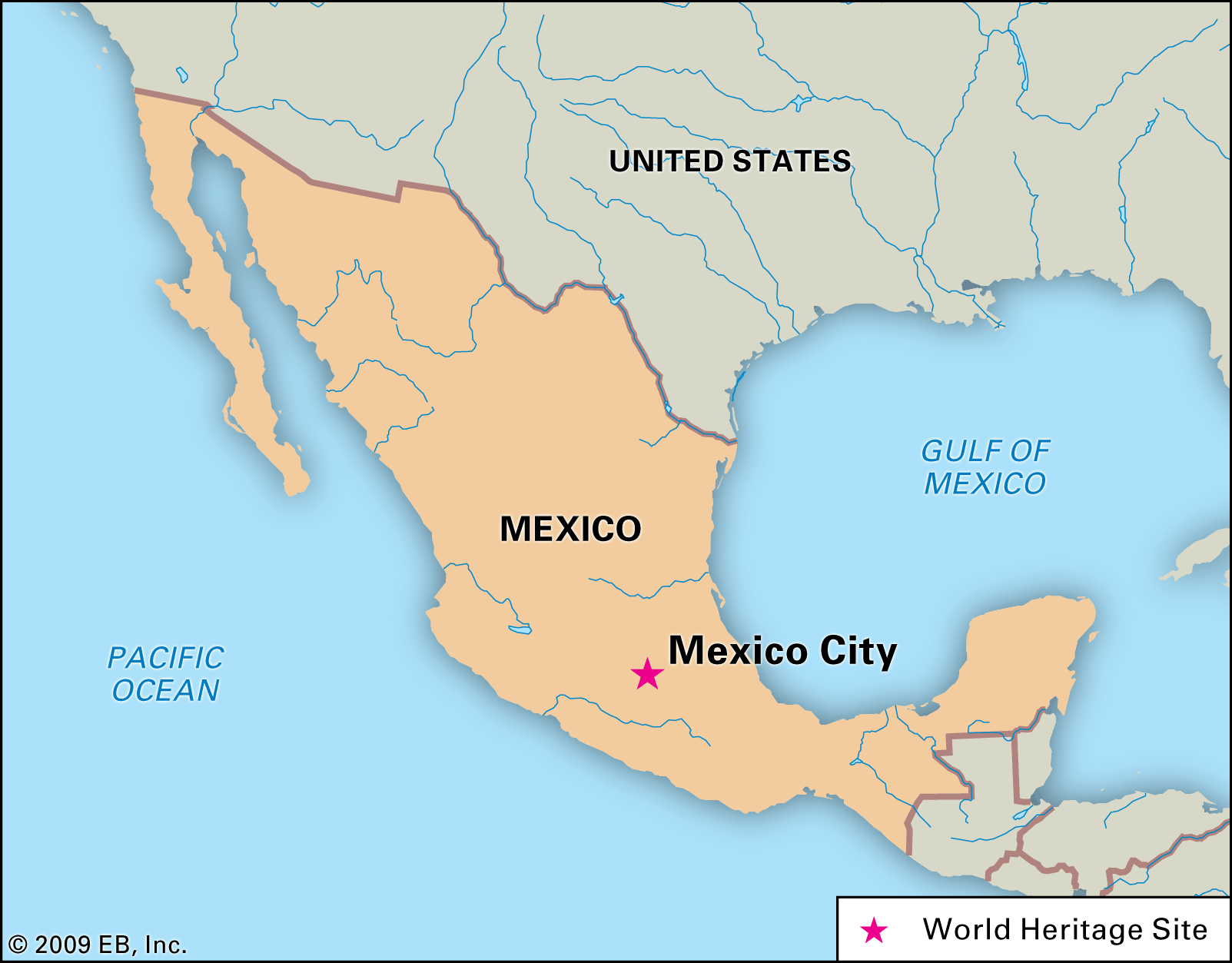
No, Mexico City is not in the United States of America. It is the capital and largest city of the United Mexican States, commonly referred to as Mexico. While Mexico shares a vast land border with the United States to the north, Mexico City is located deep within the interior of the Mexican republic, situated in the Valley of Mexico at a high elevation.
Geographic and Political Distinction
The United States of America and the United Mexican States are two distinct sovereign nations in North America. Mexico City serves as the administrative, cultural, and financial hub of Mexico. It operates under the Mexican Constitution and its own local government, completely separate from the legislative, executive, and judicial systems of the United States.
Confusion regarding this distinction sometimes arises from the physical proximity of the two countries or historical shifts in territory. However, in the modern geopolitical landscape, the international boundary line between the two nations is clearly defined, stretching over 1,900 miles from the Pacific Ocean to the Gulf of Mexico. Mexico City is located roughly 750 miles south of the nearest U.S. border point in Texas, placing it firmly within the central highlands of the Mexican territory.
The Historical Context of Territory
Historical perspectives often contribute to misconceptions about national boundaries. During the 19th century, specifically the period leading up to the Mexican-American War (1846–1848), the United States significantly expanded its territory. Following the Treaty of Guadalupe Hidalgo, Mexico ceded a vast amount of land—including what is now California, Nevada, Utah, and parts of Arizona, New Mexico, Colorado, and Wyoming—to the United States.
It is important to note that even during this era of territorial acquisition, the sovereignty of Mexico City remained untouched. The capital city has served as the heart of Mexican political power through various colonial and post-colonial eras, consistently functioning as the primary seat of government for the nation of Mexico.
Comparing Sovereignty and Administrative Structures
To understand why Mexico City is not part of the USA, it is useful to look at how these nations manage their respective territories.
| Feature | Mexico City (Mexico) | Washington, D.C. (USA) |
|---|---|---|
| Sovereignty | United Mexican States | United States of America |
| Currency | Mexican Peso (MXN) | United States Dollar (USD) |
| Official Language | Spanish (de facto) | None (federal level) |
| Capital Status | Federal Entity (CDMX) | Federal District |
The political identity of Mexico City has evolved significantly. In 2016, the city changed its status from the Federal District (Distrito Federal) to a full-fledged autonomous entity known as Ciudad de México (CDMX). This change granted the city greater legislative authority and administrative parity with the 31 states of Mexico, further cementing its position as the anchor of the Mexican nation rather than any foreign administrative region.
The Role of Mexico City as a Global Hub
Mexico City stands as one of the most populous and influential metropolitan areas in the Western Hemisphere. As the seat of the Mexican federal government, it houses the National Palace, the Supreme Court, and the residence of the President of Mexico. The city serves as the engine of the Mexican economy, contributing a massive portion of the nation's Gross Domestic Product (GDP).
In the modern context of 2026, the city functions as a center for international diplomacy, business, and tourism. It hosts numerous foreign embassies and consulates, including the Embassy of the United States. The presence of these diplomatic missions serves as a clear functional indicator that Mexico City is a foreign capital. U.S. citizens traveling to Mexico City must possess a valid passport, as they are entering a sovereign foreign nation.
Common Misconceptions and Why They Persist
The primary driver of the question "Is Mexico City in the USA?" is often a lack of familiarity with North American geography or a misunderstanding of how border regions work. Because many U.S. citizens frequently travel to Mexican border towns for tourism, commerce, or trade, the mental map of "Mexico" is sometimes confined to those immediate border zones.
Furthermore, the prevalence of cultural exchange between the two nations—through media, migration, and trade agreements like the United States-Mexico-Canada Agreement (USMCA)—creates a sense of proximity that can confuse the lines of political geography. However, cultural integration and economic interdependence do not equate to political integration. The administrative, legal, and educational systems of Mexico City remain distinct from those in any U.S. state.
Practical Implications for Travelers and Residents
For those visiting or researching Mexico City, recognizing its status as an independent capital is essential for understanding legal requirements.
- Travel Documentation: Because the city is outside the United States, all U.S. citizens must carry a valid passport for entry.
- Legal Jurisdiction: Visitors are subject to Mexican law while in the city. The laws, regulations, and protections provided by the U.S. government do not extend to the day-to-day operations of local Mexican municipalities.
- Economic Interaction: While the U.S. Dollar is often accepted in tourist areas, the standard currency is the Mexican Peso. Financial transactions, banking, and real estate laws follow Mexican federal and local statutes.
Frequently Asked Questions
Is Mexico City considered a state in Mexico? Yes, since 2016, Mexico City has operated as an autonomous entity with a status effectively equivalent to a state within the Mexican federation. It manages its own constitution and government, separate from the surrounding State of Mexico.
Do I need a visa to visit Mexico City if I am from the USA? U.S. citizens visiting Mexico for tourism, business, or transit for less than 180 days typically do not require a visa, but they must present a valid passport and complete an official immigration form (FMM) upon entry.
Is English the official language in Mexico City? No, Spanish is the primary language used in government, education, and daily life. While English is spoken in international business and tourist sectors, official documents and interactions are conducted in Spanish.
Does the U.S. government have any authority in Mexico City? No. The U.S. government operates only through its diplomatic mission, the U.S. Embassy. It has no legislative, police, or administrative power over the citizens or territory of Mexico City.
Why is there often confusion between the two countries? The confusion often stems from the shared North American continent, the extensive trade history, and the widespread movement of people between the two nations, which can lead to a simplified mental model of the region that ignores national boundaries.
Next Steps for Clarification
If you are planning to travel to, conduct business in, or study the region of Mexico City, the most reliable resources for current information are the official portals of the Mexican government and the U.S. Department of State's international travel information site. These entities provide authoritative guidance on entry requirements, safety, and legal status. Remember that when you step onto the soil of Mexico City, you are entering the heart of a sovereign nation with its own rich history and distinct political identity, fully separate from the United States.