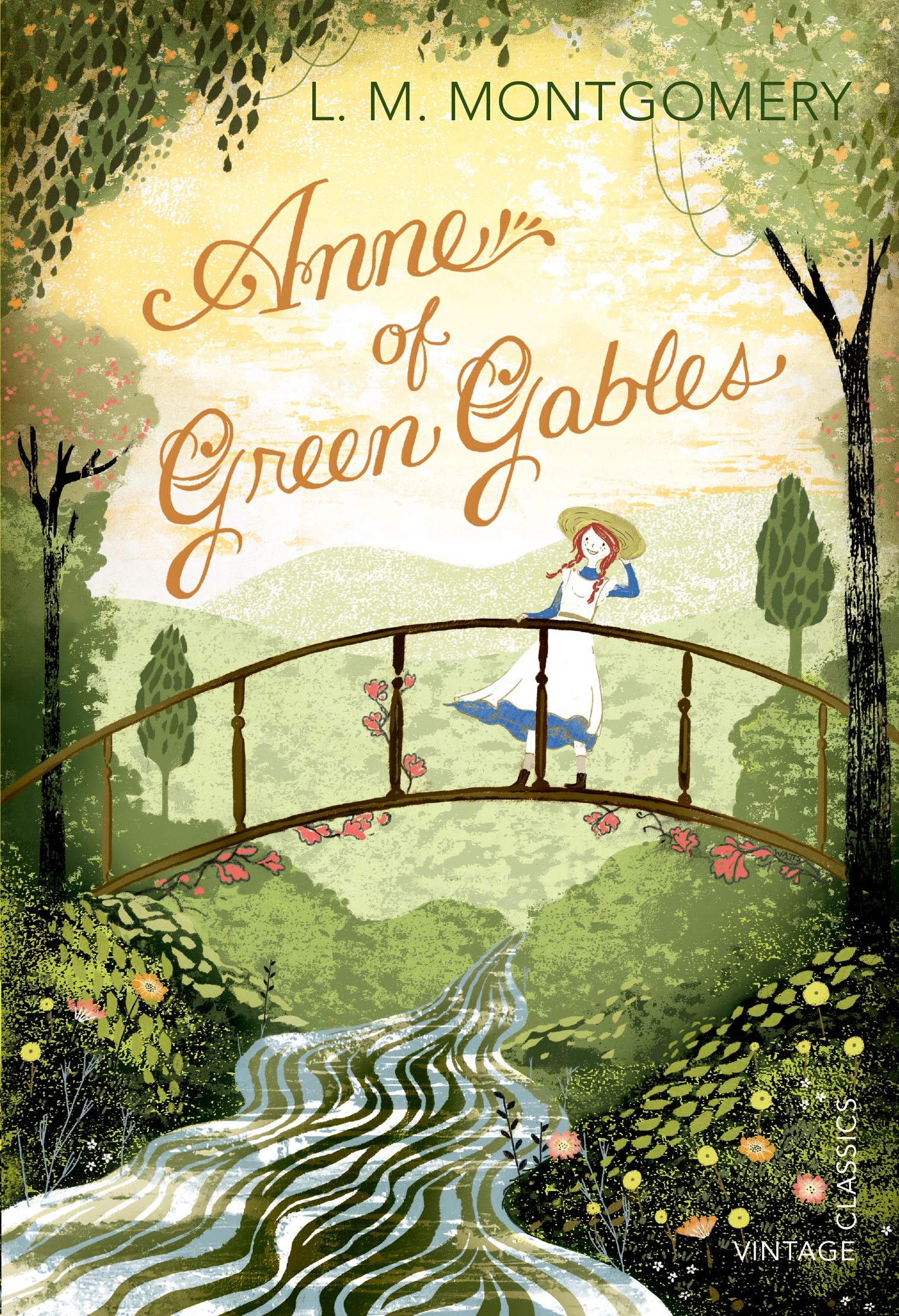
Jane Andrews is a key supporting character in L. M. Montgomery’s classic 1908 novel Anne of Green Gables and its sequels. As a member of Anne Shirley’s intimate circle of Avonlea schoolmates, Jane stands out for her matter-of-fact demeanor, practical homemaking skills, and utter lack of romantic imagination, serving as a steadying foil to Anne’s dramatic passion.
Who Is Jane Andrews? Background and Character Profile
In the rural late-19th-century community of Avonlea on Prince Edward Island, Jane Andrews represents the conventional, hardworking, and unpretentious side of Canadian island life. Introduced in Anne of Green Gables, Jane is the daughter of Mrs. Harmon Andrews, a woman known throughout Avonlea for her rigid practical sense, sharp tongue, and strict domestic economy.
Unlike Anne Shirley, whose inner world is fueled by poetry, melodrama, and grand romantic ideals, Jane is thoroughly grounded in reality. Montgomery describes Jane as a neat, plain, and sensible girl who excels at traditional domestic arts such as needlework, cooking, and orderly penmanship. While Anne dreams of tragic heroines, haunted glens, and divine romance, Jane views the world through a utilitarian lens. If a shirt needs mending or a recipe calls for exact measurements, Jane is reliable and precise; if a story requires emotional depth or poetic flourish, Jane is completely out of her element.
Despite their vast differences in temperament, Jane is one of Anne’s closest childhood companions alongside Diana Barry and Ruby Gillis. Her steadfast nature makes her a reliable friend, free from the spiteful malice of Josie Pye, though her inability to understand Anne’s imaginative flights often provides gentle comedic relief throughout the series.
Jane Andrews Across the Montgomery Series
Jane’s narrative arc spans several volumes of L. M. Montgomery’s Avonlea series, tracking her growth from a quiet schoolgirl into a successful schoolteacher and, ultimately, a wealthy matron.
| Book / Stage | Character Timeline Event |
|---|---|
| Anne of Green Gables | Joins the Story Club; attends Queen's Academy. |
| Anne of Avonlea | Teaches at Newbridge; joins the Avonlea Improvement Co. |
| Anne of the Island | Proposes to Anne on Billy's behalf; marries Martin Young. |
| Later Novels | Settles in Winnipeg as a prosperous, respected matron. |
Anne of Green Gables (1908)
In the inaugural novel, Jane joins Anne, Diana Barry, and Ruby Gillis in forming the famous "Story Club." The club's premise is for the girls to practice writing romantic tales, but Jane’s contributions are notoriously matter-of-fact. While Anne writes heartbreaking tragedies about doomed lovers, Jane writes straightforward moral stories where characters act logically and adhere strictly to practical sense.
Later in the book, Jane joins the elite class of Avonlea students studying under Miss Muriel Stacy to prepare for the entrance examinations at Queen’s Academy in Charlottetown. Jane successfully earns her teacher's license alongside Anne, Gilbert Blythe, Ruby Gillis, and Charlie Sloane, proving her solid academic competence.
Anne of Avonlea (1909)
In the second novel, Jane enters the workforce as a schoolteacher at the Newbridge school, earning a reputation as a disciplined, methodical educator. She joins Anne and the local youth in founding the Avonlea Village Improvement Society (AVIS), contributing her practical sense to community revitalization projects. During this period, Jane remains a sounding board for Anne, though their conversations highlight their divergent views on love, marriage, and career ambitions.
Anne of the Island (1915)
The third novel presents Jane’s most memorable plotlines. Early in the book, Jane acts as an unexpected proxy messenger for her brother, Billy Andrews. Billy, a slow-witted and awkward young man, wishes to marry Anne but lacks the courage to ask her himself. He dispatches Jane to deliver the proposal on his behalf. The conversation between Jane and Anne is one of the comedic highlights of the novel:
- Jane delivers the proposal with businesslike detachment, admitting candidly that while Billy is a good provider, he is hardly a romantic hero.
- Anne politely declines, much to Jane’s relief, as Jane privately agrees that Anne and Billy would make an ill-suited match.
Later in Anne of the Island, Jane shocks the Avonlea community by marrying Martin Young, a wealthy Winnipeg businessman older than herself. While her friends expected the intensely romantic Anne or the flirtatious Ruby Gillis to make grand matches, the quiet, practical Jane is the first of the group to marry, relocating to Western Canada to live a life of financial comfort and luxury.
Literary Function: Jane as Anne Shirley’s Practical Foil
Literary scholars and casual readers alike recognize that L. M. Montgomery crafted Anne Shirley’s peer group to highlight different facets of Edwardian female socialization. Within this social matrix, Jane Andrews fulfills a specific structural function: she represents traditional Victorian domestic efficiency devoid of artistic ambition.
| Anne Shirley | Diana Barry | Jane Andrews | Ruby Gillis |
|---|---|---|---|
| Imaginative & Intellectual | Loyal & Conventional | Practical & Sensible | Vain & Flirtatious |
- Grounded Realism vs. High Romanticism: Anne lives in a world of moral grandiosity, literary allusions, and intense emotional highs and lows. Jane lives in a world of facts, schedules, and tangible outcomes. When Anne laments her red hair or tragic destiny, Jane offers common-sense advice about dye or practical acceptance.
- The Domestic Ideal: In 19th- and early 20th-century Maritime Canada, young women were heavily evaluated on their domestic competency. Jane represents the ideal daughter of an established farming family—thrifty, clean, quiet, and dutiful. Through Jane, Montgomery illustrates that while domestic competence earns social approval, it lacks the transformative spark of imagination that makes Anne extraordinary.
- Alternative Views on Marriage: In Anne of the Island, the contrast between Jane’s and Anne’s views on matrimony comes into sharp focus. Jane views marriage as a practical social partnership offering security, comfort, and respectability, which explains her comfortable union with Martin Young. Anne, conversely, refuses to marry for anything less than profound, soul-stirring love, rejecting practical offers (including Billy Andrews' proposal through Jane) until she realizes her feelings for Gilbert Blythe.
Comparative Overview: The Avonlea Friendship Circle
To understand Jane Andrews' place in Montgomery's narrative universe, it is helpful to compare her directly with the other major young women of Avonlea:
| Character | Dominant Personality Trait | Primary Ambition / Priority | Outcome / Marriage | Literary Function |
|---|---|---|---|---|
| Anne Shirley | Highly imaginative, passionate, artistic | Intellectual growth, deep affection, creative expression | Marries Gilbert Blythe (Physician) | Protagonist; idealist pushing against social boundaries |
| Diana Barry | Devoted, polite, conventional | Family loyalty, quiet domestic happiness | Marries Fred Wright (Farmer) | "Bosom friend"; standard of traditional girlhood kindness |
| Jane Andrews | Sensible, neat, matter-of-fact | Practical efficiency, security, duty | Marries Martin Young (Millionaire) | Grounded foil; highlights the practical reality of rural women |
| Ruby Gillis | Vain, flirtatious, sentimental | Male attention, beau collection, fashion | Dies young of consumption (tuberculosis) | Melodramatic foil; represents transient, superficial beauty |
| Josie Pye | Sharp-tongued, envious, tactless | Social superiority, vanity | Unmarried in early books; sharp critic | Antagonist within the peer group; tests Anne’s patience |
Memorable Scenes and Plot Points
The Story Club's Prose Style
When Anne forms the Story Club in Anne of Green Gables, she insists that every story contain dramatic twists, tragic romance, and lofty vocabulary. Jane Andrews struggles continuously with these assignments. When tasked with writing a tale of passion, Jane produces a story about a sensible young woman who marries a respectable farmer, keeps her kitchen immaculate, and manages her household budget perfectly. Anne’s frustration with Jane’s lack of literary tragedy highlights the fundamental divide between creative art and literal recording.
The Proxy Proposal of Billy Andrews
The scene in Anne of the Island where Jane proposes to Anne on behalf of her brother Billy remains one of Montgomery's most celebrated comedic passages. Jane approaches the task with the same matter-of-fact tone she would use to trade recipes:
Jane explained that Billy was too nervous to ask Anne himself, so he asked Jane to sound her out. Jane candidly admitted that Billy was not clever or romantic, but emphasized that he had a good farm, was kind to animals, and would make a steady husband. When Anne gently refused, Jane expressed relief, noting that she didn't think Anne would suit Billy's mother anyway.
This interaction showcases Jane’s complete lack of awkwardness regarding social conventions when practical matters are involved.
Screen and Stage Adaptations of Jane Andrews
Jane Andrews has been brought to life in numerous screen, stage, and audio adaptations of Montgomery's work over the decades. Different adaptations emphasize different aspects of her character to fit their overall tone.
| Adaptation | Portrayal and Role Details |
|---|---|
| 1985 Miniseries (CBC/Sullivan) | Played by Trish Nettleton. Faithful depiction of the quiet, practical Avonlea classmate. |
| Anne with an E (CBC/Netflix) | Played by Kyla Matthews. Expanded role focusing on Victorian gender expectations, agency, and schoolhouse dynamics. |
1985 Miniseries (Sullivan Entertainment)
In Kevin Sullivan’s acclaimed 1985 adaptation Anne of Green Gables, Jane Andrews is portrayed by Canadian actress Trish Nettleton.
- Tone: The production presents Jane as a faithful, traditional secondary character.
- Role: She appears primarily in schoolhouse scenes, the Story Club sequences, and Queen's Academy study groups, serving as a reliable background presence alongside Diana Barry and Ruby Gillis.
Anne with an E (CBC/Netflix, 2017–2019)
In the modern reimagining Anne with an E, young actress Kyla Matthews plays Jane Andrews. This adaptation significantly expands Jane’s role, giving her character new narrative weight aligned with contemporary thematic explorations:
- Expanded Character Arc: Rather than remaining merely a background figure, Jane in Anne with an E grapples directly with the strict patriarchal expectations of late-19th-century society.
- The Harmon Andrews Household: The show explores the heavy pressure placed on Jane by her mother, Mrs. Andrews, to conform to rigid standards of female decorum and marital submissiveness.
- Social Themes: Jane’s storyline touches upon body image, societal pressure on young girls to secure husbands, and the tension between traditional upbringing and modern independence.
Key Takeaways for Readers and Students
For readers analyzing Anne of Green Gables for literary studies or personal enjoyment, keep these central points in mind regarding Jane Andrews:
- Complementary Foil: Jane exists to highlight Anne Shirley’s extraordinary imagination. By showing how a "normal," well-behaved girl of the 1890s acts, Montgomery makes Anne’s unique personality stand out more vividly.
- Theme of Matrimony: Jane’s ultimate marriage to Martin Young demonstrates Montgomery's subtle ironies: the girl with zero romantic flair ends up with the most financially prosperous marriage in the group.
- Historical Realism: Jane embodies the lived reality of many rural Canadian women of the era—focused on teaching, domestic economy, and practical community life.
Frequently Asked Questions About Jane Andrews
Who plays Jane Andrews in Anne with an E?
Jane Andrews is portrayed by Canadian actress Kyla Matthews in the CBC/Netflix series Anne with an E (2017–2019). Matthews plays the role throughout all three seasons of the show.
Who plays Jane Andrews in the 1985 Anne of Green Gables miniseries?
In the classic 1985 Sullivan Entertainment adaptation starring Megan Follows, Jane Andrews is played by actress Trish Nettleton.
Does Jane Andrews marry in the books?
Yes. In Anne of the Island (the third book in the series), Jane Andrews marries Martin Young, a wealthy businessman from Winnipeg. She moves to Western Canada, becoming a prosperous matron.
Why did Jane propose to Anne on behalf of Billy Andrews?
In Anne of the Island, Jane’s brother Billy was extremely shy and lacked the confidence to propose to Anne Shirley himself. Because the Andrews family was straightforward and practical, Billy asked Jane to deliver the proposal for him. Anne declined the offer.
What is Jane Andrews’ personality like in Anne of Green Gables?
Jane is practical, sensible, calm, and neat. She lacks Anne’s vivid imagination and artistic flair, preferring clear facts, solid domestic skills, and moral stories over romance and tragedy.
Conclusion and Next Actions
Jane Andrews remains one of L. M. Montgomery's most effective character studies in contrast. While she does not share Anne Shirley's dramatic passions or artistic ambitions, her steady presence, domestic skill, and pragmatic outlook on life make her an indispensable member of the Avonlea schoolhouse circle.
For readers, scholars, and fans exploring Montgomery's literary world, consider these next steps:
- Read Anne of the Island: To see Jane Andrews’ character peak, read Chapter 15 of Anne of the Island, which features the proxy proposal scene with Anne.
- Compare Adaptations: Watch the 1985 Sullivan Entertainment miniseries alongside Anne with an E to analyze how different eras adapt Victorian female archetypes for screen audiences.
- Explore Montgomery’s Supporting Cast: Examine how Jane’s character contrasts with her family members, particularly Mrs. Harmon Andrews and Billy Andrews, to gain a deeper appreciation of Montgomery’s social satire.