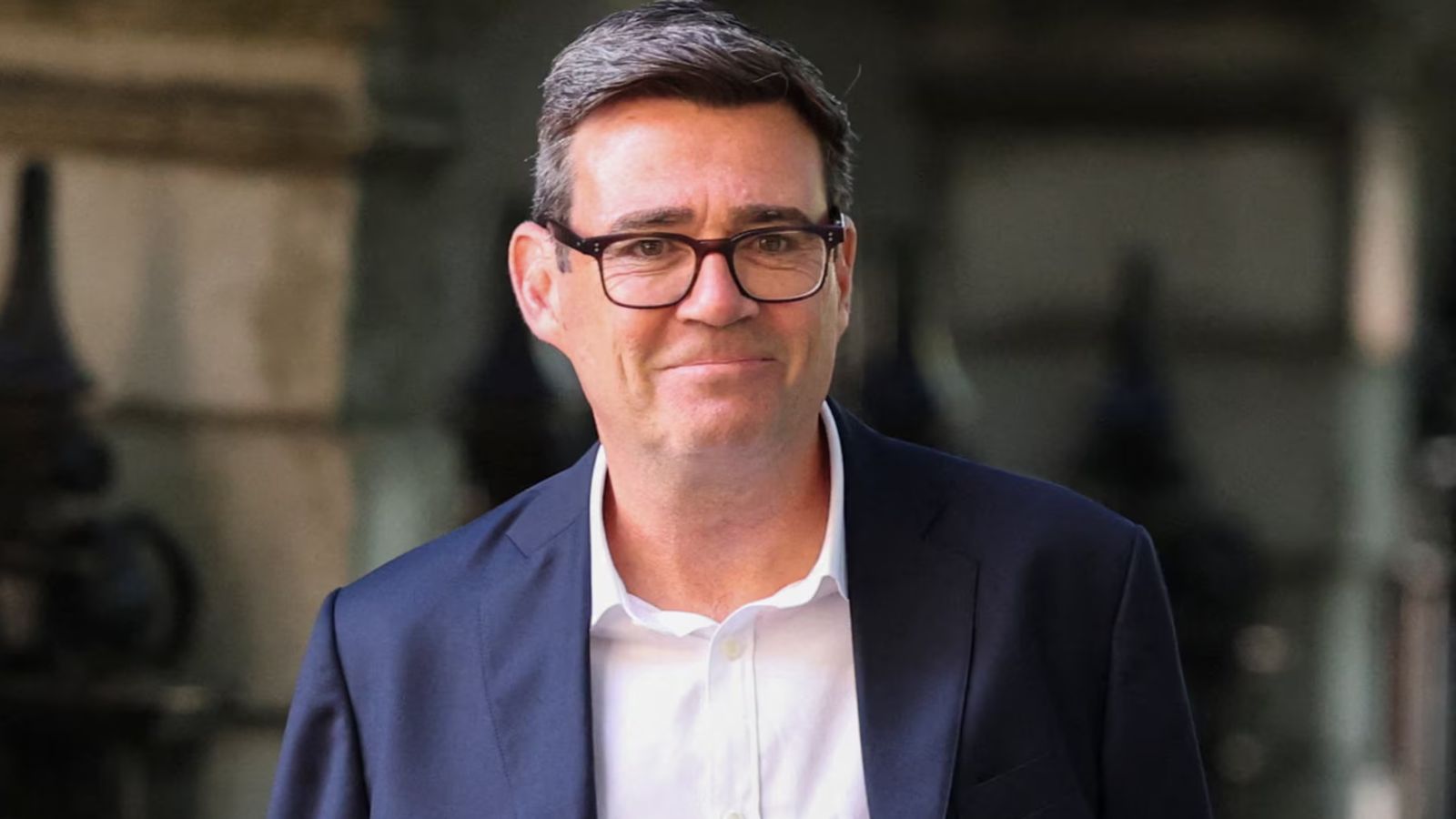
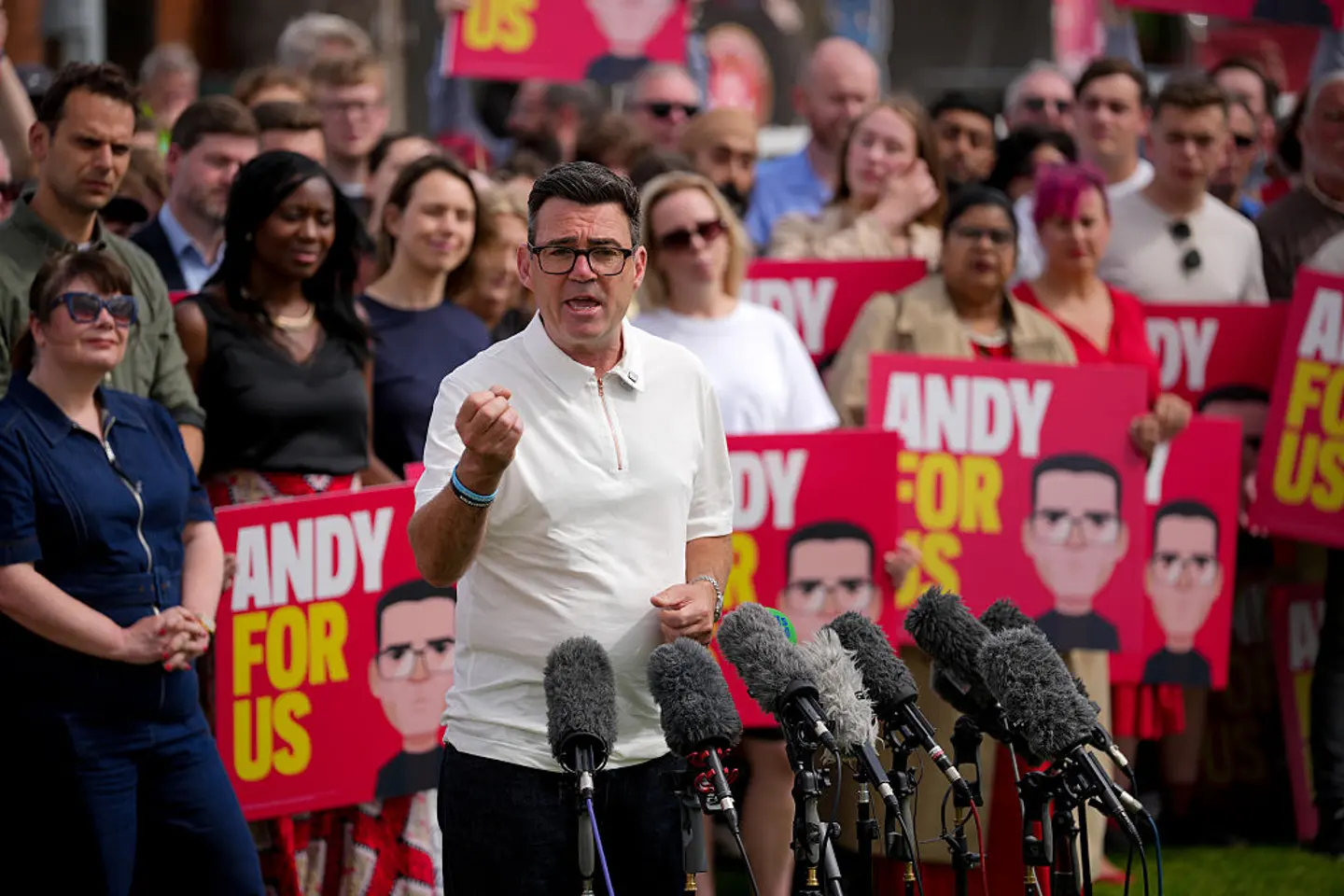
As of 2026, Andy Burnham is not the British Prime Minister. He serves as the Mayor of Greater Manchester, a regional political office he has held since May 2017. While rumors, leadership speculations, and hypothetical political scenarios frequently circulate regarding his potential return to Westminster, Keir Starmer remains the Prime Minister of the United Kingdom, and Burnham's current mandate is focused entirely on northern devolution and local governance.
Understanding the constitutional realities of British politics, the mechanics of how a politician becomes Prime Minister, and the actual career trajectory of Andy Burnham helps clarify why misconceptions regarding his current position persist. This analysis examines his current role, the structure of the UK political system, and the origins of recurring speculation surrounding his national ambitions.
The Constitutional Reality: Who Leads the United Kingdom?
To understand why claims regarding Andy Burnham holding the office of Prime Minister are inaccurate, one must examine how the British government is formed. Under the uncodified constitution of the United Kingdom, the Prime Minister is not elected directly by the national electorate in a presidential-style contest. Instead, the Prime Minister is the Member of Parliament (MP) who can command the confidence of the House of Commons. Typically, this is the leader of the political party that wins a majority of seats in a general election.
As of the political landscape in 2026, the Labour Party forms the government, having won the general election. Keir Starmer serves as the leader of the Labour Party and the Prime Minister. Andy Burnham, by contrast, is not currently an MP. To become Prime Minister, Burnham would first need to step down as Mayor of Greater Manchester, secure selection as a Labour parliamentary candidate in a constituency, win that seat in a general election or a by-election to re-enter the House of Commons, and subsequently win a leadership contest if the party leadership ever became vacant. Because none of these procedural steps have taken place, any assertion that he occupies Number 10 Downing Street is factually incorrect.
| Political Role | Current Holder (As of 2026) | Primary Responsibilities | Jurisdiction |
|---|---|---|---|
| Prime Minister of the United Kingdom | Keir Starmer | Head of government, cabinet leadership, national policy | National (UK-wide) |
| Leader of the Opposition | Determined by parliamentary standing | Holding the government to account, alternative government | National (UK-wide) |
| Mayor of Greater Manchester | Andy Burnham | Regional transport, housing, policing oversight, local economy | Greater Manchester City Region |
Andy Burnham’s Actual Role: Mayor of Greater Manchester
Andy Burnham’s political career shifted fundamentally in 2017 when he left national politics—where he had served as an MP for Leigh and held several high-profile cabinet positions under Labour governments, including Secretary of State for Health and Social Care—to run for the newly empowered position of Mayor of Greater Manchester.
In this regional role, Burnham has become one of the most prominent local leaders in the UK. His responsibilities include overseeing the integrated transport network (known as the Bee Network), managing regional spatial development strategies, working closely with local authorities on public health, and acting as a vocal advocate for northern devolution. His high visibility during national crises, such as the COVID-19 pandemic—where he frequently clashed with the central government over financial support for locked-down northern regions—earned him the moniker "King of the North" in media circles. This high-profile regional advocacy is often the root cause of widespread public interest and speculation regarding a potential return to national leadership.
Key Responsibilities of the Greater Manchester Mayoralty
- Transport Integration: Bringing buses, trams (Metrolink), and active travel routes under local public control.
- Devolving Powers: Negotiating deeper devolution deals with Whitehall regarding skills, employment, and housing budgets.
- Public Advocacy: Representing the interests of post-industrial towns and cities on the national stage.
- Policing and Justice: Setting the local police and crime plan in conjunction with the deputy mayor for policing.
Why Do Rumors About Burnham and Downing Street Persist?
The recurring narrative that Andy Burnham is destined to lead the Labour Party or become Prime Minister stems from a mixture of his past Westminster profile, his distinct political brand, and the nature of media commentary in the UK. Several factors drive these persistent rumors:
- High National Profile: Unlike many regional mayors who remain relatively obscure outside their localities, Burnham maintains a massive national media presence, frequently appearing on political broadcast programs and writing opinion columns.
- Policy Divergence: His willingness to challenge national party orthodoxy on certain issues—such as welfare policy or public ownership of utilities—positions him as a distinct ideological voice within the broader British left.
- Desire for Westminster Return: Political commentators frequently speculate on whether successful metro mayors will eventually seek a pathway back to Westminster, viewing regional leadership as a staging ground rather than a permanent career destination.
Despite these factors, Burnham has repeatedly stated his commitment to finishing his work in Greater Manchester. He secured re-election to a third term as mayor, cementing his immediate focus on regional governance rather than national parliamentary politics.
The Procedural Path from Metro Mayor to Prime Minister
For a reader trying to evaluate how a regional mayor could theoretically transition to the office of Prime Minister, it is useful to outline the strict institutional hurdles involved. The British political system maintains a strict separation between local executive mandates and national parliamentary leadership, even though both spheres are heavily intertwined through party politics.
- Resignation from Mayoral Office
- Securing a Safe Parliamentary Seat Nomination
- Winning a Westminster By-Election or General Election
- Gaining Support Among Parliamentary Labour Party (PLP)
- Winning a National Party Leadership Contest
- Commanding a Majority in the House of Commons
Without completing this exact sequence, no individual can claim the title of Prime Minister under the British constitutional framework. Because Burnham remains outside the House of Commons, this theoretical pathway remains entirely unexecuted.
Frequently Asked Questions
Is Andy Burnham an MP?
No, Andy Burnham is not a Member of Parliament. He resigned as the MP for Leigh in 2017 prior to running for the position of Mayor of Greater Manchester, and he does not hold a seat in the House of Commons.
What positions has Andy Burnham held in the past?
Before becoming Mayor of Greater Manchester, Burnham served as a Labour MP from 2001 to 2017. During his time in government, he held several ministerial posts, including Chief Secretary to the Treasury, Secretary of State for Culture, Media and Sport, and Secretary of State for Health and Social Care.
Can a regional mayor become Prime Minister of the UK?
Constitutionally, yes, any British citizen who can command a majority in the House of Commons can become Prime Minister. However, convention and practical politics dictate that a modern Prime Minister must be a sitting Member of Parliament, meaning a metro mayor would first need to resign their local post and win election to the House of Commons.
Who is the current Prime Minister of the United Kingdom?
Keir Starmer serves as the Prime Minister of the United Kingdom, following the Labour Party's victory in the general election.
Will Andy Burnham ever return to national politics?
While political commentators frequently speculate about his future ambitions, Burnham has emphasized his dedication to delivering his regional manifesto for Greater Manchester. Any future return to Westminster remains speculative and dependent on vacancies, personal decisions, and shifting political landscapes.
Conclusion and Next Actions
Claims asserting that Andy Burnham is the new British Prime Minister are factually incorrect. Keir Starmer holds the office of Prime Minister, while Burnham serves as the Mayor of Greater Manchester. When evaluating political news and social media claims regarding UK leadership changes, it is essential to verify current parliamentary representation, official government appointments, and constitutional procedures rather than relying on speculative commentary or recycled rumors. For accurate, real-time updates on British governance, consult parliamentary records via the official UK Parliament website.