As of 2026, life insurance policies originally issued through Andhra Bank are serviced and managed under the Union Bank of India framework following the 2020 merger. These policies, primarily provided through partners like IndiaFirst Life Insurance and LIC, maintain their original contractual terms, ensuring continued financial protection, maturity benefits, and death claim settlements for all policyholders.
The landscape of banking and insurance in India underwent a massive transformation with the amalgamation of several public sector banks. For those holding "Andhra Bank" branded life insurance policies, the transition to Union Bank of India (UBI) has been a significant administrative shift. While the brand "Andhra Bank" is no longer an active corporate entity, the legal obligations of the life insurance contracts remains intact. These policies are legally binding agreements between the policyholder and the insurance provider (the underwriter), with the bank acting as the corporate agent or bancassurance partner.
The Evolution of Andhra Bank Insurance: Understanding the Merger Impact
To understand Andhra Bank life insurance policies in 2026, one must first recognize the structural changes that occurred on April 1, 2020. On this date, Andhra Bank and Corporation Bank were merged into Union Bank of India. This consolidation created one of the largest banking networks in the country. For insurance customers, this meant that the "point of service" shifted from Andhra Bank branches to Union Bank of India branches.
From a policyholder’s perspective, the merger did not alter the core benefits of the insurance product. If you purchased a 20-year endowment policy in 2015 via an Andhra Bank branch, the insurance company (such as IndiaFirst Life) remains the risk carrier. The merger simply changed the intermediary. In 2026, all premium payments, address updates, and claim filings are processed through the Union Bank of India infrastructure or directly through the insurer’s digital portals.
It is vital to distinguish between the bank and the insurer. Andhra Bank never "issued" insurance; it "distributed" it. The actual policies are products of entities like IndiaFirst Life Insurance Company, the Life Insurance Corporation of India (LIC), or Star Union Dai-ichi Life Insurance. Consequently, the financial health of the bank does not directly impact the safety of the insurance policy, as insurance companies are governed by the Insurance Regulatory and Development Authority of India (IRDAI) under separate capital requirements.
Key Life Insurance Partners for Legacy Andhra Bank Customers
The primary insurance partner for Andhra Bank was IndiaFirst Life Insurance, a joint venture between Bank of Baroda, Union Bank of India (incorporating the stake previously held by Andhra Bank), and private equity firms. Understanding this partnership is essential for managing your policy today.
IndiaFirst Life Insurance: The Primary Legacy Partner
IndiaFirst Life has been the cornerstone of the insurance portfolio for Andhra Bank customers. In 2026, they continue to provide a wide range of products including term plans, wealth management plans, and retirement solutions. For legacy Andhra Bank customers, IndiaFirst remains the primary entity for policy inquiries. Their integration with the Union Bank digital ecosystem allows customers to view their policy details directly through the U-Mobile app.
Life Insurance Corporation of India (LIC)
Andhra Bank also had a long-standing relationship with LIC. Many older customers hold traditional LIC endowment or money-back plans purchased through their local Andhra Bank branch. These policies follow LIC’s standard operating procedures. While Union Bank still assists with these, LIC’s own branch network and online portal remain the most direct way to manage these specific legacy accounts.
Star Union Dai-ichi Life Insurance (SUD Life)
Following the merger, Star Union Dai-ichi—a joint venture between Bank of India, Union Bank of India, and Dai-ichi Life—became a more prominent partner. Some customers who were migrated from Andhra Bank to Union Bank may have been offered new policies from SUD Life as part of the bank’s updated product suite.
Types of Policies Explained
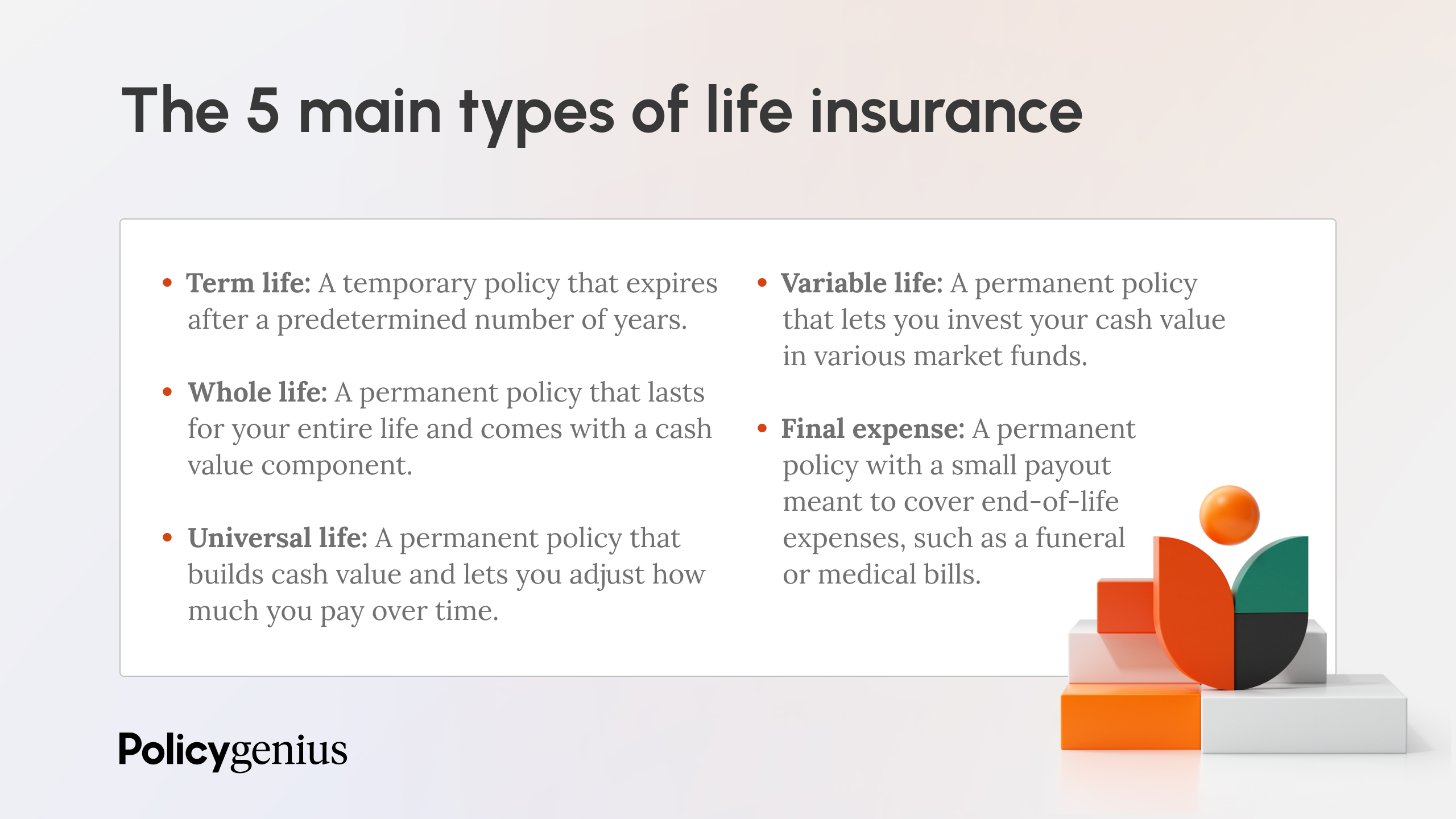
The insurance products distributed through the Andhra Bank network were categorized based on the financial goals of the customer. In 2026, these policies continue to be classified into four primary segments.
1. Term Insurance Plans
Term insurance is the simplest form of life insurance. It provides a high life cover (Sum Assured) for a specific period at a low premium. If the policyholder passes away during the policy term, the beneficiaries receive the death benefit.
- IndiaFirst Life Anytime Plan: A popular term product often sold through branches. It offers flexible cover and can be enhanced with riders like accidental death benefit.
- Suitability: These are essential for breadwinners who want to ensure their family’s financial security against the loss of income.
2. Unit Linked Insurance Plans (ULIPs)
ULIPs are hybrid products that combine life insurance with investment. A portion of the premium goes toward life cover, while the rest is invested in equity, debt, or balanced funds.
- Market Integration: In 2026, ULIPs from the Andhra Bank era are often managed through sophisticated online dashboards where customers can switch funds based on market performance.
- Lock-in Period: Most of these plans have a five-year lock-in period, after which partial withdrawals are permitted.
3. Endowment and Savings Plans
These are traditional plans that offer both a death benefit and a maturity benefit. They are less volatile than ULIPs because the returns are often "guaranteed" or supplemented by "reversionary bonuses."
- Maha Jeevan / Wealth Maximizer: Common names for products sold in the Andhra Bank era. These plans are designed for long-term goals like a child’s education or marriage.
- Guaranteed Additions: Many of these legacy plans accrue guaranteed additions for every year the policy remains in force, which are paid out at maturity.
4. Retirement and Pension Plans
These policies are focused on building a corpus for the post-retirement phase of life. They often include an "accumulation phase" where the corpus grows and an "annuity phase" where the customer receives regular payouts.
- Annuity Options: Policyholders can choose between immediate annuities or deferred annuities. In 2026, with increasing life expectancy, these plans have become critical components of financial planning for former Andhra Bank customers.
Comparison of Legacy Insurance Categories
| Policy Type | Primary Objective | Risk Level | Maturity Benefit | Ideal For |
|---|---|---|---|---|
| Term Life | Pure Protection | Low | None (usually) | High-cover protection for families |
| ULIPs | Wealth Creation | Moderate to High | Fund Value | Investors with 10-15 year horizons |
| Endowment | Disciplined Savings | Low | Sum Assured + Bonus | Conservative savers, goal-based planning |
| Pension/Annuity | Retirement Income | Low | Regular Income (Annuity) | Post-retirement financial stability |
Policy Management: How to Renew and Track Policies in 2026
Managing an "Andhra Bank" policy in 2026 requires navigating the Union Bank of India (UBI) ecosystem. The bank has successfully integrated the customer databases of the erstwhile Andhra Bank into its core banking solution (CBS).
Digital Servicing via U-Mobile
The U-Mobile app is the primary tool for policyholders. By linking your Customer ID (which was migrated from Andhra Bank), you can view all linked insurance policies. This includes:
- Premium Due Dates: Tracking when the next payment is required to avoid policy lapse.
- Premium Receipts: Downloading certificates for tax purposes under Section 80C.
- Fund Performance: For ULIP holders, viewing the current Net Asset Value (NAV).
Branch-Based Servicing
While digital is preferred, you can still visit any Union Bank of India branch. You do not need to find your original "Andhra Bank" branch; any UBI branch nationwide can facilitate premium collection and service requests. You will need your policy number and a valid ID (Aadhaar or PAN).
Direct Insurer Portals
For more complex requests like fund switching, nominee changes, or surrendering a policy, it is often more efficient to use the IndiaFirst Life or LIC customer portals. These platforms provide a direct line to the insurer’s back-office, bypassing the bank’s intermediary layer.
The Claims Process for Legacy Andhra Bank Policyholders
The most critical moment for any insurance policy is the claim settlement. In 2026, the process for filing a death claim or a maturity claim for a legacy Andhra Bank policy is standardized.
Step 1: Notification
The nominee or the policyholder (in case of maturity) must notify the insurer. This can be done at a Union Bank branch or via the insurer’s website. Immediate notification is crucial, especially in the case of accidental death.
Step 2: Documentation
The claimant must provide:
- Original policy document.
- Death certificate (for death claims).
- Claimant’s identity and address proof.
- Bank account details (Cancelled cheque) for Electronic Clearing Service (ECS) transfer.
- Physician’s statement or hospital reports (if applicable).
Step 3: Verification and Settlement
The insurance company verifies the documents. Under IRDAI regulations, insurers are mandated to settle claims within 30 days of receiving all necessary documents, provided there is no need for further investigation. For policies that have been in force for more than three years, Section 45 of the Insurance Act (Indisputability Clause) protects the claimant from the insurer rejecting a claim on the grounds of misstatement of facts.
Critical Considerations: Charges, Surrender Value, and Tax Benefits
Understanding the financial nuances of your legacy policy is essential for maximizing its value.
Surrender Value: If you wish to exit a policy before maturity, you will receive the "surrender value." For traditional plans, this is often significantly lower than the premiums paid if surrendered early. It is generally advised to keep policies in force to avoid heavy surrender charges, especially those issued under older regulatory regimes where charges were higher.
Tax Benefits: Under the prevailing tax laws of 2026, premiums paid for life insurance policies are generally eligible for tax deductions under Section 80C of the Income Tax Act (subject to the prevailing limits). Furthermore, the maturity amount or death benefit is typically tax-exempt under Section 10(10D), provided the premium does not exceed a certain percentage of the sum assured (usually 10%).
Lapsed Policies: If you missed premium payments during the merger transition, your policy might have lapsed. In 2026, most insurers offer "revival campaigns" where you can restart your policy by paying the overdue premiums and a small penalty, often without a fresh medical examination if the lapse period is short.
Common Pitfalls to Avoid
When dealing with legacy Andhra Bank insurance policies, avoid these common mistakes:
- Assuming the policy is void: Many customers mistakenly believe that because Andhra Bank no longer exists, their policy is defunct. This is incorrect; the contract is with the insurer.
- Ignoring Nominee Updates: If your original nominee has passed away or if your family situation has changed (marriage/divorce), ensure you update the nomination through a Union Bank branch.
- Losing the Policy Document: While digital copies are now common, the physical "First Policy Document" is still highly valued during the claim process. If lost, apply for a duplicate policy immediately.
FAQ
Can I still pay my Andhra Bank insurance premium at a Union Bank branch? Yes. All Union Bank of India branches are equipped to accept premium payments for legacy Andhra Bank insurance policies. You simply need to provide your policy number. The bank’s system will identify the insurer and process the payment accordingly.
How do I find my policy details if I lost my original Andhra Bank documents? You should visit your nearest Union Bank branch with your Aadhaar card and PAN. The bank staff can search the integrated database using your Customer Information File (CIF) or your linked savings account number to retrieve your insurance policy details.
Has the premium amount changed because of the bank merger? No. The premium amount is determined by the insurance contract signed at the time of purchase. A bank merger is an administrative change and does not give the insurance company the right to increase your premiums or alter the sum assured.
What happens if IndiaFirst Life Insurance changes its name or ownership? Even if the shareholders of the insurance company change, the company remains a legal entity responsible for your policy. The IRDAI ensures that any change in ownership or a merger between insurance companies protects the interests of existing policyholders.
Is it possible to transfer my policy from a Union Bank branch to another bank? You cannot "transfer" a bancassurance policy to another bank because the bank acts as the agent. However, the policy itself is portable in the sense that you can manage it independently of the bank through the insurer's website, regardless of where you maintain your savings account.
Practical Recommendation
If you hold a legacy Andhra Bank life insurance policy, your first action in 2026 should be to verify its status on the Union Bank of India 'U-Mobile' app. Ensure that your contact details, especially your mobile number and email address, are updated in the bank's records. This ensures you receive timely alerts regarding premiums and maturity dates. If you have a traditional paper-based policy, consider digitizing it through an e-Insurance Account (eIA). This IRDAI-mandated platform allows you to keep all your insurance policies in one place, safe from physical damage, and makes the claims process significantly smoother for your beneficiaries.