The safest and most effective alternatives to tanning beds include professional spray tans, at-home self-tanning mousses, tanning drops, and cosmetic bronzers. These methods utilize DHA (Dihydroxyacetone) to darken the skin’s surface layers without the DNA-damaging effects of ultraviolet (UV) radiation, providing a customized glow while significantly reducing skin cancer risks.
For decades, the pursuit of a "sun-kissed" glow led many to the controlled environment of a tanning bed. However, as we move through 2026, the medical consensus has never been clearer: there is no such thing as a "safe" tan from UV radiation. Tanning beds emit concentrated UVA and UVB rays that penetrate deep into the skin, causing premature aging, leathery texture, and a dramatic increase in the risk of melanoma and other skin cancers.
Fortunately, the sunless tanning industry has evolved significantly. Modern alternatives offer natural-looking results that avoid the "orange" tint associated with early formulations. By understanding the chemistry, application techniques, and product varieties available today, you can achieve a professional-grade tan without the health risks of traditional UV exposure.
The Shift Away from UV Tanning in 2026
By 2026, the beauty landscape has fully embraced "Skin-First" philosophies. The rise in public health awareness regarding the cumulative damage of UV exposure has shifted the market toward sunless alternatives. Tanning beds are increasingly regulated and, in many jurisdictions, banned for minors due to their classification as a Group 1 carcinogen by the World Health Organization.
The primary motivation for seeking alternatives is health. Ultraviolet radiation causes structural damage to the skin's DNA. When the skin darkens in response to UV rays, it is actually a defensive mechanism—an attempt to prevent further damage. Over time, this results in photoaging (wrinkles, dark spots, and loss of elasticity) and a heightened risk of skin cancer. Sunless alternatives bypass this damage entirely by interacting only with the outermost, dead layer of the skin.
Professional Spray Tanning: The Gold Standard
For those seeking the most even and long-lasting results, professional spray tanning remains the premier alternative to tanning beds. Unlike a bed, where you are responsible for your positioning, a professional spray tan involves a technician or an automated booth applying a fine mist of tanning solution to your body.
Custom Airbrush Tanning
In a custom airbrush session, a trained technician uses a handheld airbrush gun to apply the solution. This allows for "contouring," where the technician can apply slightly more product to areas like the obliques or collarbones to enhance muscle definition. This personalized approach ensures that difficult areas—such as the hands, feet, and elbows—do not become overly saturated or blotchy.
Automated Spray Booths
Modern spray booths in 2026 utilize heated technology and precise nozzles to ensure a quick, private experience. While less customized than a hand-sprayed tan, these booths are highly efficient and often more cost-effective for regular maintenance. They use voice prompts to guide the user through specific poses, ensuring 360-degree coverage.
Longevity and Maintenance
A professional spray tan typically lasts between 7 to 10 days. The longevity depends heavily on the "Maillard reaction"—the chemical process between the DHA in the solution and the amino acids in your skin cells. To maximize the life of a professional tan, it is essential to avoid long hot showers, chlorinated pools, and harsh exfoliation for the first week.
At-Home Self-Tanning Technologies
The convenience of at-home products has made them the most popular alternative to tanning beds. The science behind these products centers on Dihydroxyacetone (DHA), a colorless sugar that reacts with the stratum corneum (the skin’s surface layer).
Tanning Mousses and Foams
Mousses are favored for their lightweight texture and ease of application. Most come with a "color guard" or bronzer, which allows you to see exactly where the product has been applied. This visibility is crucial for preventing streaks. In 2026, many mousses are formulated with hyaluronic acid and ceramides, functioning as both a tanner and a high-end moisturizer.
Tanning Drops and Serums
Tanning drops offer the highest level of customization. These concentrated formulas are designed to be mixed with your existing daily moisturizer or facial cream. By adjusting the number of drops, you can control the depth of the tan. This is particularly useful for the face and neck, where skin is more sensitive and may require a lighter touch than the rest of the body.
Gradual Tanning Lotions
For those who are wary of a sudden change in skin tone, gradual tanners are an excellent entry point. These contain a lower concentration of DHA and are used in place of a standard body lotion. The color builds subtly over three to five days of daily application, allowing the user to stop once they have reached their desired shade.
The Chemistry of Sunless Tanning: Understanding DHA and Erythrulose
To choose the right alternative, it is helpful to understand what is happening on a molecular level. Most sunless tanners rely on DHA, which was first recognized as a skin-coloring agent in the 1920s but only perfected in recent years.
When DHA is applied, it reacts with the protein-rich dead skin cells on the surface. This reaction produces brown-colored polymers called melanoidins. Because these cells are naturally shed every few days, the tan fades as the skin regenerates.
Many high-end products in 2026 also include Erythrulose. This is another tanning agent that works more slowly than DHA. When used together, they provide a more nuanced, multi-dimensional color that lasts longer and fades more evenly than DHA alone.
Cosmetic Bronzers and Wash-Off Options
Not every alternative to a tanning bed needs to last a week. For one-off events or targeted areas, cosmetic bronzers provide an instant, risk-free solution.
- Body Makeup: Unlike self-tanners, body makeup acts like foundation for the skin. It can blur imperfections, veins, and bruises while adding color. It does not contain DHA and washes off with soap and water.
- Instant Bronzing Gels: These provide immediate color and are often transfer-resistant. They are ideal for individuals who want a tan for an evening out but prefer to return to their natural skin tone the next morning.
- Wash-Off Tanning Mists: These deliver a fine mist of color that sets quickly. They are excellent for the legs or arms when wearing clothing that exposes skin.
Safety and Best Practices for Sunless Tanning
While sunless tanning is exponentially safer than UV tanning, it requires specific techniques to achieve a natural look. Failure to prepare the skin can result in the "patchy" appearance that many fear.
Pre-Application Preparation
- Exfoliation: This is the most critical step. Since tanners react with the surface layer of the skin, an uneven layer of dead skin will result in an uneven tan. Use a physical scrub or an exfoliating mitt 24 hours before application.
- Hair Removal: Shaving or waxing should be done at least 24 hours in advance. This allows the pores to close, preventing the "dotted" look where tanner settles into open follicles.
- Barriers: Apply a thin layer of oil-free moisturizer to "problem areas" like the heels, knees, elbows, and knuckles. These areas tend to be drier and absorb more DHA, which can lead to dark patches.
Application and Aftercare
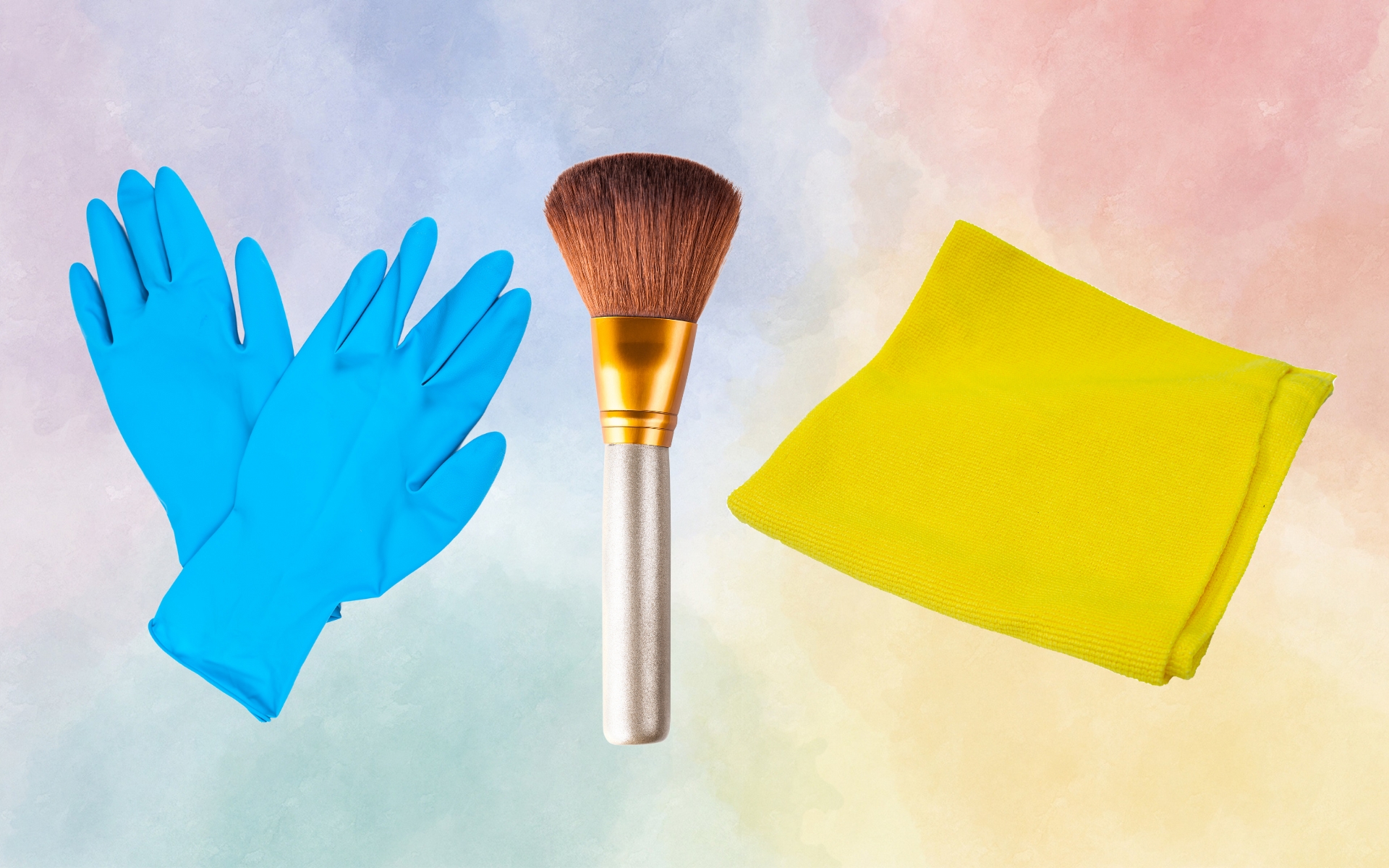
When applying at home, always use a tanning mitt. This protects the palms of your hands from staining and ensures a smoother distribution of the product. After application, wear loose, dark clothing to prevent the color guard from rubbing off on furniture or garments.
Important Note: A sunless tan does not provide UV protection. Even if your skin looks dark, it still has the same low SPF as your natural skin tone. You must continue to wear a broad-spectrum sunscreen with at least SPF 30 when going outdoors.
Comparison Table of Tanning Bed Alternatives
| Method | Application Type | Color Development | Typical Longevity | Best For |
|---|---|---|---|---|
| Custom Airbrush | Professional | Instant + 8-hour develop | 7–10 Days | Special events, full-body contouring |
| Self-Tan Mousse | At-Home (Mitt) | 4–8 Hours | 5–7 Days | Experienced users, deep color |
| Tanning Drops | At-Home (Mix) | Gradual | 3–5 Days | Facial tanning, customization |
| Gradual Lotion | At-Home (Hand) | 3–5 Days | Continuous | Beginners, daily maintenance |
| Body Makeup | At-Home (Hand) | Instant | Until washed | Immediate results, blurring flaws |
Frequently Asked Questions
Are tanning pills a safe alternative to tanning beds?
No, tanning pills are generally not recommended by dermatologists. Many contain high doses of canthaxanthin, a color additive that can turn the skin an unnatural orange-yellow and may cause serious side effects, including liver damage and crystalline deposits in the eyes. As of 2026, the FDA has not approved any tanning pills for the purpose of changing skin color.
Does a sunless tan protect me from getting a sunburn?
No. A sunless tan is purely cosmetic and does not increase your skin's natural melanin or its ability to block UV rays. You must apply a separate sunscreen if you plan to spend time outdoors. For more information on sun safety, refer to the Skin Cancer Foundation's guidelines.
Can I use self-tanner if I have sensitive skin or eczema?
Yes, but with caution. Look for "clean" formulations that are fragrance-free and hypoallergenic. In 2026, many brands offer "medical-grade" sunless tanners designed specifically for reactive skin. Always perform a patch test on a small area of skin 24 hours before a full application to ensure you don't have an adverse reaction to the DHA or other ingredients.
How do I remove a self-tan if it looks streaky?
If you make a mistake, you can use a dedicated "tan remover" mousse, which uses urea or fruit enzymes to break down the DHA bond. Alternatively, soaking in a warm bath with baby oil and then gently exfoliating with a mitt can help lift the pigment.
Is spray tanning safe during pregnancy?
Most medical professionals consider sunless tanning safe during pregnancy because the DHA stays on the surface of the skin and is not absorbed into the bloodstream in significant amounts. However, it is always best to consult with your healthcare provider first. When using a spray booth, ensure you are in a well-ventilated area and wear a mask to avoid inhaling the mist, as the effects of inhaling DHA are less studied.
Final Recommendation
The best approach to transitioning away from tanning beds is to start with a professional airbrush tan to understand how your skin reacts to sunless formulas. Once you are comfortable with the results, you can maintain that glow at home using tanning drops mixed into your daily moisturizer and a weekly mousse application. By prioritizing these UV-free methods, you protect your long-term skin health while achieving the aesthetic results you desire.
For further reading on the dangers of UV exposure and the benefits of sunless options, visit the American Academy of Dermatology (AAD) or the CDC’s resources on skin cancer prevention.