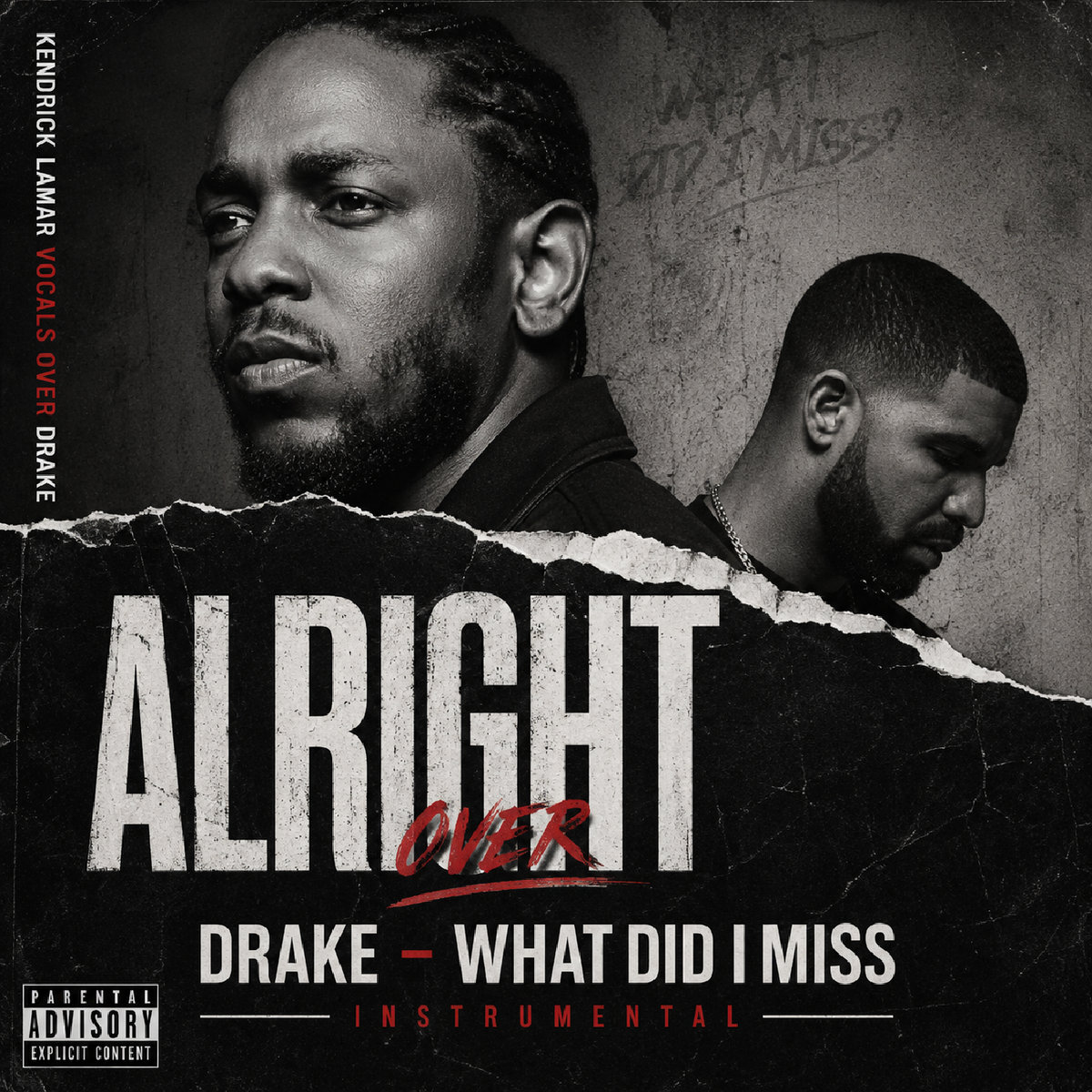
The song "Alright" by Kendrick Lamar is the seventh track on his critically acclaimed third studio album, To Pimp a Butterfly, released on March 15, 2015. Produced by Pharrell Williams and Sounwave, the track serves as a centerpiece for the album's themes of struggle, resilience, and spiritual hope.
Since its release over a decade ago, "Alright" has transcended its status as a mere radio single to become a global cultural phenomenon. While many listeners recognize its infectious "We gon' be alright" hook, understanding the album it belongs to is essential for grasping the song's full meaning. To Pimp a Butterfly (often abbreviated as TPAB) is a complex, jazz-fused tapestry of social commentary, and "Alright" provides the necessary emotional uplift within that dense narrative.
The Significance of To Pimp a Butterfly
To understand why "Alright" resonates so deeply, one must first look at the album that houses it. Released under Top Dawg Entertainment, Aftermath Entertainment, and Interscope Records, To Pimp a Butterfly followed Lamar’s major-label debut, good kid, m.A.A.d city. While his previous work was a cinematic narrative of growing up in Compton, TPAB shifted the lens toward the internal and external pressures of fame, racial injustice in America, and the artist's own spiritual journey.
The album is a departure from traditional West Coast hip-hop, leaning heavily into avant-garde jazz, funk, and spoken word poetry. "Alright" stands out as one of the more rhythmic and accessible tracks on the record, yet it maintains the sophisticated production standards set by the rest of the album. It was positioned strategically in the tracklist, arriving after the harrowing, self-reflective "u," where Kendrick explores his deepest insecurities and survivor's guilt. "Alright" acts as the response to that darkness—a declaration of perseverance in the face of systemic and personal adversity.
Production and Musical Composition
The sound of "Alright" is a collaborative masterpiece. Pharrell Williams, known for his work with The Neptunes and as a solo artist, provided the skeletal structure of the beat and the iconic vocal hook. Sounwave, Kendrick’s long-time producer and a core member of the Digi+Phonics production team, refined the track to fit the specific sonic aesthetic of To Pimp a Butterfly.
The track features:
- Jazz Influences: The song opens with a bright, staccato saxophone flourish provided by Terrace Martin, which immediately signals the album's jazz-rap fusion.
- Choral Layers: Pharrell’s "We gon' be alright" is layered with additional vocals that give the song a communal, gospel-like feel.
- Percussive Snap: The beat is characterized by a crisp, snapping percussion that contrasts with the fluid, busy basslines found elsewhere on the album.
Musically, the song manages to be both a club-friendly anthem and a sophisticated piece of composition. This duality allowed it to find success on the Billboard charts while remaining a favorite among music critics and scholars of African American studies.
Lyrical Themes: Hope Amidst Hardship
Lyrically, Kendrick Lamar uses "Alright" to address the sociopolitical climate of the mid-2010s, a period marked by high-profile instances of police brutality and the rise of the Black Lives Matter movement. However, the lyrics are also deeply personal.
Kendrick begins the song by referencing "forty acres and a mule," a nod to the unfulfilled promise of land and reparations for formerly enslaved people in the United States. From there, he moves into a discussion of his own temptations, personified as "Lucy" (Lucifer). He describes the struggle of maintaining his integrity while navigating the excesses of the music industry.
The chorus—"Nigga, we gon' be alright"—is not a dismissal of pain, but an acknowledgement of it. It is a mantra of survival. By the time the song reaches its climax, Kendrick is speaking directly to his community, offering a message of hope that is grounded in faith and collective strength. This message led the song to be chanted at protests across the world, cementing its place in the history of protest music alongside works by Nina Simone and Public Enemy.
The Iconic Music Video
The visual representation of "Alright" further solidified its place on To Pimp a Butterfly. Directed by Colin Tilley and released in June 2015, the music video is a seven-minute black-and-white cinematic short film. It captures the energy of Los Angeles and the tension between the youth and law enforcement.
Key visual elements include:
- The Floating Kendrick: Scenes of Kendrick Lamar floating through the streets of Los Angeles, seemingly untouchable by the gravity of his surroundings, symbolize a sense of spiritual transcendence.
- The Police Car: A powerful image shows four police officers carrying a car like a casket, with Kendrick and his TDE cohorts sitting on top. This serves as a commentary on the reversal of power dynamics and the weight of systemic authority.
- The Ending: The video concludes with Kendrick standing on a light pole before being "shot" down by a police officer’s finger-gun gesture. As he falls, he looks into the camera and smiles, reinforcing the song’s theme that even in death or defeat, the spirit remains "alright."
The video was nominated for Video of the Year at the 2015 MTV Video Music Awards and won Best Direction, highlighting the high level of artistry associated with the To Pimp a Butterfly era.
Critical Reception and Awards
"Alright" was a critical darling from the moment To Pimp a Butterfly was released. Critics praised its balance of heavy subject matter with an infectious, uplifting sound. In 2016, at the 58th Annual Grammy Awards, the song was nominated for four awards and won two:
- Best Rap Performance: Won
- Best Rap Song: Won
- Song of the Year: Nominated
- Best Music Video: Nominated
Kendrick’s performance of "Alright" at the 2015 BET Awards is also legendary. He performed on top of a vandalized police car, a provocative image that sparked significant debate in the media. Critics like Geraldo Rivera of Fox News famously criticized the performance, claiming that hip-hop had done "more damage to young African Americans than racism in recent years." Kendrick famously sampled these comments on his 2017 album, DAMN., using the controversy to further his artistic narrative.
Comparative Data: "Alright" within To Pimp a Butterfly
To better understand where "Alright" fits within the context of the album and Kendrick Lamar's discography, consider the following technical and chart data.
| Metric | Detail |
|---|---|
| Album | To Pimp a Butterfly |
| Track Number | 7 of 16 |
| Release Date | March 15, 2015 (Album), June 30, 2015 (Single) |
| Length | 3:39 |
| Label | TDE / Aftermath / Interscope |
| Producers | Pharrell Williams, Sounwave |
| Key Certifications | Platinum (RIAA) |
| Billboard Hot 100 Peak | #81 (Original release) |
| Grammy Wins | Best Rap Song, Best Rap Performance |
The Legacy of "Alright" in 2026
As we look back from the perspective of 2026, "Alright" remains the definitive protest song of the 21st century. Its longevity is a testament to the depth of the album To Pimp a Butterfly. While many pop songs from 2015 have faded into obscurity, "Alright" is still frequently analyzed in academic settings and played at significant social justice gatherings.
The song also marked a turning point in Kendrick Lamar’s career, establishing him not just as a talented lyricist, but as a "prophet" of modern hip-hop. It paved the way for his later works, including the Pulitzer Prize-winning DAMN. and the deeply introspective Mr. Morale & The Big Steppers. For many fans, the question of "which album" the song is on serves as an entry point into one of the most important musical bodies of work in the last several decades.
Frequently Asked Questions
Did Pharrell Williams write "Alright"?
Pharrell Williams co-wrote the song and produced the initial beat. He is also the voice behind the famous "We gon' be alright" hook. However, the verses and the overall lyrical concept were written by Kendrick Lamar. The collaboration between the two artists was seen as a "passing of the torch" in terms of innovative production and cultural relevance.
Is "Alright" considered a "protest song"?
Yes, "Alright" is widely considered one of the most significant protest songs of the modern era. Although Kendrick Lamar has stated in interviews that the song was intended as a message of hope for himself and his community, it was adopted by the Black Lives Matter movement and has been chanted at demonstrations globally.
Why is the song on To Pimp a Butterfly instead of good kid, m.A.A.d city?
To Pimp a Butterfly focuses on the aftermath of success and the broader social issues facing the Black community, which fits the themes of "Alright." good kid, m.A.A.d city was a more localized, linear story about Kendrick’s youth in Compton. "Alright" requires the grander, more experimental stage that TPAB provides.
Who is the "Lucy" mentioned in the lyrics?
In the context of To Pimp a Butterfly, "Lucy" is a personification of Lucifer (the devil). Kendrick uses this character throughout the album to represent the temptations of the music industry, such as money, fame, and power, which threaten to lead him away from his spiritual path.
How many Grammys did the song win?
"Alright" won two Grammy Awards: Best Rap Performance and Best Rap Song. It was also nominated for Song of the Year and Best Music Video, making it one of the most highly decorated tracks of Kendrick Lamar's career.
Final Recommendation
For those looking to experience "Alright" in its most powerful form, it is highly recommended to listen to To Pimp a Butterfly in its entirety from start to finish. The song gains immense emotional weight when heard immediately after the track "u," as it represents the transition from despair to resilience. Whether you are a long-time hip-hop head or a new listener, the album remains an essential piece of American musical history.