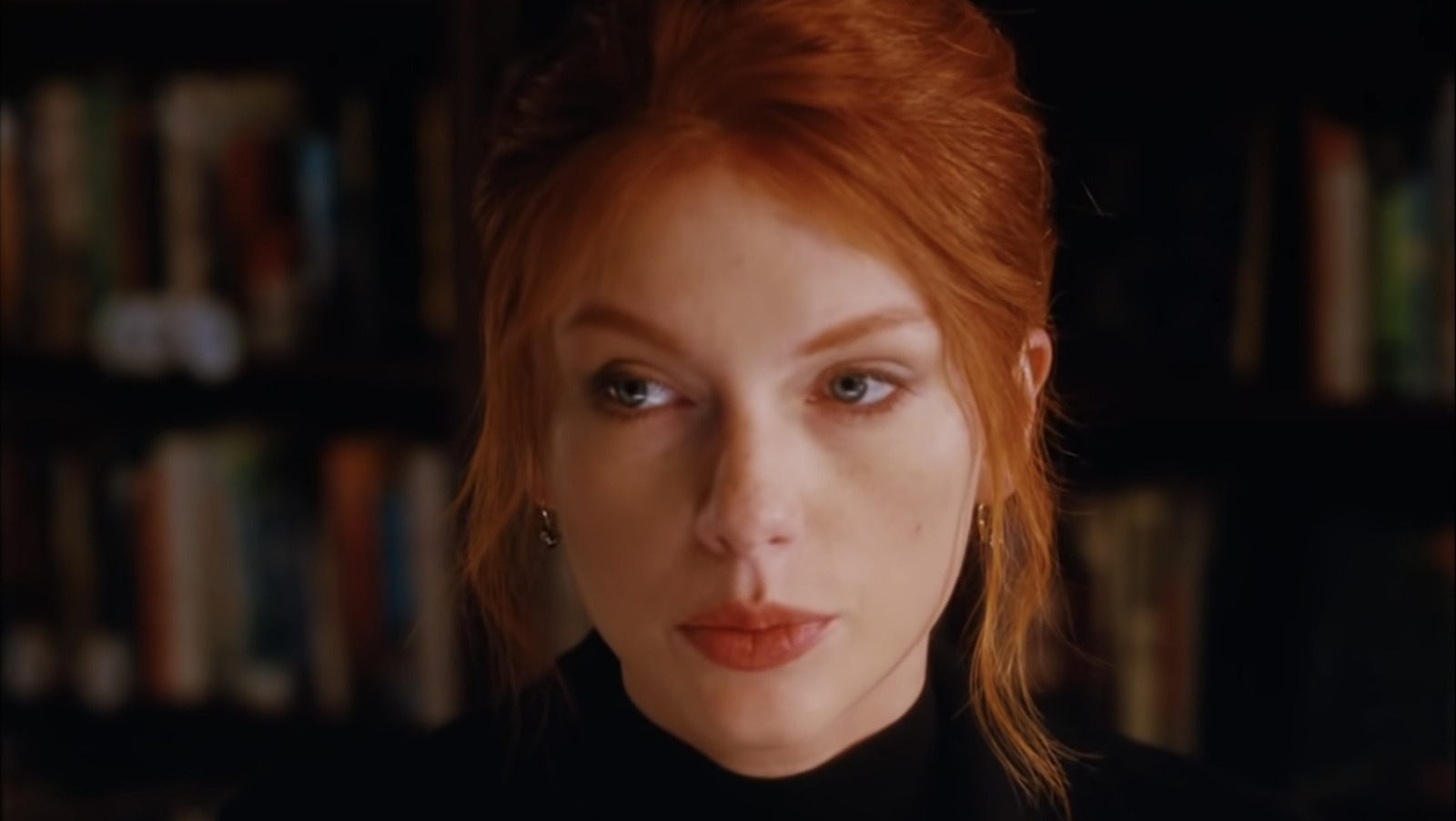
Taylor Swift’s All Too Well: The Short Film is a poignant, 15-minute exploration of a fractured relationship, elevated by Sadie Sink and Dylan O’Brien’s powerhouse performances. It transcends the music video genre through its use of 35mm film, a nostalgic 1.33:1 aspect ratio, and a deeply personal narrative that mirrors the "10 Minute Version" of the titular song.
Written and directed by Taylor Swift, the film serves as a visual anchor for her 2021 re-recording of the album Red. Since its release, it has been analyzed not just as a promotional tool for an album, but as a legitimate piece of short-form cinema that captures the universal cycle of first love, gaslighting, and eventual catharsis. As we look back from 2026, the film’s legacy remains a pivotal moment in Swift's transition from a world-class songwriter to a respected auteur in the film industry.
The Narrative Structure: A Journey Through Time and Trauma
The short film is divided into distinct chapters, indicated by title cards that mimic a classic novel. This structural choice reinforces the "storytelling" nature of the song, which has long been praised for its detailed, prose-like lyrics. By breaking the 15-minute runtime into segments such as "An Upstate Escape" and "The First Crack in the Glass," Swift allows the audience to breathe between the escalating emotional beats.
The story follows "Her" (Sadie Sink) and "Him" (Dylan O’Brien). The age gap between the two is immediately apparent, not just in their physical appearances but in their power dynamics. The film opens with a quote from Pablo Neruda: "Love is so short, forgetting is so long." This sets the thematic stage for a story that is less about the romance itself and more about the enduring, often painful, nature of memory.
In the early chapters, the film captures the "newness" of love with warm, autumnal tones. The chemistry between Sink and O’Brien is palpable, ranging from playful car rides to intimate moments by a fireplace. However, Swift is careful to plant seeds of unease. The way "Him" interacts with her—at times dismissive or overly preoccupied with his own social circle—foreshadows the eventual collapse of the relationship.
Technical Prowess: The Choice of 35mm and 1.33:1 Aspect Ratio
One of the most striking technical aspects of All Too Well: The Short Film is the cinematography by Rina Yang. Choosing to shoot on 35mm film provides a natural grain and texture that digital formats struggle to replicate. This choice makes the film feel like a discovered artifact from the past, perfectly aligning with the "memory" theme. The colors are rich and saturated, specifically the deep reds and oranges that define the Red era aesthetic.
The 1.33:1 aspect ratio, often referred to as the "Academy ratio," serves a dual purpose. First, it evokes a sense of nostalgia, mimicking old home movies or classic cinema. Second, it creates a sense of intimacy and, at times, claustrophobia. By tightening the frame, Swift forces the audience to focus entirely on the actors' faces. In moments of conflict, this tight framing emphasizes the isolation of Sadie Sink’s character, making the viewer feel trapped within the emotional turbulence of the relationship.
The Performances: Sink and O’Brien’s Emotional Depth
Sadie Sink delivers a career-defining performance as the younger version of the protagonist. Known for her work in Stranger Things, Sink brings a raw, vulnerable energy to the role. She manages to convey the transition from wide-eyed infatuation to soul-crushing realization without saying a word for much of the film. Her ability to "act with her eyes" is particularly evident during the dinner party scene, where she feels alienated by her partner’s older friends.
Dylan O’Brien provides a complex foil as the older boyfriend. He avoids the "cartoon villain" trope, instead playing the character with a charismatic yet manipulative edge. O’Brien’s performance highlights the subtle ways gaslighting occurs in relationships—the dismissive laughs, the shifting of blame, and the strategic use of affection to silence concerns. The contrast between his effortless confidence and Sink’s growing anxiety is the engine that drives the film’s tension.
The Kitchen Fight: A Break in the Music
The centerpiece of the film is an approximately two-minute dialogue scene that occurs in the middle of the song. The music fades out, leaving only the diegetic sound of a heated argument in a kitchen. This scene was largely improvised by Sink and O’Brien, and its inclusion is a bold directorial choice.
In this sequence, we see the relationship's toxicity in real-time. Sink’s character expresses hurt over him dropping her hand in front of his friends, and O’Brien’s character responds by calling her "insane" and "intense." The realism of the dialogue—the talking over one another, the circular logic—makes it difficult to watch but impossible to look away from. By muting the song for this confrontation, Swift proves that the story stands on its own merits even without the support of her iconic lyrics.
Symbolism and the "Red Scarf" Legacy
No review of All Too Well would be complete without addressing the symbolism of the scarf. In the film, the scarf is more than just a garment; it is a physical manifestation of innocence and the "leftovers" of a relationship. We see Sink leave it behind at "his sister’s house," and it reappears at the end of the film, worn by the older version of the male character.
The scarf represents the parts of ourselves we lose when a relationship ends. For the male character, keeping the scarf suggests an inability to fully let go or a desire to hold onto a version of the person he once knew. For the audience, the scarf has become a cultural touchstone, representing the specific, often mundane objects that take on Herculean emotional weight after a breakup.
Production and Creative Credits
The following table outlines the key technical and creative specifications of the short film, highlighting the team responsible for its distinct visual and auditory style.
| Feature | Specification |
|---|---|
| Director | Taylor Swift |
| Writer | Taylor Swift |
| Cinematographer | Rina Yang |
| Lead Cast | Sadie Sink, Dylan O’Brien, Taylor Swift |
| Runtime | 14 Minutes, 55 Seconds |
| Film Stock | 35mm |
| Aspect Ratio | 1.33:1 |
| Release Date | November 12, 2021 |
| Primary Location | Westchester County, New York |
Taylor Swift’s Evolution as a Director
All Too Well: The Short Film marked a significant turning point in Taylor Swift’s career. While she had co-directed many of her music videos previously, this project demonstrated a more sophisticated understanding of visual storytelling and pacing. Her direction is patient; she allows scenes to linger, trusting the actors to carry the emotional weight rather than relying on rapid-fire editing.
The transition from the 19-year-old character to the 32-year-old version of herself at the end of the film (played by Swift) is handled with grace. It transforms the story from a tragedy into a narrative of survival and artistic triumph. The final scene, showing the protagonist as a successful author reading from her book All Too Well, serves as a powerful meta-commentary on how Swift has used her own life experiences to build her career.
Comparison to Modern Music Cinema
When compared to other long-form music videos or visual albums, All Too Well stands out for its narrative linearity. Unlike Beyoncé’s Lemonade, which is more of a poetic, non-linear visual experience, or Kendrick Lamar’s short films that often lean into surrealism, Swift’s work is grounded in traditional kitchen-sink realism.
This approachability is part of why the film resonated so deeply. It doesn't require an intimate knowledge of Swift’s personal life to understand the pain of being "gaslit" or the frustration of a partner who refuses to grow up. It is a universal story told through a very specific lens, which is the hallmark of great songwriting and, as it turns out, great filmmaking.
Frequently Asked Questions
Why is the film shot in a square format?
The film uses a 1.33:1 aspect ratio, which creates a narrow, square-like frame. This was a deliberate choice by director Taylor Swift and cinematographer Rina Yang to evoke a sense of nostalgia and intimacy. The tight framing forces the audience to focus on the emotional expressions of the characters and creates a feeling of being "trapped" in the memories of the relationship.
Is the dialogue in the kitchen scene part of the song?
No, the dialogue in the kitchen scene is not part of the "All Too Well (10 Minute Version)" lyrics. The music actually stops completely during this segment to allow the argument between Sadie Sink and Dylan O’Brien to take center stage. Much of this dialogue was improvised by the actors to make the conflict feel more authentic and raw.
Who plays the older version of the characters?
In the final chapter of the film, "Thirteen Years Gone," the character of "Her" is played by Taylor Swift herself. The older version of "Him" is played by an actor whose face is largely obscured (though he is meant to represent the character previously played by Dylan O’Brien), emphasizing that while she has moved on and found her voice, he is still lingering in the past, wearing the scarf she left behind.
What awards did the short film win?
All Too Well: The Short Film was highly successful during the 2022-2023 awards circuit. It won the Grammy Award for Best Music Video and dominated the MTV Video Music Awards, winning Video of the Year, Best Direction, and Best Longform Video. It also qualified for and was considered for the Academy Award for Best Live Action Short Film, although it did not secure a nomination in that specific category.
Was the film actually shot on real film?
Yes, the production used 35mm film stock rather than digital cameras. This contributes to the "timeless" look of the project, providing a natural grain, organic light flares, and a depth of color that aligns with the autumnal, nostalgic themes of the Red album.
Final Recommendation
For those who have only heard the song, watching All Too Well: The Short Film is an essential experience to fully grasp the emotional architecture of the track. It is a rare example of a music-based film that adds substantive value to the source material rather than just acting as a visual accompaniment.
If you are looking for a masterclass in how to translate lyrics into visual beats, or if you simply appreciate high-quality short-form drama, this film is a must-watch. It remains a definitive piece of Swift’s creative legacy, proving that she is as capable of commanding a film set as she is a stadium stage. Moving forward, it serves as the primary blueprint for how modern musical artists can expand their storytelling into the cinematic realm without losing the personal touch that made them famous in the first place.