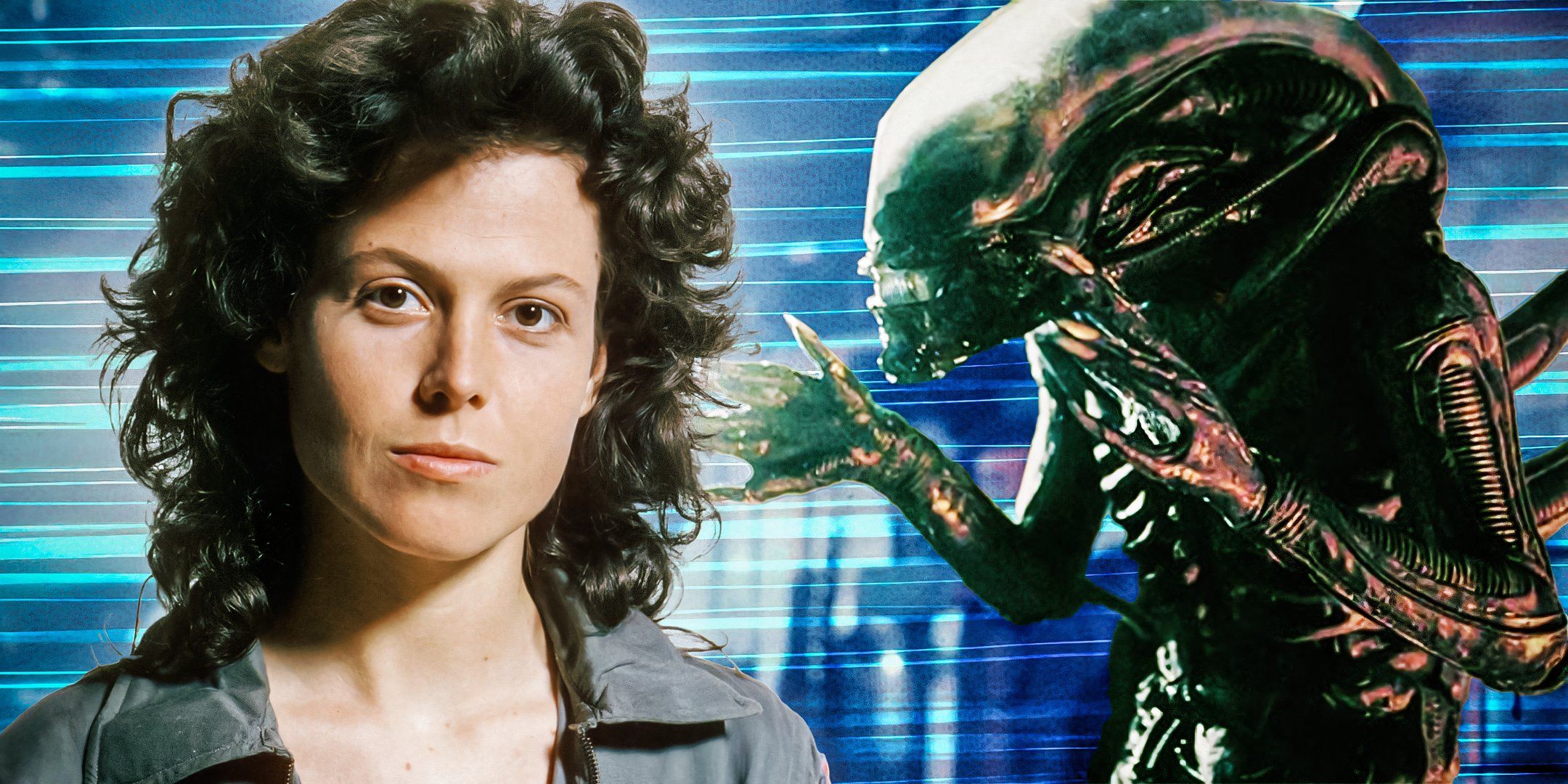
As of 2026, the Alien franchise consists of nine feature films that span nearly five decades of filmmaking. This includes the original "Quadrilogy," two high-concept prequels directed by Ridley Scott, the 2024 standalone entry Alien: Romulus, and two Alien vs. Predator crossover films. Together, they chronicle the terrifying encounters between humanity and the endoparasitoid extraterrestrial species known as the Xenomorph.
The Alien franchise is more than just a series of horror movies; it is a sprawling science-fiction epic that explores themes of corporate greed, artificial intelligence, motherhood, and the cosmic insignificance of man. Whether you are a newcomer looking to start your first binge-watch or a veteran fan seeking to reconcile the complex timeline, understanding the history and sequence of these films is essential for navigating the dark corners of the Weyland-Yutani universe.
The Original Alien Quadrilogy: The Foundation of Sci-Fi Horror
The core of the franchise is often referred to as the "Quadrilogy," following the character of Ellen Ripley (played by Sigourney Weaver) as she evolves from a warrant officer into a battle-hardened survivor.
Alien (1979)
Directed by Ridley Scott, the original Alien remains a masterclass in atmospheric horror. Set in the year 2122, the story follows the crew of the commercial tug Nostromo. After intercepting a distress signal from a desolate moon (LV-426), the crew inadvertently brings an organism aboard.
The film's success relied heavily on the "used future" aesthetic—a departure from the shiny, clean spaceships of previous sci-fi—and the haunting, biomechanical designs of Swiss artist H.R. Giger. By keeping the creature in the shadows for most of the runtime, Scott created a sense of claustrophobia that remains unmatched. It established the "Chestburster" as one of the most iconic moments in cinema history.
Aliens (1986)
Seven years after the original, James Cameron took the helm for the sequel, shifting the genre from "haunted house in space" to high-octane military action. Set 57 years after the first film, Aliens sees Ripley returning to LV-426 with a squad of Colonial Marines.
Cameron expanded the lore significantly by introducing the Alien Queen, establishing a hive hierarchy similar to social insects. The film explored Ripley’s trauma and her maternal instincts through her relationship with Newt, a young survivor. Aliens is frequently cited as one of the greatest sequels ever made, balancing character development with groundbreaking practical effects and animatronics by Stan Winston.
Alien 3 (1992)
The production of Alien 3 was notoriously troubled, marking the directorial debut of David Fincher. Abandoning the action-heavy approach of its predecessor, the film returned to a stripped-back horror tone. Set on the "prison planet" Fiorina 161, Ripley is the sole survivor of a crash landing, only to discover a Xenomorph was on board.
The film is known for its nihilistic tone, killing off major characters from the previous installment immediately. While the theatrical cut received mixed reviews, the Assembly Cut (released later) is highly regarded by fans for its deeper exploration of religious themes and Ripley’s ultimate sacrifice. It introduced the "Dog Alien" (or Runner), a quadrupedal variant born from a non-human host.
Alien Resurrection (1997)
Set 200 years after the events of Alien 3, this film, directed by Jean-Pierre Jeunet, uses a cloning conceit to bring Ripley back. Known as "Ripley 8," this clone possesses Xenomorph DNA, granting her enhanced strength and a psychic connection to the creatures.
Alien Resurrection is the most stylized and divisive of the original four. It explores the ethical boundaries of genetic engineering and features the controversial "Newborn" creature—a human-alien hybrid. While it lacks the sheer terror of the original, it offers a unique, dark-fantasy take on the mythos.
The Prequel Era: Exploring Origins and Engineers
In 2012, Ridley Scott returned to the franchise not to continue Ripley's story, but to explore the origins of the Xenomorph and the mystery of the "Space Jockey" seen in the 1979 film.
Prometheus (2012)
Prometheus serves as a grand-scale philosophical inquiry disguised as a sci-fi thriller. Set in 2093, the crew of the Prometheus follows a star map found in ancient human cave paintings, leading them to the moon LV-223. They hope to find the "Engineers," the beings who allegedly seeded life on Earth.
The film introduced David, an android played by Michael Fassbender, whose obsession with creation and disdain for his human creators becomes a central pillar of the new trilogy. While it featured creatures like the "Hammerpede" and the "Deacon," Prometheus was more interested in the "Black Goo" (Chemical A0-3959X.91 – 15)—a mutagenic pathogen that serves as the precursor to Xenomorph biology.
Alien: Covenant (2017)
Directly following the events of Prometheus, Alien: Covenant brought the franchise closer to its horror roots while continuing David’s dark odyssey. Set in 2104, a colonization ship lands on a remote planet, only to find David living in exile among the ruins of an Engineer civilization.
The film introduced the Neomorph, a paler, more feral ancestor of the Xenomorph. Covenant solidified the idea that the Xenomorph, as we know it, was not a natural evolution but a product of David's malicious biological experimentation. It remains a polarizing entry for its heavy focus on artificial intelligence over the titular creatures.
The Modern Revival: Alien: Romulus (2024)
After a hiatus from the big screen, the franchise saw a significant resurgence with Alien: Romulus, directed by Fede Álvarez. Released in 2024, the film was designed as a "bridge" between the events of Alien (1979) and Aliens (1986).
Romulus follows a group of young space colonists who scavenge a derelict Weyland-Yutani research station, only to come face-to-face with the universe's most terrifying lifeform. Álvarez, known for his work on Don't Breathe and Evil Dead, emphasized practical effects and tactile horror. The film was praised for returning the franchise to its survival-horror roots while providing a cohesive link between the original films and the prequels. By 2026, it is recognized as the entry that successfully revitalized interest in theatrical Alien releases, proving that the Xenomorph remains a potent box-office draw.
The Crossover Branch: Alien vs. Predator (AvP)
While the "mainline" films are generally treated as a single continuity, the Alien vs. Predator films exist in a separate, "what-if" timeline that blends the Alien lore with the Predator franchise.
- Alien vs. Predator (2004): Directed by Paul W.S. Anderson, this film posits that Predators have been visiting Earth for millennia, using Xenomorphs as "Great Hunt" prey in subterranean pyramids.
- Aliens vs. Predator: Requiem (2007): A direct sequel that brings the conflict to a small American town. It is best known for the introduction of the Predalien, a hybrid creature.
Most fans and the current creative leads (including Ridley Scott) consider the AvP movies to be non-canon to the primary Alien timeline, particularly because they contradict the timeline of space travel established in Prometheus.
Summary of the Alien Film Franchise
The following table provides a quick reference for all the Alien movies released through 2026, including their directors and their chronological placement in the fictional timeline.
| Movie Title | Release Year | Director | Chronological Timeline | Key Focus |
|---|---|---|---|---|
| Prometheus | 2012 | Ridley Scott | 2093 | The Engineers & Humanity's Origins |
| Alien: Covenant | 2017 | Ridley Scott | 2104 | David’s Experiments & Neomorphs |
| Alien | 1979 | Ridley Scott | 2122 | Survival Horror on the Nostromo |
| Alien: Romulus | 2024 | Fede Álvarez | 2142 | Scavengers on a Weyland-Yutani Station |
| Aliens | 1986 | James Cameron | 2179 | Action-Horror & the Alien Queen |
| Alien 3 | 1992 | David Fincher | 2179 | Nihilism & Prison Planet Survival |
| Alien Resurrection | 1997 | Jean-Pierre Jeunet | 2381 | Cloning & Hybridization |
| Alien vs. Predator | 2004 | Paul W.S. Anderson | 2004 (Alternate) | Crossover Action on Earth |
| AVP: Requiem | 2007 | The Brothers Straus | 2004 (Alternate) | Small-town Earth Invasion |
How to Watch All the Alien Movies: Suggested Orders
Depending on your preference for storytelling, there are two primary ways to consume the Alien franchise.
The Release Order
This is the recommended method for first-time viewers. It allows you to see the evolution of the filmmaking techniques, the changing portrayal of the Xenomorph, and the gradual expansion of the lore as it was intended for audiences over the decades.
- Alien (1979)
- Aliens (1986)
- Alien 3 (1992)
- Alien Resurrection (1997)
- Alien vs. Predator (2004)
- Aliens vs. Predator: Requiem (2007)
- Prometheus (2012)
- Alien: Covenant (2017)
- Alien: Romulus (2024)
The Chronological Order (Main Canon)
For those who want to follow the "history" of the Xenomorph from its origins to the distant future, this order follows the fictional dates within the films. Note that many fans omit the AvP films in this order to maintain a consistent narrative flow.
- Prometheus (Set in 2093)
- Alien: Covenant (Set in 2104)
- Alien (Set in 2122)
- Alien: Romulus (Set in 2142)
- Aliens (Set in 2179)
- Alien 3 (Set in 2179)
- Alien Resurrection (Set in 2381)
The Core Themes and Enduring Legacy
The Alien movies have survived for so long because they tap into primal fears. Unlike many other movie monsters, the Xenomorph is a "perfect organism"—as described by the android Ash in the first film. It has no conscience, no remorse, and no delusions of morality. It simply survives.
The Role of Weyland-Yutani
A recurring "villain" throughout the series is the Weyland-Yutani Corporation. Their slogan, "Building Better Worlds," stands in stark contrast to their actual goals: capturing a live Xenomorph for their bio-weapons division. The movies consistently suggest that while the Alien is dangerous, the corporate greed that seeks to harness it is the true evil.
The Evolution of the Android
From Ash (Ian Holm) and Bishop (Lance Henriksen) to David (Michael Fassbender) and Andy (David Jonsson in Romulus), artificial persons are central to the franchise. They serve as a mirror to humanity, questioning what it means to have a soul, a directive, or a sense of loyalty. David, in particular, transformed the prequel series into a gothic tragedy about a "son" surpassing his "father."
Technical Innovation
The franchise has always been at the forefront of cinema technology. Whether it was the ground-breaking miniatures and suits of the late 70s and 80s or the sophisticated CGI of the 2010s, Alien movies are a benchmark for visual effects. The decision by directors like Fede Álvarez and Christopher Nolan (who cites Alien as an influence) to prioritize practical sets and animatronics has ensured the films age far better than many of their contemporaries.
Frequently Asked Questions
Do I need to watch Prometheus and Covenant to understand the other movies?
No, you can enjoy the original Alien and its sequels without the prequels. However, Prometheus and Covenant provide significant backstory regarding the origins of the Xenomorph and the nature of the "Engineers" that adds context to the broader universe.
Is Alien: Romulus a sequel or a prequel?
Alien: Romulus is a "mid-quel." It takes place in 2142, which is 20 years after the first Alien (2122) and 37 years before the events of Aliens (2179). It functions as a standalone story that connects the aesthetic and narrative threads of both eras.
Are the Alien vs. Predator movies canon?
In the strict sense of the Ridley Scott-led films and the current Disney/20th Century Studios roadmap, the AvP movies are considered a separate continuity. They are not referenced in the prequels or Alien: Romulus.
Who created the Xenomorph?
According to Alien: Covenant, the specific iteration of the Xenomorph we see in the 1979 film was "perfected" by the android David using a mutagenic pathogen created by the Engineers. However, various expanded universe materials and earlier films suggest the Engineers or a natural evolutionary process may have created similar organisms much earlier.
What is the "Assembly Cut" of Alien 3?
The Assembly Cut is a version of Alien 3 released in 2003 as part of the Alien Quadrilogy DVD set. It restores over 30 minutes of footage, significantly changing the plot (including the animal the Alien is born from) and giving the characters much more depth. It is widely considered the superior version of the film.
Next Steps for Fans
If you have finished all the Alien movies and are looking for more, the franchise has expanded into other media that are often considered "soft canon." The video game Alien: Isolation (2014) is highly recommended as it follows Amanda Ripley (Ellen's daughter) and captures the atmosphere of the original film perfectly. Additionally, the 2025 television series Alien: Earth, helmed by Noah Hawley, offers a fresh perspective on the Xenomorph's first arrival on Earth, set roughly 30 years before the original movie.
For the best viewing experience in 2026, seek out the 4K Ultra HD restorations of the original films, which preserve the grain and detail of the practical effects while modernizing the color grading for high-dynamic-range displays.