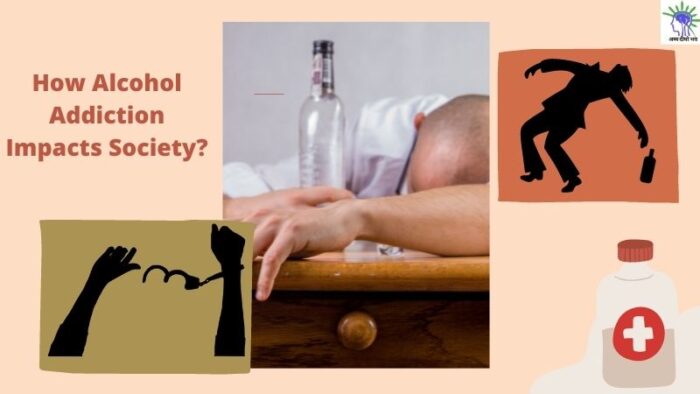
Alcoholism impacts society through a staggering combination of economic productivity losses, escalating healthcare expenditures, criminal justice burdens, and the erosion of family stability. Beyond the individual, it creates a "ripple effect" that strains public resources, reduces workplace safety, and contributes to intergenerational trauma and long-term public health crises.
Alcohol Use Disorder (AUD), frequently referred to as alcoholism, is not merely a private health concern; it is a systemic challenge that permeates every layer of the social fabric. As of 2026, the global community continues to grapple with the residual effects of shifting consumption patterns established in the early 2020s, which have solidified alcoholism as a primary driver of socioeconomic instability. To understand the depth of this issue, one must examine the intersection of clinical pathology, economic theory, and sociological shifts.
The Economic Burden: Productivity and Labor Markets
The most quantifiable impact of alcoholism on society is the sheer economic cost. National economies lose hundreds of billions of dollars annually due to alcohol-related issues. These costs are generally categorized into direct costs (healthcare and law enforcement) and indirect costs (lost productivity).
Lost Productivity and Workplace Safety
The workplace is often the first environment outside the home to feel the effects of AUD. Productivity loss manifests in two primary ways: absenteeism and presenteeism. Absenteeism refers to the days taken off due to hangovers, alcohol-related illnesses, or legal issues. Presenteeism, however, is often more insidious; it describes employees who are physically present but mentally impaired or fatigued, leading to poor decision-making and reduced output.
In 2026, the integration of high-risk industrial technology and remote digital infrastructure has made workplace sobriety even more critical. A single alcohol-related error in a logistics hub or a software development environment can lead to catastrophic financial losses or physical accidents. Furthermore, the "friction" caused by alcoholism—such as the need for frequent recruitment and retraining due to high turnover—places an additional hidden tax on businesses.
Premature Mortality and Lost Earnings
The most tragic economic consequence is the loss of potential. Alcoholism is a leading cause of premature death among working-age adults. When an individual dies prematurely due to alcohol-related liver disease, cardiovascular failure, or accidents, the economy loses decades of potential labor, innovation, and tax revenue. This loss of human capital stunts national GDP growth and places a higher tax burden on the remaining workforce to sustain social safety nets.
Healthcare Systems Under Pressure
Healthcare infrastructure worldwide faces a continuous "revolving door" phenomenon driven by alcohol consumption. Alcoholism is linked to over 200 health conditions, including various cancers, cirrhosis of the liver, and neurological disorders.
Acute vs. Chronic Care
Societal healthcare costs are split between acute emergency care and long-term chronic management. Emergency departments frequently handle alcohol-poisoning cases, withdrawal seizures, and trauma resulting from alcohol-fueled violence or motor vehicle accidents. These acute cases consume significant resources, often diverting attention and funding from other critical medical needs.
Chronic care for AUD-related conditions is equally demanding. Treating chronic liver disease or alcohol-related dementia requires long-term specialized care, medications, and sometimes organ transplants. As medical technology advances in 2026, the costs of these sophisticated treatments have risen, further straining public and private insurance pools.
The Mental Health Nexus
Alcoholism is frequently co-occurring with other mental health disorders, such as depression, anxiety, and PTSD. This "dual diagnosis" requires integrated treatment models that are more expensive and complex than treating a single condition. When society fails to provide these integrated services, the result is often a cycle of relapse, increasing the cumulative cost of care over an individual’s lifetime.
Public Safety and the Criminal Justice System
The relationship between alcohol and crime is well-documented and remains a significant societal burden. A substantial percentage of violent crimes, including domestic abuse, assault, and homicide, involve alcohol consumption by either the perpetrator or the victim.
Impaired Driving and Road Safety
Despite decades of public awareness campaigns and the rise of autonomous safety features in 2026 vehicles, impaired driving remains a leading cause of road fatalities. The societal cost of a single fatal accident involves emergency response, forensic investigation, legal proceedings, and the long-term emotional and financial support for surviving victims. The legal system spends billions annually on processing DUI (Driving Under the Influence) offenses, maintaining specialized "sobriety courts," and managing correctional facilities.
Violence and Social Disorder
Alcohol acts as a disinhibitor, which can escalate minor disagreements into violent confrontations. In urban environments, high concentrations of alcohol outlets are often correlated with increased rates of public disorder and nuisance crimes. This necessitates a higher police presence, draining municipal budgets that could otherwise be allocated to community development or education.
| Impact Category | Primary Societal Consequences | Estimated Economic Influence |
|---|---|---|
| Workplace | Absenteeism, accidents, decreased innovation, high turnover. | High (Loss of GDP) |
| Healthcare | Liver disease, ER overcrowding, mental health comorbidities. | Very High (Direct Expenditure) |
| Public Safety | DUI fatalities, domestic violence, violent assaults. | High (Justice System Costs) |
| Family | Intergenerational trauma, child neglect, divorce. | Moderate to High (Social Services) |
| Education | Cognitive impairment in youth, lower graduation rates. | Moderate (Long-term growth) |
The Erosion of Family and the Social Fabric
While economic and legal costs are easily measured, the sociological impact of alcoholism is perhaps more profound. Alcoholism is often described as a "family disease" because its effects radiate outward to spouses, children, and extended kin.
Adverse Childhood Experiences (ACEs)
Children growing up in households affected by alcoholism are at a significantly higher risk for Adverse Childhood Experiences (ACEs). These include neglect, witnessing domestic violence, and emotional instability. Research updated through 2026 confirms that children from these environments are more likely to struggle with educational attainment, develop their own substance use disorders, and suffer from chronic health conditions in adulthood. This creates a cycle of poverty and trauma that can persist for generations.
Domestic Stability and Social Services
Alcoholism is a leading factor in marital breakdown and divorce. The resulting single-parent households or foster care placements place immense pressure on social service agencies. The state often must step in to provide child protective services, housing assistance, and psychological counseling for broken families. The "social capital"—the networks of trust and support within a community—is significantly weakened when a high percentage of the population is struggling with AUD.
Alcoholism in the Context of 2026: Modern Challenges
As we navigate 2026, new challenges have emerged in the fight against alcohol’s societal impact. The digital availability of high-potency alcohol and the normalization of "at-home drinking" cultures have shifted the visibility of alcoholism from public bars to private residences. This makes intervention more difficult for social services and employers.
The Rise of Telemedicine and AI Interventions
On a positive note, society has begun to leverage technology to mitigate these impacts. AI-driven screening tools and 24/7 digital support groups have lowered the barrier to entry for treatment. For more information on modern treatment standards, the National Institute on Alcohol Abuse and Alcoholism (NIAAA) provides comprehensive resources on evidence-based recovery.
Policy and Regulation
Governments in 2026 are increasingly viewing alcohol through a "harm reduction" lens similar to tobacco. This includes adjusting excise taxes to reflect the true societal cost of the product and implementing stricter regulations on alcohol marketing, particularly in digital spaces frequented by minors.
Frequently Asked Questions
How does alcoholism affect the national economy?
Alcoholism affects the national economy primarily through lost productivity and increased healthcare spending. According to the Centers for Disease Control and Prevention (CDC), excessive alcohol consumption costs the United States nearly $250 billion annually. About 72% of these costs are attributed to lost workplace productivity, while the remainder is split between healthcare, criminal justice, and motor vehicle crashes.
What is the link between alcoholism and domestic violence?
Alcohol functions as a potent disinhibitor that can increase the frequency and severity of domestic violence. While alcohol does not "cause" violence in a vacuum, it often exacerbates underlying tensions and impairs judgment, making violent outbursts more likely. Studies consistently show that a high percentage of intimate partner violence incidents involve at least one party who has been drinking.
How does parental alcoholism impact child development?
Children of parents with AUD often experience "toxic stress," which can alter brain development. This leads to higher rates of anxiety, depression, and learning disabilities. Socially, these children may have difficulty forming healthy attachments and are statistically more likely to marry an individual with an addiction or develop one themselves, perpetuating the cycle of AUD.
Why are alcohol-related healthcare costs increasing in 2026?
Healthcare costs are rising due to the long-term nature of alcohol-related illnesses. Conditions like alcoholic hepatitis and various cancers require years of expensive management. Additionally, as the population ages, the cumulative damage of lifelong alcohol use becomes more prominent, requiring more intensive geriatric and palliative care services.
Can workplace interventions reduce the societal impact of alcoholism?
Yes. Employee Assistance Programs (EAPs) and supportive workplace policies can identify AUD early, before it leads to total disability or job loss. By providing a pathway to treatment rather than immediate termination, businesses can retain experienced staff and reduce the broader economic impact of unemployment and social dependency.
Strategic Recommendations for Societal Mitigation
To effectively reduce the impact of alcoholism on society, a multi-pronged approach is necessary. Policymakers should prioritize the following actions:
- Investment in Early Intervention: Shifting focus from late-stage crisis management to early screening in primary care settings can significantly reduce long-term healthcare costs.
- Expanding Integrated Care: Strengthening the link between mental health services and addiction treatment ensures that the root causes of AUD are addressed, reducing the likelihood of relapse.
- Public Education on ACEs: Educating the public and educators about the impact of parental alcoholism can help in identifying at-risk children sooner, providing them with the resilience tools needed to break the generational cycle.
- Taxation and Regulation: Implementing "Pigovian taxes" on alcohol—where the tax rate is tied to the societal harm caused—can provide a dedicated revenue stream for recovery programs and public safety initiatives.
Addressing the impact of alcoholism is not just a matter of individual recovery; it is a vital necessity for the health, safety, and economic prosperity of society as a whole.