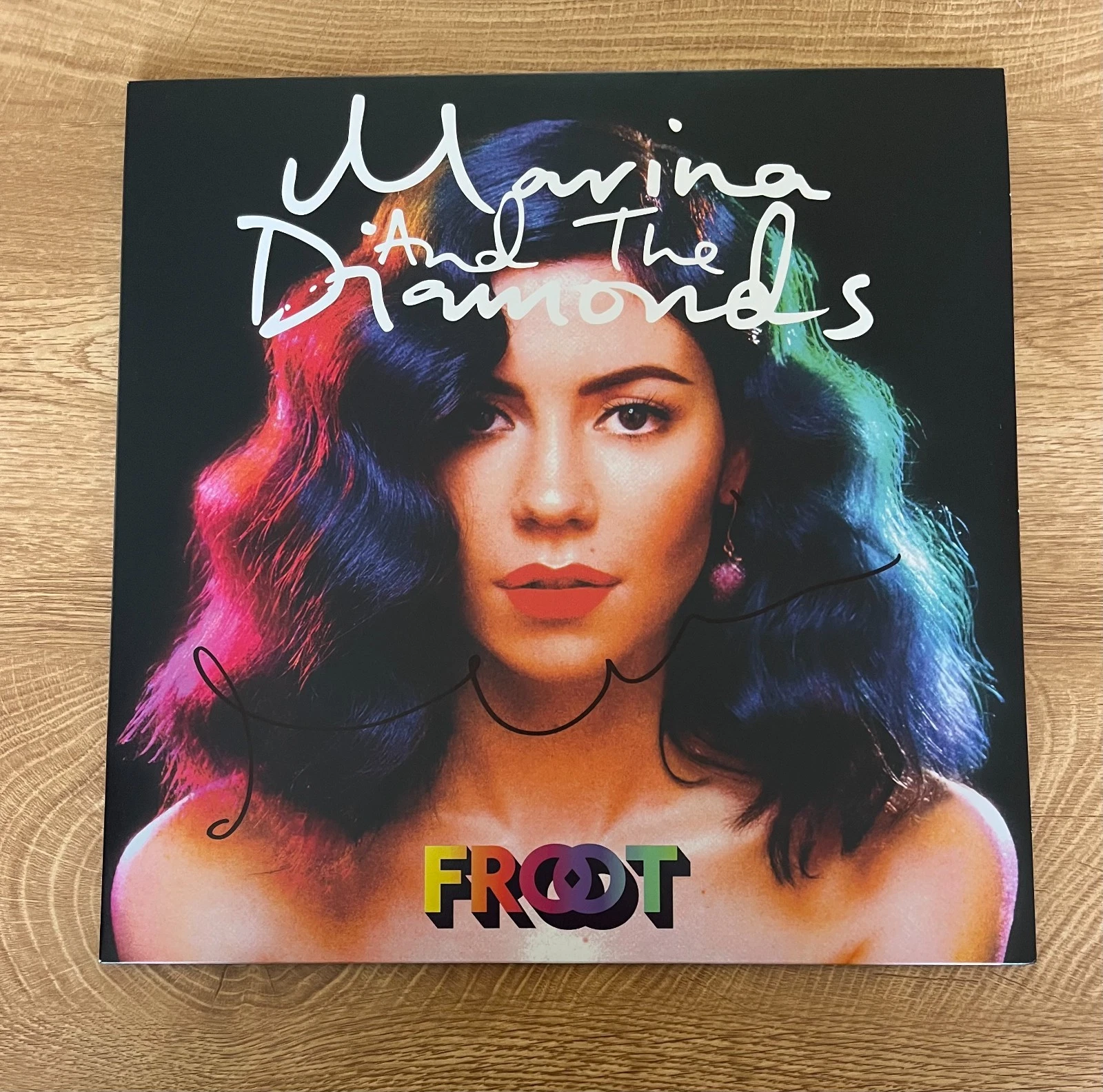
In the United States, a Diamond certification is awarded by the Recording Industry Association of America (RIAA) to albums that have shifted at least 10,000,000 certified units. This elite milestone combines traditional physical sales, digital downloads, and track-equivalent or stream-equivalent units, representing the highest echelon of commercial success in the American music industry.
The Diamond Award was established in 1999 to recognize the massive commercial scale achieved by the industry's most popular releases. Since then, the criteria have evolved from purely "shipped" physical copies to a complex formula that accounts for the digital and streaming landscape. As of 2026, reaching Diamond status remains one of the most difficult achievements for a recording artist, requiring sustained cultural relevance over years or even decades.
The Evolution of RIAA Certification Standards
To understand how an album reaches Diamond status, one must understand the RIAA's tiered certification system. The hierarchy begins with Gold (500,000 units), followed by Platinum (1,000,000 units), and Multi-Platinum (2,000,000 units or more). Diamond is technically 10x Platinum.
The Shift to Streaming Equivalence
For much of the 20th century, certifications were based strictly on physical shipments to retailers (minus returns). However, in the 21st century, the RIAA modernized its methodology to reflect consumer behavior. Under the current rules used in 2026, the "unit" is defined as follows:
- One Physical or Digital Album Sale: 1 unit.
- Track Equivalent Album (TEA): 10 permanent track downloads from an album count as 1 unit.
- Streaming Equivalent Album (SEA): 1,500 on-demand audio and/or video streams from an album count as 1 unit.
This multi-faceted approach ensures that legacy acts (who sold millions of CDs) and modern stars (who dominate streaming platforms) are measured on a comparable playing field. However, many critics note that older albums often have a "head start" because they accumulated millions of physical sales before the era of digital piracy and fragmented listening.
The Double-Disc Rule
A significant technicality in Diamond certifications is the treatment of multi-disc sets. According to RIAA guidelines, each disc in a multi-album set counts as one unit toward certification, provided the total playing time exceeds 100 minutes. This explains why certain collections, such as OutKast's Speakerboxxx/The Love Below or Pink Floyd's The Wall, reached Diamond status faster than their single-disc counterparts; they essentially only needed to sell 5 million physical copies to be credited with 10 million units.
The All-Time Leaders: Greatest Hits and Studio Giants
The list of Diamond-certified albums is dominated by a few recurring names and specific genres, primarily Rock, Country, and Pop. As of 2026, the competition for the highest-certified album in U.S. history remains a two-horse race between The Eagles and Michael Jackson.
The Battle for the Top Spot
For decades, Michael Jackson’s Thriller held the title of the best-selling album in the United States. However, the Eagles' Their Greatest Hits (1971–1975) reclaimed the lead in recent years. Currently, the Eagles' compilation sits at 38x Platinum (nearly four times Diamond), while Thriller remains at 34x Platinum. These figures are periodically updated as the RIAA audits sales and streaming data.
Garth Brooks: The Diamond King
No discussion of Diamond albums is complete without Garth Brooks. Brooks holds the record for the most Diamond-certified albums by a single artist. As of 2026, he has nine Diamond albums, including No Fences, Ropin' the Wind, and The Hits. His success is often attributed to his refusal to put his music on major streaming services for many years, which forced fans to buy physical copies or digital bundles, thereby inflating his "unit" count through traditional sales.
The Beatles: The Gold Standard
The Beatles hold the record for the most Diamond albums by a group, with six titles reaching the mark. These include Sgt. Pepper's Lonely Hearts Club Band, Abbey Road, and the compilation album 1. Their enduring popularity across generations has allowed their catalog to continue selling and streaming at high volumes decades after their disbandment.
Notable Diamond-Certified Albums by Category
The following table highlights a selection of the most significant Diamond-certified albums in the U.S. across different eras and genres.
| Artist | Album Title | Certification Level | Release Year |
|---|---|---|---|
| Eagles | Their Greatest Hits (1971–1975) | 38x Platinum | 1976 |
| Michael Jackson | Thriller | 34x Platinum | 1982 |
| Eagles | Hotel California | 26x Platinum | 1976 |
| AC/DC | Back in Black | 25x Platinum | 1980 |
| Led Zeppelin | Led Zeppelin IV | 24x Platinum | 1971 |
| The Beatles | The Beatles (White Album) | 24x Platinum | 1968 |
| Billy Joel | Greatest Hits Volume I & II | 23x Platinum | 1985 |
| Pink Floyd | The Wall | 23x Platinum | 1979 |
| Garth Brooks | Double Live | 21x Platinum | 1998 |
| Shania Twain | Come On Over | 20x Platinum | 1997 |
| Fleetwood Mac | Rumours | 20x Platinum | 1977 |
| Adele | 21 | 14x Platinum | 2011 |
| Eminem | The Marshall Mathers LP | 11x Platinum | 2000 |
| Taylor Swift | Fearless | 10x Platinum | 2008 |
| Usher | Confessions | 10x Platinum | 2004 |
The Soundtrack Phenomenon
Soundtracks have historically been some of the most consistent performers in the Diamond category. Because they often feature a variety of popular artists and tie into a blockbuster cultural moment, they appeal to a broader demographic than standard studio albums.
- The Bodyguard (Whitney Houston/Various): Certified 18x Platinum, this album remains the best-selling soundtrack of all time. Driven by the massive success of "I Will Always Love You," it stayed at number one on the Billboard 200 for 20 weeks.
- Saturday Night Fever (Bee Gees/Various): Certified 16x Platinum, this album defined the disco era and remains a cornerstone of the Diamond list.
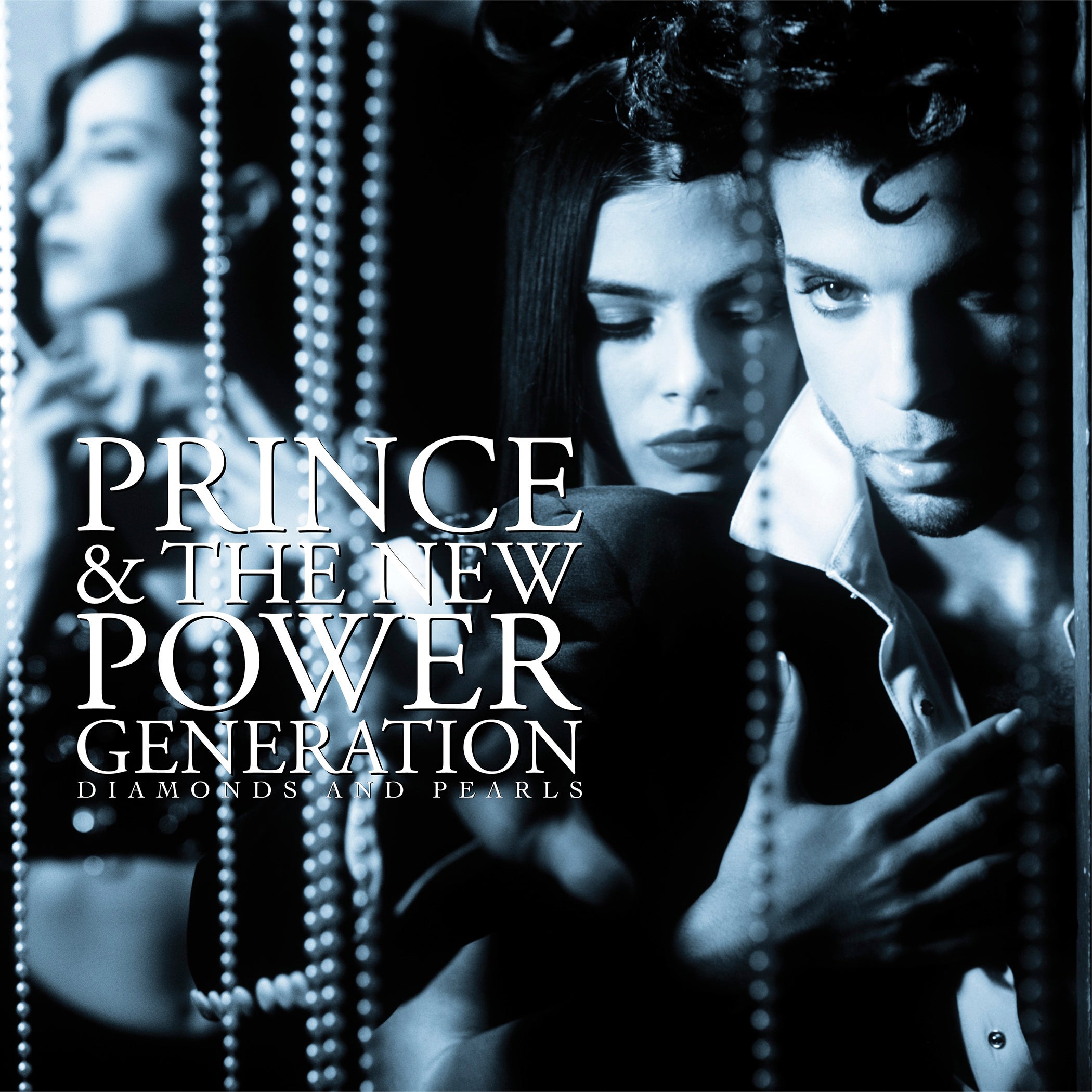
- Purple Rain (Prince and the Revolution): Certified 13x Platinum, this album is a rare example of a soundtrack that is also considered a definitive studio masterpiece by a single artist.
The Modern Era: How 21st-Century Artists Reach Diamond
In the physical era, an album could go Diamond in a matter of months if the hype was sufficient. In the streaming-dominated market of 2026, the path to 10 million units is often a "slow burn."
Adele and the Last of the Physical Giants
Adele is one of the few artists in the 21st century to achieve Diamond status through massive physical and digital sales. Her album 21 reached Diamond status in less than two years, a feat almost unheard of in the modern age. Her follow-up, 25, also achieved the milestone, making her one of the only artists to have two Diamond albums in the digital era.
The Rise of Hip-Hop in the Diamond Club
For a long time, Hip-Hop was underrepresented in the Diamond category. That has changed as the RIAA began counting streams. Eminem leads the genre with several Diamond certifications, including The Eminem Show and The Marshall Mathers LP. More recently, artists like Drake, Post Malone, and Taylor Swift (who spans Pop and Country) have seen their older catalogs cross the 10-million mark thanks to the cumulative power of billions of streams.
Post Malone and the Streaming Juggernaut
Post Malone has become a "Diamond machine" in the 2020s. While some of his albums are still working toward the 10-million unit mark, his individual singles have broken records for Diamond certifications. This highlights a new trend in the industry: "Diamond Singles" are now more common than "Diamond Albums," as consumers increasingly favor playlists over full-album listening.
Factors That Influence Diamond Certification
Reaching Diamond is not just about popularity; it is about logistical and administrative factors.
- Auditing Requirements: The RIAA does not automatically grant certifications. A record label must request an audit and pay a fee to have the sales and streams verified. Some legendary albums likely qualify for higher certifications but haven't been audited in years.
- Catalog Longevity: Most Diamond albums are "catalog" titles, meaning they continue to sell 50,000 to 100,000 units a year for decades. Examples include Bob Marley’s Legend or Journey’s Greatest Hits.
- Cultural Ubiquity: Albums that become the "default" purchase for new music fans—such as Nirvana’s Nevermind or Metallica’s Black Album—eventually cross the Diamond threshold through sheer persistence.
Common Myths About Diamond Albums
There are several misconceptions regarding how these awards are handed out and what they represent.
- "Shipment vs. Sales": Historically, RIAA counted shipments to stores. If a store bought 100 copies and sold only 10, the RIAA still counted all 100. However, modern digital tracking and returns processing have made the numbers much more accurate to actual consumer consumption.
- Global vs. US Sales: A Diamond certification from the RIAA is strictly for sales and streams within the United States. While Michael Jackson’s Thriller has sold over 60 million copies worldwide, only its 34 million U.S. units count toward its RIAA certification.
- The "Diamond Artist" Label: Sometimes an artist is called "Diamond" because of a single. This is different from having a Diamond album. A single only needs 10 million units of that specific song, whereas an album requires the collective total of all tracks and the album itself to reach 10 million.
Expert Guidance: How to Track Certifications
For fans and researchers looking to verify the current status of an album in 2026, the RIAA Gold & Platinum Database is the only official source.
If you are tracking a specific artist's progress toward Diamond:
- Check the "Units" column in the database rather than just the certification date.
- Look for "Recent Certifications" to see if a label has recently paid for an audit of an older title.
- Compare Billboard 200 year-end charts with RIAA data; sometimes an album is eligible for Diamond but the label has not yet filed the paperwork.
Frequently Asked Questions
Which artist has the most Diamond albums in the US?
Garth Brooks holds the record for the most Diamond-certified albums with nine. He is followed by The Beatles, who have six. Garth Brooks' achievement is particularly notable because he reached this milestone largely through physical album sales and a controlled distribution model that emphasized full-album purchases.
What is the fastest an album has gone Diamond?
Adele's 25 is one of the fastest-selling albums in history. It sold over 3.3 million copies in its first week alone and was certified Diamond by the RIAA in under a year (approximately 10 months). This broke the previous record held by No Strings Attached by NSYNC, which took roughly 21 months to reach the 10-million mark.
Does a "Double Diamond" award exist?
While "Double Diamond" is a colloquial term used to describe an album that has reached 20 million units (20x Platinum), the RIAA does not issue a physically different "Double Diamond" award. They continue to use the Diamond designation or specify the number of Platinum units (e.g., 20x Platinum). Shania Twain’s Come On Over and Fleetwood Mac’s Rumours are famous members of this 20-million-plus club.
How do streaming numbers count toward Diamond status?
The RIAA uses a formula where 1,500 on-demand streams (audio or video) equal one "unit." This means that for an album to go Diamond through streaming alone, its songs would need to be streamed 15 billion times. Most Diamond albums in the 2020s reach the milestone through a combination of legacy physical sales and modern streaming numbers.
Can a debut album go Diamond?
Yes, several debut albums have achieved Diamond status. Notable examples include Appetite for Destruction by Guns N' Roses, Whitney Houston by Whitney Houston, and Boston by Boston. These albums were immediate cultural phenomena that maintained high sales volumes for years after their initial release.
Final Recommendation for Music Researchers
If you are analyzing the commercial health of the music industry in 2026, do not rely solely on Diamond certifications as a measure of a modern artist's current popularity. Because Diamond status requires 10 million units, it is increasingly a "lifetime achievement" award rather than a reflection of a single year's success. For current trends, refer to the Billboard 200 and the weekly RIAA update feed to see which albums are moving from Platinum to Multi-Platinum, as these are the Diamond contenders of the next decade.