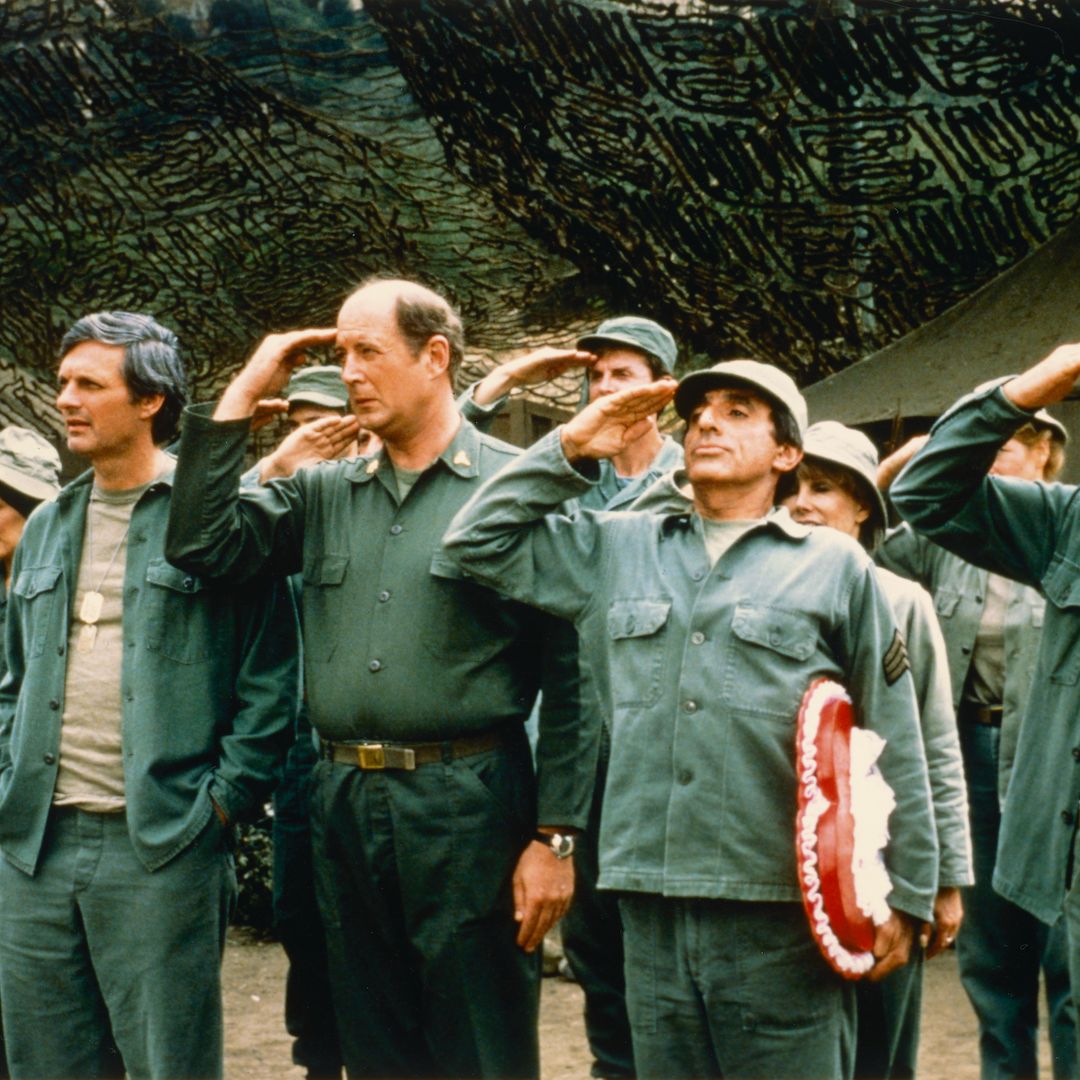
Alan Alda’s young photos and early career records reveal the transformation of Alphonso Joseph D'Abruzzo into one of America’s most beloved cultural icons. Long before MASH*, Alda honed his craft in Vaudeville wings, off-Broadway theaters, and the US Army Reserve, developing the unique blend of wit and empathy that defined his legendary career.
For many fans, Alan Alda is synonymous with Benjamin Franklin "Hawkeye" Pierce, the wisecracking yet deeply human surgeon of the 4077th. However, viewing Alan Alda’s young photos—from his days as a student at Fordham University to his early Broadway headshots—offers a window into a disciplined artist who spent nearly two decades refining his skills before becoming a household name. In 2026, as we look back at his seven-decade journey in the arts, the visual history of his youth serves as a testament to the grit required to succeed in the mid-century American entertainment landscape.
The Vaudeville Influence and Early Childhood
To understand the young Alan Alda, one must first look at his father, Robert Alda (born Alphonso Giuseppe Giovanni Roberto D'Abruzzo). Robert was a successful actor and singer who found fame in Vaudeville and later on Broadway as Sky Masterson in Guys and Dolls. Young Alan, then known as Alphonso, spent a significant portion of his childhood in the wings of theaters.
Photos from this era often show a young boy with sharp features and an observant gaze, watching his father perform. This exposure to the "family business" provided an unconventional education. He learned the rhythm of comedy, the importance of timing, and the grueling reality of the traveling performer's life. However, his childhood was not without significant struggle. At the age of seven, Alan contracted polio during a severe epidemic.
His recovery involved a painful treatment regimen known as the Sister Kenny method, which involved hot woolen wraps applied to the limbs. This period of his life, though physically agonizing, instilled in him a profound sense of resilience. Early family photos post-recovery show a lean, determined young man, moving past the physical limitations of his childhood illness to pursue a career that would eventually require immense physical and mental stamina.
Education and the Transition to Alan Alda
By the time he entered Fordham University in the mid-1950s, he had already begun using the professional name "Alan Alda," a contraction of his first name and the first two letters of his surname (Al + Da). His college years were a period of intense intellectual and creative growth.
The Fordham and Sorbonne Years
At Fordham, Alda was an active member of the university's theater scene. Photos from the Fordham yearbook show him looking polished and academic, yet always with a hint of the performer in his eyes. During his junior year, he participated in a study abroad program in Paris, studying at the Sorbonne. It was during this European tenure that he performed alongside his father in various stage productions, further bridging the gap between his role as a student and his future as a professional actor.
The US Army Reserve Service
A significant but often misunderstood chapter of Alda’s early life is his military service. Long before he wore the dog tags of Hawkeye Pierce, Alan Alda was a real-life soldier. After graduating from Fordham in 1956, he joined the US Army Reserve. He served a six-month tour of duty as a second lieutenant in the Signal Corps, stationed in Korea.
While his service occurred after the signing of the Korean Armistice Agreement, his time in the country provided him with a firsthand perspective on the landscape and the atmosphere of a post-war military environment. Photos of a young Lieutenant Alda in uniform offer a striking contrast to the disheveled, anti-authority persona of Hawkeye Pierce he would later inhabit. This real-world experience undoubtedly informed his performance in MASH*, allowing him to ground the show's comedy in a palpable sense of military reality.
The New York Stage and the Rise of an Improv Pioneer
Returning to New York in the late 1950s, Alda began the arduous process of establishing himself as a serious actor. This era of his career is captured in classic black-and-white headshots that highlight his dark hair, intense eyes, and the expressive face that would eventually become his trademark.
He sought out diverse opportunities, eventually landing a spot with the famed improvisational comedy troupe, The Second City, in Chicago. This was a pivotal moment in his development. Improv required quick thinking, active listening, and a collaborative spirit—traits that Alda would carry into his writing and directing later in life.
Broadway Milestones
Alda's Broadway career began to gain momentum in the early 1960s. He made his debut in The Family Way (1959) and followed it with several notable performances:
- Purlie Victorious (1961): Playing the role of Charlie Cotchipee, Alda showcased his ability to handle socially conscious material alongside comedy.
- The Apple Tree (1966): This performance earned him his first Tony Award nomination for Best Actor in a Musical. Photos from this production show a versatile Alda, capable of carrying a lead role in a high-stakes Broadway environment.
These years were defined by a "working actor" mentality. He wasn't yet a superstar, but he was a respected peer among New York’s elite theatrical community.
Early Screen Roles: Before the 4077th
While theatre was his primary focus, Alda began making inroads into television and film throughout the 1960s. These early screen appearances are fascinating for modern viewers, as they reveal a younger, often more experimental version of the actor.
One of his most significant early film roles was in The Paper Lion (1968), where he played George Plimpton, the writer who famously tried out for the Detroit Lions. Photos from this film show Alda in full football gear, capturing the lanky athleticism and fish-out-of-water charm that he perfected early in his career. This role was a breakthrough, proving he could carry a major motion picture.
In television, he appeared in various guest spots and was a regular on the satirical series That Was the Week That Was (1964–1965). These roles allowed him to flex his political and social commentary muscles, which would later become a hallmark of his creative output.
Timeline of Alan Alda’s Early Career Milestones
The following table outlines the key events in Alan Alda's life and career leading up to his casting in MASH*.
| Year | Milestone | Category | Significance |
|---|---|---|---|
| 1936 | Born Alphonso Joseph D'Abruzzo | Life | Born into a Vaudeville family in New York City. |
| 1943 | Contracts Polio | Life | Shaped his resilience and perspective on physical health. |
| 1956 | Graduates Fordham University | Education | Completed B.A. in English; studied in Paris. |
| 1957 | US Army Reserve Service | Military | Served in Korea as a 2nd Lieutenant in the Signal Corps. |
| 1958 | Marriage to Arlene Weiss | Life | Began one of Hollywood's most enduring marriages. |
| 1959 | Broadway Debut | Stage | Appeared in The Family Way. |
| 1961 | Purlie Victorious | Stage | Notable role as Charlie Cotchipee. |
| 1966 | The Apple Tree | Stage | Received first Tony Award nomination. |
| 1968 | The Paper Lion | Film | First major leading role in a feature film. |
| 1972 | Premiere of MASH* | TV | Beginning of his international stardom. |
The Visual Evolution: Analyzing the "Young" Photos
When we look at Alan Alda’s young photos today, we see more than just a lack of wrinkles or a fuller head of hair. We see the evolution of a performance style.
- The 1950s Professionalism: Photos from his early 20s reflect the formal era of the 1950s. He is often seen in suits, with neatly combed hair, reflecting the "leading man" expectations of the time.
- The 1960s Artistic Shift: As the 1960s progressed, his look became more relaxed and expressive. In photos from his improv days and Broadway runs, you can see the "Alda smirk" beginning to emerge—that half-smile that suggests he knows something the rest of the room hasn't quite figured out yet.
- The 1970s Iconic Image: By 1972, the "young" Alda transitioned into the definitive image of the decade. The longer hair, the sideburns, and the olive drab fatigues of MASH* became his most recognizable silhouette.
His early career was a masterclass in preparation. By the time he was cast as Hawkeye at the age of 36, he was not a "newcomer." He was a seasoned veteran of the stage, a student of the Sorbonne, a veteran of the Army, and a father of three. This depth of life experience is exactly what allowed him to take a sitcom character and turn him into a profound commentator on the human condition.
The Enduring Legacy of the Young Alan Alda
In 2026, Alan Alda continues to be a vital force in the arts and sciences. His work with the Alan Alda Center for Communicating Science at Stony Brook University and his popular podcast, Clear+Vivid, show that his thirst for knowledge and communication has never waned.
However, looking back at his early career is essential for aspiring actors. It reminds us that "overnight success" is usually twenty years in the making. The photos of him in small New York theaters or on a dusty military base in Korea remind us that every great career is built on a foundation of smaller, quieter moments.
Alda’s early years were spent learning how to listen, how to react, and how to stay curious. Whether he was playing George Plimpton or a young man in the Broadway ensemble, he was developing the tools that would eventually win him six Emmy Awards and three Golden Globes.
Frequently Asked Questions
What was Alan Alda’s first big break?
While he had several notable roles, many critics consider his performance in the 1966 Broadway musical The Apple Tree as his first major "break." It earned him critical acclaim and his first Tony nomination, proving his versatility as a singer and actor. His lead role in the film The Paper Lion (1968) was his first major cinematic success.
Did Alan Alda change his name legally?
Alan Alda was born Alphonso Joseph D'Abruzzo. He adopted "Alan Alda" as a professional name early in his career, combining "Al" from Alan and "Da" from D'Abruzzo. This is a common practice in the entertainment industry to create a more memorable and easily pronounced stage name.
Was Alan Alda actually in the military?
Yes. Alan Alda served in the US Army Reserve for six months following his graduation from Fordham University in 1956. He was a second lieutenant in the Signal Corps and was stationed in South Korea. While he did not see combat, his time in Korea provided a real-world foundation for his later work on MASH*.
What did Alan Alda do before MAS*H?
Before MASH*, Alda was a highly successful stage actor in New York, a member of The Second City improv troupe, and a film actor. He had appeared in movies like The Mephisto Waltz and The Paper Lion, and was a frequent guest on various television talk shows and variety programs.
How did Alan Alda’s early career influence his writing?
Alda’s background in improvisational comedy (The Second City) and his experience as a working actor in socially conscious plays like Purlie Victorious deeply influenced his writing style. He became known for writing MASH* episodes that blended sharp, rapid-fire humor with poignant, dramatic themes, a direct reflection of his diverse training.
Practical Recommendation: Exploring the Alda Archives
For those interested in a deeper look at Alan Alda’s early career, there are several ways to engage with his legacy beyond just viewing photos:
- Read "Never Have Your Dog Stuffed": Alda’s first memoir provides an incredibly candid look at his childhood, his battle with polio, and his early struggles in the acting world. It is the best source for the "stories behind the photos."
- Watch Early Guest Appearances: Many of his 1960s television appearances, including clips from That Was the Week That Was, are available in digital archives and provide a glimpse of his early comedic timing.
- Listen to Clear+Vivid: While this is a modern project, Alda frequently references his early training and the lessons he learned about communication during his theater days. It provides context for how those early years shaped the man he is in 2026.
By studying the early photos and career of Alan Alda, we see the blueprint of a legend. His journey from a young boy in the Vaudeville wings to a global icon serves as an enduring inspiration for anyone pursuing a life in the creative arts.