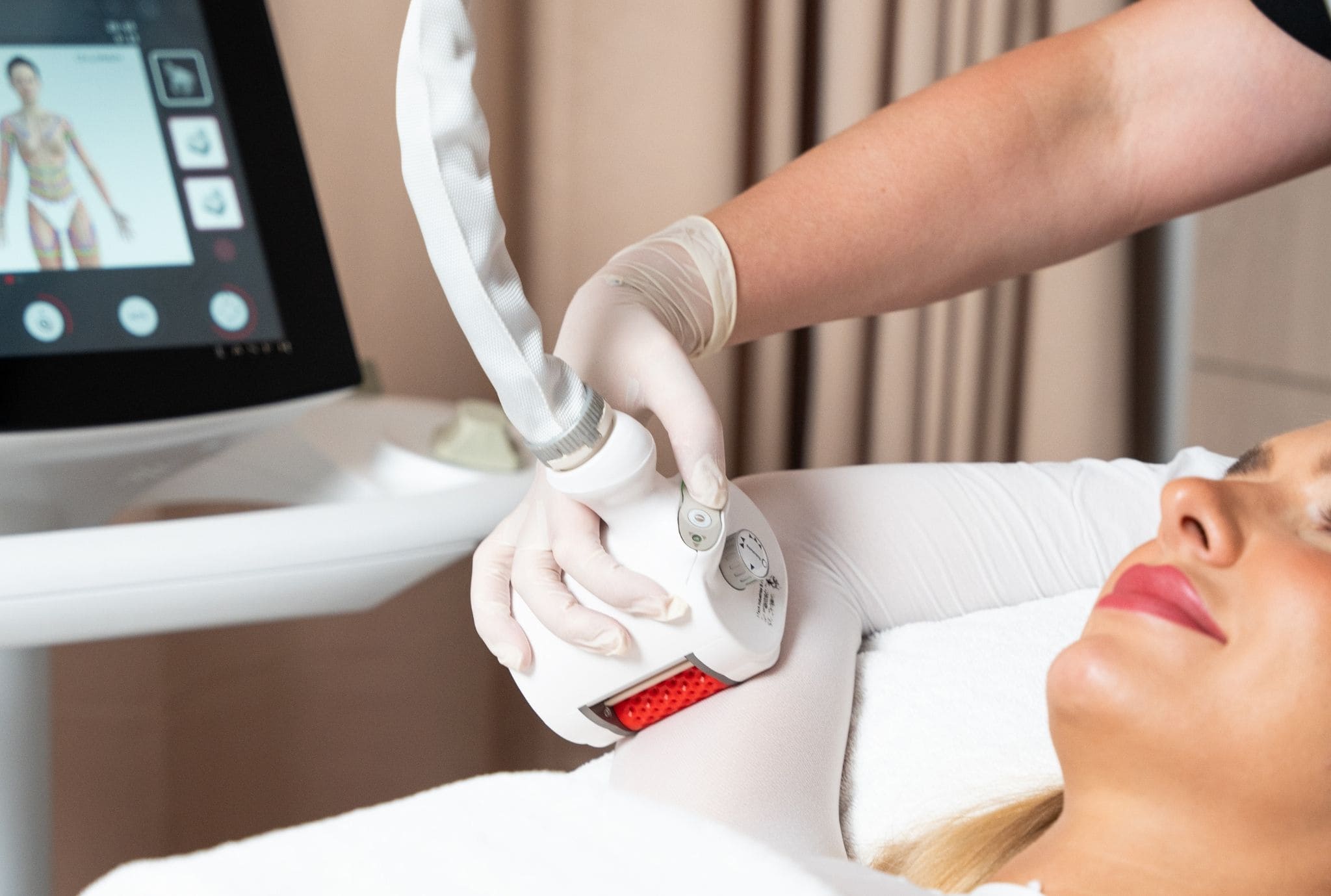
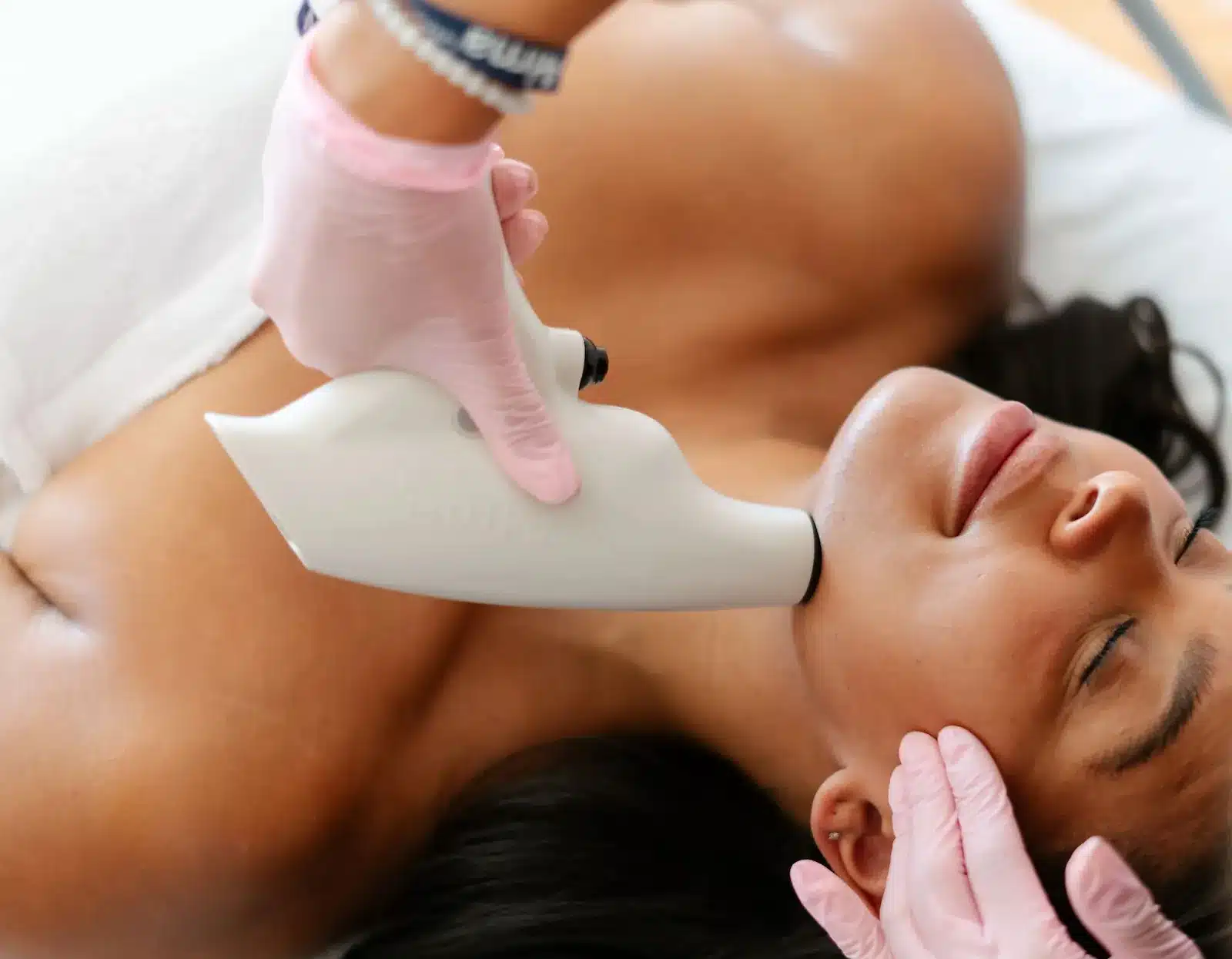
AirSculpt works for targeted fat reduction by utilizing a patented, minimally invasive mechanical device to gently pluck unwanted fat cells from specific anatomical areas through a freckle-sized entry point, protecting surrounding tissues while contouring the body.
Understanding Body Contouring and Targeted Fat Reduction
The pursuit of an idealized body shape often runs up against the biological reality of stubborn fat deposits. Human genetics dictate where the body stores excess energy, and these localized fat stores—often found in the abdomen, flanks, thighs, submental region (under the chin), and arms—frequently resist the effects of caloric restriction and rigorous exercise. Traditional approaches to body reshaping have included strict dieting, high-intensity training regimens, and more aggressive surgical interventions like traditional liposuction. While lifestyle modifications improve overall health and reduce systemic body fat, they cannot spot-reduce fat from specific target zones.
Targeted fat reduction bridges the gap between general weight loss and localized aesthetic goals. Over the decades, cosmetic medicine has evolved from crude surgical excision to sophisticated energy-based devices and specialized mechanical techniques. Procedures designed for localized reduction do not serve as weight-loss solutions for individuals dealing with generalized obesity. Instead, they function as sculpting tools for patients at or near their ideal body weight who want to refine persistent pockets of adipose tissue.
Within this landscape, specialized techniques have emerged to minimize recovery time, enhance precision, and reduce the trauma associated with older surgical methods. AirSculpt, a trademarked form of laser-assisted and mechanical liposculpture, represents a prominent advancement in this category. To evaluate whether this method aligns with personal aesthetic goals, individuals must examine its underlying mechanics, procedural steps, recovery profile, and clinical limitations.
What is AirSculpt?
AirSculpt is a specialized form of laser-assisted lipo-sculpture marketed and performed primarily by Elite Body Sculpture clinics. Developed as an alternative to traditional liposuction and non-invasive fat freezing (cryolipolysis) methods, the technique relies on proprietary technology and a patented cannula (a thin, hollow tube) designed to remove fat cells with heightened precision.
Unlike traditional liposuction, which often involves manual pushing and scraping by the surgeon to break up fatty tissue, AirSculpt utilizes a mechanized, revolving motion combined with laser energy to soften and extract fat simultaneously. The procedure is performed while the patient remains awake in many cases, utilizing local anesthesia (tumescent local anesthesia) rather than general anesthesia. This reduces certain risks associated with being put to sleep and typically accelerates the immediate post-procedural recovery period.
The technology is specifically engineered to target localized fat deposits while minimizing trauma to adjacent structures such as blood vessels, nerves, and connective tissue. By addressing these areas with millimeter-level precision, practitioners aim to achieve smoother, more natural-looking contours without the rippling or contour irregularities occasionally seen with older surgical techniques.
The Science and Mechanics of the Procedure
The mechanical and thermal processes behind AirSculpt distinguish it from standard liposuction methods. Understanding how the technology interacts with subcutaneous fat tissue clarifies why it is marketed as a gentler alternative for targeted reduction.
The Role of Laser Energy and Mechanical Plucking
The procedure typically begins with the delivery of localized laser energy to the treatment zone. This laser fiber is threaded through a microscopic entry point to liquefy fat cells and stimulate collagen production in the dermis, which helps the skin tighten over the newly contoured area. Following this thermal preparation, the patented AirSculpt cannula is introduced.
Rather than tearing or scraping adipose tissue, the cannula utilizes a computer-controlled, automated mechanical rotation or oscillation. This motion gently plucks fat cells away individually or in small clusters. The extracted cells are immediately suctioned out through the hollow tube using a specialized low-pressure vacuum system. This gentle extraction method is designed to preserve the integrity of the removed fat cells, making them viable for natural fat transfer procedures, such as breast augmentations or Brazilian butt lifts, if desired.
Preservation of Surrounding Tissue
A primary focus of advanced body sculpting techniques is the reduction of collateral damage to non-fatty tissues. Traditional liposuction relies heavily on the physical force exerted by the surgeon, which can rupture blood vessels and cause significant bruising and swelling.
By contrast, the automated, oscillating movement of the AirSculpt cannula is engineered to deflect off connective tissue, nerves, and blood vessels, minimizing trauma. This selective targeting reduces postoperative bruising, shortens healing times, and lowers the incidence of post-surgical complications like hematomas or seromas.
Treatment Areas and Patient Eligibility
AirSculpt can be applied to numerous anatomical regions where stubborn fat accumulates. However, suitability for the procedure depends on specific physical characteristics, medical history, and aesthetic expectations.
Common Treatment Zones
Patients frequently seek targeted reduction for areas that fail to respond to diet and exercise. Approved and common treatment zones include:
- Abdomen and Flanks: Addressing the lower belly pooch and love handles to create a trimmer waistline.
- Chin and Neck: Removing a double chin or submental fullness to define the jawline.
- Thighs: Treating outer saddlebags or inner thighs to create a smoother silhouette.
- Arms: Reducing stubborn upper arm fat, commonly known as batwings.
- Back and Bra Rolls: Smoothing out localized folds around the upper and lower back.
- Male Chest: Treating gynecomastia (enlarged male breast tissue) to restore a firmer, more masculine chest contour.
Candidate Criteria
Ideal candidates for AirSculpt share specific traits that ensure optimal outcomes and minimize risks. Good candidates typically:
- Maintain a stable weight close to their body mass index (BMI) ideal.
- Possess good skin elasticity, allowing the skin to retract smoothly over the reduced area after fat removal.
- Have realistic expectations regarding the extent of contour change possible.
- Do not smoke, or are willing to quit smoking for a specified period before and after the procedure, as nicotine impairs wound healing and circulation.
- Are in generally good physical health without uncontrolled systemic medical conditions.
| Feature / Factor | AirSculpt | Traditional Liposuction | Non-Invasive Fat Freezing (e.g., CoolSculpting) |
|---|---|---|---|
| Anesthesia Type | Local (awake) | General or heavy IV sedation | None required |
| Incision Size | Freckle-sized (approx. 2mm) | Varies (often 3mm to 10mm) | None (external applicators) |
| Technology Used | Automated mechanical plucking + laser | Manual suction and physical force | Controlled cooling/freezing |
| Number of Sessions | Typically 1 session | Typically 1 session | Often requires multiple sessions |
| Fat Viability for Transfer | High (cells remain intact) | Variable | Low/None (cells destroyed internally) |
| Average Recovery Time | 1 to 2 days | Several days to weeks | Minimal to no downtime |
The Patient Journey: Step-by-Step
Undergoing a specialized body contouring procedure involves a structured pathway, beginning with an initial consultation and concluding with long-term maintenance.
1. Consultation and Assessment
The process begins with an in-person or virtual consultation with a trained clinician or plastic surgeon. During this evaluation, the provider reviews the patient's medical history, examines the target areas, assesses skin elasticity, and discusses specific aesthetic goals. The clinician determines whether the patient is a suitable candidate and outlines a personalized treatment plan, including cost estimates and expected outcomes.
2. Pre-Operative Preparation
Prior to the procedure, patients receive specific pre-operative guidelines. These typically include:
- Stopping the use of blood-thinning medications, NSAIDs (such as ibuprofen), and certain herbal supplements that increase bleeding risk.
- Completing required lab work or medical clearances if indicated by health history.
- Arranging for a responsible adult to drive the patient home following the appointment, even though general anesthesia is not used.
- Purchasing prescribed compression garments to wear post-procedure.
3. The Procedure Day
On the day of treatment, the patient arrives at the clinic. The targeted areas are marked while the patient stands to ensure precise contouring. Local tumescent anesthesia—a sterile solution containing saline, lidocaine for numbing, and epinephrine to constrict blood vessels and minimize bleeding—is infiltrated into the treatment zone through tiny entry points.
Once the area is fully numbed, the clinician makes a freckle-sized access hole (typically around two millimeters wide), inserts the laser fiber to treat the tissue, and follows with the automated cannula to extract the fat. The entire procedure usually takes between one to three hours, depending on the number of zones treated and the volume of fat removed.
4. Immediate Recovery and Aftercare
Because general anesthesia is avoided, patients are typically able to walk out of the clinic shortly after the procedure concludes. Mild leakage of the numbing fluid from the tiny entry points is normal in the first 24 to 48 hours. Patients are fitted with a specialized compression garment that must be worn continuously for several weeks to minimize swelling, support healing skin retraction, and help the body conform to its new contours.
Most individuals return to sedentary work and light daily activities within 24 to 48 hours. Strenuous exercise, heavy lifting, and swimming must be avoided for two to four weeks, depending on the clinician's recommendations.
Potential Risks, Side Effects, and Limitations
While AirSculpt is classified as a minimally invasive procedure with a favorable safety profile compared to major open surgeries, it remains a medical intervention carrying inherent risks and limitations.
Common Side Effects
Patients should anticipate temporary side effects as part of the normal healing process. These include:
- Swelling and Bruising: Localized swelling and bruising in the treated zones are universal, typically peaking within the first week before gradually resolving over several weeks to months.
- Soreness: A sensation similar to intense muscle soreness or a deep bruise is common in the treated areas.
- Numbness and Tingling: Temporary sensory changes or numbness in the skin over the treated area occur frequently and resolve as nerves regenerate.
Rare Complications
Though uncommon, potential surgical complications can include:
- Contour Irregularities: Asymmetry, waviness, or uneven skin surfaces can occur if fat is removed unevenly or if skin elasticity is poor.
- Infection: Bacterial infection at the tiny entry sites is possible, though minimized with proper sterile technique and post-care hygiene.
- Fluid Accumulation: Seromas (collections of fluid beneath the skin) may occasionally develop and require drainage.
- Skin Necrosis: Rare instances of localized skin death due to compromised blood flow can occur, particularly in areas aggressively treated with thermal energy.
Realistic Expectations and Permanent Fat Loss
Adult human bodies do not generate new fat cells in significant numbers after adolescence. When fat cells are removed via AirSculpt, those specific cells are permanently gone. However, remaining fat cells in the body can still expand if the patient gains significant weight. Therefore, the procedure is not a license for unchecked weight gain; maintaining stable results requires a balanced diet and regular physical activity.
Frequently Asked Questions
Is AirSculpt painful?
The procedure is performed under local tumescent anesthesia, meaning the treatment area is completely numbed prior to fat extraction. Patients typically feel sensations of pressure, vibration, or movement, but sharp pain is rare. Post-procedural discomfort is generally managed effectively with mild prescription or over-the-counter pain medications during the first few days of recovery.
How does AirSculpt differ from traditional liposuction?
The primary differences lie in the technology and the anesthesia used. Traditional liposuction often utilizes general anesthesia, larger incisions, and manual force by the surgeon to break up fat. AirSculpt is typically performed while the patient is awake using local anesthesia, employs a microscopic access point, and uses a patented automated, revolving cannula paired with laser energy to gently remove fat with less trauma to surrounding tissue.
When will I see final results from the procedure?
While immediate changes in body contour are visible once the procedure is complete, initial swelling and bruising obscure the final outcome. Much of the swelling subsides within four to six weeks, but the full, refined results typically manifest around three to six months as residual inflammation completely resolves and the skin tightens.
Can the removed fat be used for a transfer?
Yes. Because the patented mechanical extraction method removes fat cells intact rather than destroying them, the harvested adipose tissue is viable for natural fat transfer procedures. Patients frequently choose to combine targeted fat reduction in areas like the abdomen or thighs with fat augmentation to the breasts, buttocks, or face.
Is the fat removal permanent?
The fat cells extracted during the procedure are permanently eliminated from the body. Because adults possess a fixed number of fat cells, those specific cells cannot grow back. Nevertheless, if a patient experiences significant weight gain post-procedure, remaining fat cells throughout the body can expand, altering the newly sculpted contours.
Conclusion and Next Actions
AirSculpt offers a technologically advanced, minimally invasive solution for individuals seeking targeted fat reduction and refined body contours without the downtime and risks associated with general anesthesia and traditional surgery. By understanding the mechanics of automated fat extraction, evaluating personal candidate eligibility, and maintaining realistic expectations regarding recovery and permanent lifestyle maintenance, patients can make informed decisions about their aesthetic care.
Anyone considering this procedure should schedule an in-person consultation with a certified, experienced specialist to review specific anatomical goals, evaluate medical history, and receive a personalized treatment plan tailored to individual health and lifestyle needs.