The primary symptoms of air trapped in an ABS module include a noticeably spongy or soft brake pedal, increased pedal travel before the brakes engage, and inconsistent braking performance. You may also notice the ABS warning light on your dashboard or find that the brakes "pump up" and feel firmer after several consecutive presses.
Air inside the Anti-lock Braking System (ABS) module is one of the most frustrating and potentially dangerous issues a vehicle owner or technician can encounter. Because the ABS module is the "brain" of the hydraulic system, containing a complex network of solenoids, valves, and a high-pressure pump, air bubbles can become lodged in internal chambers that are not accessible during a traditional brake bleed. As we move through 2026, even with the prevalence of advanced electronic braking systems, the fundamental physics of hydraulic pressure remains the same: air is compressible, while brake fluid is not. When air enters this critical component, it compromises the entire safety architecture of your vehicle.
Understanding the Role of the ABS Module in Your Braking System
To recognize the symptoms of air in the module, one must first understand what the ABS unit actually does. The ABS module is positioned between the master cylinder and the wheel speed sensors. Its primary job is to monitor wheel speed and, during a sudden deceleration or loss of traction, "pulse" the brakes by rapidly opening and closing internal valves. This prevents the wheels from locking up, allowing the driver to maintain steering control.
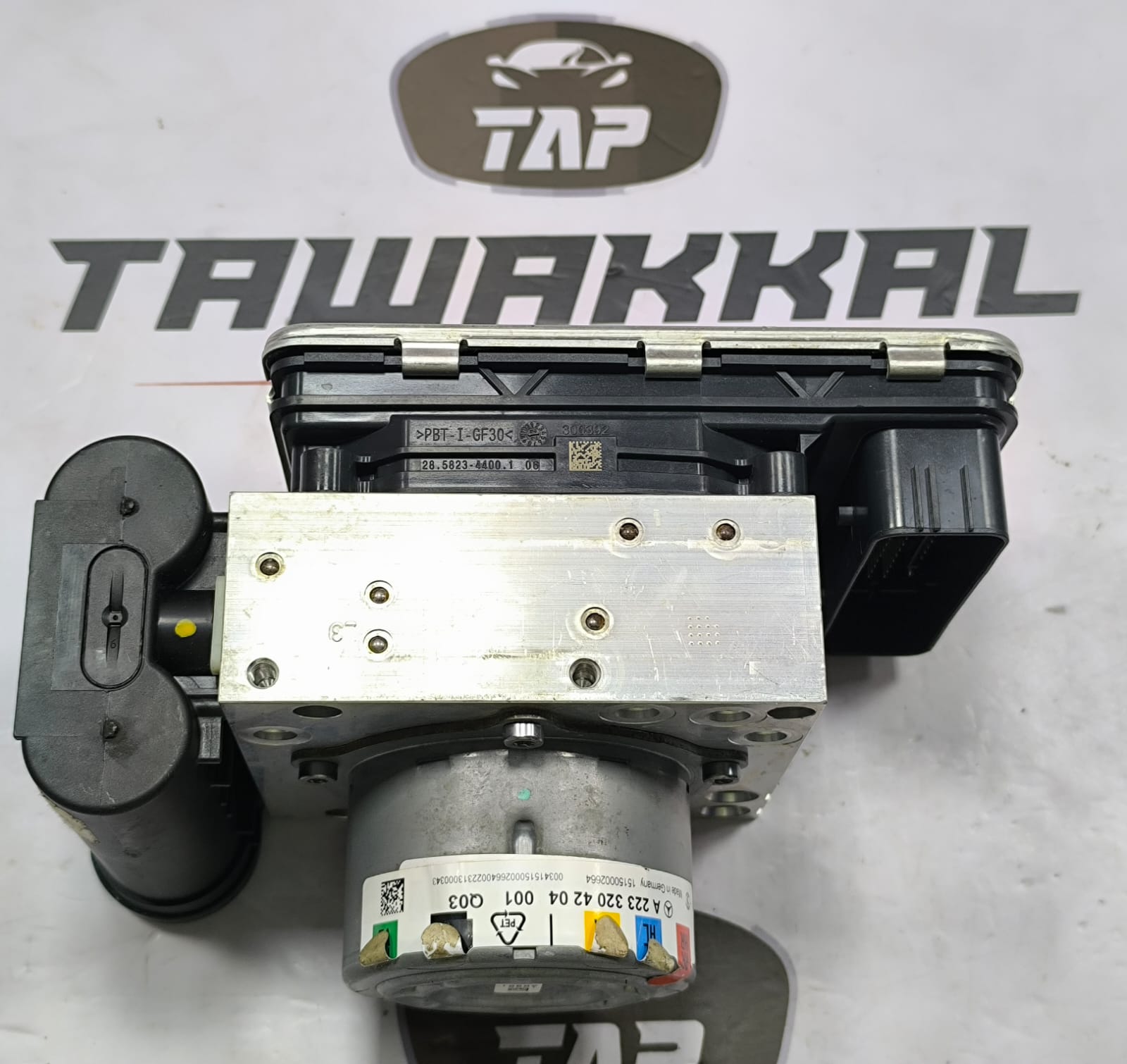
The module consists of two main parts: the electronic control unit (ECU) and the hydraulic control unit (HCU). The HCU is a block of aluminum or alloy filled with intricate passages and small check valves. If air enters these passages, it doesn't just sit in the brake lines; it gets trapped behind solenoids that only open when the ABS is actively engaged. This is why a car might have "perfect" brakes under light pressure but feel erratic or dangerous when the ABS is triggered or during heavy braking.
Primary Symptoms of Air in the ABS Module
Identifying air in the ABS module requires a keen sense of how your brake pedal feels under various conditions. Unlike worn pads, which usually squeal, or warped rotors, which cause vibrations, air in the hydraulics creates a distinct "tactile" failure.
The "Spongy" or Soft Brake Pedal
The most common indicator of air in the ABS module is a pedal that feels like stepping on a marshmallow. In a healthy hydraulic system, the moment you press the pedal, the fluid (which does not compress) transfers that force directly to the brake calipers. If air is present, the force you apply is first spent compressing the air bubbles. Only after the air is squeezed down does the fluid begin to move the pistons. This creates a "mushy" sensation where the brakes lack a crisp, firm bite.
Excessive Pedal Travel and "Floor Boarding"
If the air pocket is large enough, or if it is located deep within the ABS HCU, you may find that the brake pedal travels significantly further toward the floor than usual. In extreme cases, the pedal may go all the way to the floorboard before the vehicle begins to slow down. This is exceptionally dangerous in emergency situations, as it increases the driver's reaction time and the vehicle's total stopping distance. If you have to "double-pump" the brakes to get the pedal to feel firm, air is almost certainly the culprit.
Inconsistent Braking Performance
Air in the ABS module can cause the vehicle to pull to one side during braking. This happens because air bubbles might be trapped in the valves controlling only one or two wheels. While the other wheels receive full hydraulic pressure, the "aerated" side receives diminished pressure, causing an imbalance. In 2026, modern stability control systems may try to compensate for this, but the underlying mechanical instability will still be felt by the driver as a lack of confidence in the vehicle’s stopping power.
Activation of the ABS or Brake Warning Light
Modern vehicles are equipped with pressure sensors and sophisticated diagnostics. If the ABS module detects that the internal pressure is not reaching the expected parameters when the pump is activated, it may trigger the ABS warning light or the general brake system light. A diagnostic scan tool might reveal codes such as "low pressure detected" or "internal valve malfunction," which are often "ghost" codes actually caused by air interference rather than a mechanical failure of the module itself.
How Air Enters the ABS Module
Understanding how the air got there is the first step in ensuring it doesn't return after a successful bleed.
- Running the Master Cylinder Dry: The most frequent cause is a mistake during a routine brake bleed or fluid flush. If the fluid level in the reservoir drops too low, the master cylinder gulps air and sends it straight into the ABS module.
- Component Replacement: If you replace a brake line, a caliper, or the ABS module itself, the system is opened to the atmosphere. While bleeding the calipers is standard, air often remains trapped in the "valleys" of the ABS unit.
- Leaking Seals: Over time, the internal seals within the ABS module or the master cylinder can degrade. Even a microscopic leak that doesn't show a visible drip can allow air to be sucked into the system under the vacuum created when the pedal is released.
- Boiling Brake Fluid: In high-performance driving or heavy towing, old brake fluid with high moisture content can boil. This creates steam bubbles (gas) within the system, which behave exactly like air.
Why Standard Bleeding Often Fails for ABS Modules
Many DIY mechanics and even some professional shops struggle with air in the ABS because they rely on the "pump and hold" method. While this works for the brake lines and calipers, it is often ineffective for the ABS module.
The internal valves of the ABS module are normally closed. When you bleed the brakes at the wheels, the fluid flows through the "bypass" circuits of the module. The air trapped inside the solenoid chambers remains stuck because those valves never opened during the bleed process. To successfully remove this air, the solenoids must be cycled—rapidly opened and closed—while the system is under pressure.
The Automated Bleed Procedure: The 2026 Standard
By 2026, the use of bidirectional scan tools has become the mandatory standard for brake service. An "Automated Bleed" or "ABS Service Bleed" is a software-driven process where the vehicle's computer takes control of the ABS pump and solenoids.
During this procedure, the scan tool instructs the ABS module to run the pump and pulse the valves in a specific sequence. This forces fluid through the internal passages that are normally closed, pushing the trapped air out of the module and down into the brake lines, where it can then be bled out at the calipers. Attempting to fix a "soft pedal" after an ABS replacement without this tool is almost always an exercise in frustration.
Comparing Brake System Issues
The following table helps distinguish between air in the ABS module and other common braking faults.
| Symptom | Air in ABS Module | Worn Brake Pads | Master Cylinder Failure | Warped Rotors |
|---|---|---|---|---|
| Pedal Feel | Spongy/Mushy | Firm, but may squeal | Sinks slowly to floor | Pulsates/Vibrates |
| Pedal Travel | Significantly increased | Normal | Increases over time | Normal |
| Warning Lights | ABS or Brake Light | Brake Wear Indicator | Brake Light | Usually None |
| Effect of Pumping | Becomes firmer | No change | May temporarily help | No change |
| Primary Fix | Automated Bleed | Replacement | Replacement | Resurfacing/Replace |
Potential Costs and Professional Repair in 2026
If you suspect air in your ABS module, the cost of repair depends heavily on whether you have the equipment to perform a specialized bleed.
- Diagnostic Fee: Most shops in 2026 charge between $100 and $150 to perform a full system scan and pressure test the hydraulic circuit.
- ABS Automated Bleed Service: A professional ABS bleed, including high-quality DOT 4 or DOT 5.1 fluid, typically ranges from $180 to $350. This is more expensive than a standard bleed due to the requirement of specialized software and the extra time involved.
- Module Replacement: If the air cannot be removed or the module is found to have internal seal failure, a new ABS module can cost anywhere from $600 to $2,500 depending on the vehicle make and model (luxury and EV modules tend to be at the higher end of this spectrum).
Safety Risks of Ignoring the Problem
Operating a vehicle with air in the ABS module is a significant liability. Beyond the increased stopping distance, the ABS system itself may fail to work when you need it most. If the module is full of air, it cannot effectively pulse the hydraulic pressure to the wheels. This can lead to wheel lock-up on wet or icy roads, resulting in a loss of steering and potential hydroplaning. In 2026, with the increasing reliance on ADAS (Advanced Driver Assistance Systems) like automatic emergency braking, a compromised hydraulic system can also cause these electronic safety features to malfunction or deactivate entirely.
FAQ
Can I bleed an ABS module without a scan tool?
While some older vehicles allowed for manual bleeding by "gravity bleeding" or using a pressure bleeder over a long period, most modern vehicles require a scan tool to cycle the internal solenoids. Some enthusiasts attempt to trigger the ABS by driving on a gravel road and slamming on the brakes (to engage the ABS) and then bleeding the brakes again, but this is inconsistent and not recommended for safety reasons.
Does air in the ABS always trigger a warning light?
Not necessarily. If the air pocket is small, the system may still maintain enough pressure to satisfy the electronic sensors, but the driver will still feel the "sponginess" in the pedal. However, a significant amount of air will eventually cause a pressure differential that triggers the ABS light.
What is the difference between a pressure bleed and an ABS bleed?
A pressure bleed uses a pressurized tank of fluid attached to the master cylinder to force fluid through the lines. While excellent for standard maintenance, it still cannot reach the trapped air inside the ABS solenoid chambers unless those solenoids are electronically opened via a scan tool.
Can air in the ABS module cause the brakes to lock up?
Yes. If air prevents a valve from opening or closing correctly, it can lead to "residual pressure" being held against a brake caliper, causing it to drag or lock. Conversely, it usually results in a failure to apply enough pressure, but erratic valve behavior is a documented symptom of aeration.
Is DOT 5 fluid better for removing air?
No. In fact, you should never use DOT 5 (silicone-based) fluid in an ABS system unless specifically required by the manufacturer. DOT 5 aerates much more easily than DOT 3, 4, or 5.1 and can cause permanent sponginess in systems designed for glycol-based fluids.
Recommendation for Next Actions
If you are experiencing a spongy pedal and suspect air in the ABS module, the first step is to perform a visual inspection of the entire brake system for leaks. Check the master cylinder reservoir level; if it is low, you likely have a leak that allowed air to enter.
For a definitive fix, seek out a service center equipped with a bidirectional diagnostic tool capable of performing an Automated ABS Bleed. If you are a DIY mechanic, consider investing in a high-quality OBD-II tablet that supports ABS service functions for your specific vehicle. Driving with compromised brakes is never worth the risk—address the air in your ABS module immediately to ensure your vehicle remains safe and responsive in 2026 and beyond.