The availability of an Aileen Wuornos handwriting sample has long served as a primary point of interest for researchers, true-crime documentarians, and forensic experts. These samples, primarily sourced from letters written during her incarceration, provide a rare, tangible window into the psychological state of a convicted serial killer. They serve as essential evidence in understanding her communication style, mental health status during legal proceedings, and the authenticity of posthumously published personal accounts.
The Provenance of Forensic Documentation
Aileen Wuornos remains one of the most documented figures in American criminal history. Following her arrest in 1991 and subsequent conviction for the murders of seven men in Florida, her life became the subject of extensive legal scrutiny. The handwriting samples that exist today are largely derived from a series of letters penned while she was on death row at the Florida Department of Corrections.
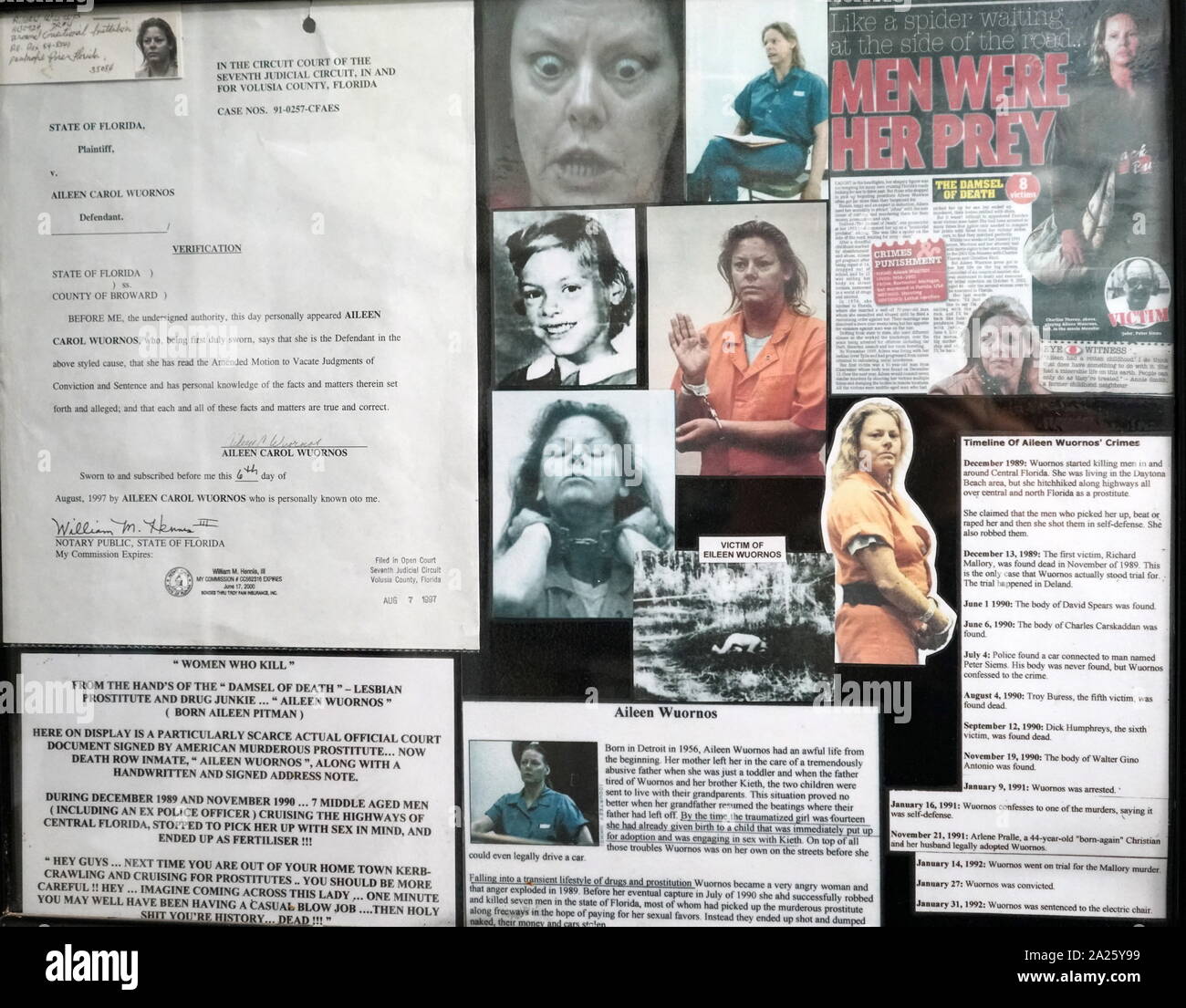
The provenance of these documents is critical. Authenticated samples come from legal correspondence, personal letters to pen pals, and signed court documents. Because these materials were produced in a highly regulated correctional environment, their provenance is generally considered high-integrity. Forensic document examiners focus on these specific artifacts to distinguish between spontaneous writing—written under extreme emotional or mental duress—and formal declarations prepared for legal counsel.
Analyzing Scriptural Characteristics
When examining the handwriting of individuals involved in high-profile criminal cases, graphologists and forensic experts look for specific indicators of stability, intent, and cognitive state. In the case of Wuornos, the handwriting shows a marked evolution over time, reflecting the deteriorating circumstances of her life behind bars.
Key physical characteristics often noted in her samples include:
- Pressure and Flow: Observations of the ink density suggest intense pressure applied to the paper, a common trait in subjects experiencing high levels of agitation or anger.
- Slant and Consistency: Her later writing, compared to earlier legal filings, displays a lack of consistent baseline orientation. This transition from controlled script to more erratic, sprawling letter formations is a significant area of interest for those studying the psychological toll of prolonged solitary confinement.
- Ligatures and Spacing: The connectivity between letters in her cursive samples shows a breakdown in rhythm. While her early writing was legible and relatively structured, later samples show disconnected characters, which some observers interpret as a reflection of her fracturing mental health.
The Role of Handwriting in Historical Authentication
Handwriting analysis acts as a secondary layer of verification for the authenticity of memoirs and letters that have surfaced since her execution in 2002. Given the commercial value of "murderabilia"—items associated with notorious killers—the market for fake or forged documents is significant.
Forensic experts verify these samples by comparing them against the "exemplars" held in public and legal records. These exemplars serve as the standard of truth. Any document claiming to be a new or lost letter from Wuornos must undergo a side-by-side comparison with these known samples.
Comparison of Handwriting Features
| Feature | Characteristics in Wuornos Samples | Forensic Significance |
|---|---|---|
| Pen Pressure | Heavy, often puncturing paper | Indicates high emotional intensity |
| Letter Slant | Variable, shifting right to left | Suggests cognitive or emotional instability |
| Baseline | Uneven, "wavy" appearance | Lack of focus and emotional regulation |
| Signature | Increasingly simplified over time | Possible indicator of detachment or fatigue |
Legal and Ethical Considerations of Public Access
The disclosure and publication of Aileen Wuornos’s handwriting samples raise complex questions regarding the privacy of inmates and the ethics of true-crime journalism. While government records, including court filings, are public domain, personal letters written by an inmate are often subject to different intellectual property and privacy standards.
From a technical SEO and informational standpoint, it is important to distinguish between "revealed" samples—referring to items released by family members or estate executors—and public record filings. The "revelation" of these samples often follows the pattern of a documentarian or a biographer gaining access to a private archive. Readers searching for these samples should be aware that their reproduction in digital media is often protected by fair use, yet the physical originals remain the property of the estate or the receiving parties.
Addressing the Psychological Context
It is impossible to discuss the handwriting of Aileen Wuornos without referencing her mental health. By the mid-1990s, the intersection of her legal battles and the isolation of death row had clearly impacted her cognitive functions. Forensic psychologists have noted that handwriting changes are frequently the first outward signs of long-term neurocognitive decline or severe depression.
When researchers study these samples, they are not just looking at ink on paper; they are tracking the trajectory of a human life under extreme pressure. The "revealed" nature of these samples—often shown in documentaries or forensic deep-dives—is meant to provide a humanizing, albeit chilling, perspective on the subject. They serve as a physical record of a person who claimed she was acting in self-defense, a narrative that she consistently reinforced in her handwritten letters to those who reached out to her from the outside world.
Common Misconceptions About Forensic Graphology
There is a recurring belief that handwriting analysis can definitively diagnose personality disorders or criminal intent. In the field of modern forensics, this is considered a misconception. Handwriting is a behavioral symptom, not a diagnostic tool for psychiatric conditions.
- Inaccuracy of "Profile" Claims: Some pop-culture analyses suggest that specific loops or dots over "i"s indicate murderous intent. Scientific forensics rejects these claims.
- Subjectivity: Forensic document examination is a comparative science, not an interpretive one. It confirms whether the same person wrote two documents; it does not confirm the "nature" of the writer.
- Evolutionary Change: Handwriting changes are standard due to age, health, stress, and pen/paper quality. A change in style is not inherently proof of a change in identity, but rather a reflection of the environment in which the subject wrote.
Guidance for Researchers and Collectors
For those attempting to verify a document attributed to Aileen Wuornos, the process requires caution. First, determine if the document has a clear chain of custody. Was it obtained from a reputable archive, or through a third-party seller?
- Request High-Resolution Images: Never rely on low-quality scans. Detailed macro photography is required to observe pen pressure and ink flow.
- Compare Against Established Exemplars: Use publicly available legal documents from the 1991–2002 period as the gold standard.
- Consult a Forensic Document Examiner: If the document is intended for archival or commercial use, professional verification is the only way to avoid the risks of purchasing forgeries.
Frequently Asked Questions
Are handwriting samples of Aileen Wuornos publicly available? Yes, portions of her legal and personal correspondence are included in public archives and various documentary media. Because many of her writings were filed as exhibits in court, they have entered the public domain.
Can handwriting analysis determine if she was coerced? Handwriting analysis can show if a subject was writing under duress, but it cannot confirm the source or nature of the external pressure. It only provides evidence of the physical tension present at the moment of writing.
What is the most common feature in her handwriting? The most consistent feature throughout her incarceration was a high-pressure stroke and a tendency to move from a controlled cursive style to a more frantic, irregular print/cursive hybrid in her final years.
Are these samples used in psychological profiling? While forensic psychologists may examine the samples, they are rarely used as primary evidence for profiling, as they are considered highly subjective compared to clinical evaluations and interviews.
Where can one find authenticated samples for research? Authenticated samples are best located through official court transcripts from the Florida judicial system or recognized academic archives that focus on American criminal justice history.
Why do these samples matter? They provide an essential primary source for historians. In the absence of a direct, candid interview in later years, the handwriting remains the only authentic record of her thoughts that has not been mediated by a third party.
Next Steps for Inquiry
For those interested in further study, the most productive path is to consult the official records of the Florida Department of Corrections or the archives maintained by the court systems in Marion and Volusia counties. By focusing on verified court-filed exhibits, researchers can avoid the common pitfalls of the "murderabilia" market and engage with the material as it exists in the historical record. If you are conducting academic research, prioritize primary documentation over secondary interpretations to ensure your analysis remains grounded in factual reality.