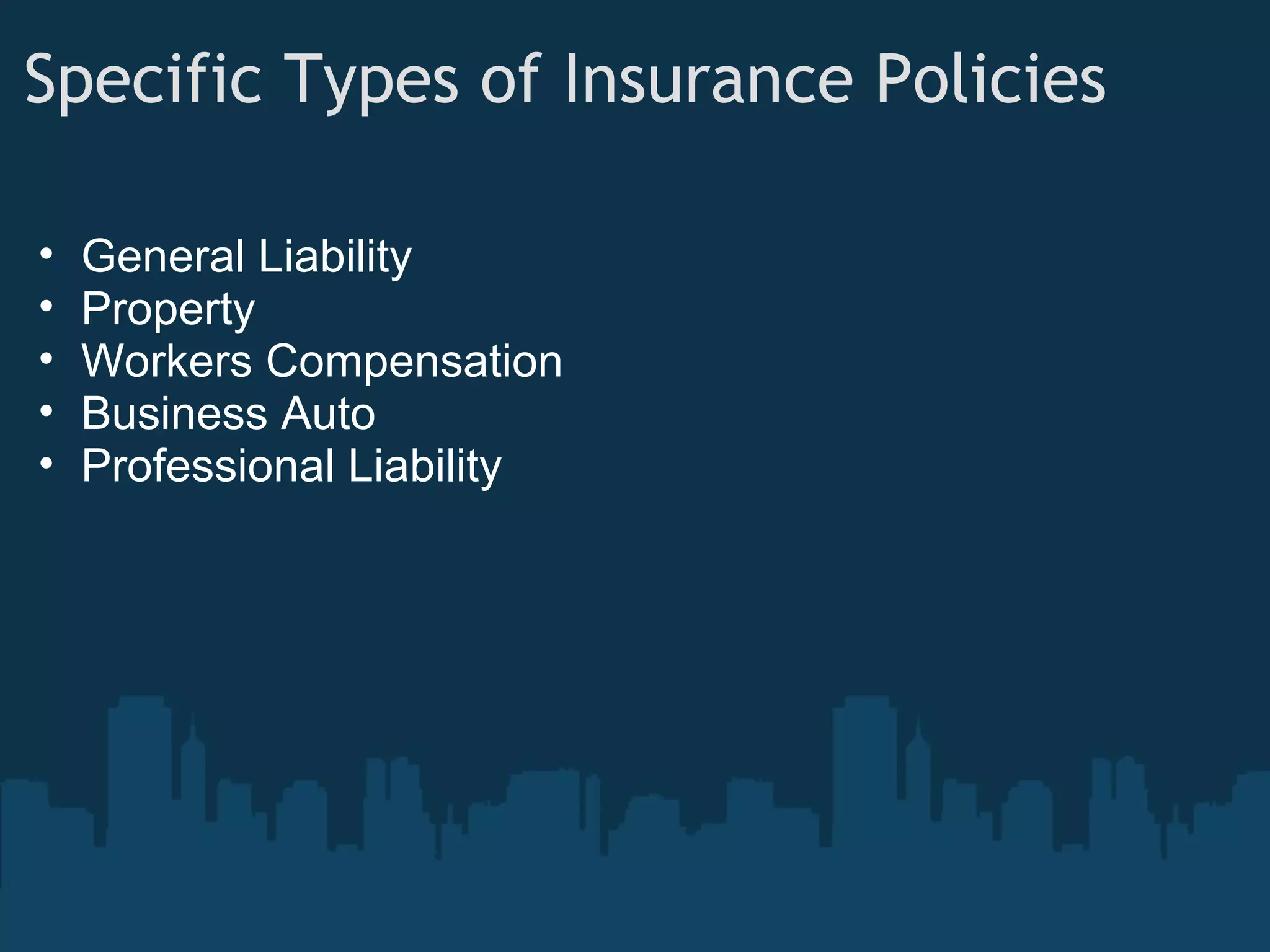
AIC commercial auto insurance is a specialized coverage solution designed to protect businesses against financial liabilities arising from the operation of vehicles used for professional purposes. By separating personal and commercial risk, this policy type ensures that losses involving business-owned or business-used vehicles are covered, protecting the company's assets, legal standing, and operational continuity.
Understanding the Necessity of Commercial Auto Insurance
In the landscape of modern business, the distinction between personal and professional vehicle usage is critical. Many business owners operate under the mistaken belief that their personal auto insurance policies will extend coverage to vehicles used for business errands, deliveries, or employee transportation. In practice, most personal auto policies contain exclusionary clauses that deny coverage for incidents occurring while the vehicle is being used for commercial purposes.
Commercial auto insurance, such as the programs offered through AIC (American Insurance Center or applicable underwriting partners), serves as a dedicated financial safeguard. It is structured to address the higher risk profiles inherent in business operations, including higher liability limits, protection for diverse vehicle types (ranging from light-duty vans to heavy-duty trucks), and coverage for employee drivers. By securing a commercial policy, a business mitigates the risk of catastrophic out-of-pocket expenses resulting from third-party bodily injury, property damage, or the total loss of a company vehicle.
Core Coverage Components
A standard commercial auto insurance policy is not a singular product but a modular suite of coverages. The structure typically follows a framework similar to personal auto insurance but with significantly broader limits and different underwriting criteria.
1. Liability Coverage
Liability remains the cornerstone of any commercial auto policy. It is divided into two primary segments:
- Bodily Injury Liability: This provides coverage if your business vehicle causes an accident that injures another person, such as a pedestrian or occupants of another vehicle. It covers medical expenses, legal fees, and potential court-ordered settlements.
- Property Damage Liability: This covers the costs to repair or replace property damaged by your vehicle during an accident, such as another vehicle, fences, light poles, or building structures.
2. Physical Damage Coverage
Unlike liability, which protects against third-party claims, physical damage coverage protects your business’s actual financial investment in the vehicle:
- Collision Coverage: Reimburses for damage to your vehicle resulting from a collision with another object or vehicle, regardless of fault.
- Comprehensive Coverage: Protects against non-collision incidents such as theft, vandalism, fire, natural disasters, or falling objects.
3. Uninsured and Underinsured Motorist Protection
Because not all drivers on the road carry adequate insurance, businesses are vulnerable to accidents caused by those with insufficient coverage. This component ensures that if your driver is hit by an uninsured or underinsured party, your business can recover medical costs and vehicle repair expenses without exhausting internal funds.
4. Specialized Endorsements
Depending on the specific nature of the operation, businesses often require additional, specialized coverages:
- Hired and Non-Owned Auto Liability: Essential for businesses that do not own their own fleet but occasionally rent vehicles or have employees drive their personal cars for company tasks.
- Medical Payments (MedPay) or Personal Injury Protection (PIP): Covers immediate medical expenses for the driver and passengers of the business vehicle, irrespective of fault.
Determining Eligibility and Requirements
Securing commercial auto insurance involves a vetting process distinct from individual coverage. Underwriters analyze specific operational data to determine eligibility and pricing. As of 2026, the following factors are typically assessed:
- Vehicle Usage and Classification: The insurer will categorize vehicles based on how they are used. A vehicle used for daily cargo delivery is rated differently than a vehicle used primarily for sales visits.
- Driver Qualifications: Insurers require detailed information regarding the driving history of any employee permitted to operate the business vehicle. A history of moving violations, DUIs, or at-fault accidents will influence premium costs.
- Operating Radius: The distance vehicles travel from the base of operations is a key risk indicator. A vehicle with a local, five-mile delivery route presents a different risk profile than a long-haul commercial vehicle.
- Safety Protocols: Companies with formalized driver training programs, vehicle maintenance logs, and telematics-based monitoring often qualify for more favorable terms or discounts.
Comparison of Coverage Types
| Coverage Type | Primary Purpose | Scope |
|---|---|---|
| Liability | Protects third parties | Required by law; covers injury/damage to others. |
| Collision | Protects owned assets | Optional; covers damage from accidents. |
| Comprehensive | Protects owned assets | Optional; covers theft, fire, and vandalism. |
| Hired/Non-Owned | Protects liabilities | Essential for leased vehicles or employee cars. |
Operational Considerations and Cost Drivers
Premiums for commercial auto insurance are influenced by several dynamic factors. Because these policies are written for businesses, the "Business Owner’s Policy" (BOP) or fleet size can significantly impact the pricing structure.
In 2026, insurers are placing increased emphasis on telematics. Many providers offer options to install tracking devices that monitor speed, braking patterns, and idle times. While some businesses express privacy concerns, the potential for premium reduction—based on verifiable safe driving data—often makes this an attractive option for fleet managers looking to control costs.
Furthermore, the vehicle's "Garaging Address" is a major pricing factor. Insuring a fleet in a densely populated urban center with high traffic congestion and crime rates will naturally result in higher premiums compared to a rural operation. The weight and type of the vehicle also dictate costs; heavy-duty vehicles require higher liability limits because of the increased potential for severe damage in an accident.
Managing Claims and Legal Obligations
If an accident occurs, the procedure for handling a claim under a commercial policy is rigorous. Immediate steps should include documenting the scene, obtaining police reports, and notifying the insurance carrier without delay.
Business owners should be aware that commercial claims often involve more complex litigation than personal ones. Because the business entity is the policyholder, any accident involving a business vehicle can lead to legal discovery processes where the business's maintenance records and driver hiring practices are scrutinized. Maintaining meticulous records is not merely an administrative task; it is a critical defensive measure in the event of an insurance dispute or third-party liability suit.
Common Mistakes to Avoid
- Underinsuring Limits: Choosing the minimum state-required liability limits is rarely sufficient for a business. If a catastrophic accident occurs, business assets—including cash reserves and property—may be seized to cover the excess judgment.
- Neglecting Hired/Non-Owned Auto: Many small businesses assume they are protected when they rent a vehicle or send an employee to run an errand. Without specifically adding Hired and Non-Owned Auto coverage, the business remains exposed to significant liability.
- Failing to Update Driver Lists: Removing former employees from the insurance policy or adding new ones in a timely manner is essential. An unlisted driver involved in an accident can lead to coverage complications.
- Inaccurate Vehicle Usage Reporting: Misrepresenting how a vehicle is used (e.g., classifying a delivery van as an administrative car) can lead to claims being denied during a loss investigation.
Frequently Asked Questions
Does commercial auto insurance cover personal use of a business vehicle? Generally, commercial policies are tailored to the specific business usage described during underwriting. If an employee uses the vehicle for personal matters, it may be subject to specific policy exclusions. You should clarify "incidental personal use" clauses with your agent to ensure your employees are protected during minor non-business activities.
How does my fleet size affect my insurance costs? A single commercial vehicle is typically insured under a standard policy, while a fleet (typically defined as five or more vehicles) may qualify for a fleet policy. Fleet policies often provide more consolidated billing and standardized coverage terms, which can be more cost-effective as the business grows.
Is gap insurance available for commercial vehicles? Yes, gap insurance is particularly important for commercial vehicles, which often depreciate rapidly. If a vehicle is totaled, standard coverage may only pay the current market value, which could be significantly less than the remaining loan balance. Gap coverage covers the difference between the insurance payout and the outstanding debt.
How do I lower my commercial auto insurance premiums? Discounts are often available for businesses that implement rigorous maintenance schedules, provide defensive driving training for all employees, and maintain a low rate of claims over several years. Additionally, increasing your deductible—the amount you pay out-of-pocket before insurance kicks in—can significantly reduce annual premiums.
What is the difference between an owner-operator and a business fleet policy? An owner-operator policy is designed for an individual who owns and drives their own vehicle for business purposes. A business fleet policy is designed for an entity that owns multiple vehicles and employs various drivers, involving more complex underwriting regarding employee risk profiles and corporate liability.
Recommendations for Next Actions
To assess your business's needs, begin by performing a thorough audit of your current vehicle usage. Identify how many vehicles are owned by the company, how many are leased, and how often employees use their personal vehicles for business tasks. Once this inventory is complete, consult with a licensed commercial insurance agent to review your liability exposure.
Ensure that your policy limits are commensurate with the total value of your business assets. If you are operating in 2026, inquire specifically about telematics-based discount programs, as these are increasingly becoming the standard for modern, cost-conscious fleet management. Do not delay in updating your policy whenever your operational scope changes, as inadequate coverage is one of the most common causes of business insolvency following a major vehicle accident.