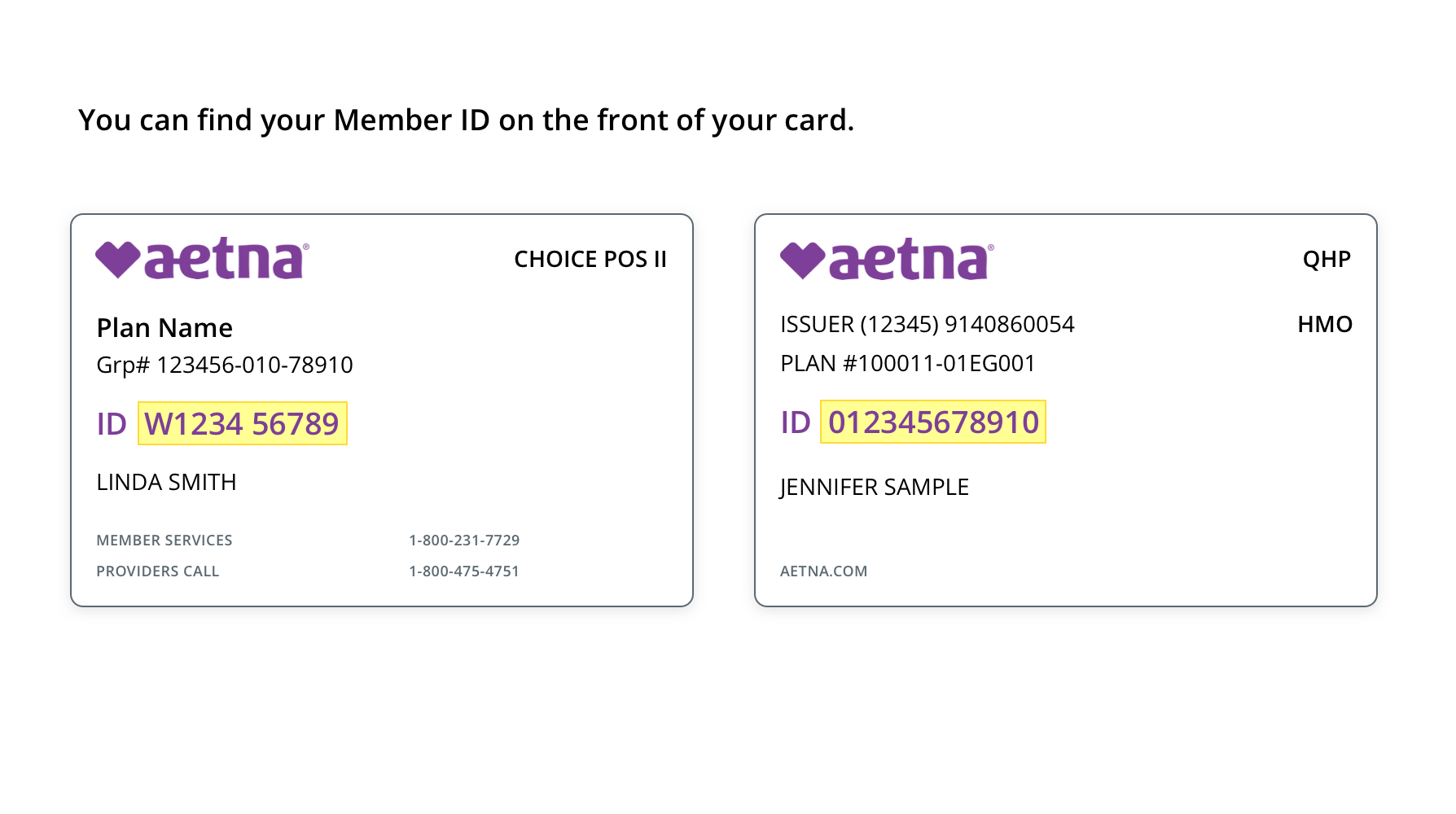
Aetna, a CVS Health company, offers various insurance solutions for consumers, including individual and family health plans, dental, and vision coverage. Navigating these options requires understanding enrollment periods, plan types like HMOs and PPOs, and the specific geographic availability of networks. Consumers must evaluate their healthcare needs, budget, and local provider access to select the most appropriate coverage for their personal situation.
The Landscape of Individual Health Coverage in 2026
When discussing Aetna individual insurance for consumers, it is important to distinguish between government-subsidized plans and private market offerings. In 2026, most individual health insurance is facilitated through the Health Insurance Marketplace (often referred to as the Exchange) created under the Affordable Care Act (ACA). Aetna operates as a participating carrier in various states, offering plans that comply with federal mandates, such as the inclusion of Essential Health Benefits (EHB).
These plans are "individual" because they are purchased directly by a person or family, rather than being sponsored by an employer. Because healthcare regulations vary significantly by state, your specific experience with Aetna—including plan availability, premium costs, and provider networks—will depend heavily on your residential location and the specific local health insurance market conditions.
Evaluating Plan Types and Coverage Structures
Aetna provides several distinct plan architectures designed to cater to different levels of healthcare utilization. Before selecting a plan, it is critical to understand the mechanical differences between them:
Health Maintenance Organizations (HMO)
HMO plans generally require you to stay within a specific network of doctors and hospitals to receive coverage. You are often required to select a Primary Care Physician (PCP) who acts as a "gatekeeper" for your healthcare, providing referrals to specialists. These plans typically offer lower premiums and predictable costs, but they provide the least flexibility regarding out-of-network care.
Preferred Provider Organizations (PPO)
PPO plans offer a higher degree of flexibility. You are not required to choose a PCP, and you do not need referrals to see specialists. Furthermore, PPOs provide partial coverage for out-of-network care, though your out-of-pocket costs will be significantly higher than if you stayed within the Aetna network.
Exclusive Provider Organizations (EPO)
EPOs act as a middle ground. Like an HMO, you are generally required to use in-network providers, and you will not have coverage for out-of-network care (except in emergencies). However, like a PPO, an EPO often does not require a referral from a PCP to see a specialist.
Cost Considerations: Premiums, Deductibles, and Out-of-Pocket Maximums
Financial planning for health insurance requires looking beyond the monthly premium. Consumers must analyze three primary cost drivers:
- Premiums: The fixed monthly cost paid to maintain the insurance policy.
- Deductibles: The amount you must pay out-of-pocket for covered healthcare services before your insurance company begins to pay.
- Out-of-Pocket Maximums: The absolute cap on what you will pay for covered services in a plan year. Once this limit is reached, the insurance carrier pays 100% of the cost for covered benefits.
| Plan Category | Premium Level | Deductible Level | Typical Utilization Profile |
|---|---|---|---|
| Platinum | Highest | Lowest | High frequency of care; high prescription needs |
| Gold | High | Low | Consistent care; regular specialist visits |
| Silver | Moderate | Moderate | Average care; balances monthly costs with usage |
| Bronze | Lowest | Highest | Low usage; primarily for catastrophic coverage |
The Enrollment Process: Deadlines and Qualifying Life Events
In the United States, individuals cannot sign up for ACA-compliant major medical insurance at any time of the year. There are two primary windows for enrollment:
Open Enrollment Period (OEP)
This is the annual window, typically occurring in late autumn, during which anyone eligible can sign up for, renew, or switch their health insurance plan for the upcoming year. For 2026, failing to enroll during this period means you generally cannot obtain a new plan until the next OEP, unless you qualify for a Special Enrollment Period.
Special Enrollment Period (SEP)
An SEP allows you to enroll outside of the standard window if you experience a "Qualifying Life Event." Common events include:
- Involuntary loss of other health coverage (e.g., job loss).
- Gaining a dependent (marriage, birth, or adoption).
- Moving to a new permanent residence that is outside your current plan's service area.
- Becoming a citizen or lawfully present individual.
Assessing Provider Networks and Medication Formularies
One of the most frequent points of confusion for consumers is the network status of their preferred doctors. A plan may have a national brand name, but the local network is specific to your region. Before finalizing an Aetna individual plan, you should use the Aetna "Find a Doctor" tool on their official website to verify that your current providers are considered "in-network."
Similarly, Aetna maintains a "formulary"—a list of covered prescription medications. A formulary is organized into "tiers," where Tier 1 drugs are typically the least expensive (generic) and higher tiers include more expensive or brand-name specialty drugs. Always cross-reference your current prescriptions with the plan’s formulary to avoid unexpected pharmacy costs.
Troubleshooting Common Issues
Denied Claims
If Aetna denies a claim, you have a legal right to an explanation of why the service was not covered. Common reasons include the service being considered "not medically necessary," an error in coding by the provider, or the service being out-of-network. If you believe the denial is an error, you can file a formal appeal through the procedures outlined in your Evidence of Coverage (EOC) document.
Provider Network Disputes
If a doctor who was listed as in-network at the time of your visit subsequently leaves the network, you may be subject to "surprise billing" protections under the federal No Surprises Act. This law limits the amount you can be billed for certain emergency services and out-of-network care at in-network facilities.
Frequently Asked Questions
Can I buy Aetna individual insurance outside of the Marketplace?
Yes, in some regions, Aetna may offer "off-exchange" plans. However, these plans are not eligible for federal tax credits or subsidies that help lower your monthly premiums. You should compare off-exchange options against Marketplace plans to ensure you are receiving the best financial value.
Does Aetna individual insurance cover mental health services?
Yes. Under the Affordable Care Act, all ACA-compliant plans—including individual plans offered by Aetna—must cover mental health and substance use disorder services as essential health benefits. Coverage includes therapy, counseling, and inpatient services.
How do I check if my doctor is in the Aetna network?
You should navigate to the Aetna provider search portal on their website. Select the "individual/family" plan type and enter your zip code. This ensures you are viewing the specific network associated with the plans available in your local area.
What happens if I miss the Open Enrollment deadline?
If you miss the deadline without a Qualifying Life Event, you generally cannot enroll in a major medical plan until the next year's Open Enrollment. You may consider short-term health insurance as a bridge, though these plans are often limited in scope and do not meet ACA requirements.
Are dental and vision included in Aetna individual health plans?
Typically, individual medical health plans do not include dental and vision coverage. These are usually sold as standalone, supplemental policies. You can often bundle these products through Aetna to simplify your billing and management, but they function as separate contracts.
Next Steps for Consumers
If you are currently researching Aetna individual insurance, your first step should be to visit the official Healthcare.gov website to determine your eligibility for subsidies based on your projected household income for 2026. Once you determine your eligibility, use the Aetna official consumer portal to compare the specific plan tiers available in your zip code.
Review the Summary of Benefits and Coverage (SBC) for each plan you are considering. The SBC is a standardized document that makes it easier to compare the copayments, deductibles, and out-of-pocket maximums across different products. By focusing on these standardized metrics, you can make an informed decision that balances your immediate budget with your anticipated healthcare needs.