Advanced cancer treatments represent a paradigm shift in modern oncology, moving away from broad-spectrum toxic therapies toward highly personalized, precision-targeted interventions that harness the immune system and molecular blueprints of individual tumors.
The Paradigm Shift: From Cytotoxic to Precision Oncology
For decades, the foundational pillars of oncology relied heavily on surgery, radiation, and cytotoxic chemotherapy. While these traditional modalities have saved countless lives, they operate on a relatively blunt premise: targeting rapidly dividing cells. Unfortunately, this lack of specificity often means that healthy, rapidly dividing tissues—such as hair follicles, bone marrow, and the gastrointestinal lining—sustain collateral damage, leading to severe and systemic side effects.
The new frontier in cancer treatment is defined by precision medicine and a deep understanding of tumor biology at the molecular and genetic levels. Rather than treating a cancer based solely on its anatomical location—such as classifying a malignancy strictly as "lung cancer" or "breast cancer"—modern oncologists sequence the genetic code of the tumor. They look for specific oncogenic drivers, mutations, and protein expressions that fuel tumor growth.
This molecular profiling allows clinicians to select therapies designed to block specific biochemical pathways essential for cancer cell survival while sparing healthy tissue. The transition from generalized cytotoxic interventions to molecularly targeted agents marks the dawn of a new era, fundamentally altering prognosis, quality of life, and survival metrics for patients diagnosed with advanced and treatment-resistant malignancies.
Immunotherapy: Unleashing the Body's Defenses
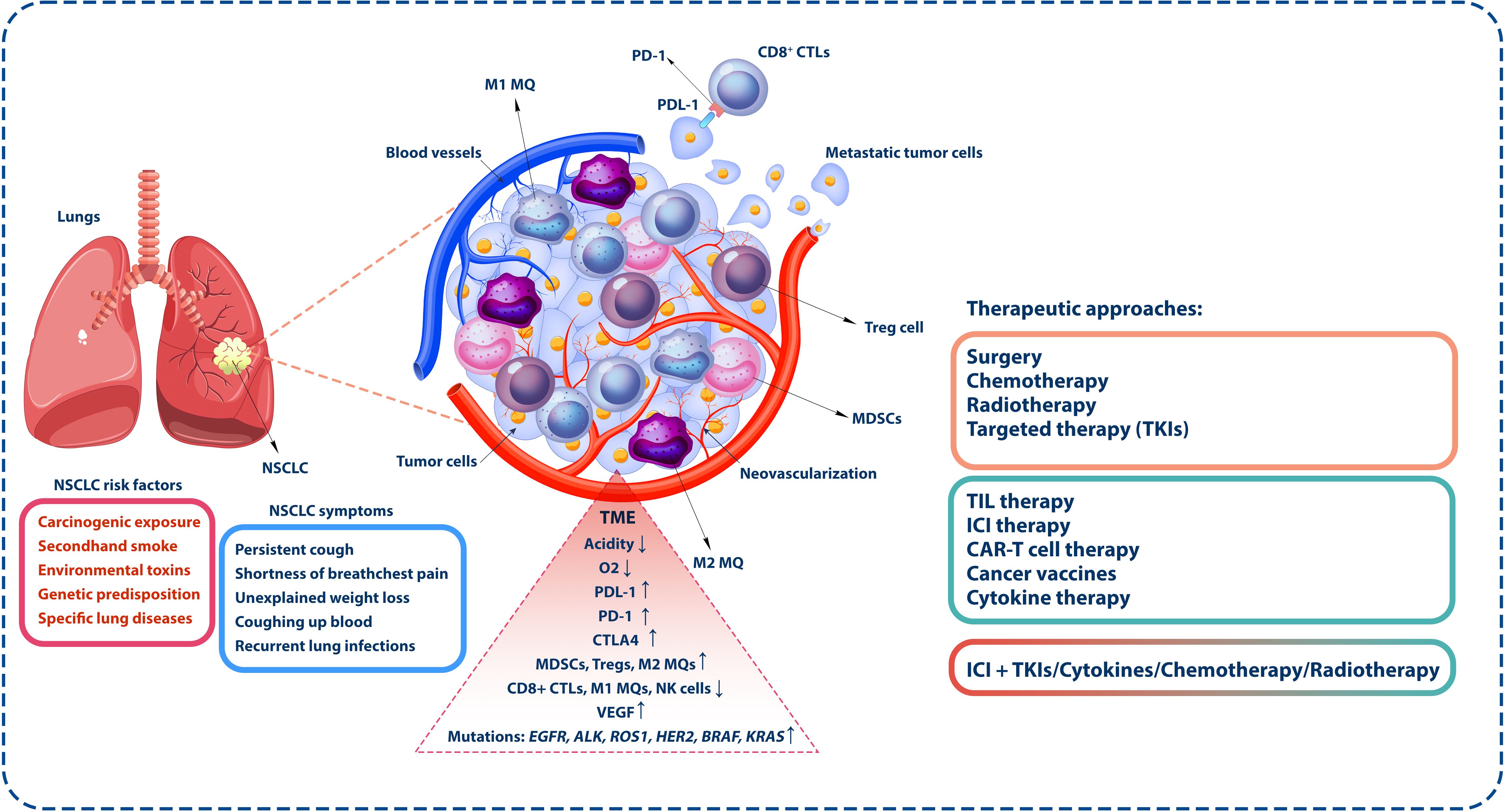
One of the most profound breakthroughs in the new frontier of oncology is immunotherapy, a class of treatments that leverages the patient's own immune system to recognize and destroy cancer cells. Normally, the immune system detects abnormal cells and eliminates them. However, cancer cells possess sophisticated evolutionary mechanisms to evade detection, such as expressing surface proteins that signal immune cells to stand down.
Immune Checkpoint Inhibitors
Immune checkpoint inhibitors are drugs that block specific checkpoint proteins made by immune system cells (like T-cells) and some cancer cells. These checkpoints act as brakes that keep immune responses from being too strong. When cancer cells bind to these checkpoints, they effectively put the brakes on the T-cells. By inhibiting these proteins, drugs such as pembrolizumab and nivolumab release the brakes, allowing T-cells to mount a vigorous attack against the tumor.
Chimeric Antigen Receptor (CAR) T-Cell Therapy
CAR T-cell therapy represents a triumph of cellular engineering. In this process, a patient's own T-cells are extracted, genetically altered in a laboratory to produce special receptors on their surface called chimeric antigen receptors (CARs), and then multiplied by the millions. When infused back into the patient, these engineered cells are primed to home in on and destroy specific proteins expressed exclusively on the surface of cancer cells. While initially approved for hematological malignancies like acute lymphoblastic leukemia and diffuse large B-cell lymphoma, research is actively expanding their utility toward solid tumors.
Precision Medicine and Targeted Molecular Therapies
Precision medicine relies on the principle that no two cancers are genetically identical, even if they originate in the same organ. Through comprehensive genomic profiling, oncologists can identify actionable mutations that drive a patient's specific disease.
Small Molecule Inhibitors and Monoclonal Antibodies
Targeted therapies generally fall into two main categories: small molecule inhibitors, which can enter cells easily to target internal machinery, and monoclonal antibodies, which attach to specific targets on the outer surface of cancer cells. For example, patients with non-small cell lung cancer (NSCLC) harboring specific mutations in the epidermal growth factor receptor (EGFR) or anaplastic lymphoma kinase (ALK) gene can be treated with specific tyrosine kinase inhibitors. These oral medications often yield significantly higher response rates and milder systemic side effects than traditional chemotherapy.
Companion Diagnostics
The implementation of targeted therapies requires companion diagnostics—specialized laboratory tests that identify patients who are most likely to benefit from a specific drug. Ensuring that a therapy is matched precisely to a biomarker ensures maximum clinical efficacy and prevents patients from receiving expensive treatments unlikely to help their specific genomic profile.
| Treatment Modality | Primary Mechanism of Action | Common Clinical Applications | Key Toxicity Profile / Considerations |
|---|---|---|---|
| Immune Checkpoint Inhibitors | Blocks regulatory proteins to reactivate T-cell anti-tumor immunity | Melanoma, NSCLC, renal cell carcinoma, Hodgkin lymphoma | Immune-related adverse events (pneumonitis, colitis, endocrinopathies) |
| CAR T-Cell Therapy | Genetically reprograms patient T-cells to target specific tumor surface antigens | B-cell malignancies, multiple myeloma | Cytokine release syndrome (CRS), immune effector cell-associated neurotoxicity syndrome (ICANS) |
| Targeted Small Molecule Inhibitors | Inhibits specific intracellular enzymes and pathways driving tumor proliferation | EGFR-mutated lung cancer, BRAF-mutated melanoma, BCR-ABL leukemia | Acquired drug resistance, rash, gastrointestinal disturbances |
| Antibody-Drug Conjugates (ADCs) | Delivers cytotoxic payloads directly to tumor cells via targeted antibodies | HER2-positive breast cancer, urothelial carcinoma, certain leukemias | Off-target toxicity, peripheral neuropathy, myelosuppression |
Antibody-Drug Conjugates (ADCs): The "Smart Bombs" of Oncology
Often described as biological "smart bombs," antibody-drug conjugates (ADCs) combine the precision of targeted monoclonal antibodies with the potent cell-killing power of traditional chemotherapy. An ADC consists of three distinct components:
- A monoclonal antibody that targets a specific protein found abundantly on cancer cells.
- A cytotoxic payload (chemotherapy drug).
- A chemical linker that securely attaches the payload to the antibody.
Once administered intravenously, the antibody component navigates the bloodstream and binds exclusively to the target antigen on the cancer cell surface. The cell then internalizes the ADC complex, releasing the cytotoxic payload inside the cancer cell. This targeted delivery system maximizes the local concentration of the drug within the tumor microenvironment while minimizing exposure to healthy, non-targeted tissues, thereby improving the therapeutic index.
The Role of Liquid Biopsies and Early Detection
Advancements in advanced cancer treatments are deeply intertwined with innovations in diagnostics, most notably the development of liquid biopsies. Traditional tissue biopsies are invasive surgical procedures that capture a snapshot of a single tumor site at a specific moment in time. However, tumors are biologically heterogeneous and constantly evolving.
Liquid biopsies analyze circulating tumor DNA (ctDNA), cell-free DNA (cfDNA), and circulating tumor cells shed by tumors into the patient's bloodstream via a simple blood draw. This technology enables clinicians to:
- Monitor Treatment Response: Detect whether a therapy is working in real time by tracking drops in ctDNA levels.
- Identify Resistance Mutations: Detect newly emerged genetic mutations driving drug resistance before they manifest on conventional imaging scans.
- Detect Minimal Residual Disease (MRD): Assess whether microscopic traces of cancer remain following surgery or primary treatment, guiding decisions regarding adjuvant therapy.
Challenges, Accessibility, and Financial Toxicity
Despite the remarkable scientific promise of the new frontier in cancer treatments, significant hurdles remain regarding global accessibility, equitable distribution, and economic sustainability.
Financial Toxicity
The cost of advanced therapeutics—including genomic sequencing, personalized cellular therapies, and novel biologics—is exceptionally high. This economic burden, frequently referred to as "financial toxicity," can lead to medical bankruptcy, treatment non-compliance, and disparities in care access based on socioeconomic status or insurance coverage. Healthcare systems worldwide continue to grapple with how to sustainably reimburse these high-cost innovations while maintaining universal standards of care.
Acquired Drug Resistance
Even when advanced treatments yield dramatic initial remissions, cancer cells are notoriously adaptable. Through selective evolutionary pressure, tumors frequently develop secondary mutations or alternative survival pathways that render targeted therapies or immunotherapies ineffective. Overcoming acquired resistance remains one of the most pressing research priorities in contemporary translational oncology.
Frequently Asked Questions
What is the main difference between traditional chemotherapy and targeted therapy?
Traditional chemotherapy is a systemic treatment that targets all rapidly dividing cells in the body, which leads to widespread collateral damage and common side effects like hair loss and nausea. In contrast, targeted therapy focuses on specific molecular alterations, proteins, or genetic mutations unique to the cancer cells, interrupting their growth pathways while sparing most healthy tissues.
Are advanced cancer treatments available to all cancer patients?
Not all advanced treatments are suitable or approved for every cancer type. Eligibility depends heavily on the specific stage of the disease, the anatomical origin, and, crucially, the results of molecular biomarker testing. Patients should consult their oncologists to determine if genomic profiling reveals actionable targets matching specific approved therapies or active clinical trials.
What is financial toxicity in cancer care?
Financial toxicity refers to the subjective and objective economic hardship patients experience as a result of cancer diagnosis and treatment. This includes out-of-pocket costs for specialized diagnostics, expensive novel therapeutics, travel expenses for specialized care centers, and lost wages due to inability to work during treatment periods.
How do liquid biopsies differ from standard tissue biopsies?
A standard tissue biopsy requires a surgical procedure or needle aspiration to extract a physical sample of tumor tissue, providing static data from one specific location. A liquid biopsy is a non-invasive blood test that analyzes circulating tumor DNA shed by tumors throughout the body, allowing for dynamic, real-time monitoring of tumor genetics and treatment response.
Can immunotherapy cure advanced-stage cancer?
While immunotherapy has achieved unprecedented, long-lasting remissions in patients with previously untreatable advanced cancers—such as advanced melanoma and certain lung cancers—it is not effective for everyone. Response rates vary dramatically by cancer type, tumor mutational burden, and individual patient immune system characteristics. Research is ongoing to understand why certain patients respond robustly while others do not.
Practical Next Steps for Patients and Caregivers
Navigating the landscape of advanced cancer treatments requires close collaboration with a multidisciplinary oncology care team. Patients and their families should proactively explore the following actionable steps:
- Inquire About Genomic Profiling: Ask your oncologist whether comprehensive genomic profiling (next-generation sequencing) has been performed on your tumor tissue to identify actionable mutations.
- Seek Molecular Tumor Boards: For complex or rare malignancies, ask if your case can be reviewed by a multidisciplinary molecular tumor board to evaluate potential targeted options or off-label uses supported by clinical data.
- Investigate Clinical Trials: The newest frontier treatments are often accessed through clinical trials. Utilize databases like ClinicalTrials.gov to search for cutting-edge therapies recruiting patients with your specific diagnosis and biomarker profile.