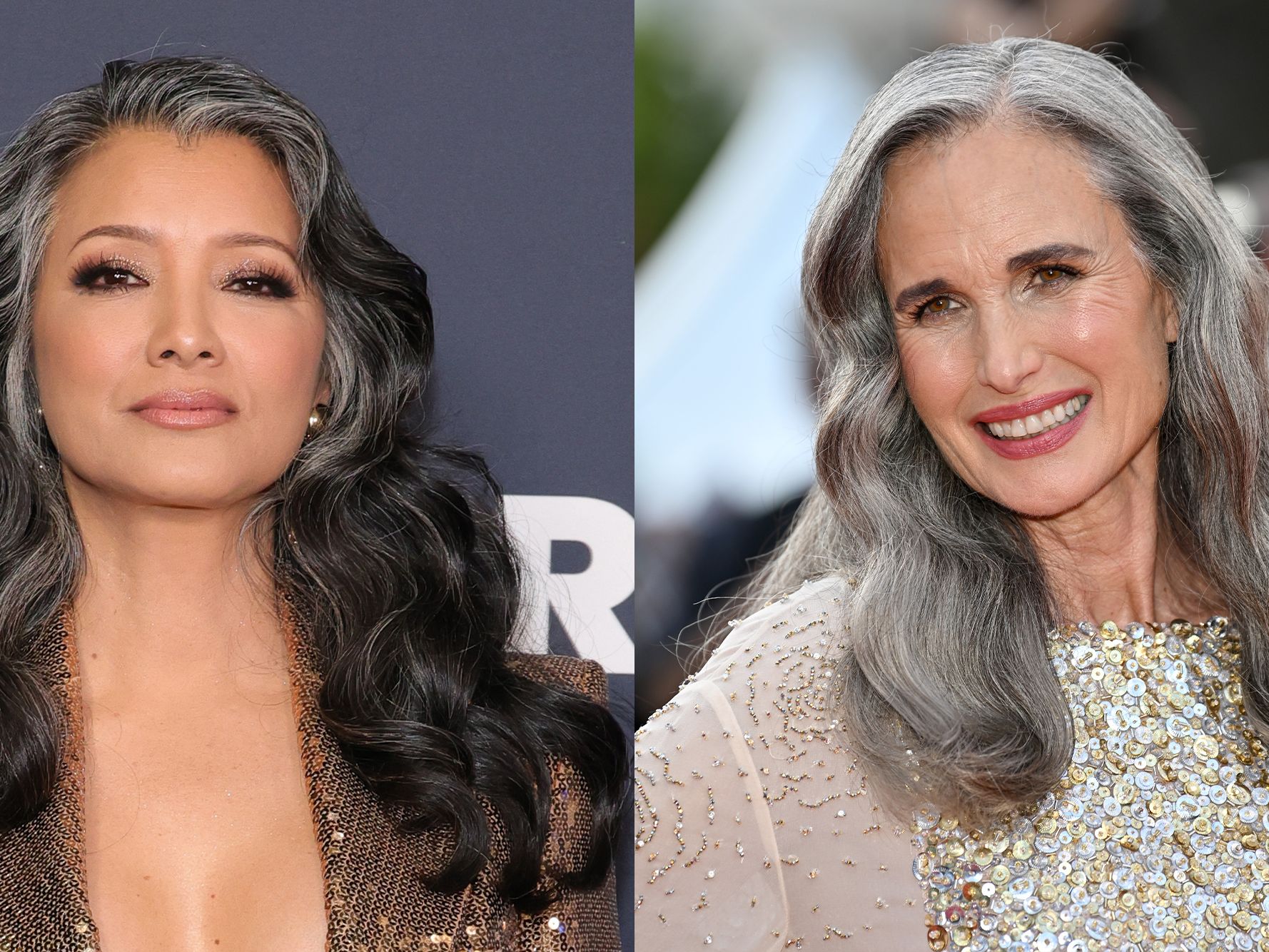
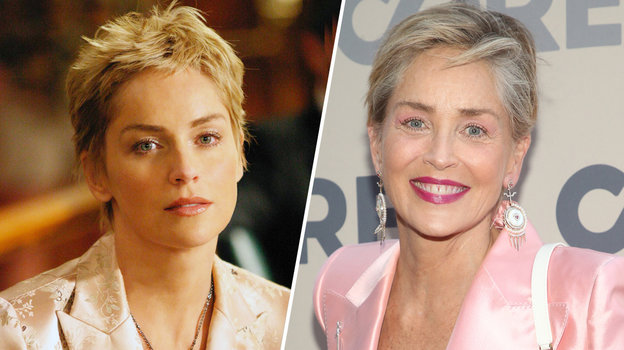
In an industry long dominated by unrealistic aesthetic standards and surgical intervention, a growing movement of actresses who aged naturally has reshaped public perception of beauty. Figures like Jamie Lee Curtis, Frances McDormand, Emma Thompson, and Helen Mirren have publicly rejected cosmetic surgery, emphasizing that lines and wrinkles are vital tools for authentic storytelling and self-expression.
The Changing Dynamics of Aging in the Entertainment Industry
The film and television industry has historically maintained a complex, often punitive relationship with women as they mature. For decades, female performers faced a pronounced decline in substantial roles once they reached their late thirties or early forties. This dynamic created immense pressure to maintain a youthful appearance through cosmetic procedures, invasive surgeries, and rigorous aesthetic regimens.
However, the cultural landscape surrounding performing artists has evolved. Audiences and filmmakers increasingly value realism, emotional depth, and physical authenticity over standardized, age-defying appearances. The visibility of actresses who age naturally without surgical alteration marks a profound shift in how female longevity is viewed within cinematic arts.
| Traditional Model | Modern Reality |
|---|---|
| Invisibility post-age 40 | Lead roles written for 50+ |
| High pressure for cosmetic work | Demand for physical authenticity |
| Eradication of age markers | Expressive features valued |
Historical Expectations vs. Modern Realities
Throughout the 20th century, Hollywood studios frequently enforced rigid physical standards on female contract stars. Soft lighting, physical filters, and studio publicists worked together to maintain an illusion of timeless youth. As cosmetic technology advanced—moving from early plastic surgery to modern injectables, neurotoxins, and dermal fillers—the expectation to erase visible signs of aging became pervasive.
In contrast, contemporary cinema and premium television increasingly champion narrative realism. Directors searching for emotional vulnerability often require actors whose facial expressions remain unencumbered by neuromuscular blockers or structural fillers. As a result, visible signs of aging—such as fine lines, laugh lines, and natural skin texture—have transitioned from perceived career liabilities into powerful narrative assets.
The Pressure of High-Definition Media and Social Scrutiny
The transition to ultra-high-definition digital photography and 4K display formats magnified every detail on screen. While this technological leap initially amplified physical scrutiny, it simultaneously exposed the artificiality of heavy cosmetic interventions. Under close visual inspection, non-surgical enhancements like overfilled cheeks or frozen forehead muscles can disrupt visual consistency and detract from character immersion.
Additionally, digital media platforms have amplified public debate around beauty standards. Actresses who publicly refuse cosmetic interventions offer a counter-narrative to the filtered and edited imagery ubiquitous across digital spaces. By presenting their true appearances on screen and red carpets, these performers challenge the normalization of cosmetic procedures as an obligatory aspect of growing older.
Profiles of Prominent Actresses Embracing Natural Aging
Several high-profile performers have taken firm public stances against cosmetic procedures, demonstrating that a commitment to natural aging can coexist with, and even enhance, a thriving career in film and stage.
Jamie Lee Curtis: Radical Authenticity and Reframing Perfection
Academy Award-winning actress Jamie Lee Curtis has been one of Hollywood’s most vocal advocates for natural physical progression. Having experienced early cosmetic procedures—including a minor surgical procedure in her twenties following a director’s comment about her eyes—Curtis spoke candidly about the physical and emotional risks associated with chasing youth, including subsequent dependency on prescribed pain medications.
- Early Experience with Surgery
- Realization of Systemic Harm
- Rejection of Fillers, Dye & Filters
- Public Advocacy for Natural Authenticity
Curtis subsequently pledged to eliminate cosmetic alterations, hair dyes, and digital retouches from her professional identity. Her commitment to unedited depictions of her body in films such as Everything Everywhere All at Once earned critical acclaim. Curtis contends that the societal obsession with erasing lines damages self-worth and robs performers of the wisdom inherent in an evolving face.
Frances McDormand: The Power of an Unaltered Face in Acting
Four-time Oscar winner Frances McDormand has long treated her face as an unpolished instrument essential to her craft. McDormand has repeatedly expressed that a face is a personal record of lived experience, emphasizing that changing one's physical markers of age compromises an actor's capacity to represent real humanity.
In public appearances and interviews, McDormand highlighted how natural aging grants access to roles defined by maturity, gravity, and authority. By refusing to undergo cosmetic treatments, she has played iconic, complex characters in films such as Fargo, Three Billboards Outside Ebbing, Missouri, and Nomadland, demonstrating that an unaltered appearance provides unparalleled dramatic resonance.
Emma Thompson: Challenging Aesthetic Conformity and Industry Norms
British actress and screenwriter Emma Thompson has consistently criticized the social compulsion for women to alter their bodies through cosmetic surgery. Thompson, along with contemporaries such as Kate Winslet and Rachel Weisz, has openly discussed the cultural dysfunction of viewing natural bodily changes as flaws requiring correction.
Thompson argues that the pressure to look younger reflects a broader cultural fear of growing older and a refusal to acknowledge the value of lived experience. In her dramatic roles, including her work in Good Luck to You, Leo Grande, Thompson has showcased the human body without theatrical camouflage or digital correction, encouraging viewers to reconsider their assumptions regarding intimacy, beauty, and female maturity.
Helen Mirren: Redefining Sophistication Beyond Youth Culture
Dame Helen Mirren has consistently challenged the terminology surrounding physical progression. Mirren has frequently rejected popular phrases like "aging gracefully," arguing that such terms imply an obligation to remain quiet or invisible as time passes. Instead, she advocates for accepting physical changes while maintaining active engagement, style, and personal power.
While known for her elegance, Mirren has resisted the urge to alter her features through cosmetic surgery. She frequently speaks about the liberation that comes with growing older, pointing out that maturity releases individuals from the constant external evaluation experienced during youth.
Jodie Foster: Prioritizing Self-Identity over Aesthetic Trends
Jodie Foster, whose career spans over five decades from child actor to director and veteran performer, has consistently rejected cosmetic enhancements. Foster has noted in interviews that she prefers to have people comment on how she looks relative to her age rather than speculate on the quality of cosmetic procedures she may have received.
Foster’s approach reflects a dedication to authentic self-identity. By maintaining her natural appearance, she has successfully transitioned between complex character roles and directing responsibilities, demonstrating that long-term career stability in cinema does not depend on cosmetic preservation.
Meryl Streep: The Artistic Value of Expressive Authenticity
Three-time Academy Award winner Meryl Streep has expressed deep caution regarding cosmetic interventions, noting how structural changes to an actor's face can hamper their primary instrument: facial mobility. Streep has observed that altering facial mechanics through fillers or paralysis toxins inhibits the subtle muscular movements necessary to convey complex human emotions.
Streep’s commitment to an expressive, unaltered face has enabled her to portray diverse characters across drama, comedy, and musicals well into her seventies. Her career serves as empirical proof that emotional clarity and expressive range far outweigh the transient aesthetic benefits of cosmetic surgery.
Comprehensive Comparison: Perspectives on Aging in Hollywood
The following table summarizes the public stances, artistic philosophies, and primary career contributions of notable actresses who advocate for natural aging:
| Actress | Public Stance on Cosmetic Surgery | Key Dramatic / Career Focus | Stated Philosophy on Natural Aging |
|---|---|---|---|
| Jamie Lee Curtis | Firmly opposed; advocates eliminating body editing and cosmetic procedures | Lead roles in film, television, and advocacy | Views lines as evidence of a lived life; rejects cosmetic perfectionism. |
| Frances McDormand | Completely rejects surgical or non-surgical alterations | Complex, grounded dramatic character roles | Considers the face an unaltered map of experience critical for acting. |
| Emma Thompson | Strongly critical of systemic pressure to alter physical appearance | Screenwriting, dramatic, and comedic roles | Challenges cultural taboos around older female bodies and maturity. |
| Helen Mirren | Avoids cosmetic surgery; rejects terms like "aging gracefully" | Lead roles in theater, film, and television | Encourages confidence, style, and active involvement rather than youth-chasing. |
| Jodie Foster | Refuses cosmetic surgery; prioritizes personal integrity | Directing, producing, and dramatic acting | Prefers character clarity over surgical attempts to mimic youth. |
| Meryl Streep | Cautious of procedures that restrict facial movement and nuance | Diverse lead roles across multiple genres | Believes expressive mobility is an actor's most critical professional asset. |
| Sarah Jessica Parker | Critiques public scrutiny of gray hair and facial lines | Television, film, and production | Highlights gender double standards regarding physical signs of maturity. |
The Artistic and Professional Impacts of Aging Without Surgery
Refusing cosmetic alterations carries distinct artistic benefits and career implications for professional actors. While early casting systems prioritized youthful aesthetics, modern dramatic storytelling increasingly favors authentic physical presentation.
- Refusal of Cosmetic Surgeries
- Dramatic Authenticity
- Full muscular expressiveness
- Credibility in real roles
- Access to 50+ lead roles
- Psychological Resilience
- Alignment with natural self
- Liberation from youth beauty
- Reduced aesthetic anxiety
- Dramatic Authenticity
Character Authenticity and Emotional Expressiveness
The primary tool of any actor is the face. Minute muscular contractions around the eyes, forehead, and mouth convey subtle emotional states such as grief, unspoken joy, skepticism, and quiet contemplation. When these micro-expressions are muted by neurotoxins or distorted by structural fillers, the audience's capacity to connect with the character can be compromised.
- Facial Mobility: Unaltered muscles allow actors to convey subtle, multi-layered emotions without aesthetic interference.
- Character Realism: Characters depicted as living tough, complex, or historically accurate lives require believable physical features matching their fictional backgrounds.
- Long-Term Adaptability: Actors who embrace physical changes naturally transition into age-appropriate roles without experiencing the aesthetic dissonance caused by cosmetic work.
Directors often note that working with performers who age naturally brings a level of credibility to historical dramas, biographical films, and realistic character studies that cannot be replicated through prosthetics or digital editing.
Gender Double Standards in Media and Representation
The conversation surrounding natural aging highlights deep gender disparities in entertainment media. Male actors have historically been permitted—and often praised for—growing older on camera. Silver hair, facial lines, and weathered skin on men are frequently framed as signs of authority, distinction, and maturity.
Conversely, female actors face intense public commentary when showing identical signs of physical progression. Actresses like Sarah Jessica Parker have publicly noted this double standard, pointing out how male colleagues receive praise for graying hair while female counterparts face invasive public debate for identical physical changes. By maintaining their natural appearances, prominent women in film directly confront these double standards, helping redefine industry norms for future generations.
Mindful Approaches to Health, Skincare, and Self-Acceptance
Embracing natural aging does not equate to neglecting physical health or skin hygiene. Rather, it represents a shift from invasive modification toward supporting the body’s natural physiological functions.
- Invasive Alteration
- Structural Fillers
- Neuromuscular Block
- Surgical Tucking
- Erasing Features
- Replaced by Natural Wellness
- Skin Barrier Care
- Sun Protection
- Internal Hydration
- Self-Acceptance
Prioritizing Skin Barrier Health over Invasive Procedures
Dermatological research emphasizes that maintaining skin integrity as the body matures depends primarily on basic protective measures rather than aggressive structural interventions. Key daily practices include:
- Broad-Spectrum Sun Protection: Consistent application of sunscreen protects dermal collagen and elastin fibers from ultraviolet degradation, lowering the risk of photoaging and skin malignancies.
- Barrier Repair and Moisture Preservation: Utilizing topical ingredients like ceramides, hyaluronic acid, and fatty acids helps reinforce the stratum corneum, which naturally thins as estrogen levels decline.
- Nutritional and Cellular Support: Adequate hydration, a balanced intake of antioxidants, and regular physical activity support cutaneous microcirculation and cellular repair mechanisms.
- Gentle Exfoliation: Avoiding aggressive chemical peels in favor of mild keratolytic agents supports cellular turnover without triggering chronic inflammation.
Psychological Resilience and Reframing the Aging Narrative
The psychological shift required to age naturally in a youth-obsessed culture involves uncoupling personal self-worth from aesthetic trends. Psychological studies demonstrate that individuals who practice self-compassion and focus on physical capability—rather than strict appearance—report lower rates of body dysmorphia and greater overall life satisfaction.
Public statements from veteran performers emphasize several key mental frameworks:
- Reframing Physical Lines: Viewing wrinkles not as structural failures, but as visual markers of resilience, emotional depth, and lived history.
- Rejecting External Validation: Shifting focus from public scrutiny toward personal creative fulfillment and meaningful work.
- Fostering Mentorship: Supporting younger performers by modeling self-acceptance and resisting commercial pressures to undergo unnecessary medical interventions.
Frequently Asked Questions
Why are more Hollywood actresses publicly speaking out about aging naturally?
Actresses are speaking out to challenge impossible beauty standards, reduce the stigma around physical aging, and protect their professional capability as storytellers. By publicly rejecting cosmetic work, high-profile figures use their visibility to advocate for authenticity, mental health, and artistic integrity in the film industry.
Does avoiding cosmetic surgery harm an actress's career in modern Hollywood?
While youth-focused roles remain common, avoiding cosmetic surgery often opens doors to complex, dramatic character roles that require high emotional expressiveness. Top directors frequently seek out performers with unaltered features to ensure narrative realism and dramatic depth, allowing naturally aged actresses to build sustainable, long-term careers.
What is the distinction between "aging gracefully" and embracing natural aging?
"Aging gracefully" can sometimes carry a subtle social expectation that women should hide the unpleasant aspects of growing older while remaining immaculately groomed and youthful. Embracing natural aging focuses on unvarnished self-acceptance, rejecting surgical or non-surgical alterations, and allowing physical changes to unfold naturally without apology or excessive aesthetic management.
How do actresses who age naturally approach skincare and maintenance?
Actresses who decline invasive cosmetic procedures generally focus on fundamental skin health. This includes daily sun protection, barrier-repair moisturizers, healthy nutrition, adequate sleep, and gentle dermatological treatments designed to support skin function rather than structurally alter facial features.
How do digital high-definition cameras affect the decision to age naturally?
High-definition and 4K camera technologies reveal fine structural details, making artificial fillers or restricted muscle movements visually noticeable on screen. This visual clarity has led many directors and actors to favor natural skin textures and expressive faces over cosmetic modifications that can appear unnatural under close camera inspection.
Practical Takeaways for Cultivating Authentic Self-Acceptance
Navigating the natural aging process within a culture that frequently promotes youth preservation requires intentional choices focused on long-term physical and emotional health:
- Focus on Functional Health: Prioritize cardiovascular conditioning, joint mobility, muscle preservation, and balanced nutrition over purely aesthetic goals.
- Simplify Skincare Routines: Invest in dermatologically sound protective measures—such as high-SPF sunscreen, gentle cleansers, and barrier-supporting moisturizers—rather than aggressive cosmetic treatments.
- Curate Media Consumption: Reduce exposure to digitally altered imagery and media accounts that promote unrealistic physical standards or encourage unnecessary cosmetic interventions.
- Adopt a Mindset of Gratitude: View aging as a privilege associated with wisdom and experience, rejecting narratives that frame physical evolution as a failure of maintenance.
- Celebrate Expressive Authenticity: Recognize that fine lines and natural facial movements represent lived history and emotional depth, offering a genuine reflection of character and selfhood.